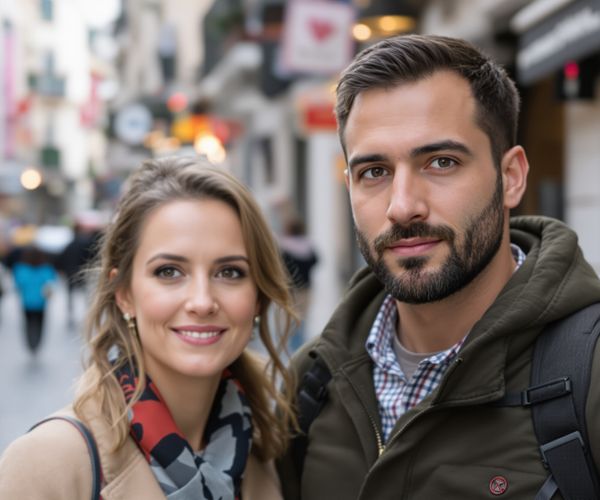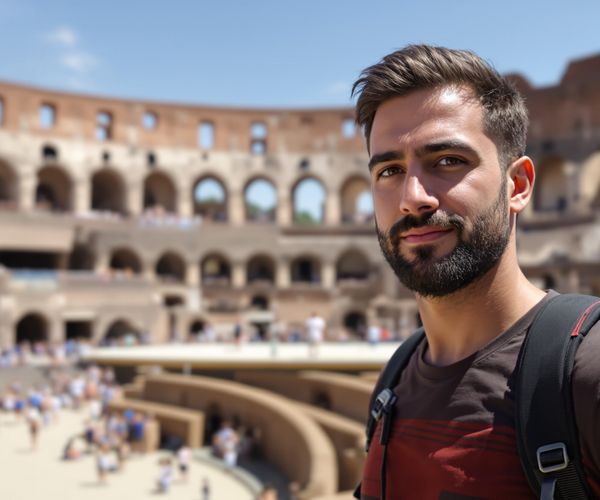
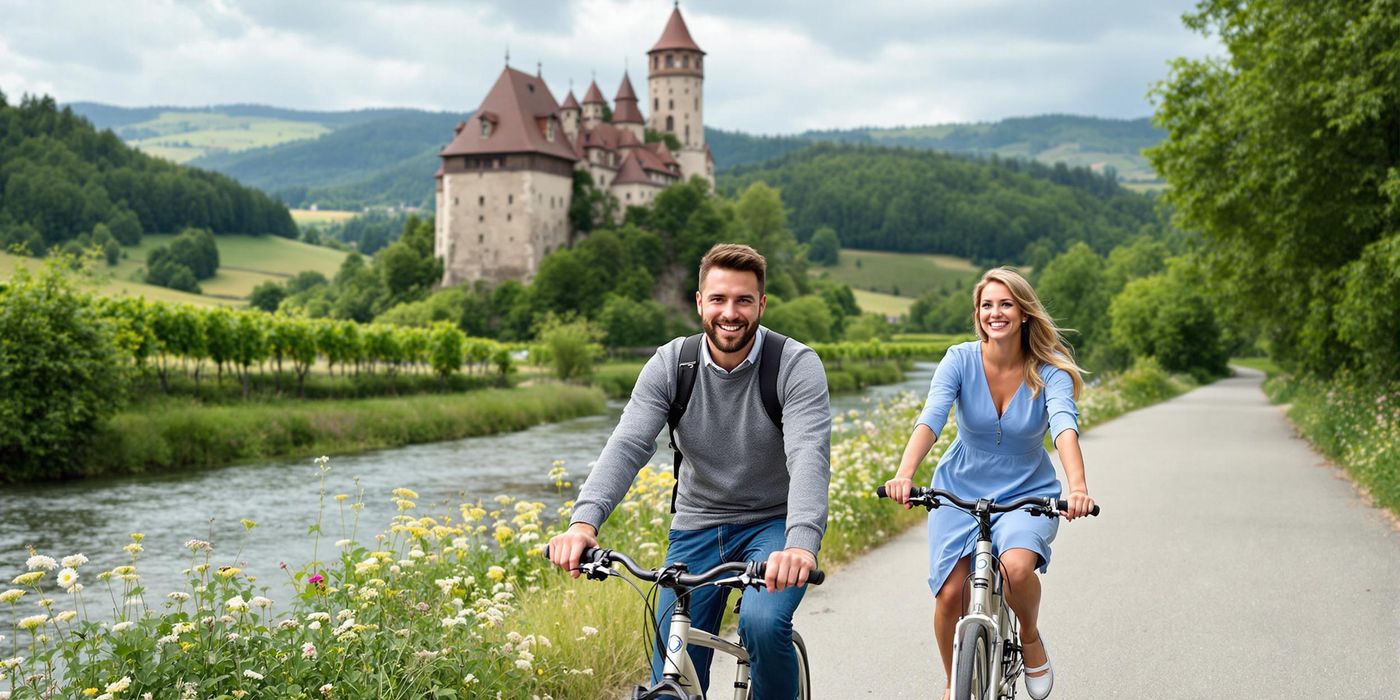
Hey everyone, Matthew here! Over the past few years, Lena and I have traded four wheels for two whenever possible, discovering Europe in a way that's both invigorating and deeply connected to the landscapes we traverse. From the charming riverside paths to the challenging climbs, cycling has transformed our travels. Let me share why we're hooked and how you can plan your own two-wheeled adventure!
The Allure of Two-Wheeled Travel
There's something incredibly freeing about exploring a new destination on a bicycle. You're not confined to bus routes or train schedules; you have the freedom to stop whenever you want, to veer off the beaten path and discover hidden gems. We've found that cycling allows us to truly connect with the local environment. You can feel the breeze on your face, smell the wildflowers along the roadside, and hear the sounds of the city or countryside in a way that's impossible when you're whizzing by in a car. Plus, let's not forget the health benefits! All that pedaling is a great way to stay active while indulging in delicious local cuisine. It's a win-win!
Gearing Up for Your Cycling Adventure
Choosing the right bike is crucial. Consider the terrain you'll be tackling. Are you planning mostly flat rides along well-maintained paths, or will you be facing hills and rough roads? For city explorations and leisurely rides, a hybrid or city bike is ideal. If you're planning longer tours with varied terrain, a touring bike with comfortable seating and pannier racks is a great option. And for those who want a little extra assistance, e-bikes are becoming increasingly popular and can make even the hilliest routes manageable. Don't forget essential gear: a properly fitted helmet is non-negotiable, comfortable cycling shorts can make a world of difference, and a basic repair kit with a pump, tire levers, and multi-tool is a must-have. Pack light but smart. Prioritize versatile clothing that can be layered, and consider investing in waterproof bags to protect your belongings from unexpected rain.
Planning Your Route: Tips and Resources
Careful route planning is key to a successful cycling adventure. Fortunately, there are fantastic online resources available. EuroVelo offers a network of long-distance cycling routes across Europe, with detailed maps and information on terrain, accommodations, and points of interest. Websites like VeloViewer and Komoot are also invaluable for planning custom routes and analyzing elevation profiles. When planning, consider factors such as elevation gain, road conditions, and traffic. Be realistic about your fitness level and choose routes that are challenging but not overwhelming. Don't hesitate to consult local tourist information centers and cycling organizations for maps and insider tips. My personal favorite is cycling along the Neckar River here in Germany. The path is well-maintained, mostly flat, and offers stunning views of castles, vineyards, and charming villages. I also had a great time planning a route in Netherlands using the local cycling maps, which made it easy to navigate the country's extensive network of bike paths.
Cycling-Friendly European Destinations
Europe is a cyclist's paradise, with countless destinations that are perfectly suited for exploring on two wheels. The Danube Cycle Path, which follows the Danube River from Germany to the Black Sea, is a classic route that offers a mix of natural beauty and cultural attractions. The Loire Valley in France is another fantastic option, with its rolling hills, vineyards, and stunning chateaux. For a more challenging but rewarding experience, consider the Alpe Adria Trail, which crosses through Austria, Italy, and Slovenia, offering breathtaking mountain views. Many European cities, such as Amsterdam and Copenhagen, have excellent cycling infrastructure and are a joy to explore by bike. In Vienna, you can take the Ring Road, where there are bike lanes to see the architectural highlights of the city. These destinations offer a combination of well-maintained cycling paths, bike rental services, and cyclist-friendly accommodations.
Safety First: Essential Cycling Safety Tips
Safety should always be a top priority when cycling. Always wear a helmet, no matter how short the ride. Obey traffic laws and be aware of your surroundings. Use hand signals to indicate turns and stops, and make eye contact with drivers and pedestrians to ensure they see you. Wear bright clothing and use reflective gear, especially when cycling in low-light conditions. Equip your bike with lights, both front and rear, and make sure they are working properly. When cycling in traffic, ride predictably and maintain a safe distance from other vehicles. Be prepared for unexpected situations, such as flat tires or mechanical issues. Carry a basic repair kit and know how to use it. It's also a good idea to have a charged cell phone with you in case of emergencies.
Bike Rentals and Logistics in Europe
Renting a bike in Europe is generally easy and convenient. Most major cities and tourist destinations have numerous bike rental shops offering a variety of bikes, from basic city bikes to high-end touring bikes and e-bikes. Prices vary depending on the type of bike and rental duration, but you can typically expect to pay around €15-€30 per day for a standard bike. When choosing a rental bike, be sure to inspect it carefully for any signs of damage or wear. Check the brakes, tires, and gears to ensure they are in good working order. Ask the rental shop for a helmet, lock, and repair kit. Some rental shops also offer bike transport and delivery services, which can be useful if you're planning a one-way cycling trip. Consider purchasing travel insurance that covers cycling accidents and bike theft. Before renting, clarify the rental company's policies on liability for damage or theft.
Explore Europe on two wheels! Discover cycling adventures, routes, safety tips, and bike rentals for an unforgettable travel experience.