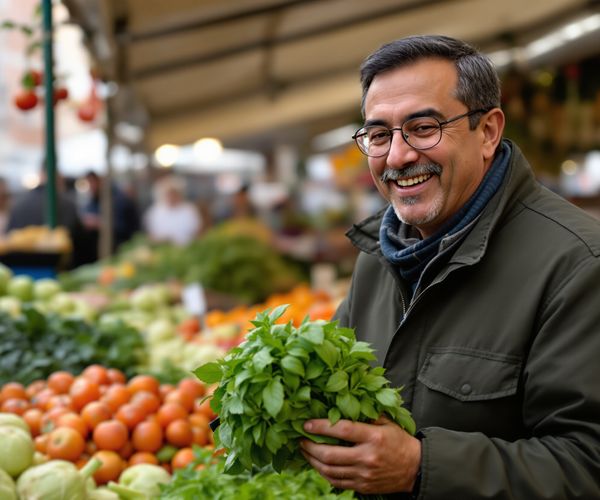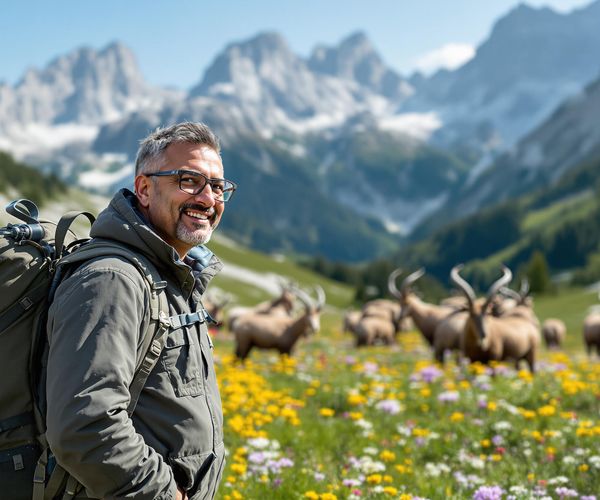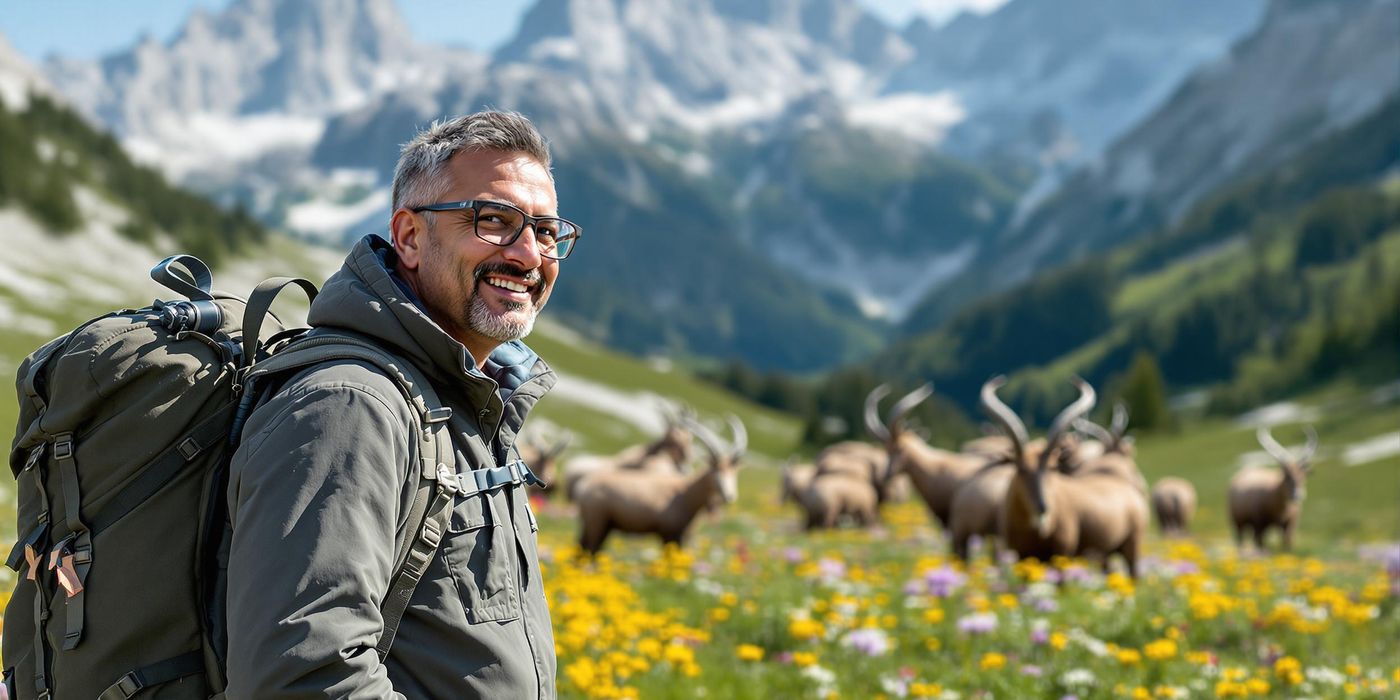
Namaste, fellow adventurers! Rama here, your friendly Nepali chef from Leipzig, ready to share my hiking wisdom. Having traded the Himalayan foothills for the stunning Alps, I've learned a thing or two about prepping for a good hike. Whether you're a seasoned trekker or a newbie eager to explore, getting your gear and planning right is key. So, let's dive into the essentials for a memorable and safe adventure on the trails!
Choosing Your Adventure: Skill Level Matters
Before you even think about packing, consider your skill level and the type of hike you're planning. Are you dreaming of a gentle stroll through flower-filled meadows, or are you aiming to conquer a challenging peak? The Alps, like the Himalayas, offer trails for every level. For beginners, start with well-marked paths and shorter distances. As you gain experience, you can tackle more demanding routes with steeper inclines and longer durations.
Here's a quick guide:
- Beginner: Flat or gently rolling terrain, well-maintained trails, distances under 5 miles.
- Intermediate: Moderate inclines, some rocky sections, distances between 5 and 10 miles.
- Advanced: Steep climbs, challenging terrain, distances over 10 miles, potential for exposure to weather elements.
Always check trail maps and read recent reviews online to get an idea of the conditions. Websites and apps like AllTrails, Bergfex, and local alpine club resources provide valuable information. Remember, it's always better to start easy and build up to more challenging hikes.
Gear Up: The Essential Hiking Checklist
Okay, let's talk gear! This is where preparation truly meets opportunity. Over the years, I have fine-tuned my packing list and now I want to share it with you. Here's a list of essentials that I always carry when hiking in the Alps, or anywhere else for that matter:
- Backpack: Choose a comfortable backpack with enough capacity for your gear. For day hikes, a 20-30 liter pack should suffice.
- Hiking Boots: Invest in a good pair of hiking boots that provide ankle support and traction. Make sure they're properly broken in before your hike to avoid blisters.
- Navigation: A map and compass are essential, even if you have a GPS device. Learn how to use them!
- Sun Protection: Sunscreen, sunglasses, and a hat are crucial, even on cloudy days. The alpine sun can be intense.
- Insulation: Pack extra layers of clothing, such as a fleece jacket and a waterproof shell. Weather in the mountains can change rapidly.
- Illumination: A headlamp or flashlight is a must, especially if you're hiking in the late afternoon or evening.
- First-aid Supplies: Carry a well-stocked first-aid kit with essentials like bandages, antiseptic wipes, pain relievers, and blister treatment.
- Fire: Waterproof matches or a lighter are invaluable in emergency situations. Practice using them beforehand.
- Repair Kit and Tools: Knife, duct tape, screwdriver, and pliers.
- Nutrition: Pack high-energy snacks like trail mix, energy bars, dried fruit, and nuts.
- Hydration: Carry plenty of water. A general rule of thumb is to drink at least 2 liters of water per day, more if you're hiking in hot weather. Consider using a hydration reservoir or carrying water bottles.
- Emergency Shelter: Pack a lightweight emergency blanket or bivy sack in case you get caught out in bad weather.
Safety First: Tips for a Secure Hike
Safety is paramount, whether you're scaling a Himalayan peak or enjoying a leisurely hike in the Alps. Here are a few tips to keep in mind:
- Check the Weather: Before you head out, check the weather forecast and be prepared for changing conditions.
- Tell Someone Your Plans: Let a friend or family member know your hiking route and estimated return time.
- Stay on the Trail: Avoid shortcuts and stick to marked trails to prevent getting lost.
- Pace Yourself: Don't overexert yourself, especially at high altitudes. Take breaks and enjoy the scenery.
- Be Aware of Wildlife: In the Alps, you might encounter animals like marmots, chamois, or even ibex. Keep a safe distance and never feed them.
- Know Your Limits: If you're feeling tired or unwell, turn back. It's always better to be safe than sorry.
- Leave No Trace: Pack out everything you pack in, and dispose of waste properly. Let's keep the mountains clean for future generations.
Route Planning: Mapping Your Adventure
A well-planned route is essential for a successful and enjoyable hike. Start by researching the available trails in your chosen area. Consider the distance, elevation gain, and difficulty level. Online resources like AllTrails and local hiking guides can provide valuable information.
Once you've selected a trail, study the map carefully. Identify key landmarks, water sources, and potential hazards. Download a digital map to your phone or GPS device, but also carry a physical map and compass as backup. Before you set off, familiarize yourself with the trail markings and be aware of any trail closures or detours.
Factor in your hiking speed and the amount of daylight available. It's always a good idea to start early and allow plenty of time to complete your hike, especially if you're planning a longer or more challenging route. Remember to adjust your plans based on weather conditions and your own physical capabilities.
Embrace the Journey
Hiking is more than just reaching the summit; it's about connecting with nature, challenging yourself, and creating lasting memories. So, take the time to savor the experience. Breathe in the fresh mountain air, admire the stunning views, and appreciate the simple joys of being outdoors.
Whether you're hiking in the Alps, the Himalayas, or your local hills, remember that preparation is key. By choosing the right trail, packing the essentials, prioritizing safety, and planning your route, you can ensure a safe, enjoyable, and unforgettable adventure. Happy trails, everyone!
Nepali chef Rama shares hiking tips for all levels, from gear to safety, inspired by his Alpine adventures.