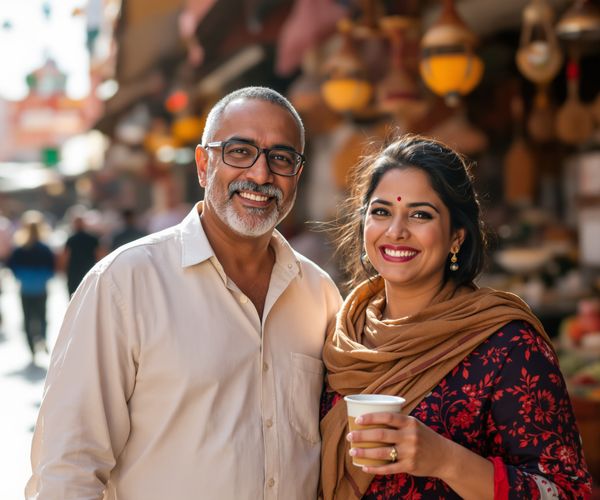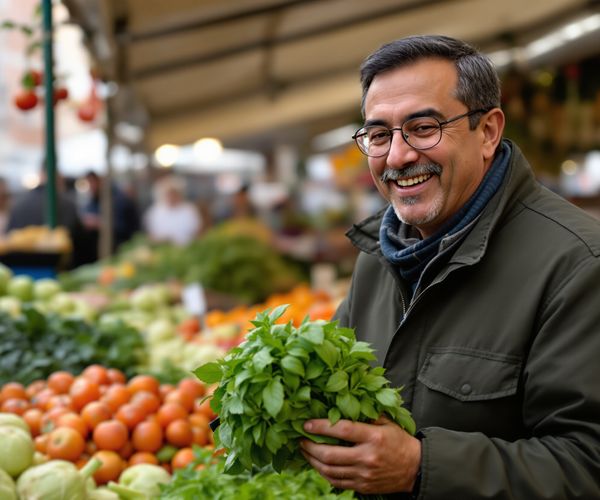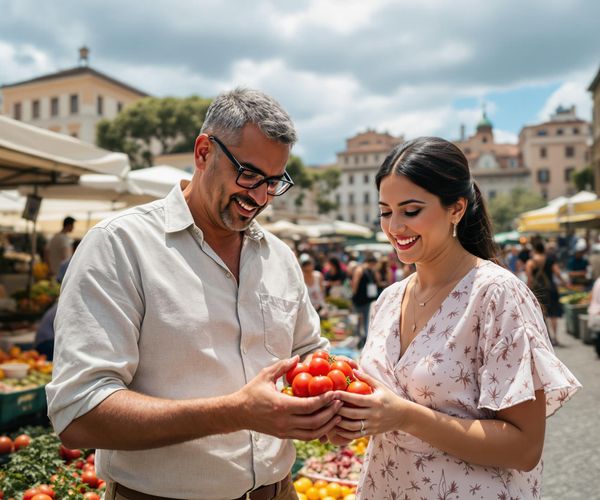
Namaste and Grüezi from Leipzig! It's Rama here, your friendly Nepali chef, ready to whisk you away on a sensory journey through the vibrant world of local markets. My wife, Anjali, and I have always found that the true heart of a culture beats strongest in its markets. They're not just places to buy and sell; they're living, breathing microcosms of society, bursting with stories, flavors, and the genuine spirit of a place.
The Allure of Local Markets: More Than Just Shopping
For Anjali and me, a trip isn't complete without diving headfirst into the local market scene. These aren't your sterile, pre-packaged supermarket experiences; they're a riot of colors, a symphony of sounds, and an explosion of aromas. Think of the bustling spice markets of Kathmandu, the fragrant flower markets of Bangkok, or even the charming farmers' markets right here in Leipzig. Each one offers a unique glimpse into the soul of its community.
I remember one trip to Marrakech with Anjali. We were utterly lost in the maze-like souks, surrounded by mountains of spices, intricate carpets, and the calls of vendors hawking their wares. It was chaotic, yes, but also incredibly exhilarating. We sipped mint tea with a Berber craftsman as he shared stories of his family's weaving traditions, and haggled (good-naturedly, of course!) for a beautiful Tagine pot that now sits proudly in our kitchen. These are the moments that truly connect you to a place, far beyond the typical tourist traps.
Markets are a feast for the senses. The vibrant displays of fresh produce, the rhythmic clang of a blacksmith's hammer, the sweet scent of exotic fruits, and the tantalizing tastes of street food all combine to create an unforgettable experience. They're a living tapestry of culture, woven with the threads of everyday life.
Preparing for the Market Visit: A Nepali Chef's Perspective
Like any good adventure, a successful market visit requires a little preparation. As a chef, I always do my homework before sourcing ingredients, and the same principle applies to exploring local markets.
First, do some research. Find out which markets are worth visiting in your destination. What are their opening hours and days? Are they known for specific products or specialties? Online searches and local tourism websites can be invaluable resources. For example, if you are in Italy, research if there is a Mercato Centrale nearby.
Next, remember the golden rule: cash is king! While some modern markets may accept cards, most vendors, especially in smaller or more traditional markets, prefer the feel of cold, hard currency. Make sure you have enough local money on hand, and in smaller denominations, to make transactions easier. Check the daily exchange rates before you go.
Timing is also crucial. Early birds often get the freshest produce and the best selection, as vendors are eager to start their day strong. However, visiting later in the day can sometimes lead to better deals, as vendors are looking to clear their stock before closing up shop. There are pros and cons for both.
Navigating the Market: Practical Tips for a Smooth Experience
Markets can be crowded, chaotic places, especially during peak hours. Patience is key. Take a deep breath, embrace the energy, and be prepared to navigate through throngs of people. Keep a close eye on your belongings, especially in crowded areas, to avoid any unwanted surprises.
I always bring a few reusable bags with me. Not only is it more environmentally friendly than accepting plastic bags from every vendor, but it also makes it easier to carry your purchases. Plus, it's a small way to show your support for sustainability.
Don't be afraid to try new things! Markets are a fantastic place to sample local flavors and discover new culinary delights. Most vendors are happy to offer a small taste of their products, so take advantage of the opportunity to expand your palate. Who knows, you might just find your new favorite snack!
The Art of Bargaining: Tips from Around the World
Bargaining is a common practice in many markets around the world, but it's essential to understand the local customs and etiquette before you start haggling. In some cultures, it's expected and even encouraged, while in others, it may be considered rude or disrespectful. Do a little research beforehand to avoid any cultural faux pas.
Always start with a smile and a friendly greeting. Building rapport with the vendor is crucial. Ask about their products, their family, or their day. A little genuine interest can go a long way in creating a positive interaction. Remember, you're not just trying to get the lowest price; you're building a connection with another human being.
When making a counteroffer, be reasonable and respectful. Don't try to lowball the vendor with an absurdly low price. Instead, start with a slightly lower offer than what you're willing to pay, and be prepared to negotiate. And remember, it's okay to walk away if you can't reach an agreement. Sometimes, the best deals are the ones you don't make.
Identifying Quality Products: A Chef's Guide
As a chef, I have a keen eye for quality ingredients, and I apply the same principles when shopping at local markets. Look for fresh, seasonal produce that is vibrant in color and free from blemishes. For handmade crafts, examine the workmanship closely, paying attention to details like stitching, finishing, and overall construction.
When buying food products, check for authenticity indicators and transparency in ingredients. Are the ingredients locally sourced? Are there any artificial additives or preservatives? Don't be afraid to ask the vendor questions about their products. A reputable vendor will be happy to share information about their sourcing and production methods.
Engaging with vendors is not just about verifying the quality of their products; it's also about learning their stories and supporting their livelihoods. By choosing to buy from local artisans and farmers, you're contributing to a more sustainable and equitable economy.
Connecting with Vendors: Building Relationships and Community
The true magic of local markets lies in the connections you make with the people behind the stalls. Take the time to talk to the stallholders, ask about their lives, and learn about their passions. You'll be surprised at the wealth of knowledge and wisdom they have to share.
By supporting local vendors, you're not just buying a product; you're investing in their dreams and contributing to the vibrancy of their community. You're helping to preserve traditional crafts, promote sustainable agriculture, and foster a sense of belonging.
Markets are also a great place to network with fellow shoppers. Strike up a conversation with someone admiring the same handwoven scarf or sampling the same exotic fruit. You might just make a new friend or discover a hidden gem that you wouldn't have found otherwise.
So, the next time you travel, skip the sterile shopping malls and head straight for the local market. Embrace the chaos, savor the flavors, and connect with the people. You'll come away with more than just souvenirs; you'll come away with memories that will last a lifetime. Dhanyabad!
Explore local markets for authentic shopping experiences. Learn tips on bargaining, finding quality products, and connecting with vendors for a culturally rich adventure.