Namaste and Grüezi from Leipzig! It's your friendly neighborhood chef, Rama, back with another adventure, but this time, we're trading the kitchen for the open road and spices for snapshots. I've always believed that travel is more than just ticking off destinations; it's about savoring moments, connecting with cultures, and preserving those memories. And what better way to do that than through the lens of a camera?
The Allure of Travel Photography: More Than Just a Snapshot
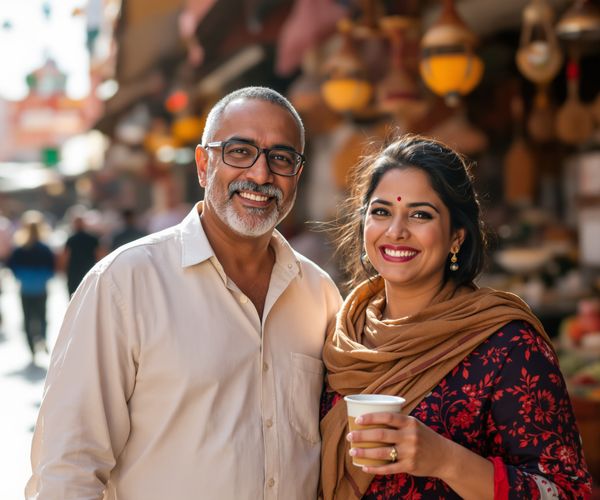
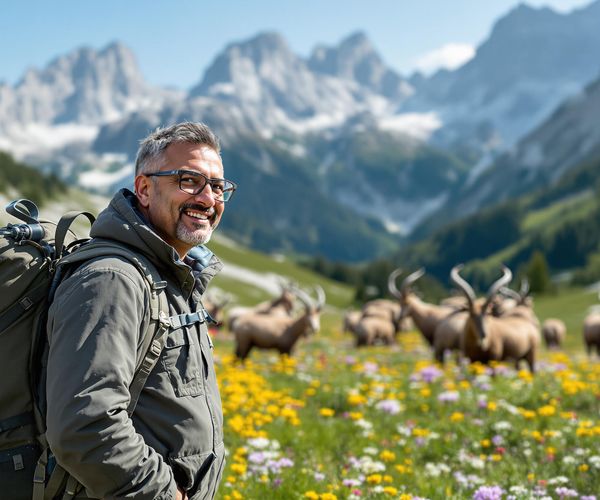
For me, travel photography isn't about taking pretty pictures; it's about telling stories. It's about capturing the vibrant chaos of a Kathmandu market, the serene beauty of the Swiss Alps, or the warm smiles of the people you meet along the way. It’s about freezing a moment in time, a moment that encapsulates the feeling of a place, the essence of an experience.
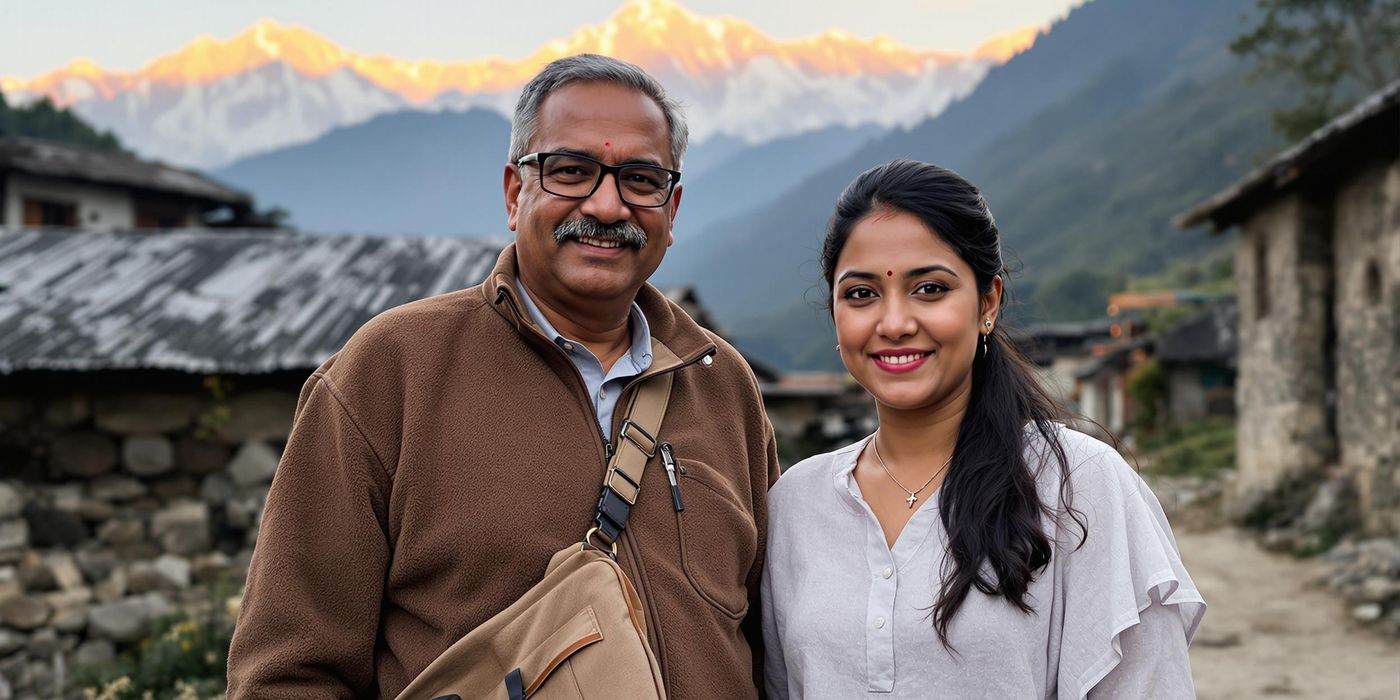
I remember once, Anjali and I were trekking in the Annapurna region. We stumbled upon a small village just as the sun was setting. The light painted the mountains in hues of gold and orange, and the villagers were gathered, sharing stories and laughter. I snapped a photo, and every time I look at it, I'm instantly transported back to that magical evening. It's not just a picture; it's a memory, a feeling, a story.
Essential Gear: What You Really Need (and What You Don't)
Now, let's talk gear. You don't need to break the bank to take great travel photos. The best camera is the one you have with you. Smartphones these days are incredibly capable, and they're perfect for capturing spontaneous moments. However, if you're serious about travel photography, a dedicated camera offers more control and versatility.
I personally use a mirrorless camera because it's lightweight and takes fantastic photos. A good zoom lens is essential for capturing landscapes and wildlife. A wide-angle lens is great for cityscapes and interiors. And don't forget extra batteries and memory cards!
Protecting your equipment is also crucial. A sturdy camera bag and a rain cover are essential, especially if you're traveling to unpredictable climates. I also recommend getting a good camera strap to prevent accidental drops.
The Golden Hour and Beyond: Mastering Natural Light
Ah, the golden hour! Those magical moments just after sunrise and before sunset when the light is soft, warm, and flattering. This is the best time to take photos, as the light adds a beautiful glow to everything. Plan your shoots around these times to capture stunning images.
But what about shooting in challenging lighting conditions? Midday sun can be harsh, creating strong shadows. Try to find shade or use a diffuser to soften the light. Overcast days can be great for portraits, as the light is soft and even. And for dimly lit interiors, try increasing the ISO or using a tripod to avoid blurry photos.
I once took a photo of Anjali in a dimly lit temple in Thailand. I used a slow shutter speed and a high ISO to capture the details, and the result was a beautiful, atmospheric image. The key is to experiment and learn how to work with different lighting conditions.
Engaging with Locals: Capturing Authentic Portraits
One of the most rewarding aspects of travel photography is the opportunity to capture portraits of the people you meet. But it's important to approach people respectfully and ask for permission before taking their photos. A simple smile and a friendly Namaste can go a long way.
I always try to engage with the locals, learn about their lives, and share a bit about myself. This helps to build trust and creates a more authentic connection. Some of my most memorable photos are of people I met along the way, each with their own unique story to tell.
Remember, ethical considerations are paramount. Be mindful of cultural sensitivities and avoid taking photos that could be disrespectful or exploitative. Always treat people with dignity and respect.
Highlighting Culture: Capturing the Spirit of a Place
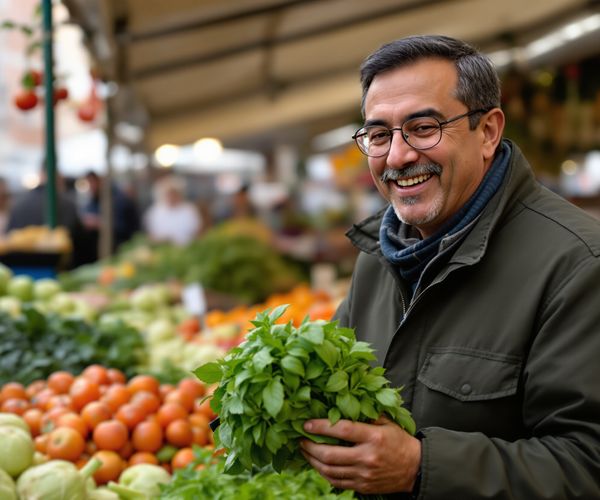
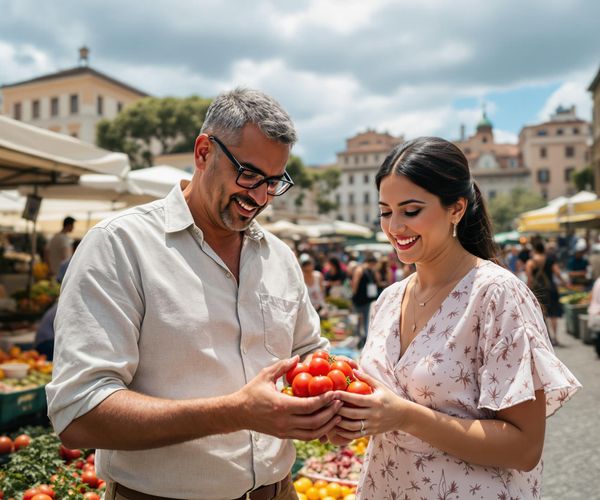
To truly capture the essence of a place, you need to immerse yourself in its culture. Visit local markets, attend festivals, and try the local cuisine. These experiences will give you a deeper understanding of the culture and help you to capture it in your photos.
Look for cultural elements that are unique to the destination, such as traditional architecture, street scenes, and local customs. Pay attention to the details, the colors, the textures, and the patterns. These elements can add depth and meaning to your photos.
Before you travel, do some research about the cultural significance of the places you'll be visiting. This will help you to identify and photograph the most important cultural elements. For example, in Nepal, the prayer flags and stupas are important symbols of Buddhist culture. Understanding their significance will help you to capture them in a meaningful way.
Composition Techniques: Framing Your Story
Composition is the key to creating visually appealing and engaging photos. The rule of thirds is a basic technique that involves dividing your frame into nine equal parts and placing your subject along one of the lines or at one of the intersections. This creates a more balanced and interesting composition.
Leading lines can be used to draw the viewer's eye to the subject. Look for lines in the scene, such as roads, rivers, or fences, and use them to guide the viewer's gaze. Symmetry can also be used to create visually appealing photos. Look for symmetrical elements in the scene, such as buildings or reflections, and use them to create a sense of balance and harmony.
Framing is another important technique. Use elements in the scene, such as trees, arches, or doorways, to frame your subject and draw the viewer's eye to it. Experiment with different compositions to find what works best for you. The key is to be creative and think outside the box.
Post-Processing Essentials: Enhancing Your Images
Post-processing is an essential part of travel photography. It allows you to enhance your images and bring out their full potential. You don't need to be a Photoshop expert to edit your photos. There are many user-friendly photo editing software and apps available, such as Adobe Lightroom, Snapseed, and VSCO.
Essential editing adjustments include exposure, contrast, and color correction. Adjust the exposure to brighten or darken the image. Adjust the contrast to increase the difference between the light and dark areas. And adjust the color to correct any color casts or to enhance the colors in the image.
The key is to be subtle. The goal is to enhance the image, not to distort it. Avoid over-editing your photos, as this can make them look unnatural. A little bit of post-processing can go a long way in improving your travel photos.
Join chef Rama Thapa on a journey to master travel photography, capturing the essence of destinations through storytelling and stunning visuals. Learn essential tips and techniques!