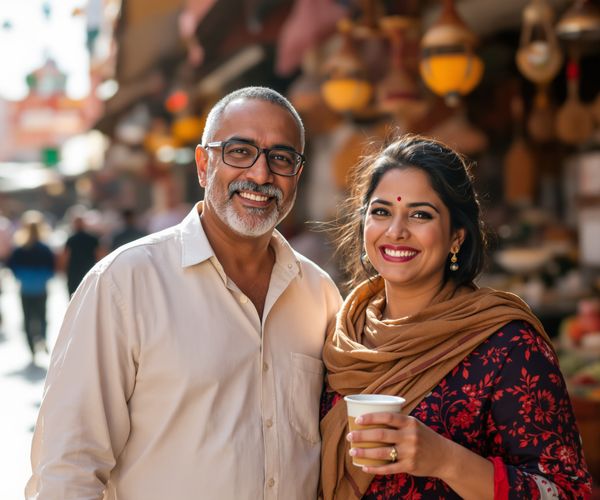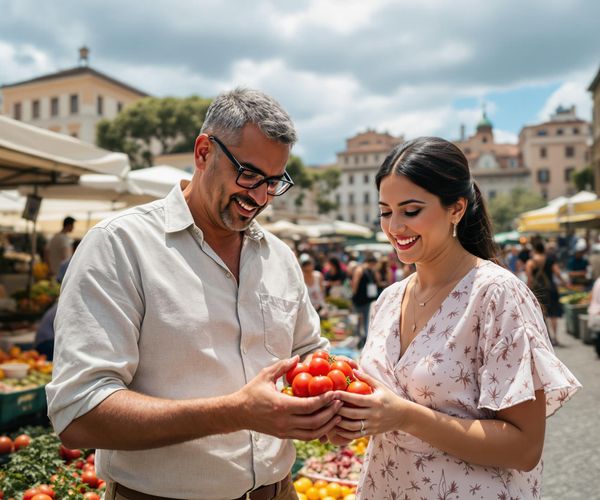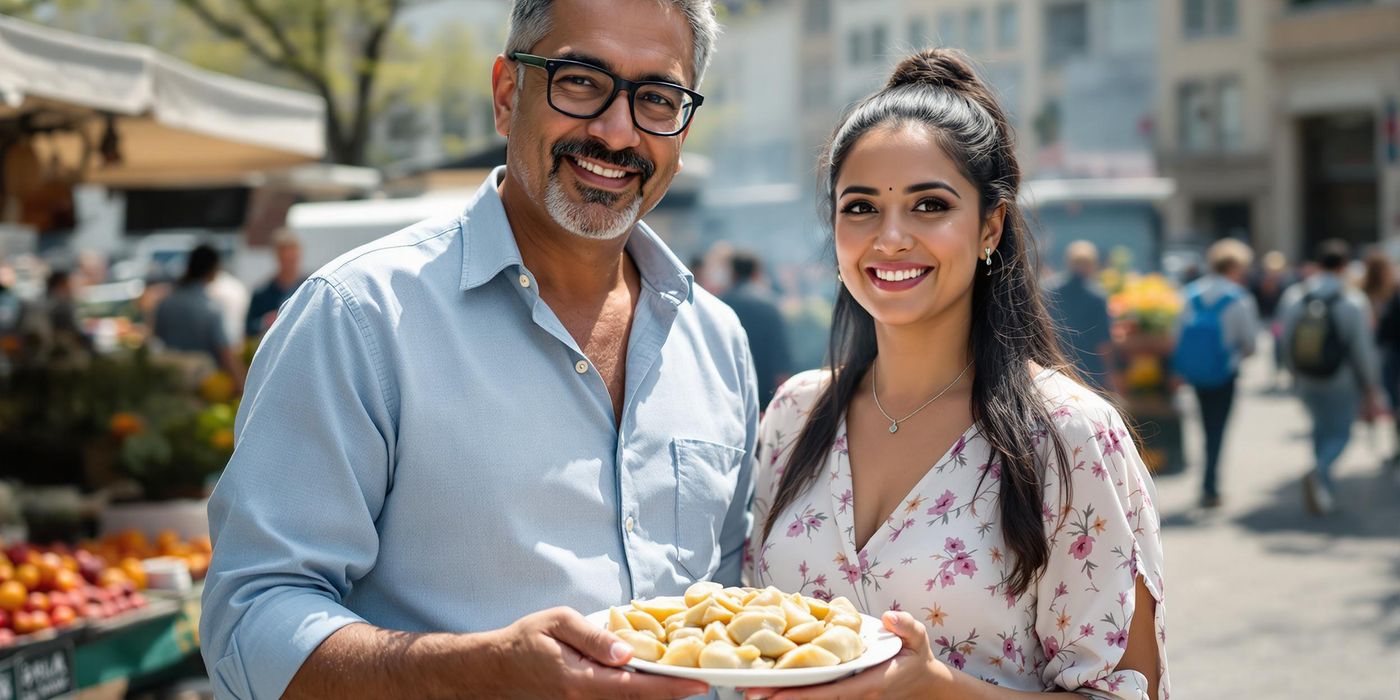
Namaste and Grüezi from Leipzig! I'm Rama Thapa, a Nepali chef living in Germany, and together with my wife, Anjali, we've turned our travels into a delicious adventure. Forget just seeing the sights; we believe in tasting them, smelling them, and even cooking them! Today, I want to share how you can transform your travels into a culinary journey, connecting with cultures one dish at a time.
The Allure of Culinary Travel
Culinary tourism isn't just a trend; it's a portal. It's about more than just ticking off famous restaurants; it's about understanding the soul of a place through its food. Anjali and I have always believed this. Take, for example, our trip to Italy a few years back. Sure, we saw the Colosseum and the Vatican, but the real magic happened in a tiny trattoria in Rome. We learned to make pasta from scratch with a Nonna who spoke no English, yet we understood each other perfectly through the language of flour, eggs, and laughter.
Food tells a story – a country's history, its traditions, its very identity. When you savor a perfectly spiced curry in India, you're tasting centuries of trade routes and cultural exchange. When you bite into a flaky croissant in Paris, you're experiencing the legacy of generations of bakers. Understanding local cuisine offers insights that no guidebook ever could.
Cooking Classes: An Immersive Experience
Want to truly immerse yourself? Ditch the tourist traps and sign up for a cooking class! It's a fantastic way to learn about local ingredients, techniques, and traditions. Plus, you get to eat your homework!
Finding authentic classes is key. Look for family-run establishments or community centers that offer courses focusing on regional dishes. Websites like Cookly or Airbnb Experiences can be great resources, but don't be afraid to ask locals for recommendations. The best classes are often hidden gems, passed down through word of mouth.
I remember taking a class in Thailand where we learned to make green curry from scratch. The instructor, a sweet lady named Somchai, taught us how to balance the flavors of chilies, galangal, lemongrass, and coconut milk. It was a revelation! Not only did I learn a new recipe, but I also gained a deeper appreciation for Thai culture and the importance of fresh, local ingredients.
Cooking classes are also a wonderful way to engage with local communities. You're not just a tourist; you're a participant, sharing in their traditions and learning from their expertise. It's a humbling and enriching experience.
Market Visits: A Feast for the Senses
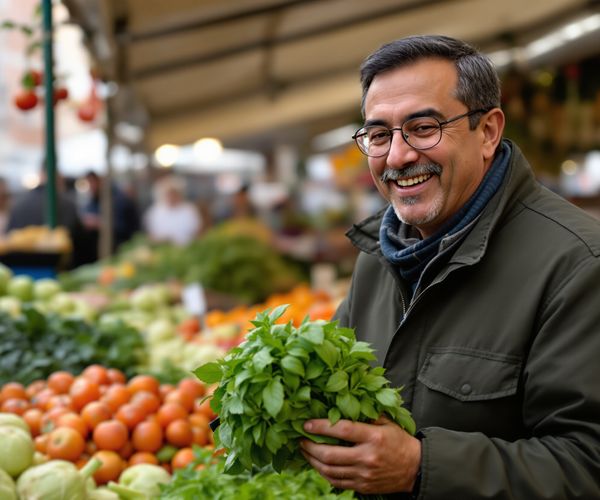
Never underestimate the power of a local market. It's a sensory explosion – a symphony of colors, smells, and sounds that will awaken your inner chef. Markets are the heart and soul of a community, and visiting them is like stepping into a living, breathing cookbook.
Navigating a foreign market can be daunting, but don't be intimidated! Start by observing how locals interact with vendors. A friendly smile and a few basic phrases in the local language can go a long way. Don't be afraid to ask questions about the ingredients – vendors are usually happy to share their knowledge. And, of course, sample everything you can!
The experience of sourcing ingredients in Nepal is vastly different from doing so in Germany. In Nepal, the markets are vibrant and chaotic, filled with exotic fruits, vegetables, and spices I've never seen anywhere else. The air is thick with the scent of incense and the sounds of bartering. In contrast, German markets are more orderly and efficient, with a focus on seasonal produce and local specialties like sausages and cheeses. Both experiences are equally fascinating and offer unique insights into the local culture.
Local markets aren't just places to buy food; they're places to connect with people. I've had countless memorable conversations with vendors, learning about their lives, their families, and their culinary traditions. These interactions are often the highlight of my travels.
Bringing the World to Your Kitchen
The best part about culinary travel is bringing those experiences back home and infusing your own cooking with new flavors and techniques. Don't be afraid to experiment!
Adapting international recipes for the home kitchen is all about understanding the fundamentals. Learn about ingredient substitutions – what can you use instead of galangal if you can't find it? Master basic culinary techniques – how do you properly sauté onions for a flavorful base?
At my restaurant in Leipzig, I love incorporating flavors from my travels into traditional Nepali dishes. For example, I might add a touch of Italian pesto to a lentil soup or use Japanese miso to marinate grilled chicken. It's all about finding creative ways to blend different culinary traditions and create something new and exciting.
I encourage everyone to embrace culinary experimentation. Don't be afraid to try new ingredients, techniques, and flavor combinations. The kitchen is a laboratory, and cooking is an adventure!
Food as a Cultural Bridge
Ultimately, food is a universal language that transcends cultural barriers. Sharing a meal with someone is a powerful way to connect, build relationships, and foster understanding.
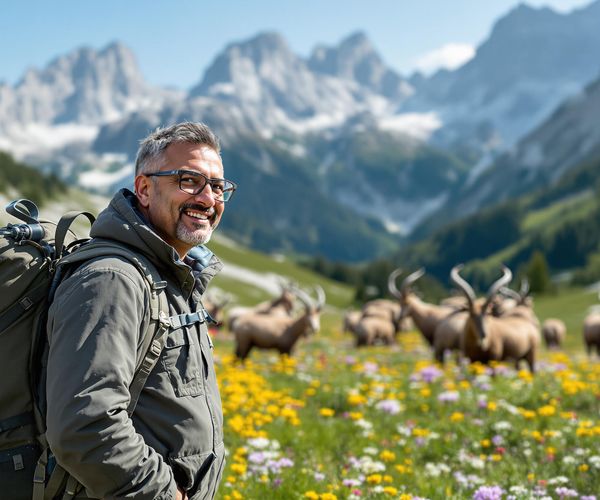
I've had countless experiences where food has helped me connect with people from different backgrounds. I remember once sharing a plate of momos (Nepali dumplings) with a group of German hikers in the Alps. We didn't speak the same language fluently, but we bonded over the delicious food and the shared experience of being in nature.
Food plays a vital role in preserving cultural heritage and traditions. By learning about and sharing traditional recipes, we can help keep these traditions alive for future generations. It's a way of honoring our ancestors and celebrating our cultural identity.
When exploring new cuisines, it's essential to respect local customs and culinary practices. Learn about the proper etiquette for eating certain foods, and be mindful of any dietary restrictions or religious beliefs. Showing respect for local traditions will not only enhance your experience but also help you build stronger relationships with the people you meet.
Join Rama Thapa, a Nepali chef in Germany, as he explores the world through its cuisine. Discover how culinary travel can deepen your understanding of different cultures and traditions.