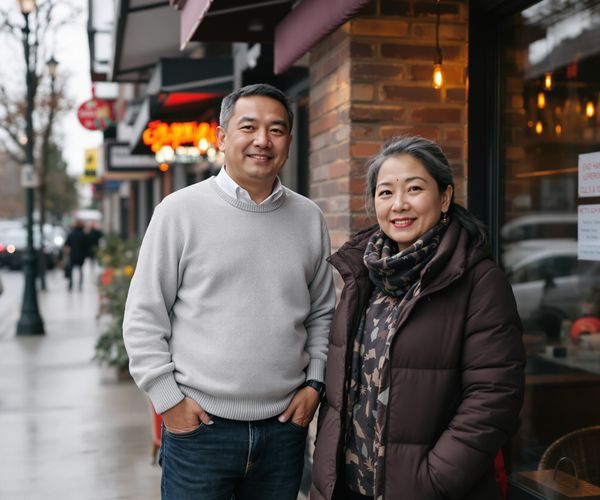

My wife, Nang, and I have always believed that the best way to truly experience a culture is through its food. Forget the usual tourist traps; the real magic happens when you venture off the beaten path and discover those hidden gems where locals gather. It’s about more than just eating; it’s about connecting with the heart and soul of a place.
Beyond the Guidebooks: Embracing Culinary Tourism
Culinary tourism, at its core, is about exploring the culture of a place through its food. It's not just about ticking off famous restaurants from a list but immersing yourself in the local food scene, understanding the ingredients, and appreciating the traditions behind each dish. Nang and I experienced this firsthand during a trip to a small village in Northern Thailand. We stumbled upon a tiny eatery tucked away from the main road, where an elderly woman was preparing khao soi using recipes passed down through generations. The flavors were unlike anything we had ever tasted, and the experience of sharing a meal with the locals was truly unforgettable.
Food is a universal language. It bridges gaps, sparks conversations, and creates lasting memories. When you share a meal with someone, you're sharing a part of their history, their traditions, and their identity.
Unearthing Hidden Gems: Strategies for Finding Local Eateries
The first step in discovering authentic local eateries is to venture beyond the tourist zones. These areas are often filled with restaurants catering to foreign tastes, serving watered-down versions of local dishes at inflated prices. Instead, explore the side streets, the residential neighborhoods, and the areas where locals live and work. Look for places that don't have flashy signs or English menus – these are often the most authentic.
How do you identify an authentic local restaurant? Look for these markers:
- Menus primarily in the local language.
- Reasonable prices, reflecting the local economy.
- A majority of local customers.
Online resources can also be helpful. Local food blogs, regional review sites, and social media groups dedicated to food enthusiasts can provide valuable insights and recommendations. Don't be afraid to ask for recommendations from locals online; you might be surprised by the hidden gems they reveal.
Decoding the Menu: Recognizing Authentic Cuisine
The menu is a window into the restaurant's soul. An authentic menu will often reflect the season, featuring dishes made with locally sourced ingredients that are at their peak flavor. Look for dishes that are specific to the region or that you've never heard of before – these are often the most interesting and authentic.
Avoid menus with pictures or multiple languages, as these are often designed to cater to tourists. A handwritten menu, or one that is only available in the local language, is a good sign that you're in the right place. The absence of a tourist menu is also a positive indicator.
The Power of Observation: Following the Locals
One of the most reliable ways to find authentic restaurants is to simply observe where the locals eat. If a restaurant is busy during local meal times and packed with people speaking the local language, it's a good sign that the food is authentic and delicious. Pay attention to where workday lunch crowds gather and where local vendors and service workers eat – these are often the best and most affordable options.
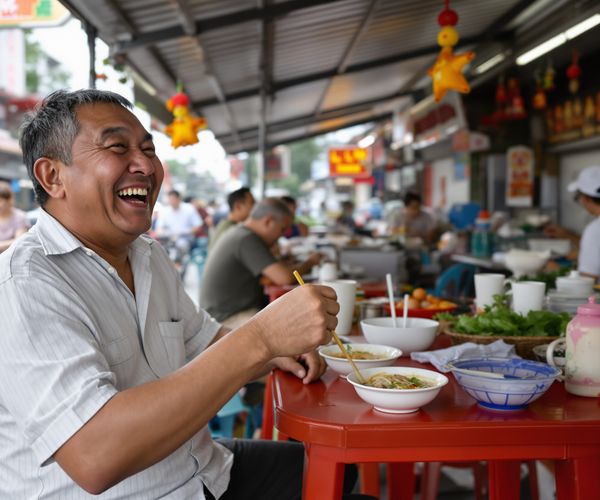
When Nang and I were in Hanoi, Vietnam, we noticed a small pho stall that was always crowded with locals slurping noodles at lunchtime. We decided to try it, and it turned out to be the best pho we had ever tasted. The broth was rich and flavorful, the noodles were perfectly cooked, and the herbs were fresh and fragrant. It was a simple, unassuming place, but the food was extraordinary.
Seeking Recommendations: Tapping into Local Knowledge
Don't be afraid to ask locals for recommendations. Hotel staff, taxi drivers, market vendors, and even people you meet on the street can be valuable sources of information. Frame your questions carefully to get the best recommendations. Instead of asking "Where's a good restaurant?" try asking "Where do you go for a cheap and tasty meal?" or "Where can I find typical local food?"
Connecting with local foodies through social media and online communities can also be helpful. These individuals are often passionate about their local food scene and eager to share their knowledge with others.
Embracing Serendipity: Trusting Your Instincts
Sometimes, the best discoveries are made by simply trusting your instincts. Follow that enticing cooking aroma wafting down a side street, or notice where local vendors grab a quick bite. Be open to trying new things and appreciating your place in the local culture. One of my favorite eateries in Bangkok was discovered simply by wandering and exploring. I followed my nose down a narrow alleyway and stumbled upon a tiny restaurant serving the most incredible green curry I had ever tasted. It wasn't in any guidebook, and I never would have found it if I hadn't been open to serendipity.
Beyond Restaurants: Exploring Alternative Culinary Experiences
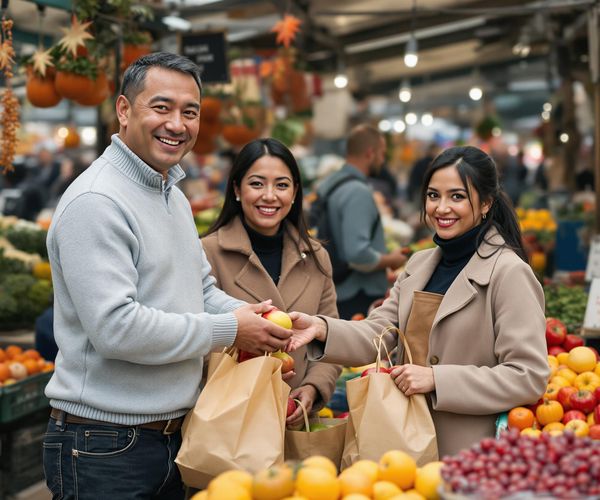
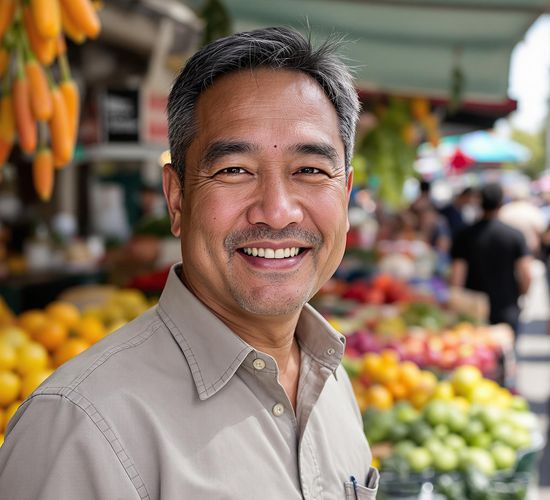
Don't limit yourself to restaurants. Visiting local markets is a great way to discover local produce, ingredients, and flavors. Taking cooking classes can teach you about local ingredients and traditional dishes. Joining food tours can allow you to sample a variety of locally-owned restaurants and learn about the city's culinary history.
Exploring the culinary scene of a new place is about more than just eating; it's about connecting with the people, the culture, and the history of that place. So, venture off the beaten path, trust your instincts, and get ready for a culinary adventure you'll never forget.
Discover authentic local eateries for genuine culinary experiences. Skip tourist traps, find hidden gems, and connect with local culture through food. Tips inside!