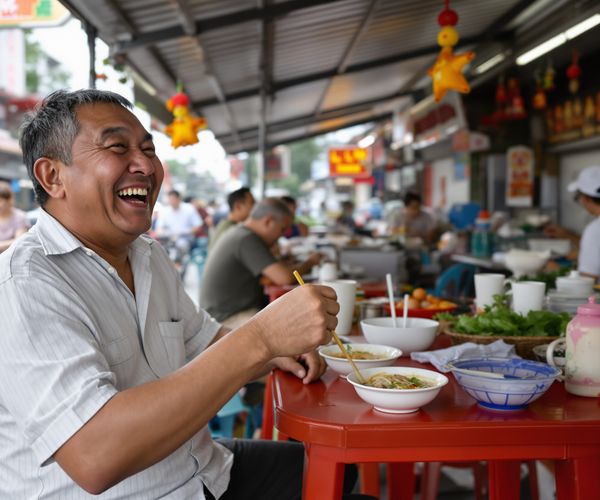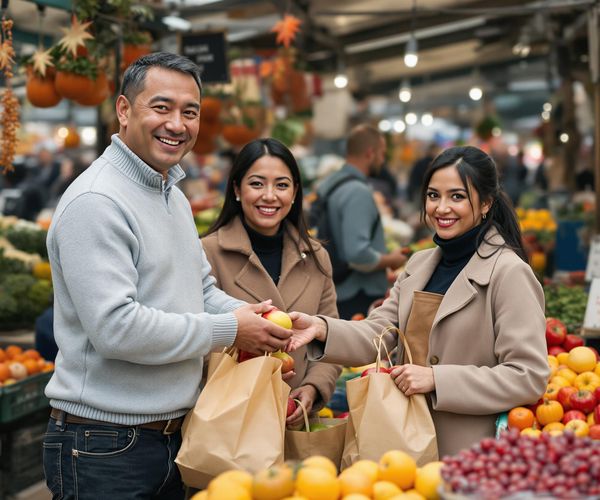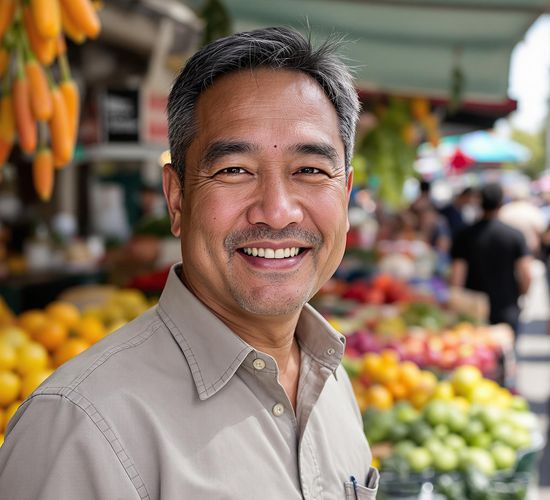

As a Thai immigrant living in Montreal, I've always found a piece of home in the vibrant local markets. They remind me of the bustling marketplaces of my childhood in Lampang. Beyond the fresh produce and unique crafts, these markets offer a genuine connection to the local culture. Let's dive into how you can make the most of your market explorations and find souvenirs that truly tell a story.
The Allure of Local Markets
I remember my first visit to Jean-Talon Market here in Montreal. The explosion of colors from the fruits and vegetables, the lively chatter of vendors, and the aroma of freshly baked bread transported me back to Thailand. It was a far cry from the sterile environment of a typical souvenir shop.
Local markets are more than just places to buy things; they're living, breathing reflections of a community's soul. You get a sense of the local history, the traditions, and the everyday lives of the people who call this place home. The sights, sounds, and smells create a sensory tapestry that you simply can't find anywhere else.
What to Look For: Identifying Authentic Souvenirs
When hunting for souvenirs, focus on items that are locally made. Look for handicrafts, artisanal products, and anything that reflects the unique character of the region. These aren't just objects; they're tangible expressions of a place's heritage and identity.
Take your time to examine the craftsmanship. Look for unique imperfections that tell a story. Avoid the mass-produced trinkets and tourist traps. By supporting local artisans, you're not only getting a more authentic souvenir, but you're also contributing to the local economy.
Engaging with Vendors: Building Connections and Learning Stories
Don't be shy! Talk to the vendors. Ask them about their craft, the materials they use, and the techniques they employ. You'll be surprised at the stories you uncover. Learning about the origins of an item adds a personal dimension to your souvenir.
These interactions transform a simple purchase into a meaningful exchange. And when you share these stories with others back home, your souvenir becomes a conversation starter, a bridge to another culture.
Types of Markets to Explore
The world is full of fascinating markets, each with its own unique character. You have your classic farmers' markets, overflowing with fresh produce. Then there are the flea markets, treasure troves of vintage finds. Night markets come alive after dark, offering street food and entertainment. And don't forget the floating markets, where vendors sell their wares from boats.
Think of the Grand Bazaar in Istanbul, a sprawling labyrinth of spices, textiles, and ceramics. Or the Tsukiji Fish Market in Tokyo, a bustling auction where the freshest seafood changes hands. And who could forget Chandi Chowk in Delhi, a sensory overload of sights, sounds, and flavors.
Here in Montreal, we're lucky to have the Jean-Talon Market, one of the largest farmers' markets in North America. It's a great place to find local produce, cheeses, and maple syrup. The Atwater Market is another gem, with its iconic art deco building and diverse selection of vendors.
Bargaining Tips: A Friendly Approach
Bargaining can be part of the fun, but it's important to approach it with respect. Be polite, friendly, and try to build a rapport with the vendor. Start with a reasonable offer and be prepared to walk away if you can't reach an agreement.
Remember, these are small businesses, so know when to stop haggling and support their livelihoods. Cash is usually king in these situations, so come prepared.
Market Etiquette: Respecting Local Customs
When visiting a local market, it's important to be mindful of local customs. Be aware of your personal space and avoid blocking booths. Handle products with care and always ask for permission before taking photos.
If samples are offered, try them and engage with the farmers. Support sustainable practices by bringing your own reusable bags. And most importantly, be aware of others around you and try not to get in their way.
Souvenirs as Cultural Touchstones
In the end, souvenirs are more than just objects; they're tangible reminders of our journeys and experiences. They connect us to the places we've visited and the people we've met. They preserve traditions and promote cultural understanding.
Every time I look at the small wooden carving I bought in a market in Northern Thailand, I'm transported back to that moment. I remember the friendly vendor, the warm sunshine, and the sense of wonder I felt exploring a new place. That's the true value of a souvenir: its ability to evoke memories and keep the spirit of travel alive.
Discover how to find authentic souvenirs at local markets, connect with artisans, and respectfully engage with local culture for a richer travel experience.