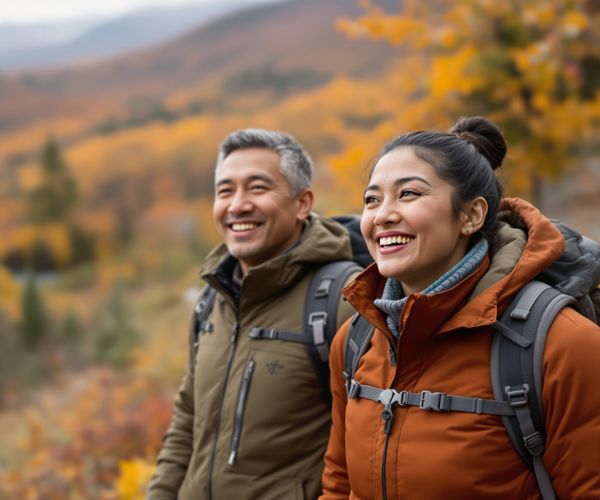
As a Thai immigrant living in Montreal, I've learned that the call of the outdoors is universal. Whether it’s the bustling markets of Bangkok or the serene trails of the Laurentian Mountains, preparation is key to a fulfilling experience. Over the years, I've blended my cultural perspectives with practical knowledge to ensure safe and enjoyable hikes. Let's explore the essentials for your next outdoor adventure, infused with a bit of Thai wisdom and Montreal practicality.
Planning Your Hike: A Thai Restaurateur's Perspective
In Thailand, meticulous planning is crucial before embarking on any journey, be it a trip to a floating market or a trek through the jungle. This principle holds true for hiking as well. Before you even lace up your boots, research is paramount.
- Importance of researching the trail: difficulty, terrain, and potential hazards. Consider the trail's elevation gain, the type of terrain (rocky, muddy, or smooth), and any potential hazards such as steep drop-offs or river crossings. Some trails are more demanding than others.
- Checking weather forecasts and understanding how weather can change rapidly, especially at higher elevations. In Montreal, a sunny morning can quickly turn into a rainy afternoon, especially in the mountains. Understanding these patterns is critical.
- Informing someone of your hiking plans: route, expected return time, and emergency contacts. Always let someone know where you're going and when you expect to be back. This simple step can be a lifesaver if something goes wrong.
- Considering the impact on vulnerable areas and wildlife during specific seasons. During mating season, certain areas may be more sensitive. Understanding these nuances helps protect the environment and its inhabitants.
Essential Gear: More Than Just a Daypack
Having the right gear can make or break your hiking experience. It's not just about having a backpack; it's about having the right backpack, the right boots, and the right tools.
- Choosing the right backpack (20-35L) with adaptive load distribution. A well-fitted backpack can make a world of difference. Look for one with adjustable straps and a hip belt to distribute the weight evenly.
- Importance of broken-in hiking boots or shoes with ankle support and high-quality grip. Blisters and sore feet can ruin a hike. Invest in quality hiking boots or shoes and break them in before hitting the trail.
- Navigation tools: GPS device with offline maps, compass, and physical map as backups. Technology can fail, so it's always wise to have a compass and a physical map as backups. Learn how to use them!
- Water and hydration: carrying enough water (1 liter per 2 hours), water filtration systems, and purification tablets. Staying hydrated is crucial, especially on longer hikes. Carry enough water, and consider bringing a water filter or purification tablets in case you need to refill from a natural source.
- Layered clothing system: moisture-wicking layers, insulation, and a waterproof shell. The weather can change quickly, so dress in layers. Moisture-wicking fabrics will keep you dry, insulation will keep you warm, and a waterproof shell will protect you from rain and wind.
- First-aid kit: essentials for treating blisters, cuts, sprains, and other common hiking injuries. A well-stocked first-aid kit is essential for dealing with minor injuries. Make sure you know how to use everything in the kit.
- Emergency power source: charged phone and power bank. While it's nice to disconnect, a charged phone can be a lifeline in an emergency. Bring a power bank to keep your phone charged.
- Other essentials: headlamp, sun protection (hat, sunglasses, sunscreen), insect repellent. Don't forget the small but important items like a headlamp (in case you get caught out after dark), sun protection, and insect repellent.
Safety First: Lessons from Montreal's Trails
Safety is paramount on any hike. Here in Montreal, the trails offer beauty, but also require respect and caution.
- Staying on marked trails and avoiding shortcuts to prevent erosion and getting lost. Shortcuts can be tempting, but they can also lead to erosion and getting lost. Stick to the marked trails.
- Being aware of wildlife: maintaining distance, avoiding feeding, and reporting encounters. Respect wildlife by maintaining a safe distance and never feeding them. Report any encounters to the authorities.
- Practicing fire safety: using camp stoves instead of campfires and knowing how to properly extinguish fires. Campfires can be dangerous and damaging to the environment. Use a camp stove instead, and if you must have a campfire, know how to properly extinguish it.
- Dealing with ticks: precautions, checking for ticks, and proper removal. Ticks are common in many areas, so take precautions like wearing long sleeves and pants, using insect repellent, and checking for ticks after your hike.
- What to do if you get lost: staying calm, staying put, and using a whistle to signal for help. Getting lost can be scary, but staying calm is crucial. Stay put, and use a whistle to signal for help.
Respecting Nature: Leave No Trace Principles, a Thai Perspective
In Thailand, we have a deep respect for nature. This respect extends to the trails we hike. The principles of Leave No Trace are essential for preserving the natural environment.
- Packing out all trash, food scraps, and even biodegradable waste. Pack out everything you pack in, including food scraps and biodegradable waste. Even biodegradable waste can take a long time to decompose and can attract animals.
- Minimizing campfire impact and using camp stoves. As mentioned earlier, campfires can be damaging to the environment. Use a camp stove instead.
- Staying on durable surfaces and avoiding damage to vegetation. Stick to the trails and avoid trampling vegetation. This helps protect the environment and prevent erosion.
- Being considerate of other visitors: keeping noise levels low and yielding the trail. Be respectful of other hikers by keeping noise levels low and yielding the trail to uphill hikers.
- Respecting wildlife and their habitat. Observe wildlife from a distance and avoid disturbing their habitat.
- Leaving what you find: avoiding taking souvenirs and preserving the natural environment. Leave everything as you found it, including rocks, plants, and artifacts. These belong to the natural environment and should be left for others to enjoy.
A comprehensive guide on hiking essentials, blending Thai wisdom and Montreal practicality for safe and enjoyable outdoor adventures. Learn about gear, safety, and respecting nature.