Beyond the Tourist Traps: Discovering Authentic Local Eateries
Let's be honest, nobody wants to pay inflated prices for mediocre food just because it's conveniently located near a famous landmark. The real culinary treasures are often hidden away, waiting to be discovered. So, how do you find these gems?
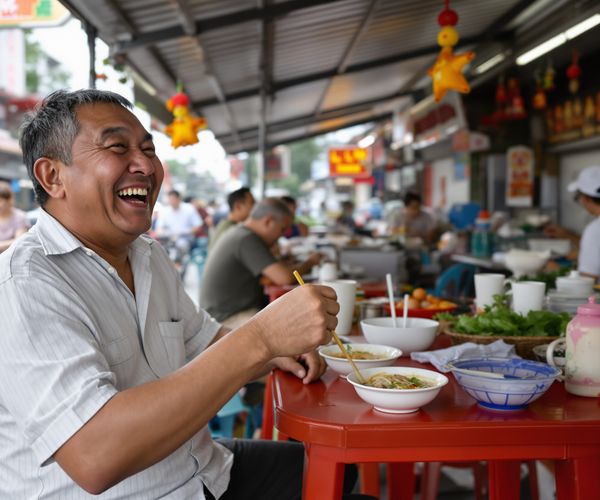
First, ditch the guidebooks (at least for restaurant recommendations). Instead, start paying attention to where the locals are eating. Are there long queues outside a particular restaurant, even during off-peak hours? That's a good sign! Look for places that are bustling with families, students, and workers – these are the people who know where to find the best bang for their buck.
Online resources can be your best friend. Local social media groups and forums are goldmines for insider tips. Search for phrases like best cheap eats in [city name] or local food recommendations [city name]. You'll often find passionate foodies sharing their favorite spots and hidden culinary gems.
Don't be afraid to venture off the beaten path. The most authentic food experiences often lie in less-known neighborhoods, away from the tourist crowds. Take a stroll through residential areas, explore side streets, and keep an eye out for small, unassuming restaurants and food stalls. These are the places where you're most likely to find truly authentic cuisine.
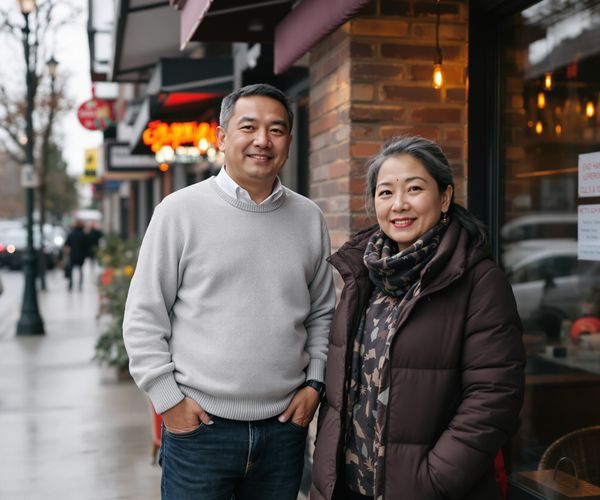
Speaking of hidden gems, let me share a little secret from my adopted city, Montreal. In the heart of Chinatown, tucked away on a quiet side street, there's a tiny Banh Mi shop run by a Vietnamese family. The sandwiches are incredible – the bread is perfectly crispy, the fillings are fresh and flavorful, and the price is unbeatable. Seriously, it rivals anything I've had in Vietnam! It's the kind of place you'd easily miss if you weren't looking for it, but once you find it, you'll be hooked.
Decoding the Menu: Understanding Local Ingredients and Dishes
So, you've found a promising local eatery. Now comes the challenge of deciphering the menu. Often, menus are only written in the local language, and even if they're translated, the descriptions can be vague or confusing. Don't worry, with a few simple tricks, you'll be ordering like a pro in no time.
Translation apps are your new best friend. Download a reliable translation app on your phone and use it to translate unfamiliar menu items. Google Translate is a great option, as it allows you to translate text from images, which is perfect for deciphering handwritten menus or signs.
Phrasebooks can also be incredibly helpful. Learn a few basic phrases in the local language, such as What is this dish? or What are the ingredients? Restaurant staff are usually happy to help you understand the menu and recommend their favorite dishes.
Before your trip, do some research on regional specialties and must-try foods. Knowing a little bit about the local cuisine will make it easier to navigate the menu and choose dishes that you'll enjoy. Websites like TasteAtlas can be great for this type of research.
I remember when Nang and I traveled to Northern Thailand. We were fascinated by the unique spices and herbs used in the local cuisine. We spent hours wandering through the markets, asking vendors about different ingredients and learning about their uses. We even took a cooking class to learn how to make some of our favorite dishes. It was an incredible experience that deepened our appreciation for Thai food.
Dining Etiquette: Navigating Cultural Customs at the Table
Eating like a local isn't just about the food itself; it's also about understanding and respecting local dining customs and etiquette. Different cultures have different ways of doing things at the table, and it's important to be aware of these differences to avoid causing offense.
For example, in some Asian countries, it's customary to use chopsticks to eat rice and noodles. If you're not familiar with chopsticks, ask for a fork – most restaurants will be happy to provide one. When eating with chopsticks, avoid sticking them upright in your bowl of rice, as this resembles a funeral offering and is considered bad luck.
In many cultures, it's common to order food in shared plates, allowing everyone at the table to sample a variety of dishes. When eating from a shared plate, use your own chopsticks or spoon to take food, and avoid double-dipping.
Tipping practices also vary widely around the world. In some countries, tipping is expected, while in others, it's not customary or even considered rude. Do some research before your trip to understand the local tipping etiquette.
I once made a rather embarrassing faux pas during a traditional Thai meal. I was so eager to try everything that I started piling food onto my plate. My host gently explained that it's considered impolite to take more food than you can eat, as it implies that you're greedy. I learned my lesson that day – it's always better to take small portions and go back for seconds if you're still hungry.
Market Adventures: Exploring Local Markets for Culinary Treasures
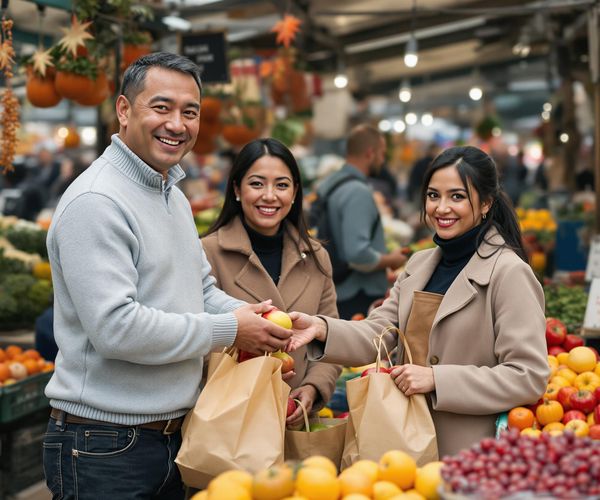
No culinary adventure is complete without a visit to the local market. Markets are a feast for the senses, offering a glimpse into the local culture and cuisine. You'll find fresh ingredients, unique snacks, and a vibrant atmosphere that you won't find anywhere else.
When visiting a market, be prepared to bargain respectfully. Bargaining is a common practice in many cultures, but it's important to do it with a smile and a sense of humor. Start by offering a lower price than you're willing to pay, and then negotiate until you reach a price that you're both happy with.
Don't be afraid to try new foods at market stalls. Many vendors offer samples of their products, so you can taste before you buy. This is a great way to discover new flavors and find unique snacks that you won't find anywhere else.
When shopping at local markets, try to identify high-quality local products and support local farmers and artisans. Look for products that are made with fresh, local ingredients, and avoid buying mass-produced items that are imported from other countries.
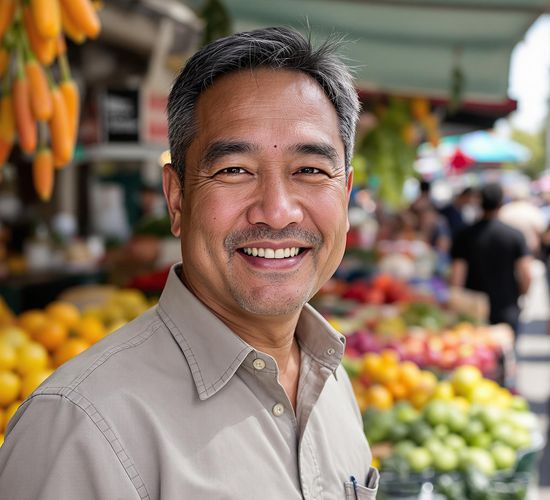
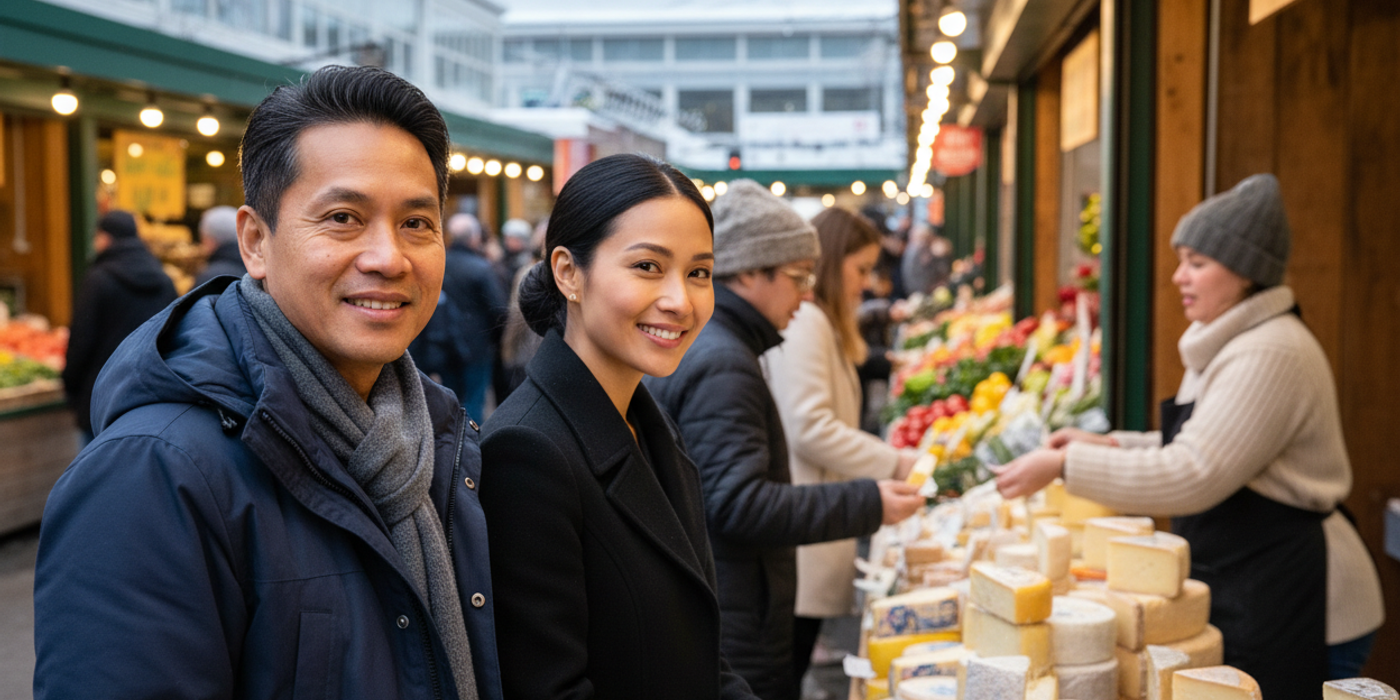
One of my favorite memories is exploring the Jean-Talon Market in Montreal. It's one of the largest farmers' markets in North America, and it's a treasure trove of local Quebecois cheeses, fresh produce, and artisanal products. I love wandering through the stalls, chatting with the vendors, and discovering new culinary delights.
Cooking Classes: Immersing Yourself in Local Culinary Traditions
For the ultimate culinary immersion, consider taking a local cooking class. Cooking classes offer a hands-on experience that allows you to learn about regional cuisine and cooking techniques from local chefs.
When choosing a cooking class, look for reputable schools that offer authentic experiences and support local chefs. Read reviews online and ask for recommendations from other travelers.
During a cooking class, you'll typically learn how to prepare several traditional dishes, using fresh, local ingredients. You'll also learn about the history and culture behind the cuisine, and you'll have the opportunity to ask questions and interact with the chef.
I'll never forget the time I took a Thai cooking class and learned how to make Pad See Ew from scratch. It was amazing to learn the secrets behind this classic dish, and I was so proud of myself when I finally tasted the finished product. It was even more rewarding than eating in a restaurant!
Cooking classes are also a great way to make personal connections and experience cultural exchange. You'll meet other food lovers from around the world, and you'll have the opportunity to share your own culinary experiences and traditions. It's a truly enriching experience that will stay with you long after you've left the kitchen.
Discover how to eat like a local on your travels with Somchai's tips for finding authentic eateries, decoding menus, respecting dining etiquette, and exploring markets.