As a Thai native living in Montreal, I've always believed that food is more than just sustenance; it's a passport to understanding different cultures. Culinary travel, for me, is about immersing yourself in the flavors, aromas, and traditions of a place, connecting with its people, and creating memories that last a lifetime. It's about discovering the soul of a culture, one delicious bite at a time.
The Essence of Culinary Travel
Culinary travel is booming in 2025, and it's easy to see why. It's not just about eating; it's about experiencing. It's about understanding the history, the geography, and the social dynamics that shape a cuisine. Food is a universal language, and sharing a meal is a powerful way to connect with people from different backgrounds.
Think about Thai cuisine, for example. Each dish tells a story of our history, our beliefs, and our way of life. The use of fresh herbs and spices reflects our deep connection to the land, while the balance of sweet, sour, salty, and spicy flavors mirrors our philosophy of harmony. Comparing this to Montreal's vibrant food scene, where you can find everything from classic poutine to innovative fusion dishes, highlights how diverse culinary traditions can coexist and enrich a city's culture. The blend of French, English, and various immigrant influences creates a unique culinary landscape that reflects Montreal's own story.
Finding Authentic Dining Experiences
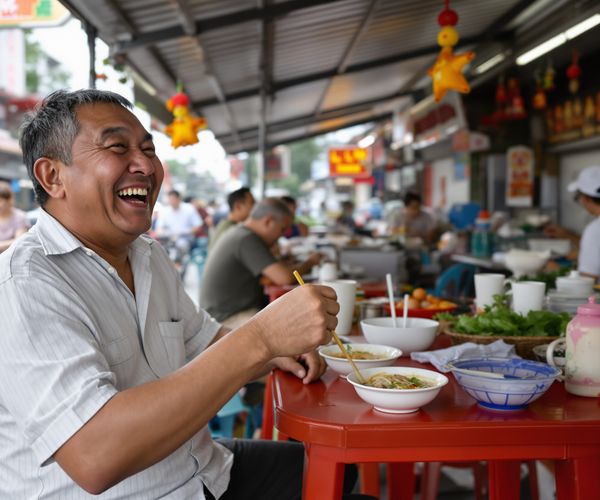
The key to a great culinary travel experience is finding authentic dining experiences. Don't just rely on guidebooks and tourist traps. Do your research! Before you even book your flight, start exploring local restaurants, food stalls, and markets online.
Online reviews and social media can be your best friends. Look for hidden gems that are popular with locals. Venture beyond the tourist hotspots and explore the backstreets and neighborhoods where people actually live. Ask your hotel staff, taxi drivers, or even people you meet on the street for recommendations. You'd be surprised how willing people are to share their favorite places to eat.
It's also important to be a sustainable food tourist. Choose restaurants that use locally sourced ingredients and support local farmers and producers. This not only ensures that you're getting the freshest, most authentic flavors, but also that you're contributing to the local economy and preserving culinary traditions.
Engaging with Local Chefs and Food Artisans
One of the most rewarding aspects of culinary travel is the opportunity to engage with local chefs and food artisans. These are the people who are passionate about their craft, who have dedicated their lives to preserving and promoting their culinary heritage.
Don't be afraid to strike up a conversation with them. Ask them about their culinary philosophies, their favorite ingredients, and their cooking techniques. Most chefs are happy to share their knowledge and passion with curious travelers. Be respectful, be appreciative, and show a genuine interest in what they do.
I've had the privilege of learning from some amazing Thai chefs during my travels. They've taught me about the importance of using fresh, seasonal ingredients, the art of balancing flavors, and the power of food to bring people together. I've incorporated these lessons into my own cooking, and they've enriched my understanding of Thai cuisine and culture.
When visiting rural areas, take the time to learn from village elders. They often hold the key to traditional recipes and cooking methods that have been passed down through generations. Supporting these communities helps preserve their cultural heritage and ensures that these traditions continue to thrive.
Immersing Yourself in Cooking Classes
If you really want to understand a cuisine, there's no better way than to immerse yourself in a cooking class. Hands-on cooking classes allow you to learn about the ingredients, techniques, and traditions that make a cuisine unique. You'll gain a deeper appreciation for the nuances of the flavors and the effort that goes into creating a delicious meal.
Look for reputable cooking schools or workshops that focus on traditional dishes. Read reviews, check the credentials of the instructors, and make sure the class is geared towards your skill level. During my travels, I've taken cooking classes in Thailand, Italy, and Mexico. Each class has taught me something new and expanded my culinary horizons.
In Thailand, I learned how to make the perfect green curry paste from scratch. In Italy, I mastered the art of making fresh pasta. And in Mexico, I discovered the secrets of authentic mole sauce. These experiences have not only improved my cooking skills but have also given me a deeper understanding of the cultures I've visited.
Depending on where you travel, consider learning how to make sushi in Japan, tagine in Morocco, or empanadas in Argentina. The possibilities are endless!
Exploring Food Markets and Local Produce
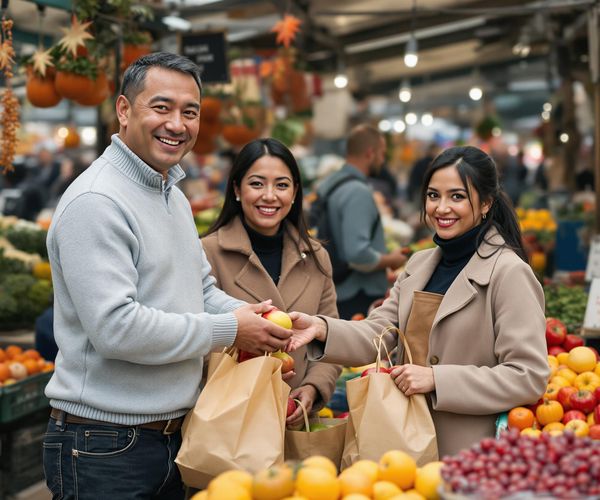
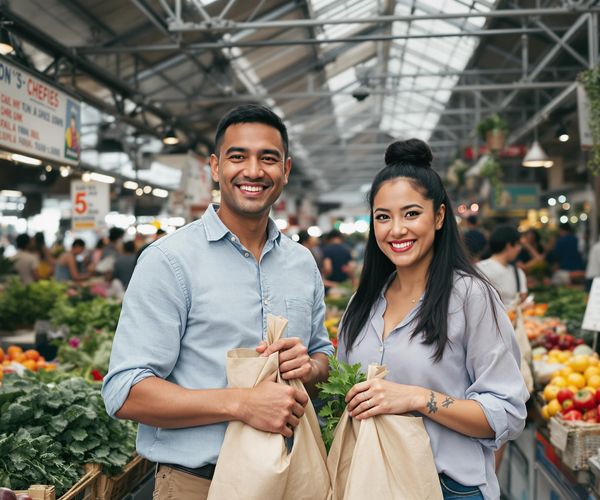
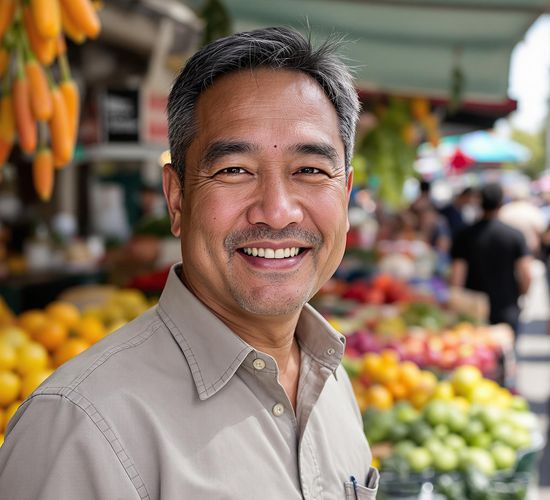
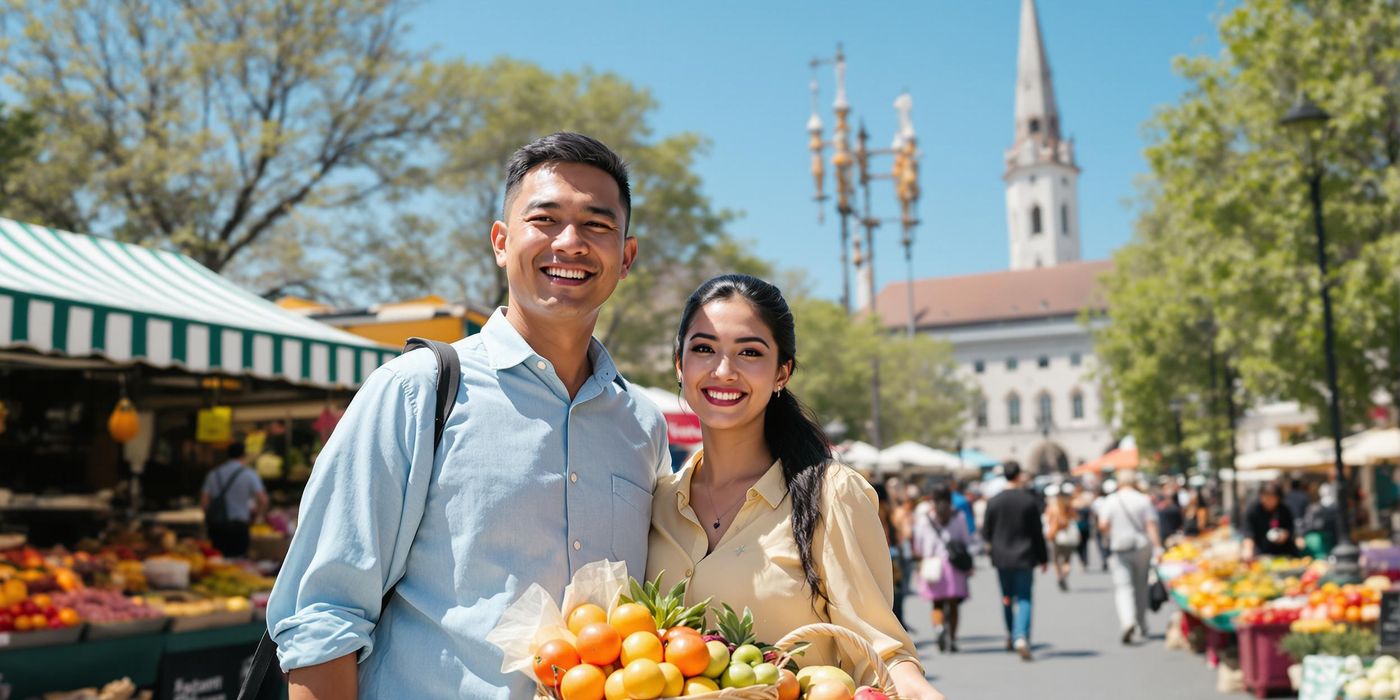
No culinary travel experience is complete without exploring local food markets. Markets are a feast for the senses, a vibrant tapestry of colors, smells, and sounds. They're also a great place to discover unique ingredients and regional specialties.
When navigating local markets, be respectful of the vendors. Bargain politely, if it's customary, but don't try to haggle them down to an unreasonable price. Interact with them, ask them about their products, and show a genuine interest in their stories.
Don't be afraid to try new and unfamiliar foods. Step outside your comfort zone and expand your culinary horizons. You might discover your new favorite dish! Some of my most memorable experiences have been at food markets around the world. From the bustling Viktualienmarkt in Munich, Germany, with its endless array of sausages and cheeses, to the chaotic Dong Xuan Market in Hanoi, Vietnam, with its exotic fruits and spices, each market has offered a unique glimpse into the local culture.
Exploring these markets has not only enhanced my understanding of local cultures but has also made me appreciate the diversity and richness of the world's culinary traditions.
Embark on a culinary journey! Discover tips for authentic food experiences, engaging with local chefs, and exploring vibrant food markets to truly understand a culture.