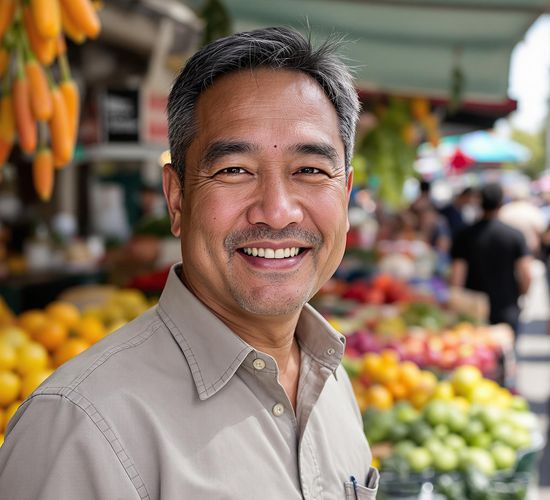
Hello, fellow wanderers! Somchai here, ready to share my passion for travel and photography. I've always believed that capturing the essence of a place doesn't require a fortune. With a few clever tricks and an open mind, you can create stunning visual memories without emptying your wallet.
Introduction: The Allure of Travel Photography
Travel photography is more than just taking pretty pictures; it's about preserving moments, telling stories, and reliving experiences long after you've returned home. A single photograph can transport you back to a bustling market in Marrakech, a serene sunset in Santorini, or a hidden temple in Thailand. And the best part? You don't need to spend a fortune on equipment to capture these memories.
I remember once, while traveling through Vietnam, I stumbled upon a small village nestled in the rice paddies. I had only my smartphone with me, but I managed to capture a photo of an elderly woman weaving silk with such incredible detail and emotion that it remains one of my most cherished travel memories. It taught me that the story behind the photo is far more important than the gear you use.
Essential Gear on a Shoestring Budget
These days, smartphones are incredibly capable cameras. Don't underestimate the power of your pocket companion! Many smartphones boast impressive features like high-resolution sensors, wide-angle lenses, and advanced image stabilization. Play around with the settings and discover what your phone can do.
If you're looking for something more dedicated, consider an entry-level DSLR or mirrorless camera. Brands like Canon, Nikon, and Sony offer excellent options for beginners that won't break the bank. Look for used models to save even more money. A decent zoom lens can also be found at reasonable prices, allowing you to capture both wide landscapes and detailed close-ups.
Don't forget the accessories! A sturdy, lightweight tripod is essential for sharp photos in low light or when shooting landscapes. A polarizing filter can reduce glare and enhance colors, especially in bright sunlight. And, of course, invest in a good camera bag to protect your precious gear from the elements.
Composition Techniques for Stunning Shots
Composition is key to creating visually appealing photos. One of the most fundamental techniques is the rule of thirds. Imagine dividing your frame into nine equal parts with two horizontal and two vertical lines. Place your subject at one of the intersections or along one of the lines to create a more balanced and engaging composition.
Leading lines can also be a powerful tool. Use roads, rivers, or even fences to draw the viewer's eye into the photo and create a sense of depth. Look for symmetry and patterns in your surroundings and use them to create visually striking images. And don't be afraid to experiment with different angles and perspectives. Get down low, climb up high, and see the world from a new point of view.
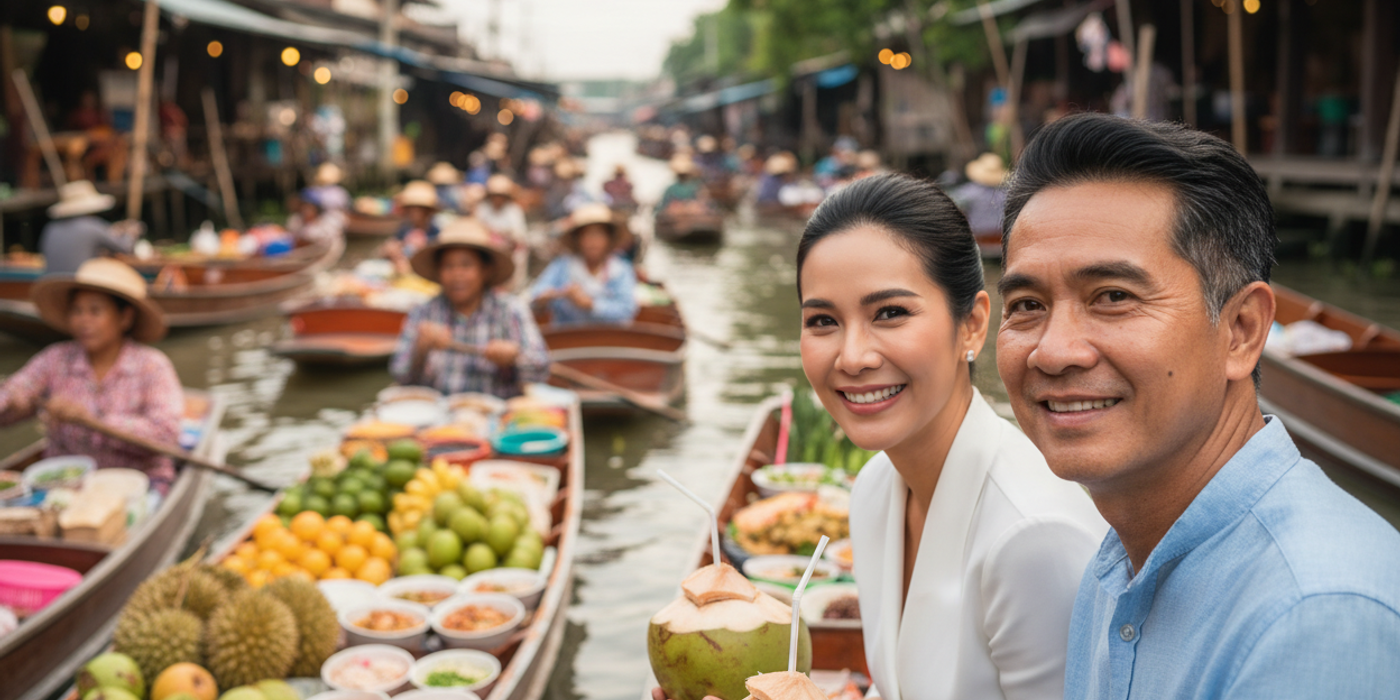
For example, in {image1} I used the rule of thirds to frame the floating market, creating a balanced composition that highlights the vibrant colors and bustling activity. In {image2}, the leading lines of the ancient ruins draw the viewer's eye towards the horizon, creating a sense of depth and perspective.
Mastering Natural Light: The Photographer's Best Friend
Light is the most important element in photography. The golden hour, the period shortly after sunrise and before sunset, is a photographer's best friend. During this time, the light is soft, warm, and flattering, creating a magical atmosphere.
But what about shooting in different lighting conditions? On bright, sunny days, look for open shade to avoid harsh shadows. On overcast days, embrace the soft, diffused light, which is perfect for portraits and landscapes. And don't be afraid to use shadows and highlights to create dramatic effects.
In {image3}, the golden hour light bathes the landscape in a warm, golden glow, creating a sense of tranquility and serenity. In {image4}, the shadows and highlights add depth and dimension to the street scene, creating a sense of mystery and intrigue.
Capturing Authentic Moments: People and Culture
Photographing people is a wonderful way to capture the essence of a place and its culture. However, it's essential to approach this with sensitivity and respect. Always ask for permission before taking someone's photo, and be mindful of local customs and traditions.
Instead of staged portraits, try to capture candid moments and street scenes that reflect the local culture. Visit local markets, attend cultural festivals, and observe everyday life. These are the moments that truly capture the spirit of a place.
I remember once, while visiting a remote village in Thailand, I spent an afternoon chatting with a local artisan. I asked if I could take her photo while she was working, and she happily agreed. The resulting photo, {image5}, captures not just her image but also her spirit, her passion, and her connection to her craft.
Exploring local markets and cultural festivals provides endless opportunities for capturing authentic moments. The vibrant colors, exotic aromas, and bustling activity create a feast for the senses and a photographer's dream.
Post-Processing on a Budget: Free and Affordable Editing Tools
Post-processing is an essential part of the photography workflow. But you don't need to spend a fortune on expensive software. There are plenty of free and affordable editing tools available for both smartphones and desktops.
For smartphones, Snapseed and VSCO are excellent options. Both offer a wide range of editing tools and filters that can help you enhance your photos. For desktops, GIMP and Pixlr are powerful alternatives to Photoshop that won't cost you a penny.
When editing your photos, focus on basic adjustments like exposure, contrast, and color balance. The goal is to enhance, not distort, the original photo. A little bit of tweaking can go a long way in bringing out the best in your images.
Storytelling Through Photography: Creating a Visual Narrative
Ultimately, travel photography is about storytelling. Think about the story you want to tell with your photos. What message do you want to convey? What emotions do you want to evoke?
Create a series of photos that capture the essence of a place or experience. Use different perspectives, compositions, and lighting conditions to create a visual narrative. And don't forget to write captions that add context and meaning to your photos.
For example, my photo story from a recent trip to Japan, {image6}, captures the beauty, culture, and traditions of this fascinating country. Each photo tells a part of the story, and together they create a complete and immersive experience.
For me, photography enhances cultural immersion by encouraging me to slow down, observe my surroundings, and connect with the people and places I visit. It allows me to see the world in a new light and to appreciate the beauty and diversity of our planet.
Learn how to take stunning travel photos without breaking the bank, using Somchai's photography tips and tricks.