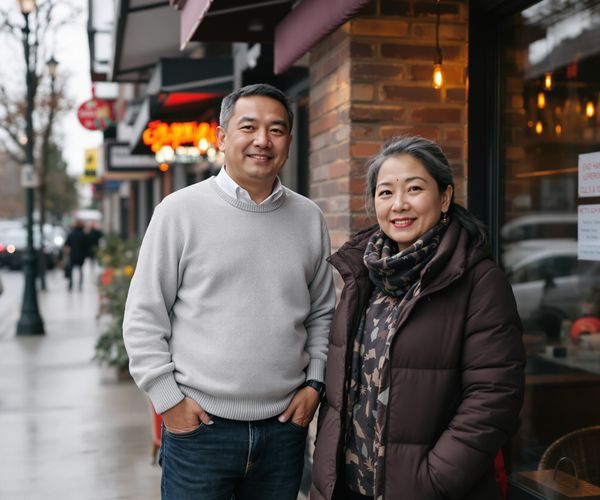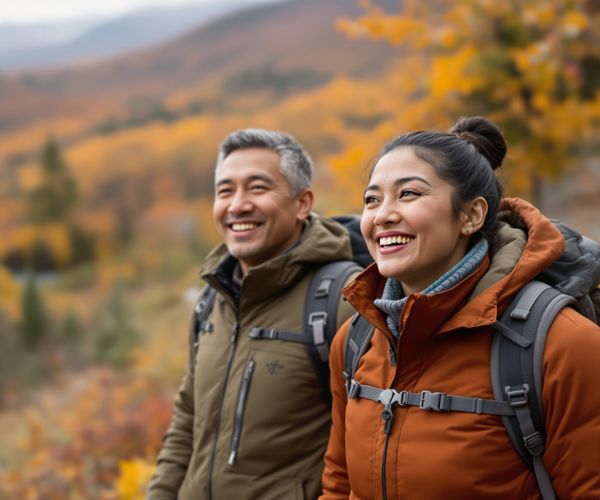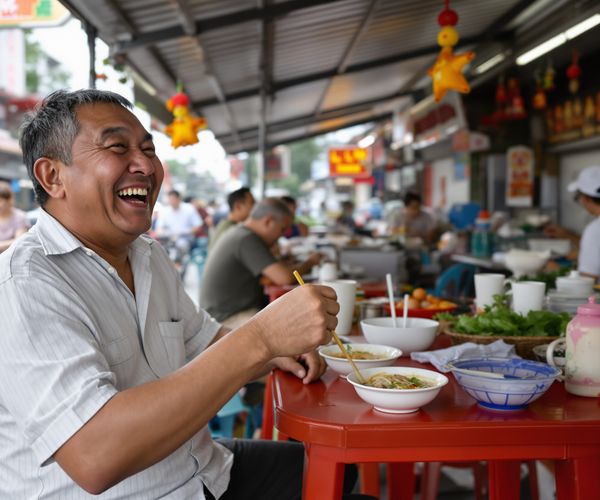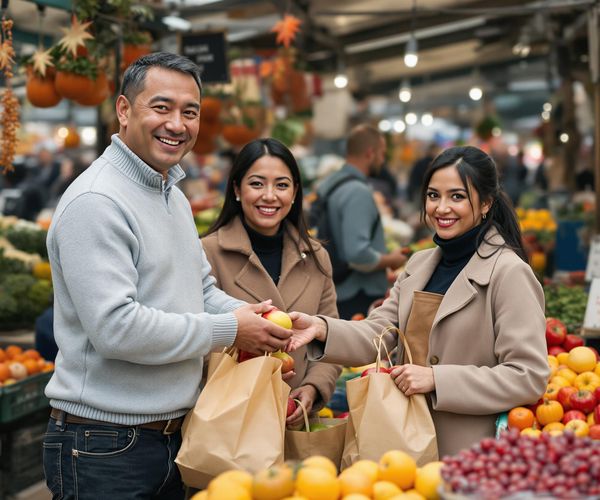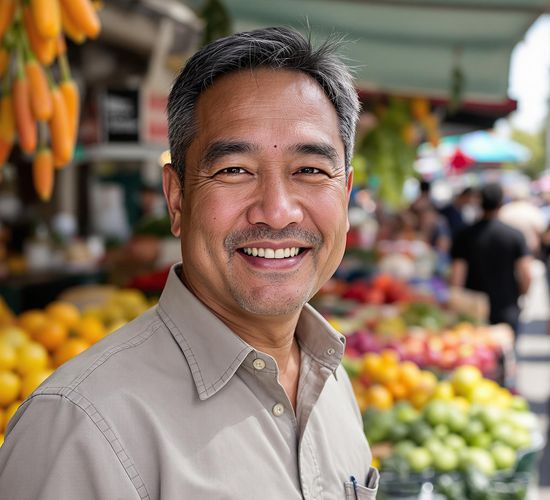

As a restaurateur, my life revolves around flavors and experiences. But beyond the kitchen, my other great passion lies in capturing the essence of the places I visit through photography. It's not just about taking pretty pictures; it's about telling a story, preserving a memory, and sharing a unique perspective. Over the years, my wife Nang and I have explored many corners of the world, and along the way, I've learned a thing or two about capturing the spirit of a new destination through the lens. Here are some tips I've found invaluable.
Understanding Your Destination Through Research
Before I even pack my camera, I dive deep into researching the destination. It's more than just looking at tourist brochures. I want to understand the culture, the history, and the people. What are their customs? What significant events shaped their society? This knowledge informs my photography and helps me capture more meaningful images. For instance, when we visited Kyoto, Japan, understanding the significance of the tea ceremony allowed me to capture photos that went beyond the surface level, reflecting the deep respect and harmony ingrained in the ritual.
Ethical considerations are paramount. Always respect local customs and traditions. Before taking a photo of someone, especially in more traditional communities, ask for permission. A simple gesture of respect can go a long way. Also, be aware of sensitive sites where photography may not be allowed. When in doubt, err on the side of caution.
Essential Gear for Travel Photography
Choosing the right gear is crucial, but it doesn't mean you need to lug around a ton of equipment. I've found that a lightweight and versatile setup is the key to enjoying the process without feeling weighed down. I typically bring a camera with interchangeable lenses, opting for a wide-angle lens for landscapes and architectural shots, and a zoom lens for capturing details and portraits from a distance. While some photographers swear by heavy, professional gear, I prefer a more compact setup that allows me to be nimble and discreet.
Don't forget accessories! A sturdy but lightweight tripod can be a lifesaver for low-light situations or capturing stunning landscapes. Filters can help manage challenging lighting conditions, and extra batteries are essential to keep you shooting all day long.
Mastering Composition and Lighting
Composition and lighting are the cornerstones of great photography. Even the most stunning subject can fall flat if the composition is off or the lighting is poor. Learn the basic composition techniques like the rule of thirds, leading lines, and framing. These techniques can help you create visually appealing photos that draw the viewer's eye and tell a compelling story. When we were in Italy, I used leading lines of the ancient Roman roads to guide the viewer's eye towards the distant hills, creating a sense of depth and perspective.
Understanding light is equally important. The golden hour (the hour after sunrise and the hour before sunset) is a magical time for photography, as the warm, soft light can transform any scene. The blue hour (the hour after sunset and the hour before sunrise) is also great for creating moody and atmospheric shots. But don't shy away from shooting in harsh daylight. Learn how to use shadows and highlights to add drama and depth to your images. And most importantly, be patient. Sometimes, the best light appears unexpectedly, so be ready to capture it when it does.
Capturing People and Culture
For me, the heart of travel photography lies in capturing the people and culture of a destination. These are the elements that truly bring a place to life and tell its unique story. When photographing people, always be respectful and engaging. Approach locals with a smile and ask for permission before taking their photos. A simple conversation can make a world of difference and lead to more genuine and meaningful interactions.
Focus on capturing candid moments and everyday life. These are often the most telling and authentic images. Pay attention to details that tell a story, like traditional clothing, local architecture, or regional cuisine. During a trip to a local market in Marrakech, I focused on capturing the vibrant colors of the spices, the intricate patterns of the carpets, and the expressive faces of the vendors. These details, combined, told a rich story about the local culture.
Photographing cultural festivals is a fantastic way to immerse yourself in the local culture and capture some truly unforgettable images. Participate actively in the experience, be mindful of the light, and always be respectful of the traditions and customs. Remember, you are a guest, and it's your responsibility to document the event in a way that honors the local culture.
Telling Stories Through a Series of Shots
One of the most effective ways to capture the essence of a new destination is to tell a story through a series of shots. Instead of taking random photos, think about creating a narrative with a beginning, middle, and end. Capture a variety of different shots, including wide shots to establish the scene, close-ups to highlight details, portraits to capture personalities, and action shots to convey movement and energy.
Use different perspectives and angles to add interest and depth to your storytelling. Get down low to capture a child's perspective, or climb to a high vantage point to capture a panoramic view. Consider all the senses and try to capture color, taste, movement, and texture. When we visited a vineyard in Tuscany, I captured the rolling hills, the close-ups of the grapes, the laughter of the workers, and the rich colors of the wine. These elements, combined, told a story about the passion and dedication that went into making the wine.
Post-Processing Tips for Enhancing Your Travel Photos
Post-processing is an essential part of the photography workflow. It's not about distorting reality, but rather about enhancing the mood and atmosphere of your images and bringing out their full potential. Basic editing techniques like color correction, cropping, and sharpening can make a big difference in the final result. Use photo editing software to adjust the brightness, contrast, and saturation of your images. Experiment with different filters and presets to create a consistent style and look across your photos.
However, it's important to be ethical in your post-processing. Avoid excessive manipulation that distorts reality or misrepresents the scene. The goal is to enhance the natural beauty of the destination, not to create a false impression. Remember, your photos should be a true reflection of your experience and perspective.
Capture the spirit of your travels with these photography tips! Learn to tell stories through your lens, respect cultures, and master composition for stunning photos.