Discovering Urban Oases
Urban green spaces are vital for our mental and physical well-being. They offer a respite from the noise and chaos of city life, providing a place to relax, exercise, and reconnect with nature. Beyond the personal benefits, these spaces play a crucial role in the health of our environment. They improve air quality by absorbing pollutants, help reduce the urban heat island effect by providing shade and cooling through evapotranspiration, and support biodiversity by providing habitats for various plant and animal species.
Hamburg, my adopted home, is a prime example of a city that values its green spaces. From the expansive Stadtpark to the tranquil Planten un Blomen, there's no shortage of places to escape the urban hustle. I often find myself wandering through these parks, observing the changing seasons and the diverse wildlife that calls them home. There is something profoundly calming about being surrounded by trees and greenery, even with the sounds of the city in the background.
Finding Nature in Unexpected Places
While traditional parks are wonderful, nature can be found in many unexpected places within a city. Community gardens are a fantastic example, offering green spaces where residents can grow their own food and connect with their neighbors. Green roofs, often found atop buildings, provide habitats for plants and insects while also helping to insulate the building and reduce stormwater runoff. Rewilding projects, which aim to restore natural processes to urban areas, are also becoming increasingly common.
As a keen amateur wildlife photographer, I'm always on the lookout for creatures great and small in the city. You might be surprised at what you can find if you take the time to look. Birds, squirrels, insects, and even the occasional fox can be spotted in urban areas. I've even seen bats flitting around in the evenings!
Don't overlook unconventional spaces either. Cemeteries, with their mature trees and peaceful atmosphere, can be surprisingly good places to connect with nature. Even the edges of playgrounds, with their patches of grass and shrubs, can offer a glimpse of the natural world.
Sustainable Activities in Urban Nature
One of the best ways to explore a city's natural spaces is by adopting eco-friendly modes of transportation. Cycling, walking, and using public transportation are all great options. Not only are they better for the environment, but they also allow you to experience the city at a slower pace, noticing things you might otherwise miss.
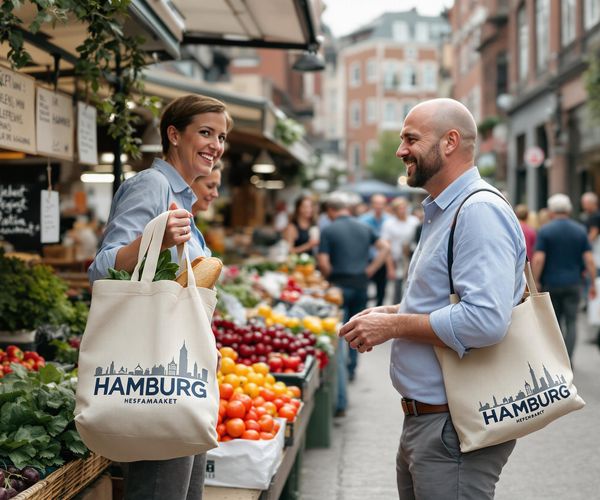
Visiting local farmers' markets is another fantastic way to connect with nature and support sustainable practices. You can find fresh, locally grown produce and meet the people who are working to bring it to your table. It's a great way to learn about the local food movement and the importance of supporting local agriculture.
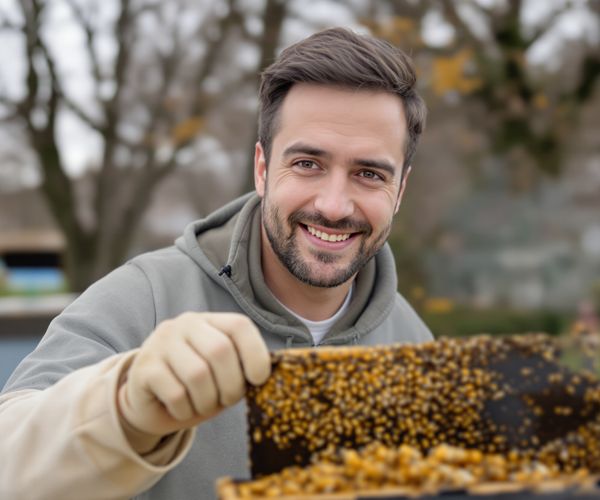
As an urban beekeeper, I'm particularly passionate about the role that bees play in supporting local ecosystems. Urban beekeeping is becoming increasingly popular, and for good reason. Bees help to pollinate plants, ensuring the health and vitality of urban green spaces. Plus, they produce delicious honey!
Engaging with Local Initiatives
Volunteering in urban green spaces is a rewarding way to give back to your community and connect with nature. Many organizations offer opportunities to participate in trail maintenance, habitat restoration, and community clean-ups. It's a great way to meet like-minded people and make a positive impact on the environment.
Supporting local environmental organizations and initiatives is also crucial. These groups are working to protect and enhance urban green spaces, and they need our support. Whether it's through donations, volunteering, or simply spreading awareness, there are many ways to help.
Look out for educational programs and workshops related to urban nature and sustainability. These events offer a chance to learn more about the natural world and how we can live more sustainably. From workshops on gardening and composting to lectures on urban ecology, there's something for everyone.
Respecting Urban Ecosystems
When exploring urban green spaces, it's important to be mindful of our impact on the environment. Responsible behavior is key to preserving these spaces for future generations. Avoid littering, stay on marked trails, and respect wildlife. Remember, we are guests in their home.
Human activities can have a significant impact on urban ecosystems. Pollution, habitat destruction, and the introduction of invasive species are all threats to the health of these spaces. By making small changes in our behavior, we can minimize our negative impact and help to protect urban nature.
Take the time to learn about the local flora and fauna and their conservation status. Understanding the challenges that these species face can help us to appreciate them even more and inspire us to take action to protect them.
Explore the tranquility of urban nature. Discover tips for connecting with green spaces in cities, from parks to community gardens, and learn sustainable ways to enjoy and respect urban ecosystems.