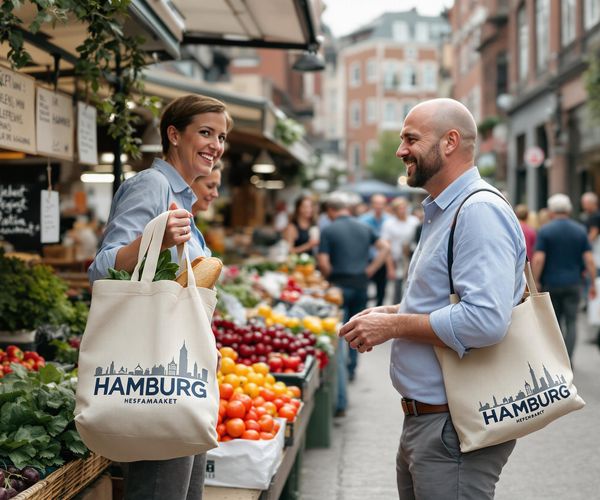

Hey everyone, Thomas here! As an urban beekeeper living in Hamburg, I spend a lot of time on rooftops, which gives me a unique perspective on the city's architecture. I've always been fascinated by how buildings shape our urban environments and how modern design can contribute to a more sustainable future. So, I wanted to share some of my insights and favorite spots for exploring modern architecture, both here in Hamburg and around the world.
Hamburg's Architectural Gems: A Local's Perspective
Hamburg is a city that beautifully blends the old with the new. You'll find historic buildings standing proudly next to cutting-edge modern designs. One of my favorite areas is HafenCity, a district that has been completely transformed with innovative architecture. The Elbphilharmonie, with its stunning glass facade and unique concert halls, is a must-see. I remember the first time I saw it; I was struck by how it seemed to float above the old warehouse beneath it.
Living here, I appreciate how Hamburg incorporates green spaces into its urban planning. Even in the most modern areas, you'll find parks, gardens, and green roofs that help to balance the concrete and steel. It's a testament to the city's commitment to creating a livable and sustainable environment.
Sustainable Design: More Than Just a Trend
Sustainable architecture is more than just a buzzword; it's a necessity. It's about designing buildings that minimize their environmental impact, use resources efficiently, and create healthy spaces for people to live and work. This involves using eco-friendly materials, incorporating energy-efficient technologies, and designing buildings that harmonize with their surroundings.
One of the key aspects of sustainable design is the integration of green infrastructure. Think green roofs that provide insulation and reduce stormwater runoff, rainwater harvesting systems that conserve water, and renewable energy sources like solar panels. These features not only reduce a building's environmental footprint but also improve the quality of life for its occupants.
Iconic Buildings Around the World: A Photo Journey
There are so many incredible examples of modern architecture around the world that showcase innovative design and sustainability. Here are a few of my favorites:
- Bosco Verticale, Milan: These vertical forests are covered in trees and plants, creating a stunning visual impact and improving air quality. {image1}
- Gardens by the Bay, Singapore: These futuristic gardens feature towering Supertrees that are covered in plants and equipped with solar panels. {image2}
- The Crystal, London: This sustainable building is designed to maximize natural light and minimize energy consumption. {image3}
If you're planning an architecture-focused trip, I highly recommend checking out the Modernist Travel Guide for inspiration and resources.
Tips for Architecture Tours: Seeing the City with New Eyes
Taking an architecture tour is a great way to explore a city and appreciate its design in a new light. Before you go, do some research on the buildings and architects that interest you. Look for guided tours that offer insights into the history, design principles, and social context of the buildings.
When you're on the tour, pay attention to the details. Notice the materials, the shapes, the textures, and how the building interacts with its surroundings. Consider the building's purpose and how it serves the needs of its users. Don't be afraid to ask questions and engage with your guide.
And don't forget to look for sustainable architecture tours. These tours focus on buildings that incorporate eco-friendly design principles and offer insights into how architecture can contribute to a more sustainable future.
The Intersection of Architecture and Urban Beekeeping
As an urban beekeeper, I see a direct connection between architecture and sustainability. Green roofs and urban gardens not only enhance the aesthetic appeal of buildings but also provide valuable habitats for bees and other pollinators. By integrating nature into our urban environments, we can create more biodiverse and resilient ecosystems.
I've had the privilege of managing beehives on rooftops across Hamburg, and it's given me a unique perspective on the city. From up there, I can see how buildings shape the landscape and how green spaces contribute to the overall health of the environment. It's a reminder that architecture is not just about creating structures; it's about creating spaces that support life.
Ultimately, the goal is to create cities that are both beautiful and sustainable, where architecture and nature coexist in harmony. It's a vision that inspires me every day, and I hope it inspires you too.
A traveler's guide to urban design, exploring modern architecture, iconic buildings, and sustainable design principles around the world.