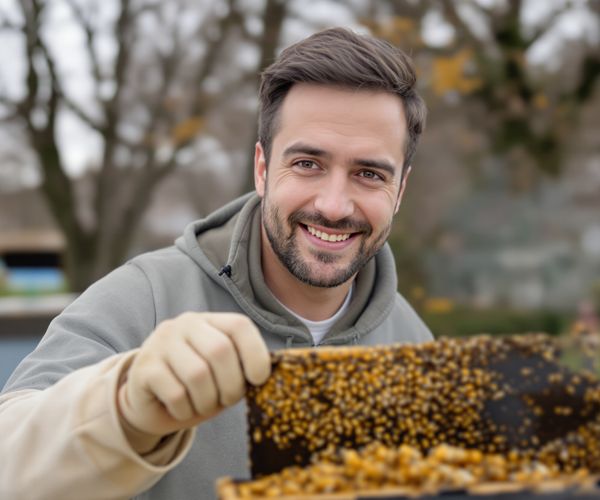
As an urban beekeeper, I'm used to the slow, deliberate pace of nature. It's taught me a lot about patience, observation, and appreciating the little things. This translates directly into my travel style. Forget rushing from landmark to landmark; I'm all about slow travel. It's not just a way to see the world; it's a way to truly experience it.
What is Slow Travel?
Slow travel is the antithesis of the whirlwind vacation. Instead of trying to cram as many sights as possible into a short period, it's about slowing down and savoring each moment. It means spending more time in fewer places, allowing you to connect with the local culture, people, and environment on a deeper level. It's about quality over quantity, immersion over skimming the surface.
Think of it this way: traditional tourism is like speed-dating, while slow travel is like building a meaningful relationship. You're not just ticking off boxes on a checklist; you're creating memories and forging connections that will last long after you've returned home.
Why Choose Slow Travel?
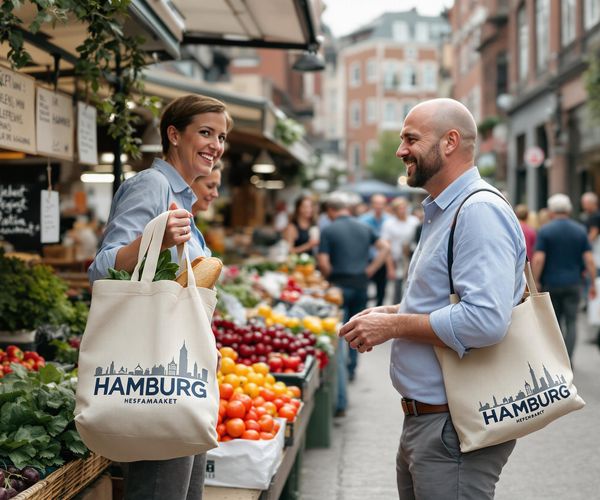
For me, the biggest draw of slow travel is the opportunity for more meaningful and authentic experiences. I'm not interested in seeing the Mona Lisa behind a crowd of tourists; I want to wander through local markets, chat with artisans, and learn about the traditions that make a place unique. It's about getting off the beaten path and discovering the hidden gems that guidebooks often overlook.
Beyond that, slow travel is a fantastic stress reliever. Rushing from place to place can be exhausting, both physically and mentally. By slowing down, you can relax, recharge, and truly appreciate your surroundings. It's a chance to disconnect from the constant demands of modern life and reconnect with yourself and the world around you.
And let's not forget the sustainability aspect. By traveling slower, you're often reducing your carbon footprint. You're more likely to use public transportation, support local businesses, and make choices that are better for the environment. It's a way to travel responsibly and leave a positive impact on the places you visit.
Planning a Slow Travel Itinerary
Planning a slow travel itinerary is different from planning a traditional vacation. It's less about rigid schedules and more about setting intentions and allowing for spontaneity.
First, choose a destination that resonates with you. Think about what kind of experiences you're looking for – nature, culture, history, food – and choose a place that offers those opportunities. Don't be afraid to choose a less popular destination; sometimes, the best experiences are found in the most unexpected places.
Next, plan to stay longer in one place. Instead of spending just a few days in each city, try to spend a week or even a month. This will give you time to truly settle in, explore the area at your own pace, and connect with the local community.
When it comes to accommodations, consider staying in guesthouses, homestays, or apartments. These types of accommodations often offer a more authentic experience and allow you to interact with locals. Plus, they're often more affordable than hotels.
Finally, leave room for spontaneity. Don't over-plan your itinerary; allow for unexpected adventures and detours. Some of my best travel memories have come from unplanned moments – a chance encounter with a local, a hidden gem discovered by accident, a spontaneous decision to change course.
Connecting with Locals
Connecting with locals is a key part of the slow travel experience. It's a way to learn about the culture from the inside out and gain a deeper understanding of the place you're visiting.
There are many ways to meet locals. Couchsurfing can be a great way to find free accommodations and connect with people who are passionate about sharing their culture. Meetup.com can help you find local events and groups that align with your interests.
Attending language exchanges or local events is another great way to meet people and learn about the culture. Visiting local markets, cafes, and restaurants is also a fantastic way to experience the local flavor and interact with residents.
Even learning a few basic phrases in the local language can go a long way. It shows that you're making an effort to connect with the culture and that you respect the local people.
Embracing Sustainable Practices
Slow travel and sustainable travel go hand in hand. By traveling slower, you're naturally making more sustainable choices.
One of the best ways to travel sustainably is to choose eco-friendly transportation options. Trains and buses are often a more sustainable alternative to flying, and cycling or walking can be a great way to explore a city or region at your own pace.
Supporting local businesses and economies is another important aspect of sustainable travel. Shop at local markets, eat at local restaurants, and stay in locally owned accommodations. This helps to support the local community and ensures that your money stays in the local economy.
There are also many ecotourism destinations and activities to choose from. Look for tours and activities that are environmentally responsible and that benefit the local community. And always remember to respect the environment and local cultures. Pack out your trash, avoid disturbing wildlife, and be mindful of local customs and traditions.
Examples from My Travels
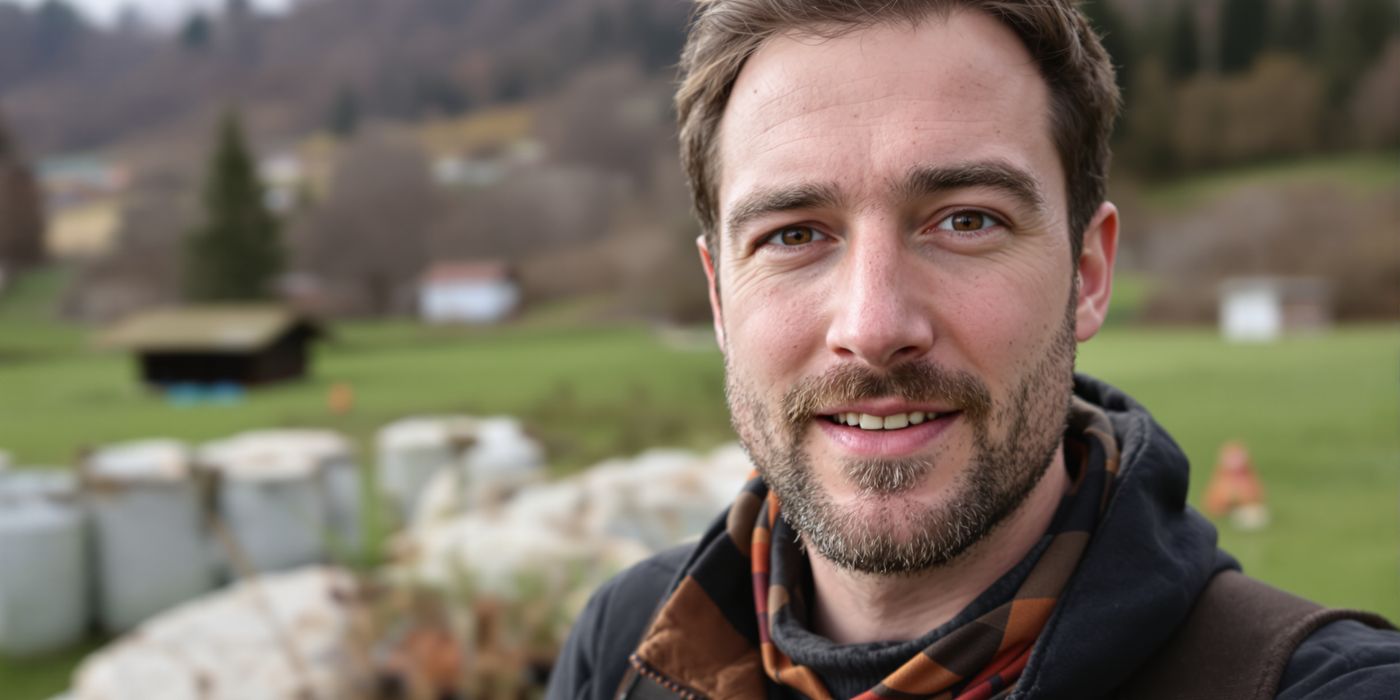
I remember once, while traveling through the Black Forest in Germany, I decided to ditch my planned route and follow a small, winding road that I stumbled upon. It led me to a tiny village where I spent several days living with a local family. I helped them with their farm work, learned about their traditions, and shared meals with them around their kitchen table. It was an experience that I never would have had if I had stuck to my original plan.
Another time, while traveling in Southeast Asia, I made a conscious effort to support local businesses. I ate at small, family-run restaurants, bought handicrafts from local artisans, and stayed in locally owned guesthouses. It was a way to give back to the community and ensure that my travels were benefiting the local people.
These are just a few examples of how slow travel has enriched my life. It's a way to connect with the world on a deeper level, to learn about different cultures, and to make a positive impact on the places I visit. It's not just a way to travel; it's a way to live.
An exploration of the benefits and practices of slow travel, emphasizing quality over quantity. Thomas highlights his preference for immersive and authentic experiences as a solo traveler.