As someone deeply passionate about sustainable living and the environment, my travels are always intertwined with a quest to discover and support local food movements. There's something incredibly rewarding about connecting with a place through its food, meeting the people who grow it, and understanding the traditions that shape its cuisine. It's about more than just a meal; it's about community, culture, and conscious consumption.
The Allure of Local Food: A Personal Reflection
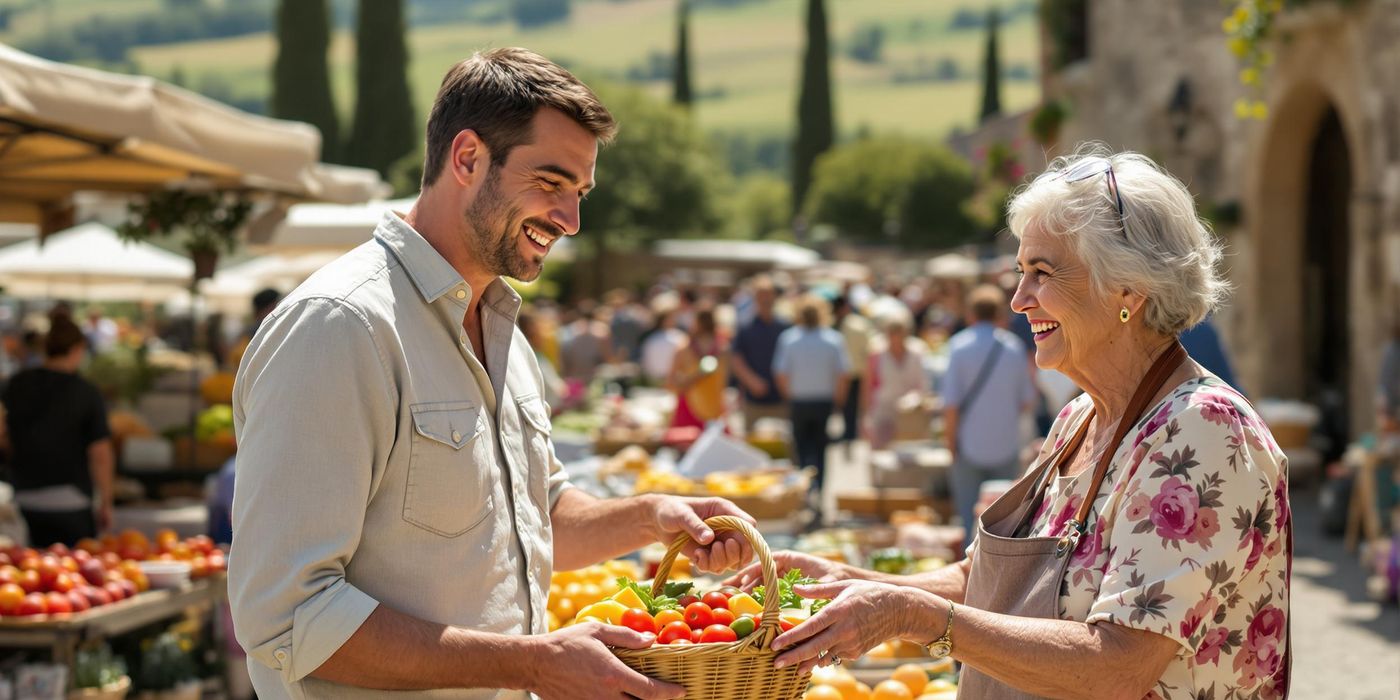
I'll never forget the time I stumbled upon a small farmers' market in the Tuscan countryside. The air was filled with the aroma of ripe tomatoes, freshly baked bread, and fragrant herbs. An elderly woman, her face etched with the wisdom of generations, offered me a taste of her homemade olive oil. It was unlike anything I'd ever tasted – rich, fruity, and bursting with the essence of the Italian sun. That simple encounter transformed my understanding of food and its connection to the land and its people. It’s experiences like these that fuel my desire to seek out authentic flavors wherever I go.
There’s a unique charm in discovering the culinary secrets of each region. It's more than just ticking off famous dishes from a list; it's about finding those hidden gems, the family-run trattorias, the bustling street food stalls, and the vibrant markets where locals gather to share their passion for food. The flavors, the stories, and the sense of community all contribute to an unforgettable travel experience.
Food is a universal language that transcends borders and connects people from all walks of life. Sharing a meal with locals, learning about their culinary traditions, and understanding the significance of certain ingredients can offer profound insights into a culture. It's a way of breaking down barriers, fostering empathy, and building meaningful connections.
Why Support Local Food Movements?
Supporting local food movements is about more than just satisfying your taste buds; it's about investing in the well-being of communities and the health of our planet. When you buy directly from local farmers and producers, you're helping to strengthen the local economy, create jobs, and ensure that these small businesses can thrive. It’s a direct investment in the people who are passionate about producing high-quality, sustainable food.
Choosing locally sourced food also has significant environmental benefits. By reducing the distance that food travels, we can minimize carbon emissions, decrease reliance on fossil fuels, and support more sustainable agricultural practices. Local food often requires less packaging and fewer preservatives, further reducing its environmental impact. It’s a win-win for both consumers and the planet.
Furthermore, supporting local food movements helps to preserve culinary traditions and biodiversity. Many regions have unique heirloom varieties of fruits, vegetables, and grains that are at risk of disappearing as large-scale agriculture dominates. By supporting local farmers who cultivate these traditional crops, we can help to maintain biodiversity and ensure that future generations can enjoy the rich culinary heritage of different regions.
Finding Authentic Food Experiences: Tips and Tricks
One of the best ways to immerse yourself in a local food culture is by visiting farmers' markets and attending local food events. Before your trip, do some research online to find out where and when these events take place. Many cities and towns have weekly or monthly markets where you can sample local produce, meet the farmers, and learn about their products. These markets are a treasure trove of authentic flavors and culinary traditions.
In today's digital age, there are numerous online resources and apps that can help you locate local food producers and restaurants. Websites like Eatwell Guide and Local Harvest provide directories of farmers' markets, community-supported agriculture (CSA) programs, and farm-to-table restaurants. Apps like HappyCow can help you find vegetarian and vegan options that prioritize local ingredients. These tools can be invaluable for discovering hidden culinary gems.
Don't be afraid to strike up conversations with locals and ask for their recommendations. Talk to your hotel staff, tour guides, or fellow travelers and ask them where they like to eat and shop. Locals often know about the best-kept secrets, the hole-in-the-wall restaurants, and the family-run farms that you won't find in any guidebook. Their insights can lead you to truly unforgettable food experiences.
Navigating Farmers' Markets: A Guide for Travelers
Farmers' markets can be overwhelming, especially if you're not familiar with the local produce and products. Take your time to wander around, browse the stalls, and soak in the atmosphere. Don't be afraid to ask vendors questions about their products, their farming practices, and their favorite ways to prepare the food. Most vendors are passionate about what they do and are happy to share their knowledge and expertise.
Pay attention to what's in season. Seasonal produce is not only fresher and more flavorful but also more sustainable and affordable. Ask the vendors what's currently in season and what they recommend trying. They can offer insights into regional specialties and unique ingredients that you might not find anywhere else.
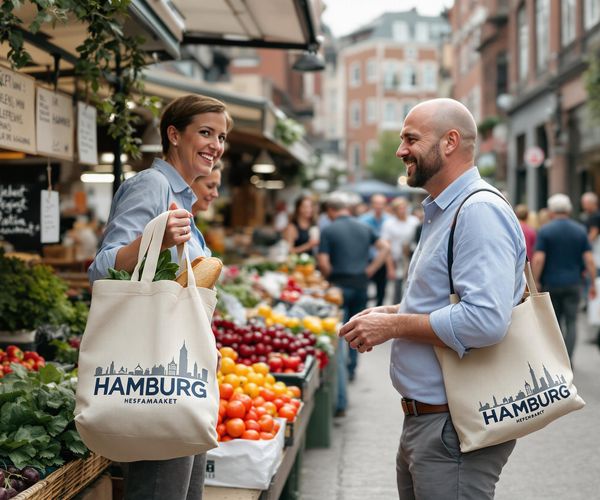
When shopping at farmers' markets, it's important to practice responsible shopping habits and minimize waste. Bring your own reusable bags, containers, and utensils to avoid using disposable plastic. Buy only what you need and plan your meals in advance to avoid food waste. Support vendors who prioritize sustainable practices, such as organic farming, composting, and reduced packaging.
Beyond the Market: Exploring Local Food Systems
To gain a deeper understanding of local food systems, consider visiting local farms and orchards. Many farms offer tours and workshops where you can learn about food production, meet the animals, and sample fresh produce straight from the source. These experiences can provide valuable insights into the challenges and rewards of sustainable agriculture.
Participating in cooking classes and food tours is another great way to immerse yourself in the local cuisine. Cooking classes offer hands-on experience in preparing traditional dishes using local ingredients. Food tours take you on a culinary journey through the city, sampling a variety of local specialties and learning about the history and culture behind them.
When dining out, choose restaurants that prioritize local ingredients and sustainable practices. Look for restaurants that source their produce from local farms, support local fishermen, and minimize food waste. These restaurants are not only serving delicious food but also contributing to the well-being of the local community and the environment.
The Urban Beekeeper's Perspective: Connecting with Local Honey
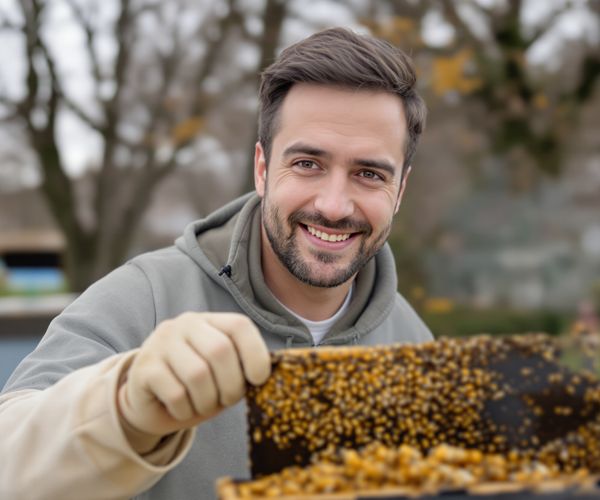
As an urban beekeeper myself, I have a special appreciation for the importance of supporting local beekeepers and understanding honey production. Honey is more than just a sweetener; it's a reflection of the local flora and the unique terroir of a region. Local honey can vary in flavor, color, and texture depending on the types of flowers that the bees have foraged on.
Supporting local beekeepers helps to promote pollination, preserve bee populations, and ensure the availability of high-quality, raw honey. Local honey often contains pollen from local plants, which can help to alleviate seasonal allergies. It also has numerous health benefits, including antioxidant and antibacterial properties.
When buying local honey, look for raw, unfiltered honey that has not been heated or processed. This type of honey retains its natural enzymes, vitamins, and minerals. Ask the beekeeper about their beekeeping practices and the types of flowers that their bees have foraged on. This will give you a better understanding of the honey's unique flavor profile and health benefits.
Responsible Consumption: Making Sustainable Choices
When traveling, it's important to make conscious choices that minimize your environmental impact and support sustainable practices. Choose organic and sustainably produced food whenever possible. Organic farming practices prioritize soil health, biodiversity, and the use of natural pest control methods. Sustainable farming practices aim to minimize environmental impact, conserve resources, and promote animal welfare.
Reduce food waste by planning your meals in advance and utilizing leftovers. When eating out, order only what you can eat and take leftovers with you. Compost food scraps whenever possible and avoid throwing away edible food. Food waste is a major contributor to greenhouse gas emissions and resource depletion.
Support businesses that prioritize ethical and environmentally friendly practices. Look for restaurants, hotels, and tour operators that are committed to sustainability. Choose businesses that use renewable energy, conserve water, reduce waste, and support local communities. By making conscious choices, you can help to create a more sustainable and equitable travel industry.
Discover the joy of supporting local food movements while traveling. From Tuscan markets to urban honey, find authentic flavors and sustainable practices on your journey.