
Hey everyone, Thomas here! I’m excited to share some insights from my own journey of learning German while living in Hamburg. It’s been an adventure filled with challenges, laughter, and plenty of “aha!” moments. If you're planning a trip abroad and want to dive deeper than just the tourist hotspots, learning a bit of the local language can truly transform your experience. Let's explore some tips and tricks I've picked up along the way!
My Hamburg Immersion: A Personal Journey
Arriving in Hamburg, I quickly realized my high school German wasn't going to cut it. Simple tasks like ordering a coffee or asking for directions turned into comical charades. I remember one particularly embarrassing incident at a bakery where I accidentally ordered a dozen pretzels instead of a single roll. The baker's confused look was a clear sign I needed to up my language game! That's when it hit me: to truly experience Hamburg, I needed to speak German, or at least try my best.
Essential Apps and Online Resources
In today’s digital age, we're spoiled for choice with language learning tools. I started with the usual suspects: Duolingo, Babbel, and Memrise. Duolingo is fantastic for building a basic vocabulary and gamifying the learning process. It's great for those who are new to language learning and want to build a foundation through repetition and interactive exercises. Babbel offers more structured courses, focusing on practical conversations, which I found incredibly helpful for everyday interactions. Memrise, with its user-generated content and mnemonic techniques, made memorizing new words a breeze.
Beyond apps, don't underestimate the power of language exchange websites like HelloTalk or Tandem. These platforms connect you with native speakers who are also learning your language, creating a mutually beneficial learning environment. And of course, online dictionaries like Leo are indispensable for quick translations and understanding nuances.
Immersion Techniques: Diving into the Culture
Language immersion is like jumping into the deep end – it can be intimidating, but it's incredibly effective. One of my favorite ways to immerse myself in German culture is by watching local TV shows and movies. Sure, at first, it feels like you're only catching every tenth word, but gradually your brain starts to pick up patterns and intonations. Listening to German music is another great way to absorb the language. Plus, it introduces you to local artists and cultural references.
Don't just be a passive observer, though. Actively engage with the culture. Attend local events, visit museums, try new foods, and explore historical sites. Each experience provides an opportunity to learn new words and phrases in context.
The Power of Everyday Interactions
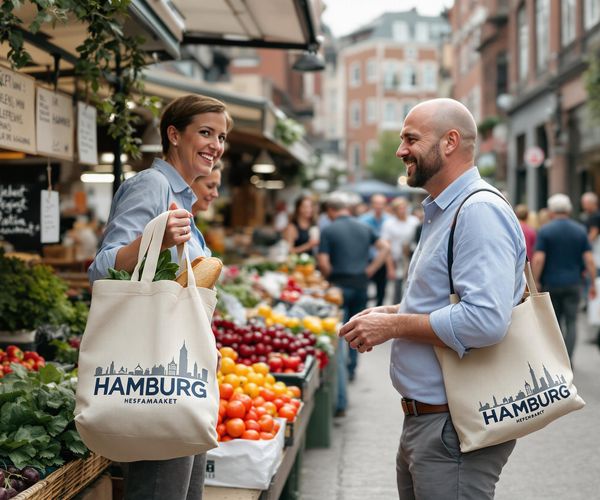
There's no substitute for practicing with native speakers. Even simple interactions can be valuable learning experiences. Strike up conversations with locals whenever you get the chance. Ask for directions (even if you know where you're going), comment on the weather, or inquire about local specialties at a market. Most people are happy to help, and you might even make a new friend in the process.
If you're feeling brave, join local groups or meetups related to your interests. Whether it's a hiking club, a book club, or a cooking class, these gatherings provide a relaxed and informal setting to practice your language skills and connect with like-minded individuals.
Mistakes are Your Friends: Embracing Imperfection
One of the biggest hurdles in language learning is the fear of making mistakes. Trust me, I've made my fair share! I once accidentally told a group of people that I was pregnant instead of saying I was excited. It was mortifying at the moment, but we all had a good laugh about it, and I learned a valuable lesson about verb conjugations.
The key is to embrace your mistakes as learning opportunities. Don't be afraid to stumble over words or mispronounce phrases. Most people will appreciate your effort and be patient with your attempts. If you do find yourself in a misunderstanding, try to handle it with humor and grace. A smile and a sincere apology can go a long way.
Tailoring Your Learning to Your Interests
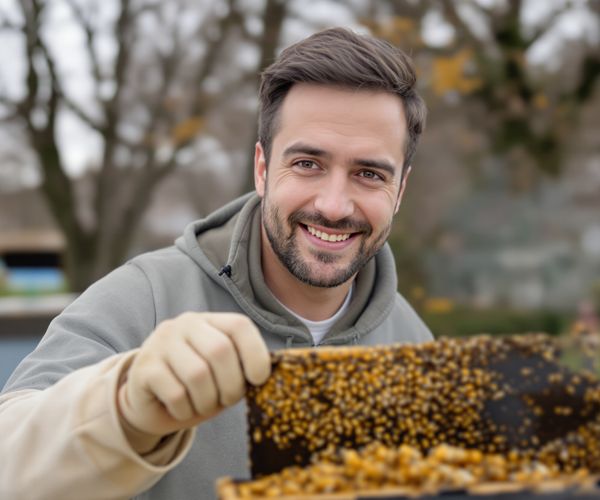
One of the best ways to stay motivated in language learning is to focus on vocabulary and phrases related to your personal interests and hobbies. For me, that meant learning the German words for beekeeping equipment, types of honey, and architectural styles. Since I'm an urban beekeeper, I made sure to learn all the terminology related to bees and honey production. I also have a keen interest in architecture, so I made an effort to learn about different building styles and historical landmarks in Hamburg.
By incorporating my interests into my language learning journey, I found it easier to stay engaged and motivated. So, think about what you're passionate about and find ways to make language learning relevant and enjoyable for yourself. If you love cooking, learn the names of local ingredients and recipes. If you're into sports, follow German sports news and learn the jargon. The possibilities are endless!
Thomas shares his experiences learning German in Hamburg, offering tips on language apps, immersion techniques, and practicing with locals for travelers.