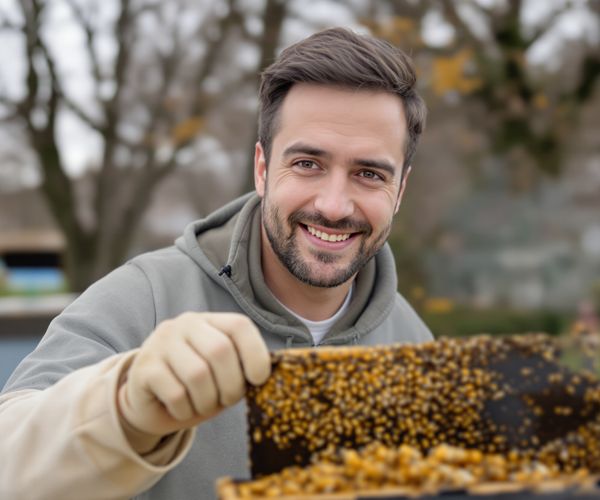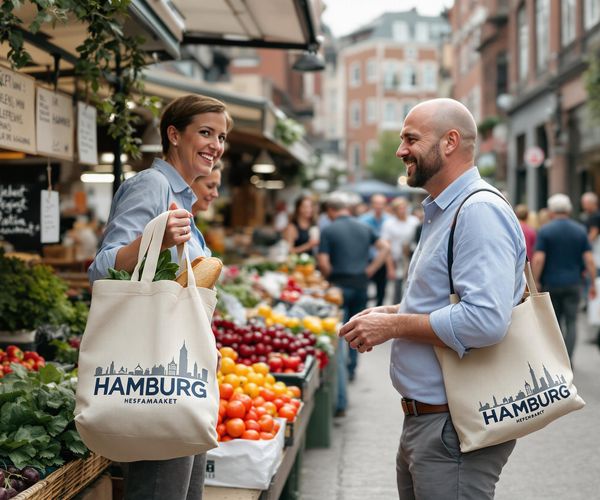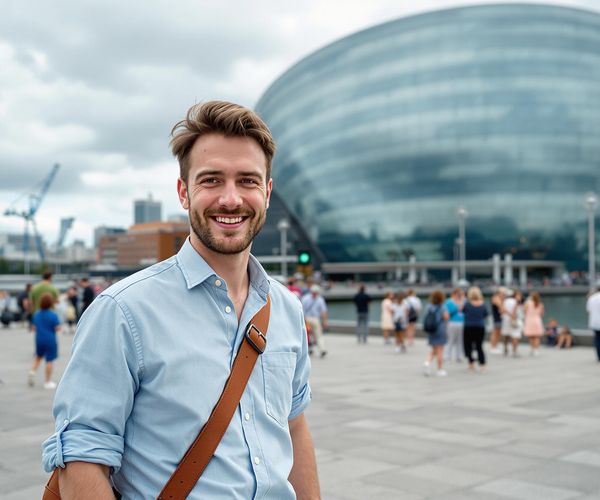
Hamburg, my adopted home, is a city that constantly surprises me. Beyond the bustling port and vibrant nightlife, there's a thriving ecosystem of urban wildlife just waiting to be discovered – and photographed! As an urban beekeeper, I'm always attuned to the natural world within the city, and I've found that Hamburg offers incredible opportunities for wildlife photography. Here's what I've learned about capturing those special moments.
Gear Up for Urban Exploration
When it comes to urban wildlife photography, having the right gear can make all the difference. You don't need to break the bank, but a few key pieces will significantly improve your chances of getting great shots.
First, consider your lenses. A versatile zoom lens is your best friend in the city. I've found a 70-200mm lens to be perfect for capturing wildlife at varying distances. It allows you to zoom in on a bird perched high on a building or capture a fox darting across a park path. Depending on the environment, you may want to consider a wide-angle lens as well. A wide angle lens can allow you to fully capture the environment the animal is in, like a flock of birds in a park.
Next, your camera body is crucial. Look for a camera with good low-light performance. Urban environments can be dimly lit, especially in the early morning or late evening when many animals are most active. A camera that can handle higher ISO settings without producing too much noise will be invaluable.
Finally, consider a camera with a quiet mode or silent shutter. The less noise you make, the less likely you are to scare away your subjects. I cannot stress enough the importance of having a quite mode. You'll be suprised how many animals are spooked by even the quietest shutter.
Mastering Camera Settings in the City
Once you've got your gear sorted, it's time to think about camera settings. The key is to be prepared to adjust quickly, as urban wildlife is often unpredictable.
Use a fast shutter speed to freeze motion, especially when photographing moving animals. A shutter speed of 1/250th of a second or faster is usually a good starting point. I find that when photographing birds, a shutter speed of 1/1000 is best to capture all of the details as they fly.
Aperture settings depend on the effect you're going for. If you want to isolate your subject from the background, use a wide aperture (e.g., f/2.8 or f/4). This will create a shallow depth of field, blurring the background and drawing attention to your subject. If you want to capture more of the environment, use a smaller aperture (e.g., f/8 or f/11).
For ISO, aim for a mid-range setting to balance light sensitivity and image noise. Start with ISO 400 or 800 and adjust as needed based on the lighting conditions. Remember, it's better to have a slightly noisy image than a blurry one.
Always shoot in RAW format. This will retain maximum image data, giving you more flexibility when editing your photos later. As someone who didn't always shoot in RAW, I can attest to how much better the editing process is when shooting in RAW.
Finding Wildlife Hotspots in Hamburg
Hamburg is full of hidden gems when it comes to urban wildlife. You just need to know where to look!
Parks are an obvious choice, and Hamburg has plenty of them. Stadtpark, Planten un Blomen, and Altonaer Volkspark are all great places to start. Look for green spaces, ponds, and wooded areas within the parks.
Don't overlook the canals and waterfronts. The Alsterfleet and the Elbe River are home to a variety of birds, including swans, ducks, and herons. You might even spot a cormorant or two!
Other good places to look include train tracks, alleyways, and even open-air markets. Animals often frequent these areas in search of food or shelter. I once photographed a family of foxes living near the Reeperbahn!
One of my favorite spots is the area around the Fischmarkt early on Sunday mornings. The gulls are out in full force, hoping to snag a dropped Fischbrötchen. It's a chaotic but fascinating scene.
The Art of Urban Camouflage
Blending into the urban environment is essential for getting close to wildlife without disturbing it. Think of yourself as an urban ninja!
Wear neutral colors that won't attract attention. Greens, browns, and grays are all good choices. Avoid bright colors or patterns that could startle your subjects.
Move slowly and quietly. Sudden movements or loud noises will scare animals away. Take your time and observe your surroundings before making a move.
Use available structures as hides. Buildings, walls, and vehicles can all provide cover, allowing you to approach wildlife undetected. I've often used parked cars as makeshift blinds.
Patience is key. Sometimes, you'll have to wait for hours for the perfect shot. Bring a book or listen to music to pass the time. The longer you observe, the more likely you are to capture natural behavior.
One little trick I use is reducing the LCD brightness on my camera. The bright light can be a giveaway, especially in low-light conditions.
Ethical Considerations in Urban Wildlife Photography
As wildlife photographers, we have a responsibility to respect our subjects and their environment. Ethical considerations are especially important in urban settings, where animals are often more vulnerable.
Always respect animals' space. Never approach them too closely or try to force them into a particular pose. Observe their behavior and give them plenty of room to move freely.
Never bait or feed animals to attract them for photos. This can disrupt their natural feeding habits and make them dependent on humans. Plus, it's just not fair to the animals.
Avoid using flash photography, especially with nocturnal animals. The sudden burst of light can disorient and stress them. If you must use flash, use it sparingly and with caution.
Be transparent about how your photos were taken. In your captions, mention if you used any special techniques or if the animal was in a captive environment. Honesty is always the best policy.
Framing the Urban Landscape
One of the things that makes urban wildlife photography so unique is the opportunity to incorporate urban elements into your compositions. Don't be afraid to experiment!
Look for reflections in windows or puddles. These can add an interesting layer to your images and create a sense of depth. I find it fun to see how many different reflections I can find while walking around the city.
Use the colors and patterns of the city to enhance your images. A bright red wall can make a striking backdrop for a bird, or the geometric patterns of a building can create a sense of order and structure.
Pay attention to the background. A cluttered or distracting background can detract from your subject. Look for clean, simple backgrounds that will complement your subject without overpowering it.
Experiment with different angles and perspectives. Get down low to the ground to capture a different view, or climb to a high vantage point to get a wider perspective. Don't be afraid to try something new!
A guide to photographing urban wildlife, complete with tips on equipment, timing, and ethical considerations.