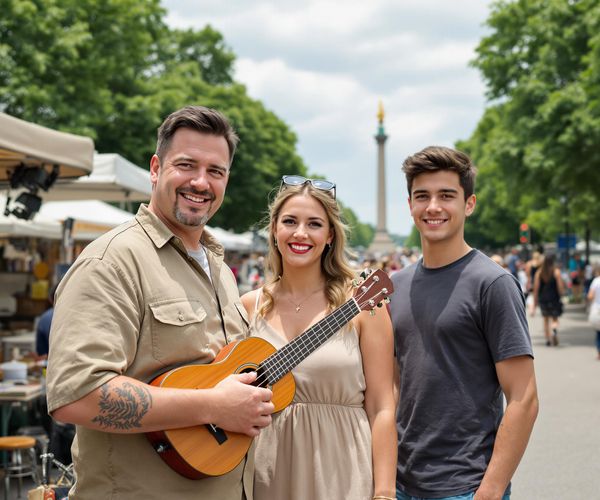
Aloha, fellow travelers! As someone who was raised in the vibrant culture of Hawaii and now calls Berlin home, I've learned that travel is more than just ticking off landmarks. It's about forging genuine connections, understanding different perspectives, and respecting the tapestry of human experience. Join me as we explore the art of cultural immersion, transforming your trips into meaningful adventures.
Understanding Cultural Immersion: More Than Just Sightseeing
Cultural immersion goes beyond the typical tourist experience. It's about actively engaging with a culture, not just observing it from a distance. It's about genuine connection, respect, and a willingness to learn. It means opening yourself up to new experiences and allowing yourself to be transformed by them. For me, it's always been about understanding that we are all different, but we are all connected.
I remember once, during my early travels in Europe, I tried to use Hawaiian phrases in a small Italian village, thinking I was being friendly and exotic. Instead, I was met with confused stares. It wasn't until I took the time to learn a few basic Italian phrases and understand their customs that I truly began to connect with the locals. That experience taught me the importance of understanding and respecting the specific culture you're engaging with.
Preparation is Key: Research and Respect
Before you even pack your bags, take the time to research the local customs, traditions, and etiquette of your destination. Understanding cultural norms is crucial for avoiding misunderstandings and showing respect. There are many resources available to help you learn, from online forums and cultural blogs to travel guides and language learning apps.
My wife, Lena, who is a museum curator, always emphasizes the importance of understanding the historical context of a place. She always says that knowing the history of a place will unlock the spirit of the place. She's meticulous about researching before any trip. She seeks out information on dining etiquette, dress codes, appropriate gestures, and even local laws. For example, in some cultures, pointing with your index finger is considered rude, while in others, certain hand gestures can be offensive. Understanding these nuances can make a big difference in how you're received by the local community.
Language as a Bridge: Connecting Through Communication
Even learning a few basic phrases in the local language can go a long way in building connections. It shows that you're making an effort to understand and communicate with the people you're visiting. Language learning apps like Duolingo, Babbel, and HelloTalk can be incredibly helpful for travelers.
I once tried using Hawaiian phrases while traveling in Japan, hoping to share a piece of my culture. While the gesture was appreciated, it highlighted the importance of learning the local language first. Even a simple Konnichiwa (hello) or Arigato (thank you) can open doors and create opportunities for meaningful interactions. Don't be afraid to make mistakes; locals often appreciate the effort, even if your pronunciation isn't perfect. And remember, gestures, translation apps, and a healthy dose of patience can help bridge any remaining language barriers.
Embracing Local Life: Food, Festivities, and Daily Rituals
One of the best ways to immerse yourself in a culture is to explore the local cuisine. Venture beyond the tourist restaurants and try authentic dishes prepared by local chefs. Participate in local festivals, markets, and community events. These experiences offer a glimpse into the heart and soul of a culture.
When I first moved to Berlin, I missed the flavors of home. So, I started cooking Hawaiian food and sharing it with my German neighbors. It became a way for me to share my culture and connect with my new community. They, in turn, shared their favorite German dishes with me, and we learned so much about each other through our shared love of food. Staying in locally-owned accommodations like guesthouses or homestays can also enhance your experience, providing opportunities to interact with locals and learn about their daily lives.
Supporting Local Economies: Sustainable and Responsible Travel
When you travel, make a conscious effort to support local businesses and artisans. Choose ethical souvenirs that are made by local craftspeople, avoiding mass-produced items that don't benefit the community. Opt for tours with local guides and operators who can provide authentic insights into the culture and history of the area.
Sustainable tourism is about minimizing your impact on the environment and maximizing your positive impact on the local community. Look for community-based tourism initiatives that directly benefit the people who live there. Consider voluntourism or community service projects that allow you to give back to the community you're visiting. Every small act of support can make a big difference in the lives of local people.
Respecting Sacred Spaces and Traditions: A Matter of Sensitivity
When visiting religious or sacred sites, it's essential to be mindful of local customs and traditions. Dress appropriately, behave respectfully, and follow any guidelines provided by the site. Always ask permission before taking photos of people or places, and be aware of cultural sensitivities related to social media sharing.
My son, Kai, is very mindful of local customs when we travel. During a visit to a Buddhist temple in Thailand, he made sure to dress respectfully and remove his shoes before entering. He also refrained from taking photos during prayer services and avoided making loud noises. His sensitivity and respect for the local culture were greatly appreciated by the monks and other visitors.
The Art of Observation: Learning from Locals
One of the most valuable skills you can develop as a traveler is the art of observation. Pay attention to the way locals behave, interact, and go about their daily lives. Watch their non-verbal cues, listen to their conversations, and try to understand their perspectives. Adapt to local customs and etiquette in different situations, and be prepared to handle cultural misunderstandings with grace and humility.
Lena, with her background in museum curation, is particularly good at observing and appreciating local art and traditions. She can spend hours studying a painting, a sculpture, or a traditional craft, learning about the history, symbolism, and cultural significance behind it. Her ability to observe and appreciate the nuances of different cultures has enriched our travels immeasurably. Remember, cultural immersion is a journey, not a destination. Embrace the unknown, be open to new experiences, and allow yourself to be transformed by the people and places you encounter along the way. Aloha!
Explore how to truly connect with local cultures during your travels with tips on respectful engagement and meaningful interactions.