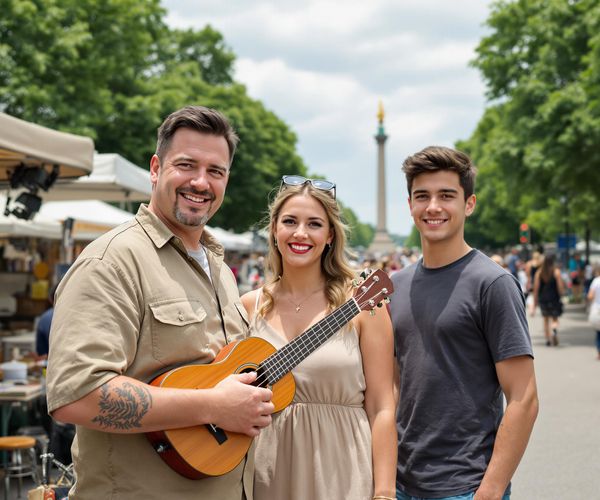
Aloha, fellow travelers! Walter Keahi here, sharing my mana'o (thoughts) on a travel style that's close to my heart: slow travel. As someone deeply rooted in Hawaiian culture and now living in the vibrant city of Berlin, I've come to appreciate the beauty of taking my time and truly connecting with the places I visit. It's about quality over quantity, and savoring every moment.
What is Slow Travel?
Slow travel is more than just a way to see the world; it's a philosophy. It's about shifting away from the whirlwind of conventional tourism, where you rush from one landmark to another, ticking off boxes on a checklist. Instead, slow travel encourages you to immerse yourself in the local culture, connect with the environment, and engage with the community. It's about the journey, not just the destination.
For me, as a cultural anthropologist and advocate for sustainable living, slow travel resonates deeply. It's a way to honor the places I visit, to learn from the people who call them home, and to minimize my impact on the environment. It’s about fostering genuine connections and understanding, rather than just skimming the surface.
The Benefits of Slow Travel
The advantages of embracing a slower pace are numerous:
- Deeper cultural immersion: By spending more time in one place, you have the opportunity to learn the language, understand the customs, and appreciate the nuances of the local culture.
- Reduced environmental impact: Opting for local transportation, supporting local businesses, and consuming consciously can significantly reduce your carbon footprint.
- Enhanced personal well-being: Slow travel encourages mindfulness and relaxation, allowing you to de-stress and recharge amidst the beauty of your surroundings.
- Meaningful connections: You'll have more opportunities to connect with locals and fellow travelers, forging lasting friendships and expanding your worldview.
- Serendipitous discoveries: When you're not rushing to the next tourist spot, you're more likely to stumble upon hidden gems and unexpected adventures.
Planning a Slow Travel Itinerary
Creating a slow travel itinerary is an exercise in intention. Here are some tips to get you started:
- Choose destinations wisely: Select places that align with your interests and values. Are you passionate about history? Nature? Food? Find destinations that cater to your passions.
- Prioritize quality over quantity: Resist the urge to cram too many destinations into your trip. Focus on experiencing a few places deeply, rather than skimming the surface of many.
- Incorporate longer stays: Plan to spend at least a week, or even a month, in each location. This will give you ample time to settle in, explore the area, and connect with the community.
- Utilize local resources: Opt for local transportation, such as buses, trains, or bicycles. Stay in locally owned accommodations, such as guesthouses or apartments. Eat at family-run restaurants and shop at local markets.
- Embrace spontaneity: Leave room for unplanned activities and unexpected detours. Some of the most memorable travel experiences happen when you least expect them.
Walter's Slow Travel Adventures
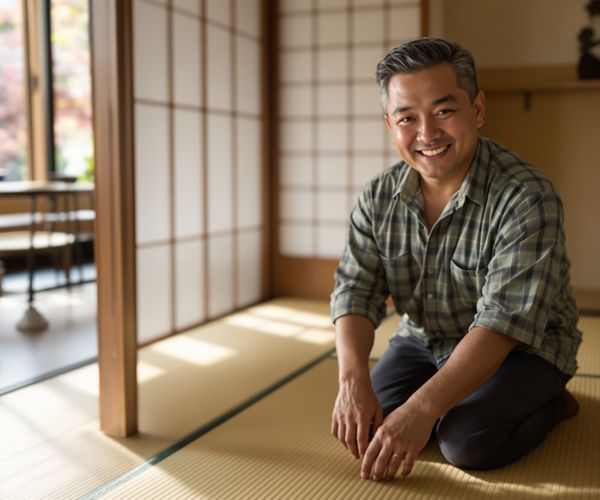
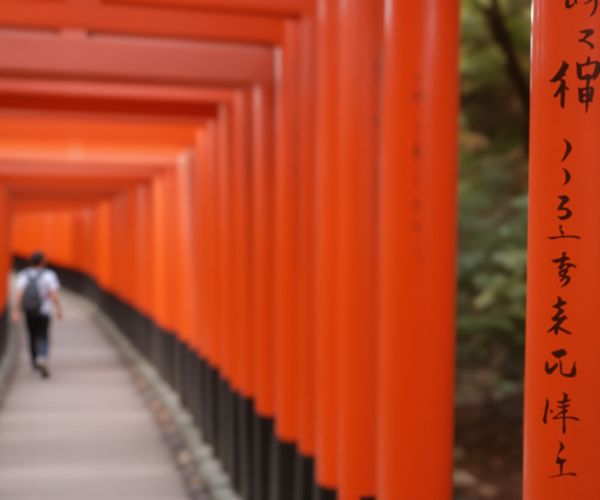
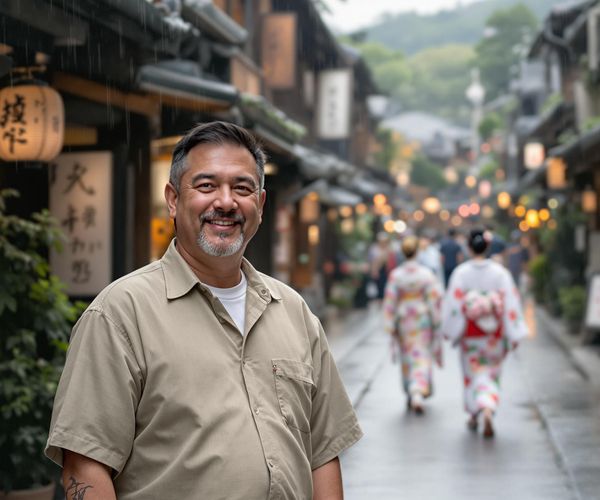
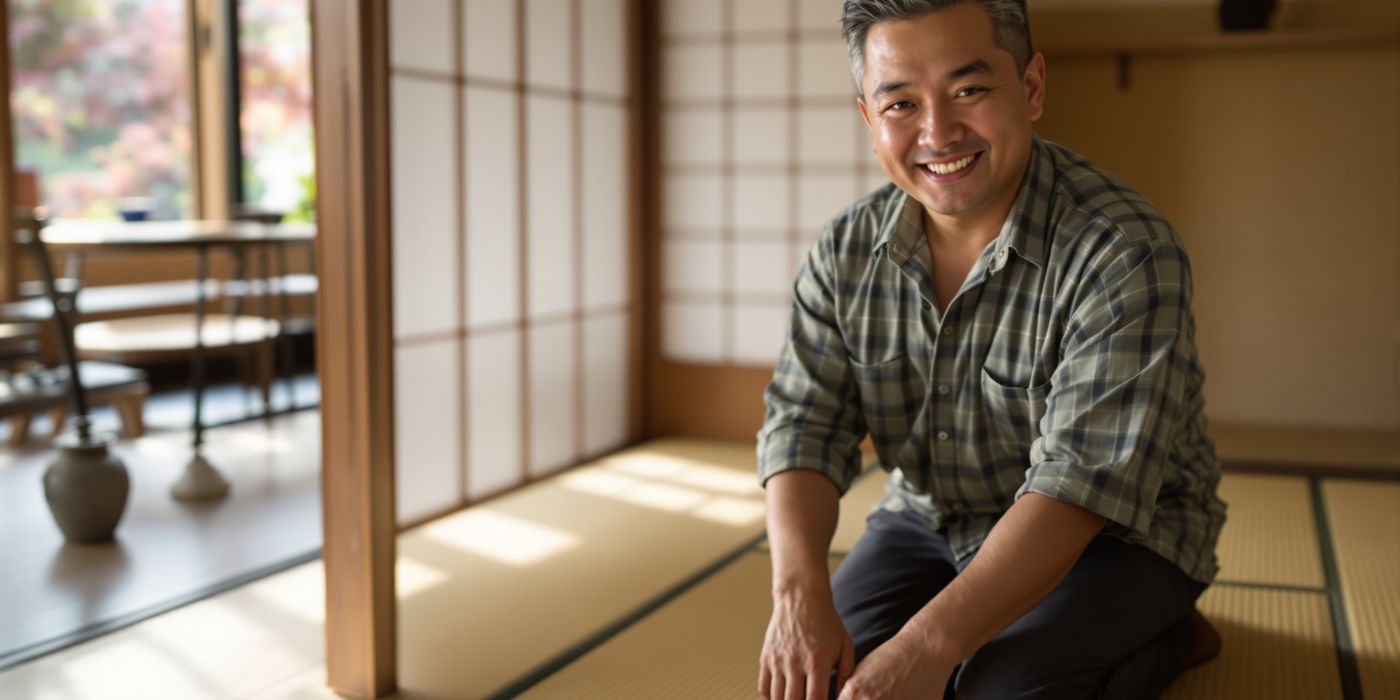
One of my most cherished slow travel experiences was in Kyoto, Japan. Lena, Kai and I spent a month living in a traditional machiya house, exploring the city's temples and gardens at a leisurely pace. We took calligraphy classes, learned to prepare traditional Japanese cuisine, and participated in local festivals. It was during this trip that I truly understood the concept of wabi-sabi, the beauty of imperfection and impermanence. We connected with a local family who showed us hidden gardens and taught us about the tea ceremony. The memories we made during that month are far more vivid and meaningful than any whirlwind tour could have provided.
Interacting with locals, sharing stories, and learning about their daily lives enriched my perspective on the world in ways I never imagined. I realized that travel is not just about seeing new places; it's about connecting with people and understanding their way of life.
Embracing the Unexpected
Slow travel isn't always smooth sailing. There will be times when things don't go according to plan. You might get lost, miss a train, or encounter a language barrier. But it's during these moments that you truly grow as a traveler.
The key is to be open to unplanned experiences and to embrace cultural differences. Don't be afraid to ask for help, even if you don't speak the language fluently. Learn from your mistakes and adapt to changing circumstances. Remember that every challenge is an opportunity for growth and discovery.
So, I encourage you to step outside your comfort zone, embrace the unknown, and embark on a slow travel adventure. You might be surprised at what you discover about yourself and the world around you. A hui hou (until next time)!
Walter Keahi shares his thoughts on slow travel, emphasizing quality over quantity and connecting with local cultures. Discover the benefits and tips for planning a slow travel itinerary.