Understanding Cultural Sensitivity in Photography
Before you even pack your bags, remember that every culture has its own set of norms and customs. What might be perfectly acceptable in one place could be deeply offensive in another. Research is key. Dig into the local traditions, understand the dress codes, and be aware of any sensitive sites or situations where photography might be restricted.
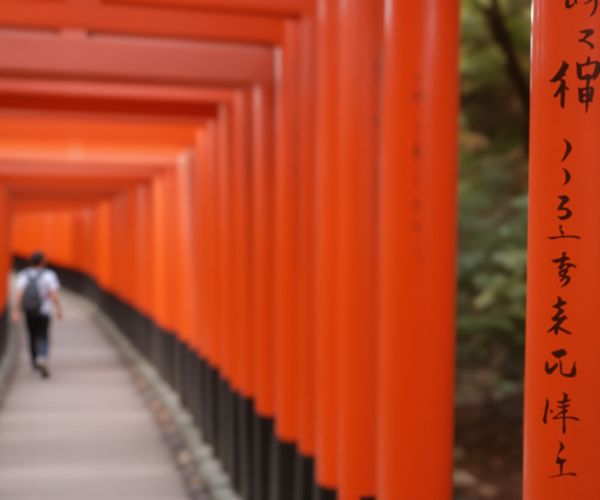
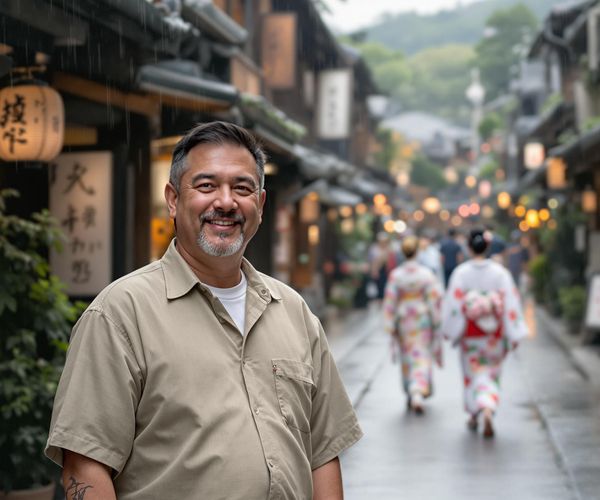
I remember once in Kyoto, Japan, I almost made a faux pas by photographing a Geiko (Kyoto Geisha) without permission. Thankfully, Lena, my wife, gently reminded me that it's considered disrespectful. Instead, we admired them from a distance and appreciated their artistry without intruding. Always be mindful and respectful; it makes all the difference.
Building Connections and Seeking Permission
The best travel photos aren't just visually stunning; they're filled with genuine emotion and connection. And that comes from engaging with the locals. Before you raise your camera, strike up a conversation. Show genuine interest in their lives and stories. A simple smile and a few words can go a long way in building rapport.
Asking for permission is crucial. A polite request demonstrates respect and can often lead to more candid and authentic shots. In many cultures, offering something in return is a thoughtful gesture. Whether it's a small gift, a print of the photo, or simply sharing the digital copy, it shows that you value their participation. I once spent an afternoon helping a Berber family in Morocco fix their well, and in return, they allowed me to capture some beautiful portraits of their daily life.
Capturing Authentic Moments
There's a world of difference between a staged photo and a candid one. While staged shots can be visually appealing, it's the candid moments that truly capture the essence of a culture. These are the fleeting interactions, the everyday routines, and the raw emotions that tell a story. Be patient, be observant, and wait for those authentic moments to unfold.
Blending in is an art form in itself. Avoid being intrusive or disruptive. Dress modestly, be mindful of your body language, and try to be as invisible as possible. This allows you to capture everyday life without altering the environment. In India, I found that simply sitting quietly in a tea stall and observing the locals allowed me to capture some incredibly intimate and genuine moments.
Composition and Storytelling Techniques
Composition is the backbone of any great photograph. Techniques like the rule of thirds, leading lines, and symmetry can transform a simple snapshot into a visually compelling image. Think about how you can use these elements to guide the viewer's eye and create a sense of balance and harmony.
Don't be afraid to experiment with different types of shots. Wide-angle shots can capture the grandeur of a landscape, while medium shots can provide context and show the relationship between people and their environment. Close-up shots, on the other hand, can reveal intricate details and evoke emotions. When visiting the floating markets in Thailand, I used a wide-angle lens to capture the vibrant scene, then switched to a close-up to highlight the intricate details of the handmade crafts.
Working with Natural Light
Light is the lifeblood of photography. Understanding how to work with natural light can dramatically improve your images. The golden hours – the hour after sunrise and the hour before sunset – offer soft, warm light that's perfect for capturing portraits and landscapes. Avoid shooting during the harsh midday sun, as it can create unflattering shadows and wash out colors.
Use light to create mood and enhance the storytelling aspect of your photos. Backlighting can create a sense of drama, while sidelight can accentuate textures and shapes. During a trip to Iceland, I used the soft, diffused light of the midnight sun to capture ethereal landscapes that seemed to glow from within.
So there you have it – a few tips to help you capture cultural moments with respect, authenticity, and a touch of aloha. Remember, travel photography is about more than just taking pretty pictures; it's about connecting with people, sharing stories, and celebrating the diversity of our world. Happy travels!
Tips and advice for capturing cultural moments through travel photography. Learn how to respect local customs, build connections, and tell stories through your lens.