Aloha, e komo mai! From the shores of Hilo to the vibrant streets of Berlin, my journey has been one of constant cultural exploration. It's not just about seeing the sights; it's about feeling the pulse of a place, understanding its soul. Join me as we delve into the art of cultural immersion, discovering how to truly connect with local traditions and create meaningful travel experiences.
Beyond the Tourist Trail: Defining Cultural Immersion
Cultural immersion goes far beyond ticking off landmarks on a list. It's about stepping outside the tourist bubble and diving headfirst into the local way of life. It's the difference between observing and participating, between seeing and understanding. As a cultural consultant, I've seen countless travelers breeze through destinations, snapping photos without truly engaging. But the magic happens when you slow down, open your heart, and allow yourself to be transformed by the experience.
Being a tourist often means staying on the surface, sticking to familiar comforts, and viewing a place through a pre-packaged lens. An immersive traveler, on the other hand, seeks to understand the nuances of a culture, to learn its history, and to connect with its people on a deeper level. This requires a willingness to step outside your comfort zone and embrace the unfamiliar.
Before you even set foot in a new place, take the time to understand its local context and values. Research its history, its customs, and its social norms. This will not only enrich your experience but also help you to avoid unintentional cultural faux pas. Remember, we are guests in their home, and it's our responsibility to be respectful and mindful.
Respect as the Foundation: Approaching Cultures with Sensitivity
Respect is the cornerstone of any meaningful cultural exchange. It's about acknowledging the inherent value and dignity of every culture, regardless of how different it may be from your own. It's about approaching new experiences with humility and a genuine desire to learn.
Before you travel, take the time to learn about local customs, traditions, and social etiquette. What is considered polite? What is taboo? What are the appropriate ways to dress and behave in public? This knowledge will not only help you to avoid embarrassing situations but also demonstrate your respect for the local culture. For example, in some cultures, it's considered rude to point with your finger, while in others, it's important to remove your shoes before entering a home.
Showing respect can be as simple as dressing appropriately for the occasion, asking permission before taking photos, or learning a few basic phrases in the local language. It's about being mindful of your actions and words and considering their potential impact on those around you. Remember, a little bit of effort can go a long way in building bridges and fostering understanding.
Language as a Bridge: Breaking Down Communication Barriers
Language is more than just a means of communication; it's a window into the soul of a culture. Learning even a few basic phrases in the local language can significantly enhance your cultural immersion experience. It shows that you're making an effort to connect with the people and their culture, and it can open doors to unexpected opportunities and connections.
There are countless resources available for language learning, from language exchange apps like Duolingo and Babbel to local classes and tutors. Even just spending a few minutes each day practicing can make a big difference. Don't be afraid to make mistakes; locals will often appreciate your effort, even if your pronunciation isn't perfect.
I remember once being in a small village in Italy, struggling to order a coffee in Italian. The barista, seeing my clumsy attempts, smiled and offered to help. We ended up having a lovely conversation about our families and our cultures, all thanks to my willingness to try. Those small interactions can lead to really meaningful connections.
Food as a Gateway: Exploring Culture Through Cuisine
Food is an integral part of any culture, reflecting its history, traditions, and values. Exploring local cuisine is a delicious way to immerse yourself in a new culture and connect with its people. From bustling street food stalls to elegant fine dining restaurants, every meal tells a story.
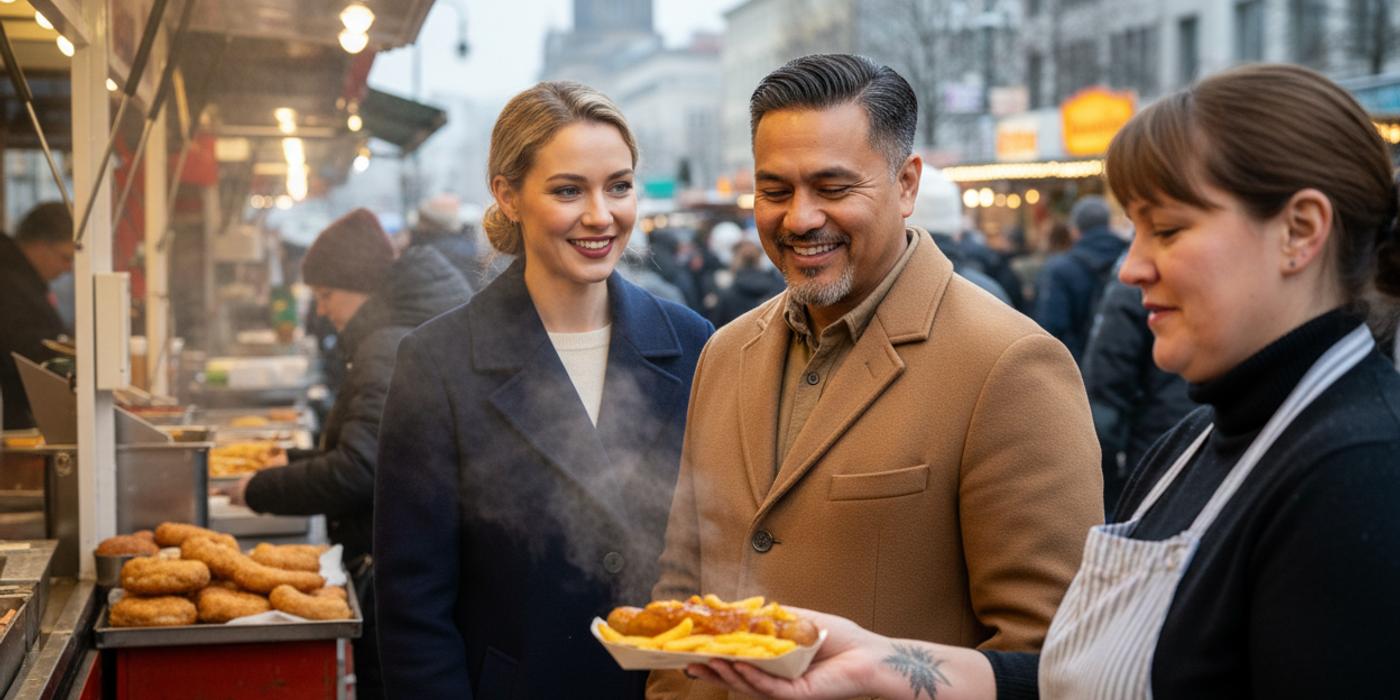
Venture beyond the familiar and try local dishes that you've never heard of before. Explore local markets to discover unique ingredients and flavors. Talk to the vendors, ask them about their products, and learn about the history behind them. You might be surprised at what you discover. When Lena and I travel, we always make it a point to visit local markets. It's a feast for the senses and a great way to understand the local culture.
Consider taking a cooking class to learn about traditional cooking methods and recipes. This is a fantastic way to gain a deeper understanding of the culture and to connect with locals who are passionate about their culinary heritage. Plus, you'll get to take home new skills and recipes that you can share with your friends and family.
Connecting with Locals: Building Meaningful Relationships
Ultimately, cultural immersion is about connecting with people. It's about building relationships with locals and learning from their experiences and perspectives. This can be as simple as striking up a conversation with a shopkeeper, sharing a meal with a family, or volunteering your time to a local cause.
Look for opportunities to engage with local communities, whether it's participating in a community event, attending a local festival, or staying in locally-owned accommodations. These experiences will give you a unique insight into the local way of life and allow you to connect with people on a more personal level. During our travels in Southeast Asia, Lena and I stayed in small, family-run guesthouses. It was a wonderful way to connect with the locals and learn about their culture.
Most importantly, be a good listener. Ask questions, show genuine interest in their stories, and be open to different perspectives. Remember, everyone has a story to tell, and by listening to those stories, you can gain a deeper understanding of the world and your place in it.
Embracing Spontaneity: Allowing for Unscripted Experiences
While it's important to have a plan, it's equally important to be open to unexpected experiences and detours from your planned itinerary. Some of the most memorable travel experiences happen when you least expect them.
Allow yourself to get lost in a new place and discover hidden gems that you wouldn't find in a guidebook. Take a wrong turn, stumble upon a local festival, or strike up a conversation with a stranger. These spontaneous moments can lead to some of the most enriching and rewarding travel experiences. Once, while exploring the backstreets of Kyoto, I stumbled upon a hidden tea house. I spent hours there, sipping matcha and chatting with the owner, learning about the art of tea ceremony.
Be open to saying yes to new opportunities, even if they seem a little daunting at first. You never know where they might lead. Embrace the unexpected and allow yourself to be surprised by the world around you.
Sustainable Immersion: Minimizing Your Impact
As travelers, we have a responsibility to minimize our impact on local communities and the environment. Practicing sustainable tourism is essential for preserving the beauty and integrity of the places we visit for future generations.
Support local businesses by buying locally-made products and services. Reduce waste by bringing your own reusable water bottle, shopping bag, and toiletries. Respect natural resources by conserving water and energy. Be mindful of your consumption and make conscious choices that benefit the local community and the environment. When we travel, we always try to support local artisans and businesses. It's a small way to give back to the community and help preserve their cultural heritage.
Sustainable travel is not just about minimizing negative impacts; it's also about maximizing positive ones. It's about contributing to the local economy, supporting community initiatives, and promoting cultural preservation. By traveling responsibly, we can help to create a more sustainable and equitable world for all.
Reflecting on the Journey: Integrating Cultural Insights
The journey doesn't end when you return home. Take the time to reflect on your cultural immersion experiences and integrate your insights into your daily life. How has your perspective changed? What have you learned about yourself and the world around you?
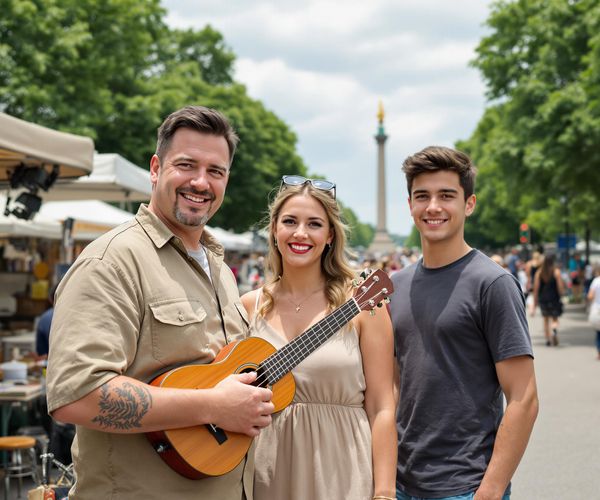
Continue learning about different cultures by reading books, watching documentaries, and attending cultural events. Stay connected with the people you met during your travels and continue to learn from their experiences. Share your stories with others and promote cross-cultural understanding in your own community. Since moving to Berlin, I've made it a point to stay connected with my Hawaiian roots. I cook Hawaiian food, play the ukulele, and share my culture with my friends and family.
Cultural immersion has the power to transform us, to broaden our horizons, and to deepen our understanding of the world. By embracing new experiences, connecting with locals, and reflecting on our journeys, we can become more compassionate, informed, and engaged global citizens. Mahalo!
Explore the art of cultural immersion with tips on connecting with local traditions, respecting customs, and embracing authentic travel experiences.