
As a UX designer, I appreciate good design in all its forms, and that includes photography. Over the years, I've learned that capturing the essence of a place isn't just about pointing and shooting; it's about telling a story. Whether you're wandering through ancient ruins or exploring a bustling market, photography is a fantastic way to preserve those memories. Here are some tips I've picked up along the way to help you capture your travel adventures beautifully.
Choosing the Right Equipment for Your Travel Style
Selecting the right camera can feel overwhelming, but it doesn't have to be! It's about finding the right balance between portability, image quality, and versatility. Let's break down the options:
- Smartphones: These are incredibly convenient. The latest models offer impressive image quality and are perfect for spontaneous shots. However, they can struggle in low light and may lack the zoom capabilities of dedicated cameras.
- Compact Cameras: A step up from smartphones, compact cameras offer better zoom and image quality in a small package. They're great for travelers who want something more capable than a phone but don't want the bulk of a larger camera.
- Mirrorless Cameras: My personal favorite! Mirrorless cameras provide excellent image quality and interchangeable lenses, making them incredibly versatile. They're lighter and smaller than DSLRs, making them ideal for travel.
- DSLRs: These are the workhorses of the photography world. DSLRs offer exceptional image quality and a vast selection of lenses. However, they can be bulky and heavy, which might not be ideal for every traveler.
In 2025, some popular models include the Sony a7CR for its full-frame capabilities in a compact body, the Fujifilm X-T50 for its retro design and excellent image quality, and the Ricoh GR III for its pocket-sized convenience and sharp lens.
Don't forget lenses! A wide-angle lens is great for landscapes, a zoom lens is perfect for wildlife or distant subjects, and a prime lens (like a 35mm or 50mm) is excellent for street photography and portraits.
Accessories like a lightweight tripod, ND and polarizing filters, and a comfortable camera bag can also significantly enhance your photography experience.
Mastering Composition Techniques for Stunning Travel Photos
Composition is key to creating visually appealing photos. Here are a few techniques to keep in mind:
- Rule of Thirds: Imagine dividing your frame into nine equal parts with two horizontal and two vertical lines. Place your subject at the intersection of these lines or along one of the lines to create a balanced and engaging composition.
- Leading Lines: Use lines to guide the viewer's eye through the photo. Roads, rivers, and fences can all serve as leading lines, creating depth and drawing the viewer into the scene.
- Symmetry and Patterns: Look for symmetry and repeating patterns in your surroundings. These elements can add visual interest and balance to your compositions.
- Framing: Use natural elements like trees, arches, or doorways to frame your subject. This adds context and depth to your photos.
- Perspective: Don't be afraid to experiment with different perspectives. Try shooting from a high angle to capture a panoramic view, or get down low to emphasize the foreground.
The Art of Storytelling Through Travel Photography
For me, the most rewarding aspect of travel photography is the ability to tell a story. It's about capturing the essence of a place and its people.
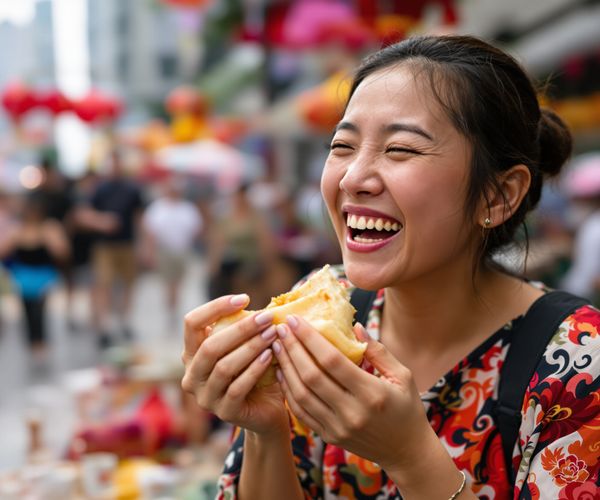
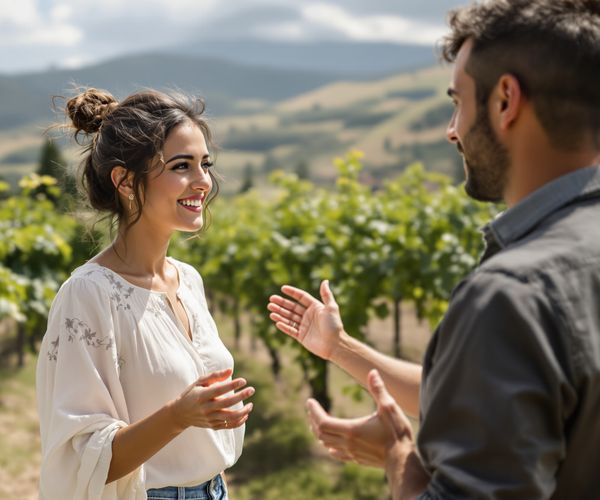
- Capture Candid Moments: Focus on capturing candid moments and authentic experiences. These are the moments that truly tell a story.
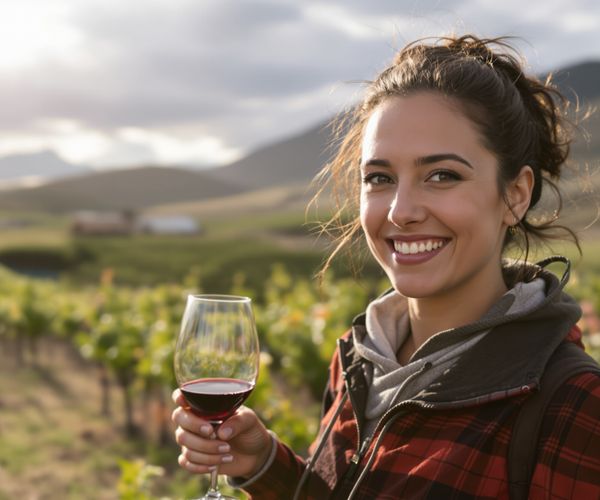
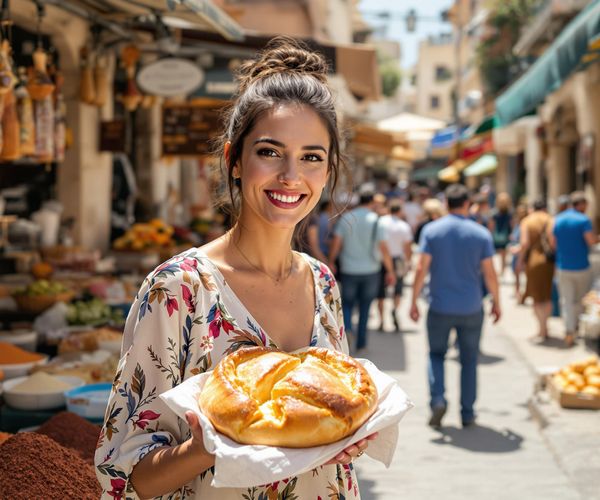
- Incorporate Local Culture: Pay attention to the details that showcase the local culture, such as food, architecture, and traditions.
- Capture Emotions: Try to capture the emotions and expressions of the people you meet. These can convey the spirit of the place you're visiting.
Consider creating a photo essay or series of images that narrate your journey. This is a wonderful way to share your experiences with others.
Tips for Shooting in Different Lighting Conditions
Lighting can make or break a photo. Understanding how to work with different lighting conditions is essential.
- Golden Hour and Blue Hour: The golden hour (shortly after sunrise and before sunset) and blue hour (just before sunrise and after sunset) offer soft, warm light that's perfect for photography.
- Bright Sunlight: When shooting in bright sunlight, look for shadows or open shade to avoid harsh lighting. You can also use a polarizing filter to reduce glare and enhance colors.
- Low Light: In low-light conditions, use a tripod to keep your camera steady. Increase your ISO (but be mindful of noise) and shoot in RAW format to capture as much detail as possible.
- Sunrises and Sunsets: To capture vibrant colors during sunrises and sunsets, use a tripod and shoot in RAW format. Experiment with different white balance settings to find the look you like best.
- HDR: HDR (High Dynamic Range) techniques can help you capture scenes with a wide range of light and shadow. Most smartphones and cameras have an HDR mode.
Post-Processing Tips for Enhancing Your Travel Photos
Post-processing is the final step in the photography process. It allows you to enhance your photos and bring out their full potential.
- Photo Editing Software: There are many user-friendly photo editing software options available, such as Adobe Lightroom, Capture One, and Luminar AI.
- Basic Editing Techniques: Start by adjusting the exposure, contrast, and white balance. These basic adjustments can make a big difference in the overall look of your photos.
- Enhance Colors and Details: Use tools like saturation, vibrance, and clarity to enhance colors and details. Be careful not to overdo it!
- Correct Lens Distortion: Many photo editing software programs have tools to correct lens distortion and perspective issues.
Finally, always back up your photos and organize them for easy access and sharing. I use a combination of cloud storage and external hard drives to keep my photos safe.
Photography tips for capturing memorable travel moments, inspired by Yael's passion for photography.