
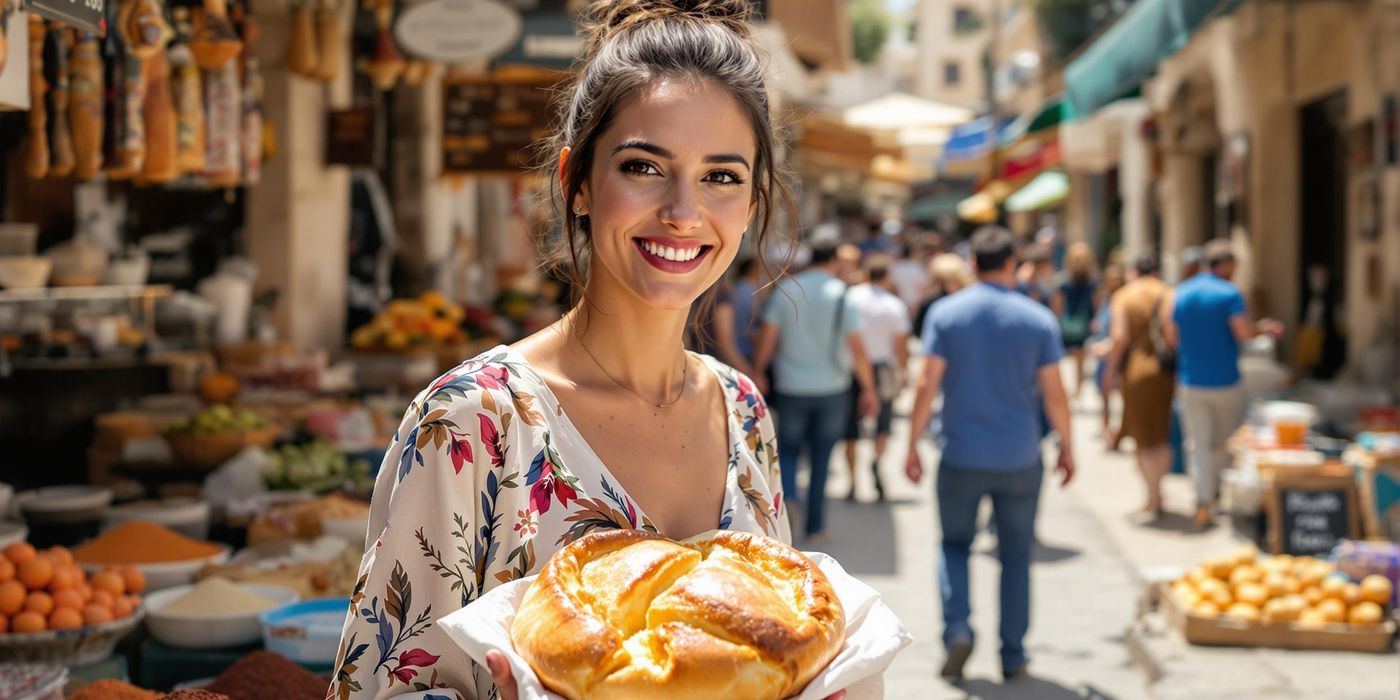
Hello fellow travelers! It's Yael here, ready to whisk you away on another delicious adventure. Today, we're diving deep into the heart of culinary travel – exploring how food can be so much more than just sustenance; it's a gateway to understanding cultures, histories, and the very soul of a place. So, grab your forks (and your passports!), and let's get started.
The Essence of Culinary Travel
For me, travel has always been about more than just seeing the sights. It's about connecting with the people, understanding their stories, and immersing myself in their way of life. And what better way to do that than through food? Food is the universal language, a common thread that weaves through every culture on earth. It's in the vibrant spices of a Moroccan tagine, the comforting warmth of an Italian pasta dish, and the delicate flavors of Japanese sushi.
I still remember the first time I truly understood the power of culinary travel. It was years ago, during a trip to my birth country, Israel. I spent an afternoon with my grandmother, learning to make her famous Kubaneh, a traditional Yemenite Jewish bread. As we kneaded the dough and shared stories, I felt a connection to my heritage that I had never experienced before. That day, food became more than just a meal; it became a symbol of family, tradition, and love. These experiences enhance our travel memories, transforming them into something truly special.
Every dish tells a story, and every bite is a lesson in history. When you eat local, you're not just tasting flavors; you're tasting the land, the climate, and the traditions that have shaped a community for generations.
Finding Authentic Dining Experiences
So, how do you find those authentic dining experiences that will truly tantalize your taste buds and enrich your travels? It starts with a little research. Before you even book your flights, take some time to explore the local cuisine of your destination. What are the must-try dishes? What ingredients are unique to the region? What are the local customs and traditions surrounding food?
Once you arrive, venture beyond the typical tourist spots. Step away from the crowded restaurants with English menus and seek out the hidden culinary gems that the locals frequent. Ask your hotel staff, your taxi driver, or even a friendly stranger on the street for their recommendations. Don't be afraid to wander down side streets and explore local neighborhoods.
Look for restaurants that prioritize local ingredients and traditional cooking methods. These are the places where you're most likely to find authentic flavors and genuine culinary experiences. Check online reviews, but take them with a grain of salt. Sometimes, the best restaurants are the ones that haven't been discovered by the masses yet.
Navigating Food Tours and Markets
One of my favorite ways to discover new culinary delights is by joining a food tour. A good food tour is like having a local guide who can lead you through the maze of flavors and introduce you to the best hidden gems. They can also provide valuable insights into the history and culture of the cuisine.
When choosing a food tour, consider your personal interests and dietary needs. Are you a vegetarian? Do you have any allergies? Are you interested in street food or fine dining? Make sure to find a tour that aligns with your preferences.
Local markets are another fantastic way to immerse yourself in the culinary culture of a place. They're a feast for the senses, with vibrant colors, exotic aromas, and a cacophony of sounds. As you wander through the stalls, take the time to interact with the vendors. Ask them about their products, their farms, and their families. You'll be surprised at how much you can learn from a simple conversation.
I remember a fantastic food tour I took in Switzerland, where we sampled local cheeses and chocolates while learning about the country's rich culinary history. Another memorable experience was exploring the street food scene in Bangkok, where I tried everything from Pad Thai to mango sticky rice. And who can forget the bustling markets of Hanoi, where I discovered the secrets of Vietnamese Pho?
Embracing Cultural Understanding Through Cuisine
Food has the power to bridge cultural gaps and foster empathy. When you share a meal with someone from a different background, you're not just sharing food; you're sharing stories, experiences, and perspectives.
Understanding dining etiquette in different cultures is also crucial. What's considered polite in one country might be offensive in another. For example, in some cultures, it's customary to eat with your hands, while in others, it's considered impolite. Doing a little research beforehand can go a long way in showing respect for local customs.
Food traditions often reflect a community's values and history. For example, the communal meals of Ethiopian culture emphasize sharing and togetherness, while the elaborate tea ceremonies of Japan reflect a deep appreciation for ritual and harmony. Each tradition offers a glimpse into the soul of a culture.
So, I encourage you to try new cuisines with an open mind and a willingness to learn. Don't be afraid to step outside your comfort zone and sample unfamiliar flavors. You might just discover your new favorite dish!
Tips for Sustainable Culinary Travel
As travelers, it's our responsibility to minimize our impact on the environment and support local communities. When it comes to culinary travel, there are several ways to do this.
One of the most important things you can do is to support local farmers and businesses through your food choices. Shop at local markets, eat at family-owned restaurants, and buy locally sourced products. This helps to boost the local economy and ensures that your money stays within the community.
Reducing food waste is another important consideration. Be mindful of your ordering habits and avoid over-ordering. If you have leftovers, ask for a doggy bag and take them with you. Consider composting food scraps if possible.
Choosing eco-friendly restaurants and food tours is also a great way to travel sustainably. Look for businesses that prioritize sustainable practices, such as using locally sourced ingredients, reducing waste, and conserving energy.
Culinary tourism has a significant impact on local economies and environments. By making conscious choices, we can help to ensure that this impact is positive and sustainable. Remember the importance of sustainability, authenticity, and immersive storytelling. Let's explore the world responsibly, one delicious bite at a time.
Explore how to enhance your travel experiences by indulging in local cuisines, drawing from Yael's love for food and wine.