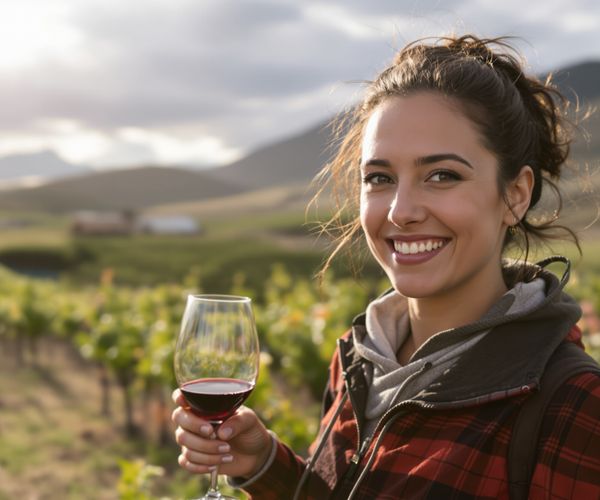
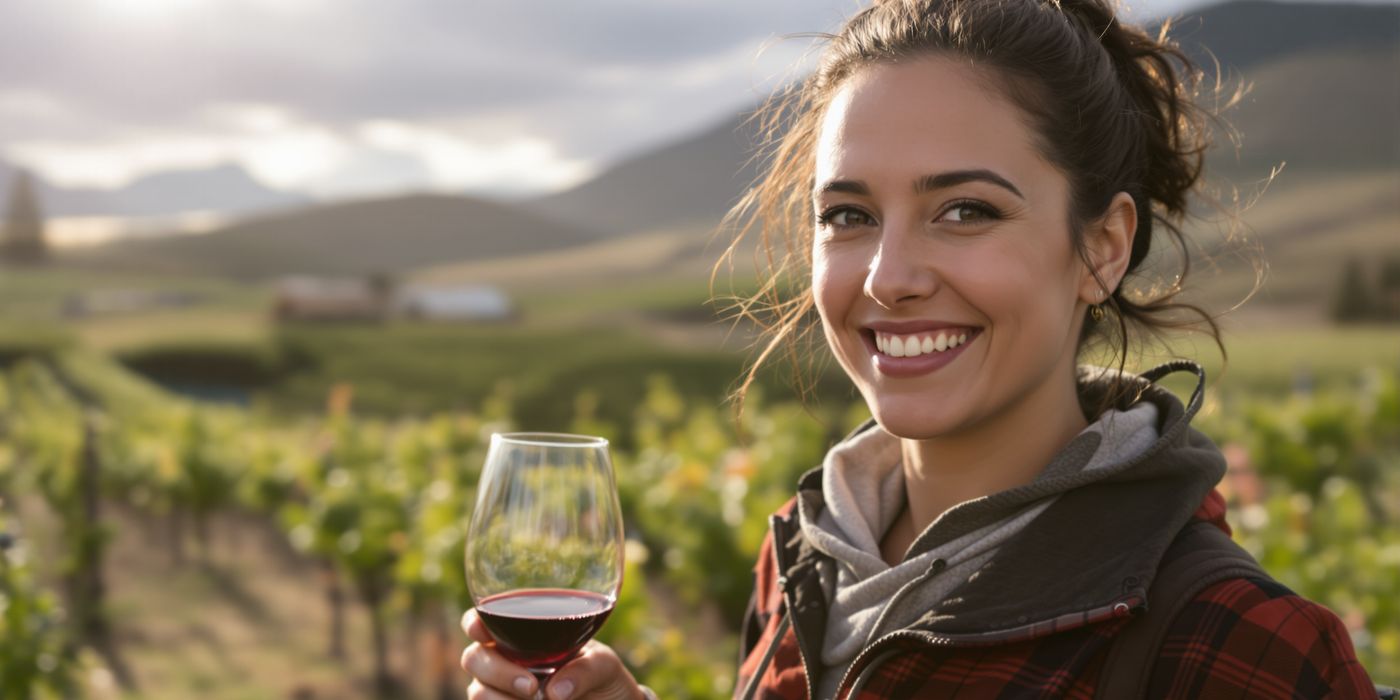
As a freelance UX designer living in Kelowna, Canada, with my Canadian husband and our daughter, Maya, I've found a unique way to blend my love for travel, culture, and, of course, wine. My Israeli roots instilled in me a deep appreciation for history and exploration, which I now channel into discovering the world's wine regions. Come along as I share my tips for making the most of your wine tasting adventures, ensuring they're both enriching and respectful.
Planning Your Wine Tasting Trip
The key to a memorable wine tasting trip lies in careful planning. Don't just stick to the well-trodden paths of Napa or Bordeaux. Venture into lesser-known regions like the Okanagan Valley in British Columbia (my home!), or the emerging wine regions of Georgia or Slovenia. You'll often find more intimate experiences and unique varietals.
Consider the season when planning your visit. Harvest time (typically late summer/early autumn) is bustling and exciting, but also the most crowded. Spring offers beautiful scenery as the vines awaken, while winter can provide a quieter, more contemplative experience. Each season offers a different perspective on the winemaking process.
Always book your tours and tastings in advance, especially during peak season. Many smaller vineyards offer limited spots and personalized experiences that are worth securing. Check if they offer guided tours of the vineyards and cellars to gain a deeper understanding of their winemaking philosophy.
Think about how you'll get around. If you plan on indulging in several tastings, it's crucial to arrange safe transportation. Rental cars offer flexibility, but consider hiring a designated driver or utilizing public transport options if available. Many wine regions also offer shuttle services or guided tours that handle transportation logistics.
Vineyard Etiquette: Respecting the Culture
Remember, you're a guest in someone's home and workplace. Dress respectfully. While there's no strict dress code, avoid overly casual attire like beachwear. Opt for comfortable yet presentable clothing. I usually go for something practical, like a comfortable flowy top with jeans.
Punctuality is key. Arrive on time for your scheduled tours and tastings. Vineyards operate on a schedule, and lateness can disrupt the experience for others and show disrespect to the hosts.
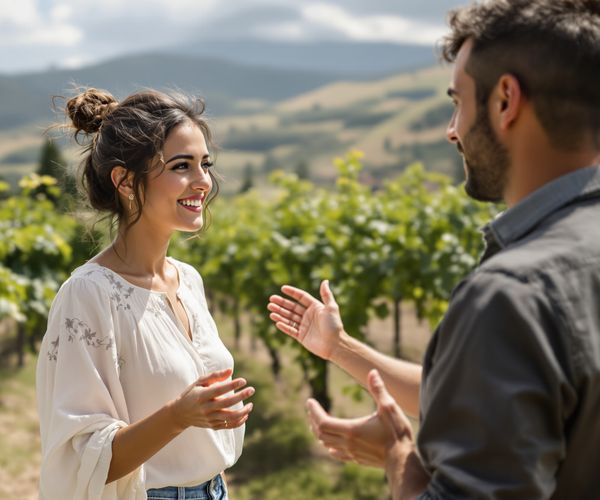
Engage with the staff! Ask questions about the winemaking process, the history of the vineyard, and the unique characteristics of the wines. Showing genuine interest will enrich your experience and foster a connection with the people behind the wine.
Be mindful of photography guidelines. Some vineyards may restrict photography in certain areas to protect their equipment or maintain the ambiance. Always ask for permission before taking photos, especially of people.
Tasting Like a Pro: Enhancing Your Experience
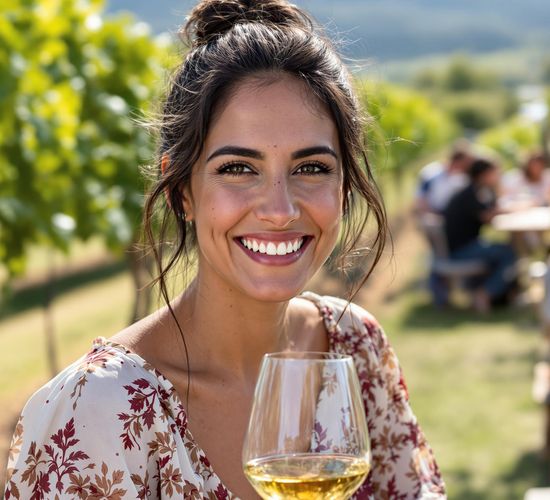
Wine tasting is more than just drinking; it's an art form! Start by swirling the wine in your glass to release its aromas. Then, bring the glass to your nose and inhale deeply, identifying different scents like fruits, spices, or floral notes.
Take a small sip and let the wine coat your palate. Pay attention to the flavors, the tannins (the dryness or astringency), and the acidity. Consider the wine's body (light, medium, or full) and its finish (how long the flavors linger after you swallow).
Understanding tasting notes can greatly enhance your appreciation. Common terms include descriptors like “citrusy,” “earthy,” “oaky,” or “tannic.” Don't be afraid to ask the staff to explain the tasting notes for each wine.
Pairing wine with food can elevate both the wine and the meal. Ask for recommendations on complementary pairings. A crisp white wine might pair well with seafood, while a bold red wine could complement a hearty steak.
Keep a small notebook or use a wine tasting app to record your impressions. Note the name of the wine, the vintage, your tasting notes, and any food pairings you enjoyed. This will help you remember your favorites and develop your palate over time.
Beyond the Tasting Room: Immersing Yourself in Local Wine Culture
Don't limit your experience to the tasting room. Explore the local cuisine. Wine and food are intrinsically linked, and experiencing regional dishes will deepen your understanding of the local culture. I love trying to recreate dishes I've tasted on my travels once I get back home!
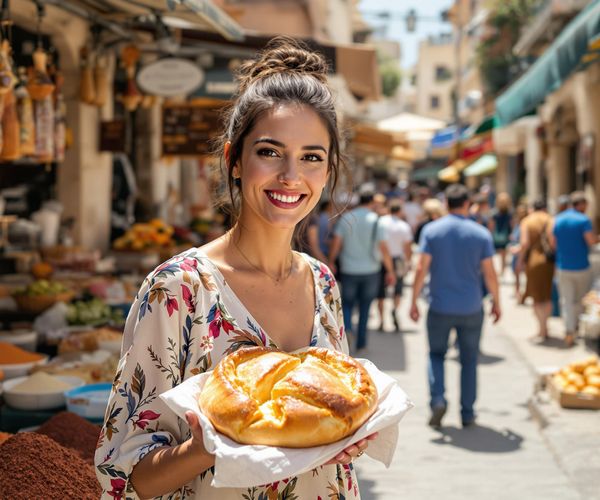
Visit local markets to discover regional products that complement the wines. Cheeses, artisanal breads, olive oils, and cured meats can all enhance your tasting experience.
Check if there are any wine festivals or events happening during your visit. These events offer a fantastic opportunity to celebrate wine with locals and learn about the region's winemaking traditions.
Take the time to learn about the winemaking traditions of the region. Understanding the history, the grape varietals, and the unique techniques used by local winemakers will give you a greater appreciation for the wine itself.
Sustainable Wine Tourism: Respecting the Environment
As a strong believer in sustainable living, I always try to choose eco-friendly vineyards that prioritize sustainable practices. Look for certifications like organic or biodynamic, and inquire about their water conservation efforts and waste management practices.
Support local businesses whenever possible. By purchasing wine and other products directly from the vineyards and local artisans, you contribute to the local economy and help preserve the region's unique character.
Reduce your carbon footprint by considering your transportation and accommodation choices. Opt for public transport, bike rentals, or eco-friendly hotels whenever possible.
Most importantly, respect the natural landscape. Stay on designated paths, avoid littering, and leave no trace behind. Let's ensure that these beautiful wine regions remain pristine for future generations to enjoy.
Tips for wine enthusiasts traveling to different wine regions, encouraging appreciation of local wine culture, vineyard etiquette, and tasting tips.