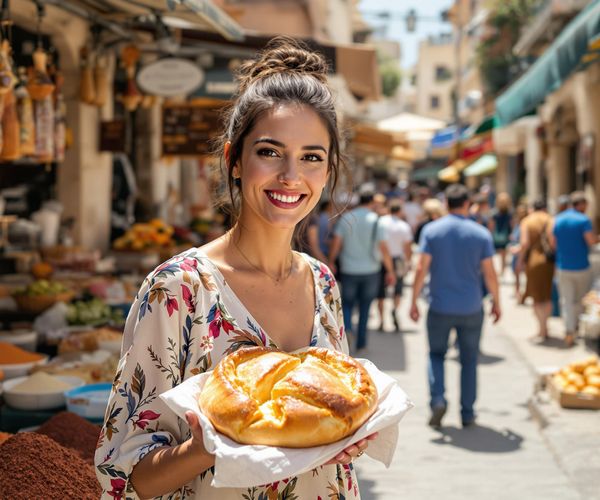

As someone who grew up in the vibrant and historically rich land of Israel and now calls Canada home, I’ve always been drawn to experiences that go beyond the typical tourist traps. For me, travel isn't just about seeing famous landmarks; it's about connecting with the heart and soul of a place. It's about immersing myself in the local culture, understanding its history, and respecting its traditions.
Beyond the Tourist Trail: Defining Cultural Immersion
Cultural immersion is more than just ticking off items on a sightseeing list. It's about actively engaging with the local community and environment. Think of it as stepping into the shoes of a local, even if just for a little while. It's about swapping the role of a passive observer for that of an active participant. It's the difference between seeing a monument and understanding its significance to the people who live around it.
For instance, when Liam, Maya, and I visited a small village in Tuscany, we didn't just take photos of the rolling hills. We spent an afternoon helping a local family harvest grapes, learning about their wine-making traditions that have been passed down through generations. That's cultural immersion.
Respecting History: Understanding a Destination's Past
Before I even book a flight, I dive into the history of my destination. Understanding a place's past is crucial; it provides context and depth to your travel experience. It transforms a simple visit into a meaningful journey. Without this understanding, you risk missing the nuances and complexities that make a culture unique.
During a trip to Berlin, I made it a point to visit not only the iconic Brandenburg Gate but also the less-visited East Side Gallery and the Jewish Museum. Learning about Germany's turbulent past allowed me to appreciate the city's resilience and its commitment to remembrance. Understanding historical context can also prevent cultural misunderstandings. What might seem like an innocuous gesture could be deeply offensive if it clashes with local customs rooted in historical events.
Speak the Language: The Power of Local Communication
Even mastering a few basic phrases in the local language can dramatically enhance your interactions with locals. It shows respect and a willingness to connect on a deeper level. You don't need to be fluent; even a simple “Shalom” in Israel or “Bonjour” in France can go a long way.
I remember once being hopelessly lost in a maze of streets in Kyoto, Japan. Armed with only a few Japanese phrases I had learned, I approached an elderly woman for help. Not only did she guide me back to the right path, but she also shared a fascinating story about the history of the neighborhood. That interaction wouldn't have been possible without attempting to speak her language. Speaking Hebrew fluently has opened countless doors for me during my travels, allowing me to engage in meaningful conversations and build lasting connections with people from all walks of life. While English is widely spoken in many tourist destinations, making an effort to communicate in the local tongue truly bridges the gap.
Tasting Traditions: Exploring Culture Through Cuisine
Food is an integral part of any culture. Exploring a destination through its cuisine is a delicious way to connect with its people and traditions. Forget the familiar fast-food chains; seek out authentic local eateries and dishes. Ask locals for recommendations; they always know the best hidden gems.
In Mexico, I didn't just eat tacos; I learned how to make them from scratch with a family in Oaxaca. I discovered the secrets of mole sauce and the importance of corn in Mexican culture. Trying new foods and drinks is an adventure in itself. Be open to unfamiliar flavors and textures; you might just discover your new favorite dish.
Embrace Local Customs: Participating Respectfully
Before traveling to a new destination, it's essential to research and understand local customs and traditions. What is considered polite in one culture might be offensive in another. For example, in some countries, it's customary to remove your shoes before entering someone's home. In others, it's considered rude to eat with your left hand.
During a visit to Thailand, I made sure to dress modestly when visiting temples and to avoid pointing my feet at anyone, as it's considered disrespectful. By being mindful of these cultural nuances, you demonstrate respect and sensitivity, fostering positive interactions with locals. Sustainable and ethical travel practices are also crucial. Support local businesses, minimize your environmental impact, and avoid activities that exploit people or animals. We always try to leave a place better than we found it.
Engage with the Arts: Experiencing Local Expression
Art is a powerful reflection of a culture's values, beliefs, and emotions. Whether it's music, dance, theater, or visual arts, experiencing local art forms can provide profound insights into the heart of a community. Attending local festivals and cultural events is a fantastic way to immerse yourself in the vibrant tapestry of a destination.
When we were in Buenos Aires, we didn't just watch a tango show; we took a tango lesson and learned about the history and passion behind this iconic dance. We also explored the colorful street art in the La Boca neighborhood, which told stories of the city's past and present. Art is everywhere; you just need to open your eyes and ears to appreciate it.
Tips for travelers on how to engage with local cultures for a more enriching experience. Highlight the importance of understanding history and traditions. Provide examples of cultural practices and how to respectfully participate.