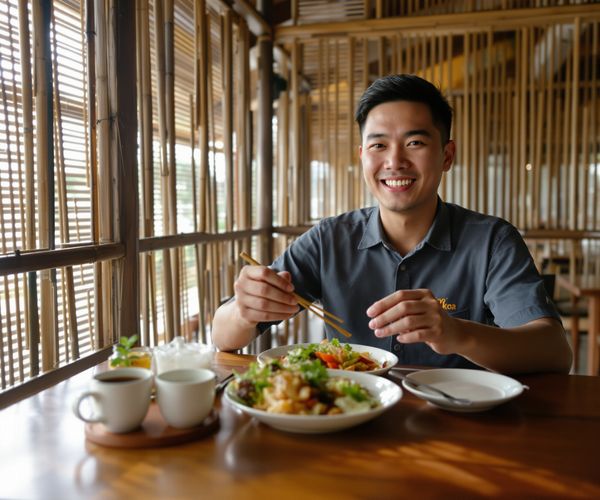
A Solo Cultural Retreat in Kyoto, Japan
Day 10: Finding Serenity in Kyoto's Sacred Spaces: A Day of Imperial Villas and Ancient Shrines
Discover Kyoto's tranquil beauty with visits to Shugakuin Imperial Villa, Shimogamo Shrine, and Kamigamo Shrine, each a unique cultural gem.

Whispers of Emperors and Gods
Today was a day of quiet reflection, a journey through Kyoto's serene landscapes and sacred spaces. It was about connecting with the city's history, its emperors, and the ancient beliefs that have shaped its identity. I find myself drawn to places where the past feels palpable, where the echoes of bygone eras resonate in the present. Today was one of those days, filled with moments of peace and a deeper understanding of Kyoto's soul.
My day began with an early breakfast at Ajikyu. Tucked away in a quiet corner, it felt like stepping into someone's home. The reviews I had read were spot-on – a tiny, intimate space run by a friendly couple. I opted for a traditional Japanese breakfast set, a delicate assortment of grilled fish, miso soup, and pickled vegetables. It was the perfect way to start a day dedicated to exploring Kyoto's cultural heritage. The fish, salted and grilled to perfection, was a testament to the chef's skill and the quality of the ingredients. It reminded me of the simple, yet profound, flavors of my childhood in Sighisoara, where meals were often a celebration of local produce and traditional recipes.
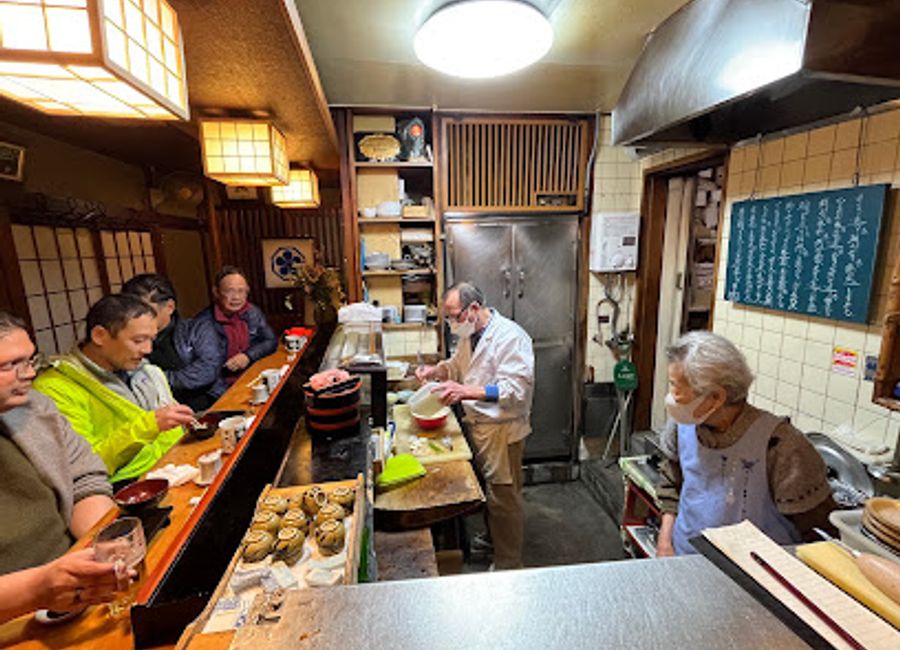
Discover authentic Japanese dining at Ajikyu in Kyoto—where tradition meets exquisite culinary artistry.
My first destination was the Shugakuin Imperial Villa, a sprawling estate built in the 17th century by Emperor Gomizuno. Securing a tour reservation in advance through the Imperial Household Agency was essential. The villa is closed on Mondays and New Year holidays (December 28 - January 4), so I made sure to plan accordingly. The villa is only accessible through guided tours, a small price to pay to see such a beautiful place. The tour, lasting about an hour and twenty minutes, took me through the Upper, Middle, and Lower Villa areas, each showcasing meticulously designed gardens and traditional imperial architecture. Although entering the buildings isn't permitted, the open doorways offered glimpses into a world of elevated tatami mats and painted panels. The audio guide provided insightful commentary, enriching the experience.

Experience the tranquil beauty and rich history of Shugakuin Imperial Villa, a stunning blend of architecture and nature in Kyoto's serene landscapes.
The villa itself is a testament to Japanese landscape design, incorporating the surrounding scenery into its gardens. As I wandered through the meticulously manicured landscapes, I felt a sense of tranquility wash over me. The crisp winter air, the gentle rustling of bamboo, and the distant views of the surrounding mountains created a symphony of serenity. It was easy to imagine Emperor Gomizuno seeking refuge here, finding solace in the beauty of nature.
The best view comes after the hardest climb.
Next on my itinerary were the Shimogamo Shrine and Kamigamo Shrine, both UNESCO World Heritage sites and integral to Kyoto's spiritual landscape. Shimogamo Shrine, nestled at the edge of the Tadasu-no-Mori forest, exuded an aura of ancient mystique. As I walked through the towering trees, sunlight dappling through the canopy, I felt a connection to the generations of worshippers who had traversed this path before me. The shrine itself, with its vermilion structures and intricate details, was a testament to the enduring power of Shinto beliefs.
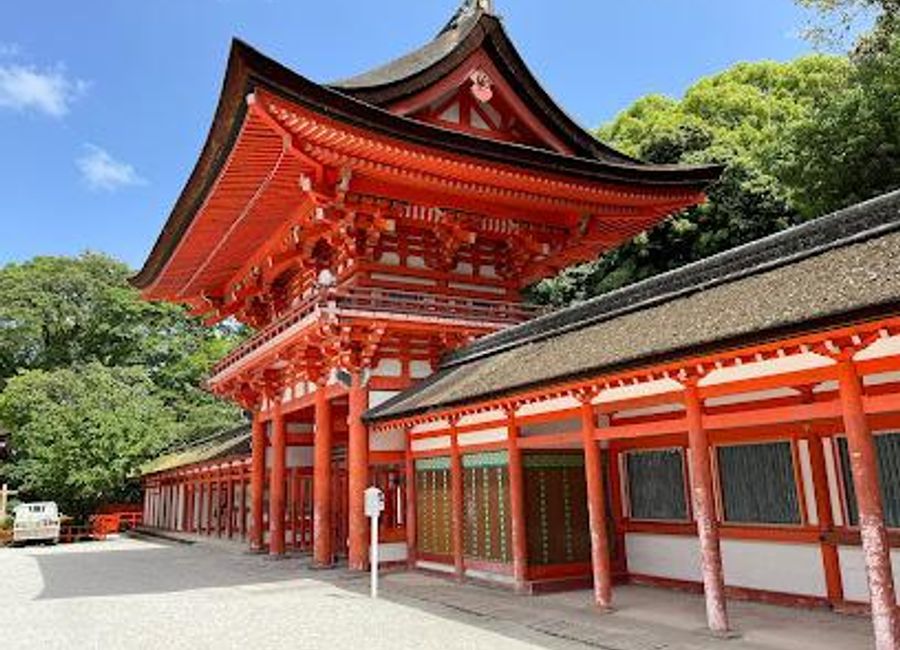
Explore the serene beauty and rich cultural heritage of Shimogamo Shrine, a UNESCO World Heritage Site in Kyoto, Japan.
I took a moment to explore Kawai-jinja Shrine, a small sub-shrine within the Shimogamo complex, dedicated to beauty and female guardianship. The unique kagami-ema, mirror-shaped wooden plaques for writing wishes, were particularly charming. I couldn't resist purchasing one, carefully applying makeup to the blank face and writing a heartfelt prayer for Sofia's happiness and well-being. It was a small gesture, but it felt deeply meaningful.
Kamigamo Shrine, located further north, was equally captivating. This shrine is also one of the oldest Shinto shrines, with spiritual practices traceable back to the 6th century. I was particularly interested in the shrine's architecture, especially the Honden Sanctuary. In the New Year's season, the main hall sports a gigantic purification arrow leaning against its façade. I also found the twin tatesuna sand cones in front of the Hosodono Hall fascinating. They represent Mt. Koyama, which is considered the origin of both Kamigamo Jinja and the Aoi Festival. I learned that Kamigamo Shrine flourished under imperial patronage, receiving visits from emperors and being designated as one of the twenty-two chief Shinto shrines.

Experience the beauty and spirituality of Kamigamo Shrine, a historic Shinto sanctuary in Kyoto surrounded by lush nature and rich cultural heritage.
Before lunch, I took a detour to D&DEPARTMENT KYOTO, a shop located within the grounds of a Buddhist temple. The theme of the shop is long life design and offers a variety of locally made goods, from tableware to clothing. It was a delightful place to browse, and I ended up purchasing a beautiful ceramic tea set as a souvenir for Pieter. I thought it would be a lovely reminder of my trip, something we could use together during our quiet evenings at home in Amsterdam.
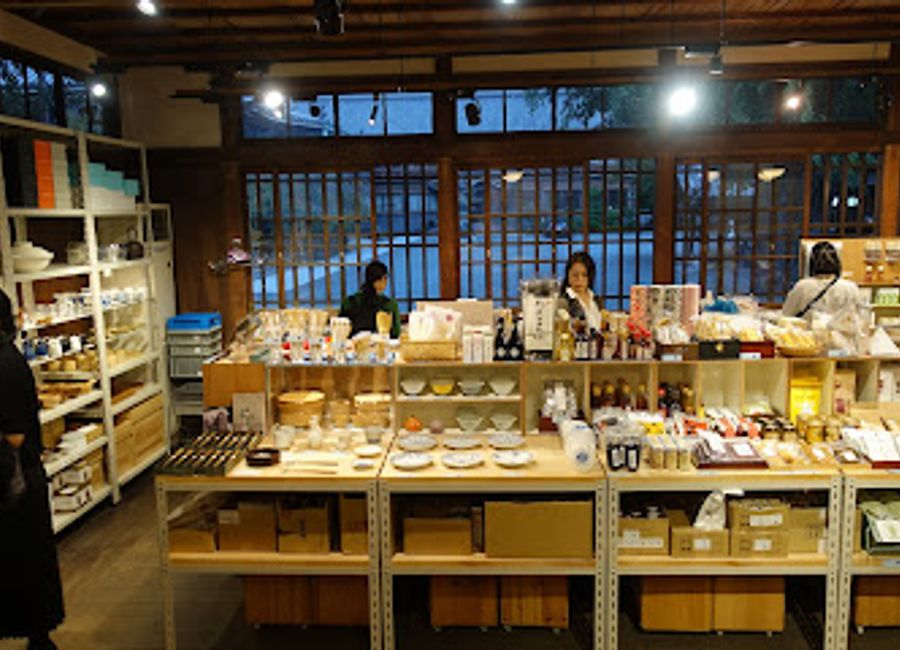
Explore D&DEPARTMENT KYOTO, where traditional artistry meets culinary excellence in a tranquil temple setting.
For lunch, I ventured to Nishiri Restaurant, drawn by its focus on tsukemono, Japanese pickled vegetables. I had read that the restaurant is located at the back of a traditional Tsukemono Shop on the main street of Kyoto, which made it feel like a hidden treasure. I opted for the tsukemono set, a colorful assortment of pickled vegetables served sushi-style with miso and rice. It was a surprisingly delightful meal, a testament to the versatility and artistry of Japanese cuisine. I appreciated the restaurant's commitment to showcasing local specialties and its affordability, which made it accessible to all.

Discover authentic Japanese delicacies at Nishiri Restaurant, where culinary artistry meets Kyoto's rich heritage.
In the late afternoon, I decided to do some shopping. I made my way to D&DEPARTMENT KYOTO. I had read about it in one of my travel guides and was intrigued by its focus on long-life design. The shop, housed in a quiet temple precinct, offered a curated selection of local crafts, furniture, and homewares. I found myself drawn to a set of handcrafted ceramic bowls, each one unique in its shape and glaze. I imagined using them to serve traditional Romanian dishes with a Dutch twist, a fusion of my heritage and my current life in Amsterdam.
As evening approached, I made my way to Arash's Kitchen for dinner. After days of traditional Japanese cuisine, I was craving something different. Arash's Kitchen, a Persian and Indian Halal restaurant, offered a welcome change of pace. The reviews I had read praised its authentic flavors and friendly hospitality. I ordered a flavorful lamb kebab with saffron rice and a side of hummus. The aroma of spices filled the air, transporting me back to the bustling markets of Sighisoara. It was a comforting meal, a reminder of the diverse culinary landscape of my homeland.

Experience authentic Asian cuisine at Arash's Kitchen in Kyoto—a culinary delight for every traveler seeking unique flavors.
Reflecting on my day, I realized that Kyoto had a way of drawing you in, of revealing its secrets slowly and deliberately. It was a city that demanded patience, a willingness to wander off the beaten path and to embrace the unexpected. As I prepared for my final day in Kyoto, I felt a sense of gratitude for the experiences I had shared, for the moments of quiet reflection, and for the opportunity to connect with the city's rich cultural heritage.
Tomorrow, I plan to visit Higashiyama Jisho-ji, also known as the Silver Pavilion, Ginkaku-ji, and the Kyoto Station Daikaidan (Great Staircase). I am also considering having dinner at Yoshikawa, which offers traditional Japanese cuisine.
As I drifted off to sleep, I thought about the journey ahead, about the challenges and opportunities that awaited me. But for now, I was content to savor the memories of this day, a day of whispers of emperors and gods, a day of finding serenity in Kyoto's sacred spaces.
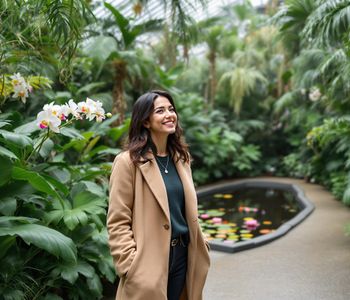

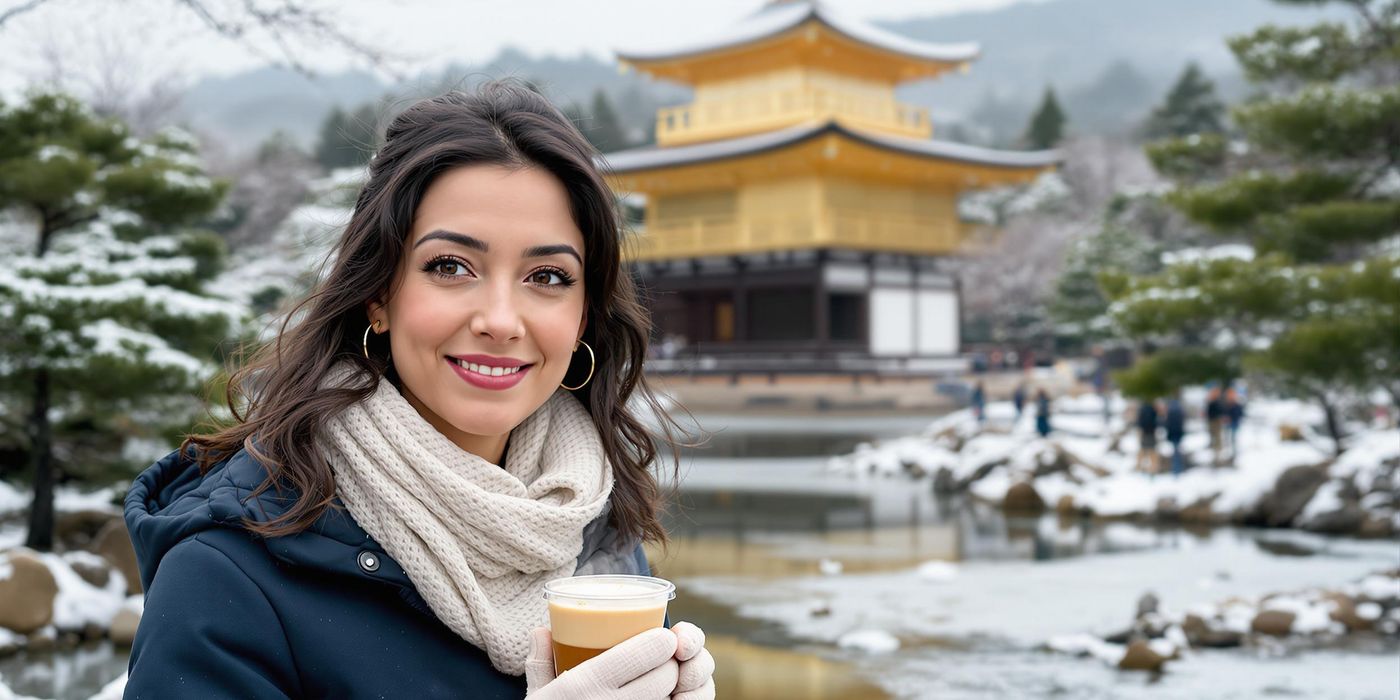
Explore the rich history and serene beauty of Kyoto on a solo adventure, blending cultural immersion with relaxation.
Meet this Featured Explorer

-
 Occupation:
Freelance Translator and Travel Blogger
Occupation:
Freelance Translator and Travel Blogger
-
 Country:
Netherlands
Country:
Netherlands
-
 Age:
42
Age:
42
Hello there! I'm Andreea, a travel blogger and freelance translator originally from the charming medieval town of Sighisoara, Romania. Now, I call Amsterdam home, where I live with my wonderful husband, Pieter, and our curious daughter, Sofia. My blog is a space where I share my passion for exploring new cultures, uncovering historical sites, and embracing sustainable travel. Whether I'm cycling through Amsterdam's canals, cooking traditional Romanian dishes with a Dutch twist, or embarking on a new adventure with my family, I'm always seeking authentic and enriching experiences. Join me as I blend historical facts with personal anecdotes, offering practical tips and insights to inspire your own travel adventures!
- History
- Linguistics
- Cultural Anthropology
- Photography
- Sustainable Living
Find Similar Travel Diaries
Explore locations from this diary
-
The Royal Park Hotel Iconic Kyoto
Experience the perfect blend of modern comfort and traditional charm at The Royal Park Hotel Iconic Kyoto, your ideal base for exploring this historic city.
-
Shugakuin Imperial Villa
Experience the tranquil beauty and rich history of Shugakuin Imperial Villa, a stunning blend of architecture and nature in Kyoto's serene landscapes.
-
Shimogamo Shrine
Explore the serene beauty and rich cultural heritage of Shimogamo Shrine, a UNESCO World Heritage Site in Kyoto, Japan.
-
Kamigamo Shrine
Experience the beauty and spirituality of Kamigamo Shrine, a historic Shinto sanctuary in Kyoto surrounded by lush nature and rich cultural heritage.
-
Ajikyu
Discover authentic Japanese dining at Ajikyu in Kyoto—where tradition meets exquisite culinary artistry.
-
Nishiri Restaurant
Discover authentic Japanese delicacies at Nishiri Restaurant, where culinary artistry meets Kyoto's rich heritage.
-
Arash's Kitchen
Experience authentic Asian cuisine at Arash's Kitchen in Kyoto—a culinary delight for every traveler seeking unique flavors.
-
D&DEPARTMENT KYOTO
Explore D&DEPARTMENT KYOTO, where traditional artistry meets culinary excellence in a tranquil temple setting.