Family Adventure in Historic Kyoto
Day 6: Finding Serenity in Stone and Moss: A Day of Reflection in Kyoto's Temples
Explore Kyoto's tranquil temples: Ryoan-ji's Zen garden, Ninna-ji's imperial beauty, and Kokedera's mossy wonderland with the family.
Whispers of the Past, Echoes of the Present
Today was a day steeped in reflection, wandering through the serene landscapes of Kyoto's temples. It's amazing how these ancient spaces, untouched by time, can offer such profound insights into the present. As we continue our family adventure, I'm learning that the true essence of travel lies not just in seeing new places, but in feeling their stories and letting them resonate within us.
Our first stop was Ryoan-ji, a place I’d been particularly eager to experience. The allure of its enigmatic rock garden has always intrigued me, and I wanted to see it for myself. We fueled up for the day at Oryori Menami, a local spot known for its *obanzai*, Kyoto-style home cooking. It was a delightful way to start the day, savoring the gentle flavors and textures of traditional dishes. The Michelin Guide seems to agree, having awarded them the Bib Gourmand for several years. It's amazing to see how a simple meal can encapsulate so much history and culinary artistry.

Discover the tranquility of Ryōan-ji, a Zen Buddhist temple in Kyoto, featuring a world-famous rock garden and serene landscapes that inspire peace and reflection.
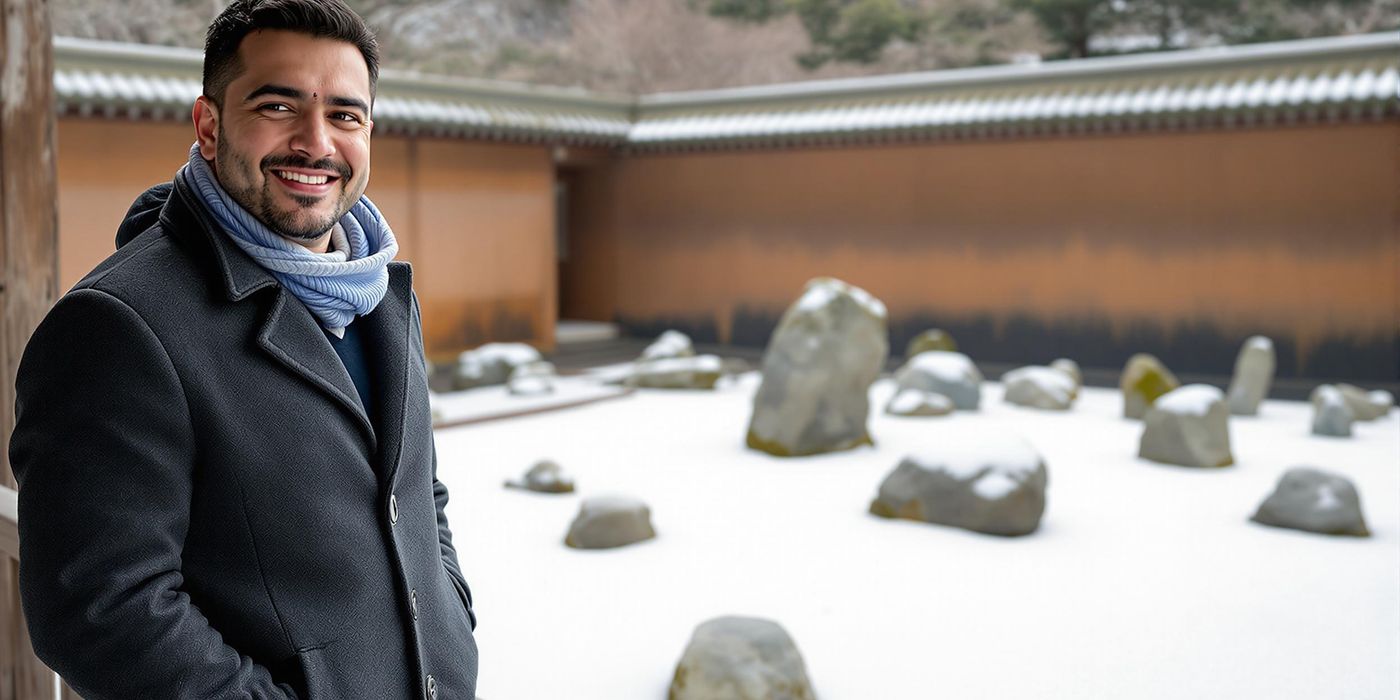
Arriving at Ryoan-ji, the crisp winter air carried a sense of stillness, a perfect prelude to the Zen garden that awaited us. Mateo, surprisingly, was captivated by the meticulously arranged rocks and the raked gravel. I tried to explain the concept of *karesansui*, the dry landscape, but I think he understood it on a more intuitive level. Lena and I watched him, fascinated by his innocent perspective on this ancient art form.
The garden itself is a masterpiece of minimalist design. Fifteen rocks, arranged in five groups on a bed of white gravel, surrounded by low earthen walls. It's said that from any vantage point, only fourteen of the fifteen rocks can be seen at once. Some say it represents islands in the sea, others mountain peaks above the clouds. For me, it was a lesson in perspective, a reminder that there's always something hidden, something more to discover if we shift our viewpoint.
The philosophy expressed here is the quintessential Zen view that richness of spirit comes from “learning only to be content” – knowing satisfaction instead of longing, and being happy with what one has.
After Ryoan-ji, we made our way to Ninna-ji Temple, a short ten-minute walk away. Founded in 888 by Emperor Uda, it has strong ties to the imperial family. The sheer scale of the place was impressive, and the architecture was stunning. Although the original buildings didn't survive the many wars and fires that ravaged Kyoto, the reconstructed Edo-period structures were a testament to the city's resilience.

Discover the tranquility and beauty of Ninna-ji Temple, a UNESCO World Heritage Site in Kyoto, showcasing stunning architecture and serene gardens.
We explored the *Goten*, the former residence of the head priest, marveling at the elegantly painted sliding doors and the serene rock and pond gardens. The winter light cast long shadows across the landscape, adding to the sense of tranquility. I could almost imagine emperors and aristocrats strolling through these very halls centuries ago.
For lunch, we chose Kyoto cuisine Hanasaki Nishikiten, a restaurant that promised an authentic taste of Kyoto's culinary heritage. Nestled in a quiet corner near Nishiki Market, the restaurant exuded the charm of an old townhouse. The food was exquisite, each dish a carefully crafted work of art. Mateo, ever the adventurous eater, even tried some *tofu* from Fujino's family in Kyoto Nishiki Market. It was a meal that truly captured the essence of Kyoto.

Discover authentic Kyoto cuisine at Hanasaki Nishikiten—where tradition meets culinary artistry in every exquisite dish.
Our final temple of the day was Kokedera, the Moss Temple, also known as Saiho-ji. This UNESCO World Heritage Site is famous for its stunning moss garden, home to over 120 different varieties. Getting in requires advance reservations, a testament to its popularity and the desire to preserve its tranquility. Unfortunately, children up to the age of 12 are not allowed in the Moss Temple garden, so Mateo and I had to sit this one out. Lena went in alone.
During winter (mid January to February), the garden is closed to tourists to allow it to rest and undergo maintenance work. Instead, visitors can tour the temple's main hall and see its many *fusuma* sliding screens which adorn paintings of 20th century painter Domoto Insho. Instead of copying a *sutra*, visitors can participate in *zazen* meditation during a winter visit.
Lena described it as stepping into another world. The moss, in its various shades of green, carpeted the ground, creating a surreal and magical atmosphere. The experience wasn't just about the visual beauty; it was about the sounds, the smells, and the feeling of being immersed in nature. She said it was so quiet that you could hear your own heartbeat. The garden's design is meant to inspire a sense of peace and connection with nature, and from what Lena told me, it certainly achieved that.
As the day drew to a close, we treated ourselves to a special dinner at Jiki Miyazawa. This restaurant has earned a Michelin star for its innovative take on Japanese cuisine, and I was eager to see what they had to offer. The restaurant is known for its sesame tofu and perfectly cooked rice. The ambiance was serene, with only ten counter seats, allowing for an intimate dining experience. The chef's dedication and craftsmanship were evident in every dish. They use seasonal ingredients to offer the best dishes. Especially, the appetizers, grilled dishes, and fried dishes exhibit innovative ingredient combinations, providing an opportunity to explore new flavors of Kyoto cuisine.

Indulge in an authentic Kaiseki dining experience at Jiki Miyazawa, where seasonal flavors meet exquisite presentation in the heart of Kyoto.
After dinner, we decided to unwind at Bar K6, a sophisticated spot known for its expertly crafted cocktails. It was the perfect way to end a day of temple hopping and cultural immersion. The bartender tailored cocktails to our requests, and the atmosphere was relaxed and inviting. It's the kind of place where you can easily lose track of time, sipping on fine liquor and engaging in good conversation.

Discover the vibrant nightlife of Kyoto at Bar K6, where traditional Japanese drinks meet modern bar culture in a cozy setting.
Tomorrow, we're planning to visit Higashi Hongan-ji Temple, Kyoto Tower, and the Kyoto Railway Museum. I'm particularly excited about the railway museum, as I've always been fascinated by trains. Mateo, of course, is thrilled at the prospect of seeing real-life locomotives up close. We also plan to visit the Kyoto Station ASTY Kyoto Kyoani Goods Store.
Today was a reminder that travel is not just about ticking off landmarks on a list. It's about slowing down, immersing ourselves in the local culture, and finding moments of reflection and connection. And sometimes, it's about enjoying a perfectly crafted cocktail at the end of a long day. As we continue our journey through Kyoto, I'm excited to see what other hidden gems and profound experiences await us.
I'm also reminded of what I forgot to pack – a Japanese phrasebook and extra memory cards for my camera. Note to self: always double-check the essentials!
And while I reflect on the day, I keep thinking of a quote from D.T. Suzuki:
In the beginner's mind there are many possibilities, but in the expert's there are few.


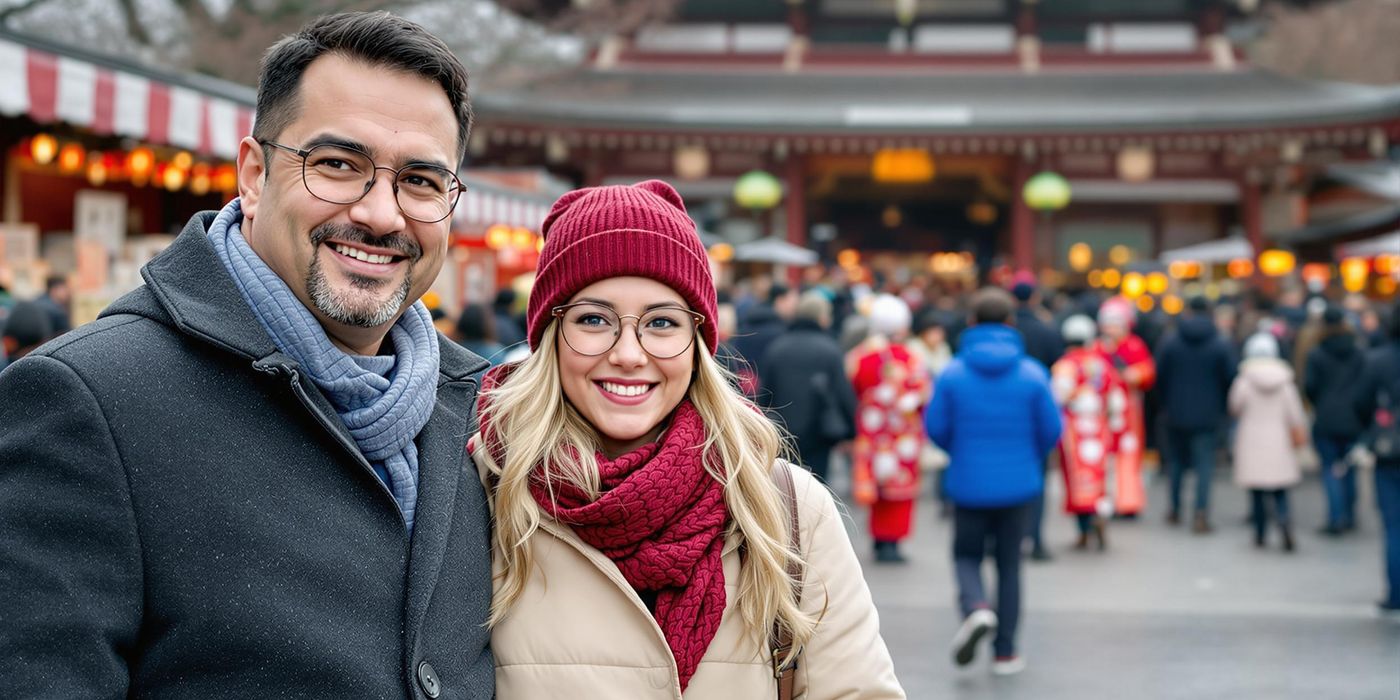
Join Carlos and family on an 11-day adventure exploring Kyoto's temples, culinary delights, and cultural wonders, creating unforgettable memories.
Meet this Featured Explorer
-
 Occupation:
Chef at a Argentinian Steakhouse
Occupation:
Chef at a Argentinian Steakhouse
-
 Country:
Germany
Country:
Germany
-
 Age:
38
Age:
38
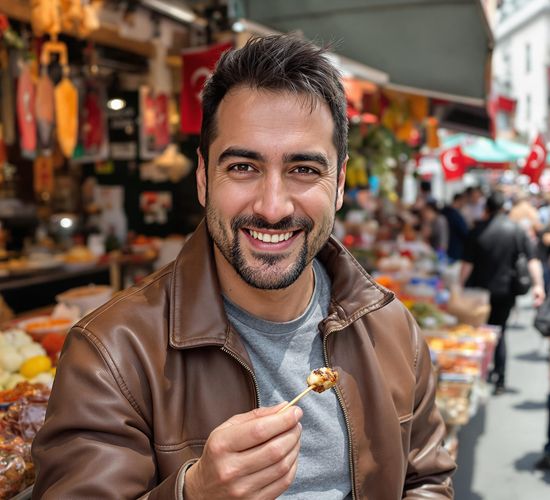
Hola, fellow travelers! I'm Carlos, an Argentinian chef living in Berlin, and the voice behind 'Tango & Travel.' I'm passionate about sharing my love for food, culture, and adventure with you. Join me as I explore the world, one delicious bite and breathtaking view at a time. Whether it's discovering hidden gems in Berlin or revisiting the vibrant landscapes of Argentina, I'm always seeking new experiences to share with my family and my readers.
Find Similar Travel Diaries
Explore locations from this diary
-
Oakwood Hotel Oike Kyoto
Discover the charm of Kyoto at Oakwood Hotel Oike, where comfort meets convenience in the heart of the city, perfect for your next adventure.
-
Ryōan-ji
Discover the tranquility of Ryōan-ji, a Zen Buddhist temple in Kyoto, featuring a world-famous rock garden and serene landscapes that inspire peace and reflection.
-
Ninna-ji Temple
Discover the tranquility and beauty of Ninna-ji Temple, a UNESCO World Heritage Site in Kyoto, showcasing stunning architecture and serene gardens.
-
Deshbandhu Museum
Explore the cultural heritage of Darjeeling at Deshbandhu Museum, where history, art, and tradition come to life in a captivating setting.
-
Oryori Menami
Experience authentic Obanzai cuisine in Kyoto's Nakagyo Ward at Oryori Menami - where tradition meets taste.
-
Kyoto cuisine Hanasaki Nishikiten
Discover authentic Kyoto cuisine at Hanasaki Nishikiten—where tradition meets culinary artistry in every exquisite dish.
-
Jiki Miyazawa
Indulge in an authentic Kaiseki dining experience at Jiki Miyazawa, where seasonal flavors meet exquisite presentation in the heart of Kyoto.
-
Bar K6
Discover the vibrant nightlife of Kyoto at Bar K6, where traditional Japanese drinks meet modern bar culture in a cozy setting.