Carmen's Solo Adventure Through the Historical Wonders of Kyoto
Day 4: Kyoto's Spiritual Heart: A Day Among Gates, Castles, and Geishas
Exploring Kyoto's iconic Fushimi Inari Shrine, Nijo Castle, and Gion district unveils a blend of history, spirituality, and beauty.
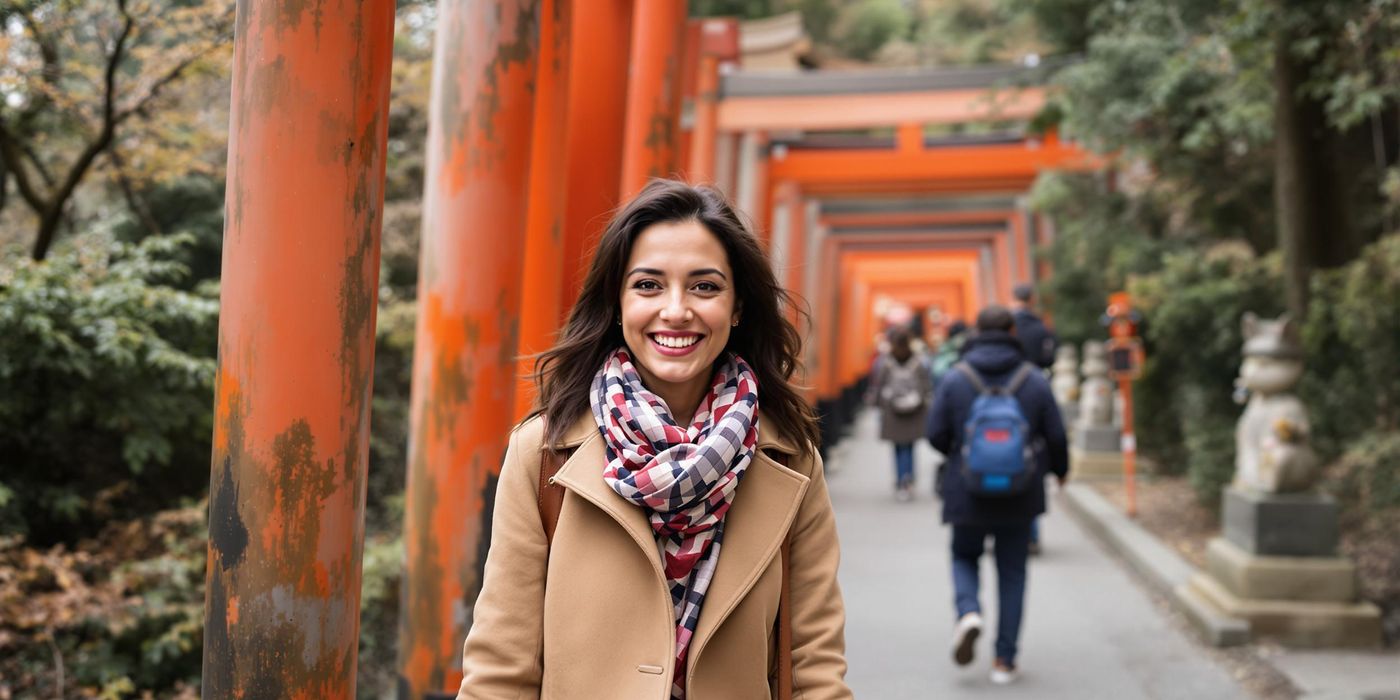
Whispers of the Past, Echoes of the Present
Today was a deep dive into the heart of Kyoto, a city that effortlessly blends the ancient with the modern. From the mesmerizing vermilion gates of Fushimi Inari Shrine (Thousand Torii Gates) to the stoic walls of Nijō Castle and the enchanting geisha district of Gion, every corner turned revealed a new layer of history and culture. It was a day of vibrant colors, hushed whispers, and the palpable sense of centuries gone by.
My day began with a hearty breakfast at Pound Sanjo-Kiyamachi. From what I've gathered, it's nestled along the Takase River in Kiyamachi-dori, an area renowned for its culinary scene. Although Pound Sanjo Kiyamachi seems to be closed, I found a restaurant with a similar name, Premium Pound Sanjo Kiyamachi, which is apparently known for its steak and teppanyaki. It seems like a wonderful place to celebrate a special occasion, with counter seats that allow you to watch the chef at work. I savored a traditional Japanese breakfast set, fueling up for a day of exploration. The restaurant was cozy, and the staff were incredibly welcoming, setting a positive tone for the adventures that lay ahead.

Experience Kyoto's vibrant food scene with authentic yakiniku at Pound Sanjo-Kiyamachi, where every bite tells a delicious story.
Fushimi Inari: A Journey Through a Thousand Gates
My first stop was the iconic Fushimi Inari Shrine, famous for its seemingly endless path of vermilion torii gates winding up the sacred Mount Inari. As a librarian specializing in historical archives, I was particularly excited to witness this cultural landmark firsthand. The crisp morning air carried a sense of reverence as I approached the entrance. The sheer number of gates was breathtaking, each one donated by individuals and businesses seeking blessings and prosperity. According to what I've learned, the tradition of donating a gate dates back to the Edo period (1603-1868), with prices ranging from 400,000 yen for a smaller gate to over a million yen for a larger one.

Explore the enchanting Fushimi Inari Shrine, home to thousands of vibrant torii gates, where tradition and breathtaking beauty await every visitor.
Walking through the Senbon Torii, the thousands of torii gates, was like stepping into another world. The sunlight filtered through the vibrant red structures, casting an ethereal glow on the path ahead. I couldn't help but feel a sense of awe and wonder as I imagined the countless pilgrims who had walked this same path over the centuries. The inscriptions on the back of each gate—names, dates, and the hopes of the donors—told silent stories of faith and ambition. It was fascinating to see how intertwined spirituality and business were in Japanese culture.
The ascent to the summit of Mount Inari was a gradual climb, and I only went part of the way, passing numerous smaller shrines and fox statues along the way. Foxes are considered messengers of Inari, the Shinto god of rice, agriculture, and prosperity, and their presence was felt throughout the shrine grounds. Many of the statues held keys in their mouths, symbolizing keys to granaries blessed by Inari. I paused at the Yotsutsuji intersection, about 45 minutes into the hike, to take in the panoramic views of Kyoto. The city stretched out before me, a tapestry of ancient temples and modern skyscrapers, all under the watchful gaze of Mount Inari.
The journey through Fushimi Inari's torii gates is not just a walk, but a spiritual passage through time and tradition.
As I descended, I noticed small stacks of miniature torii gates, donated by visitors with more modest budgets. I also passed a few restaurants offering local dishes like Inari Sushi and Kitsune Udon, both featuring aburaage (fried tofu), said to be a favorite food of foxes. I opted for a simple bowl of udon, savoring the flavors and reflecting on the spiritual significance of this place.
Nijo Castle: A Shogun's Fortress of Power
Next on my itinerary was Nijo Castle, a UNESCO World Heritage site and a stark contrast to the vibrant spirituality of Fushimi Inari. Built in 1603 by Tokugawa Ieyasu, the first shogun of the Edo period, Nijo Castle served as the Kyoto residence of the Tokugawa shogunate. As I approached the imposing stone walls and moats, I couldn't help but feel a sense of stepping back in time to an era of feudal lords and samurai.

Experience the grandeur of Nijō Castle, a UNESCO World Heritage Site, where history, architecture, and nature intertwine in Kyoto's cultural heart.
Entering through the large gate in the east, I rented an English audio guide and ventured further into the castle grounds. The Chinese-style Karamon Gate led to the Ninomaru Palace, the castle's main attraction. The Ninomaru Palace served as the residence and office of the shogun during his visits to Kyoto. Stepping inside, I was struck by the grandeur and opulence of the palace. The nightingale floors, designed to squeak when stepped upon as a security measure against intruders, added an intriguing element to the experience. The tatami mat-covered rooms, decorated ceilings, and beautifully painted sliding doors (fusuma) were testaments to the power and wealth of the Tokugawa shogunate.
The audio guide led me through multiple waiting and audience rooms, explaining the strict hierarchy and protocols that governed the shogun's court. Only the highest-ranked visitors were allowed into the main audience room, where the shogun would sit on an elevated floor, flanked by bodyguards hidden behind doors. Lower-ranked visitors were only allowed as far as the adjoining rooms, without direct view of the shogun. It was fascinating to imagine the political intrigues and power plays that had unfolded within these walls.
Outside the Ninomaru Palace, I strolled through the Ninomaru Garden, a traditional Japanese landscape garden with a large pond, ornamental stones, and manicured pine trees. The garden offered a tranquil escape from the imposing architecture of the castle, a reminder that even in times of war and political upheaval, beauty and serenity could still be found.
Unfortunately, the Honmaru (main circle of defense), which once housed a second palace complex and a five-story castle keep, was destroyed by fires in the 18th century and never rebuilt. However, an imperial residence was moved here from the Kyoto Imperial Palace after the fall of the shogunate, offering a glimpse into the castle's later history.
Gion: In Search of Geishas
As the day drew to a close, I made my way to Gion, Kyoto's most famous geisha district, hoping to catch a glimpse of these elusive figures. Located around Shijo Avenue between Yasaka Shrine and the Kamo River, Gion is a captivating blend of traditional wooden machiya merchant houses, narrow streets, and a timeless ambiance. As a solo traveler, I was particularly drawn to the area's rich cultural heritage and the opportunity to witness a slice of traditional Japanese life.

Explore Gion, Kyoto's iconic geisha district, where tradition meets charm in a captivating blend of culture and history.
I strolled along Hanami-koji Street, the most popular area of Gion, admiring the preserved machiya houses that now function as restaurants, serving Kyoto-style kaiseki ryori (Japanese haute cuisine) and other types of local and international meals. Interspersed among the restaurants were ochaya (teahouses), exclusive and expensive establishments where guests are entertained by maiko (geiko apprentices) and geiko (Kyoto dialect for geisha).
While I didn't have the opportunity to be entertained by a maiko or geiko at an ochaya—a privilege that traditionally requires an introduction from an existing customer—I did enjoy the atmosphere of the district. The soft glow of lanterns illuminated the streets, casting long shadows and creating a sense of mystery and intrigue. I imagined the lives of the geiko and maiko, their rigorous training in traditional arts, and their role in preserving Kyoto's cultural heritage. I have read that Gion's history began in the late 14th century when the district was built around Yasaka-jinja Shrine to cater to pilgrims and travelers.
I also wandered through the Shirakawa area, which runs along the Shirakawa Canal parallel to Shijo Avenue. The canal was lined by willow trees, high-class restaurants, and ochaya, many of which had rooms overlooking the canal. The area was quieter than Hanami-koji Street, offering a more peaceful atmosphere to soak in the beauty of Gion.
For dinner, I decided to try AIN SOPH. Journey KYOTO, a vegan restaurant known for its plant-based fusion cuisine. I had read reviews praising their vegan pancakes, so I knew I had to give them a try. The restaurant was cozy and warmly lit, and the staff were friendly and welcoming. I decided on the heavenly vegan pancakes!

Discover exquisite vegan delights at AIN SOPH. Journey KYOTO – where culinary creativity meets sustainable living.
Finally, I ended the day at The Common One Bar Kyoto, a modern bar that blends traditional Kyoto atmosphere with creative cocktails. I've read that it features tatami rooms and a tea room, creating a unique space where tradition and modernity meet. It seems like a hidden gem, with an entrance that's not easy to find, adding to its allure. I enjoyed a brandy-based cocktail, savoring the unique aroma and refreshing flavor of the fruit. It was the perfect way to unwind after a day of exploring Kyoto's spiritual and historical treasures.

Experience the vibrant nightlife of Kyoto at The Common One Bar, where tradition meets innovation in every cocktail.
Tomorrow, I plan to explore the Philosopher's Path, Heian Shrine, and Kyoto Botanical Gardens, continuing my journey through this captivating city. I'm particularly looking forward to visiting the Kyoto Shinkyogoku Shopping Street to pick up some souvenirs for Sofia and Hans, bringing a piece of Kyoto back home to Bonn.
Reflecting on today's adventures, I'm struck by the way Kyoto seamlessly weaves together the past and the present. From the ancient torii gates of Fushimi Inari to the shogun's fortress at Nijo Castle and the enchanting geisha district of Gion, every corner of this city tells a story. It's a city that invites you to slow down, to immerse yourself in its culture, and to appreciate the beauty and serenity that can be found in the most unexpected places. I am so grateful for this solo adventure, this opportunity to explore Kyoto at my own pace and to connect with its rich history and traditions.

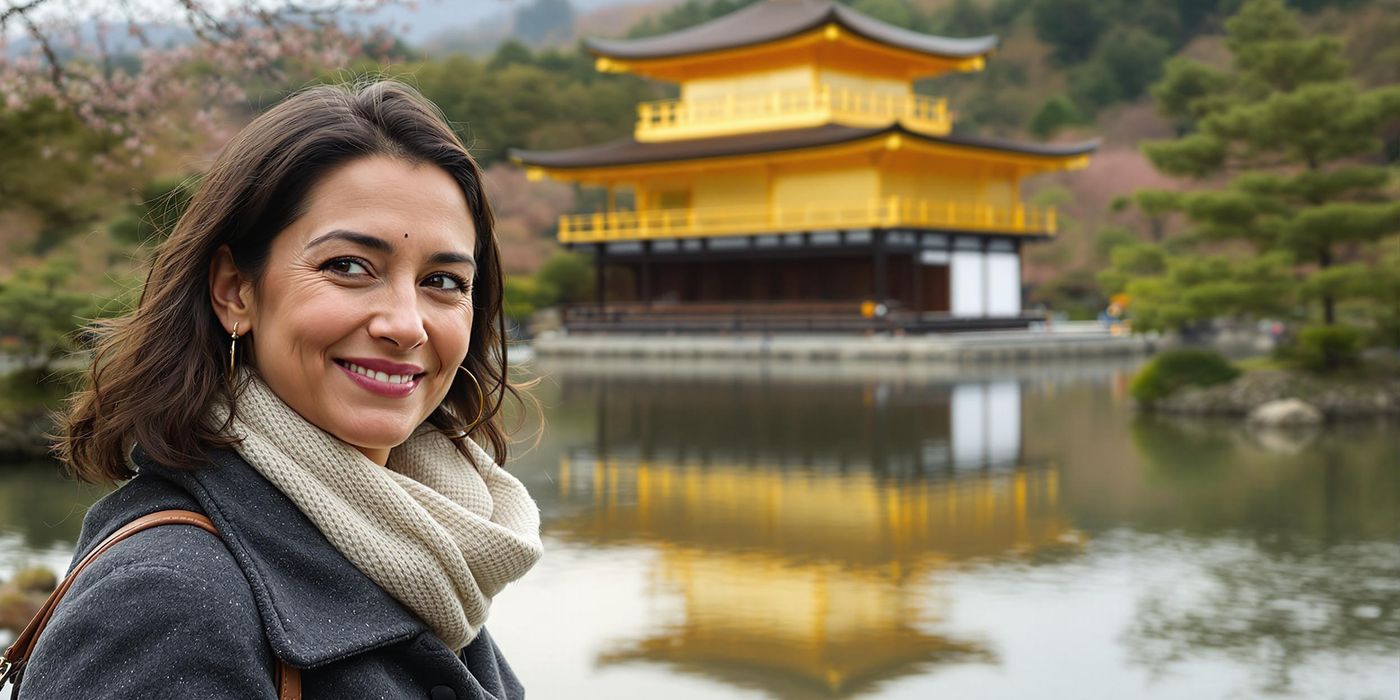
Explore Kyoto's rich history and culture on a solo adventure, discovering ancient temples, shrines, and the heart of traditional Japan.
Meet this Featured Explorer

-
 Occupation:
Librarian specializing in historical archives
Occupation:
Librarian specializing in historical archives
-
 Country:
Germany
Country:
Germany
-
 Age:
42
Age:
42
Hola! I'm Carmen, a librarian with a passion for history, culture, and travel. Born in Spain and now living in Germany, I've always been fascinated by the stories that places have to tell. Through my blog, I hope to share my experiences, inspire you to explore the world, and offer practical tips for making your own travel dreams a reality. Whether you're a seasoned globetrotter or a first-time traveler, I invite you to join me on this journey of discovery!
- History
- Cultural Anthropology
- Gastronomy
- Photography
- Languages
Find Similar Travel Diaries
Explore locations from this diary
-
Matsui Honkan
Experience the warmth of home at Matsui Honkan, a serene guesthouse in Kyoto, just a stone's throw from iconic attractions and cultural gems.
-
Fushimi Inari Shrine (Thousand Torii Gates)
Explore the enchanting Fushimi Inari Shrine, home to thousands of vibrant torii gates, where tradition and breathtaking beauty await every visitor.
-
Nijō Castle
Experience the grandeur of Nijō Castle, a UNESCO World Heritage Site, where history, architecture, and nature intertwine in Kyoto's cultural heart.
-
Gion
Explore Gion, Kyoto's iconic geisha district, where tradition meets charm in a captivating blend of culture and history.
-
Pound Sanjo-Kiyamachi
Experience Kyoto's vibrant food scene with authentic yakiniku at Pound Sanjo-Kiyamachi, where every bite tells a delicious story.
-
AIN SOPH. Journey KYOTO
Discover exquisite vegan delights at AIN SOPH. Journey KYOTO – where culinary creativity meets sustainable living.
-
Teppan Tavern Tenamonya
Experience authentic teppanyaki at Teppan Tavern Tenamonya, Kyoto's premier destination for Japanese cuisine in a lively izakaya setting.
-
The Common One Bar Kyoto
Experience the vibrant nightlife of Kyoto at The Common One Bar, where tradition meets innovation in every cocktail.