Solo Adventure to the Timeless Marvel of Machu Picchu
Day 4: Whispers of the Past: Unveiling Inca Secrets on the Trail to Machu Picchu
Trekking through history, discovering Sayacmarca and Choquesuysuy en route to the timeless sanctuary of Machu Picchu. An unforgettable journey!
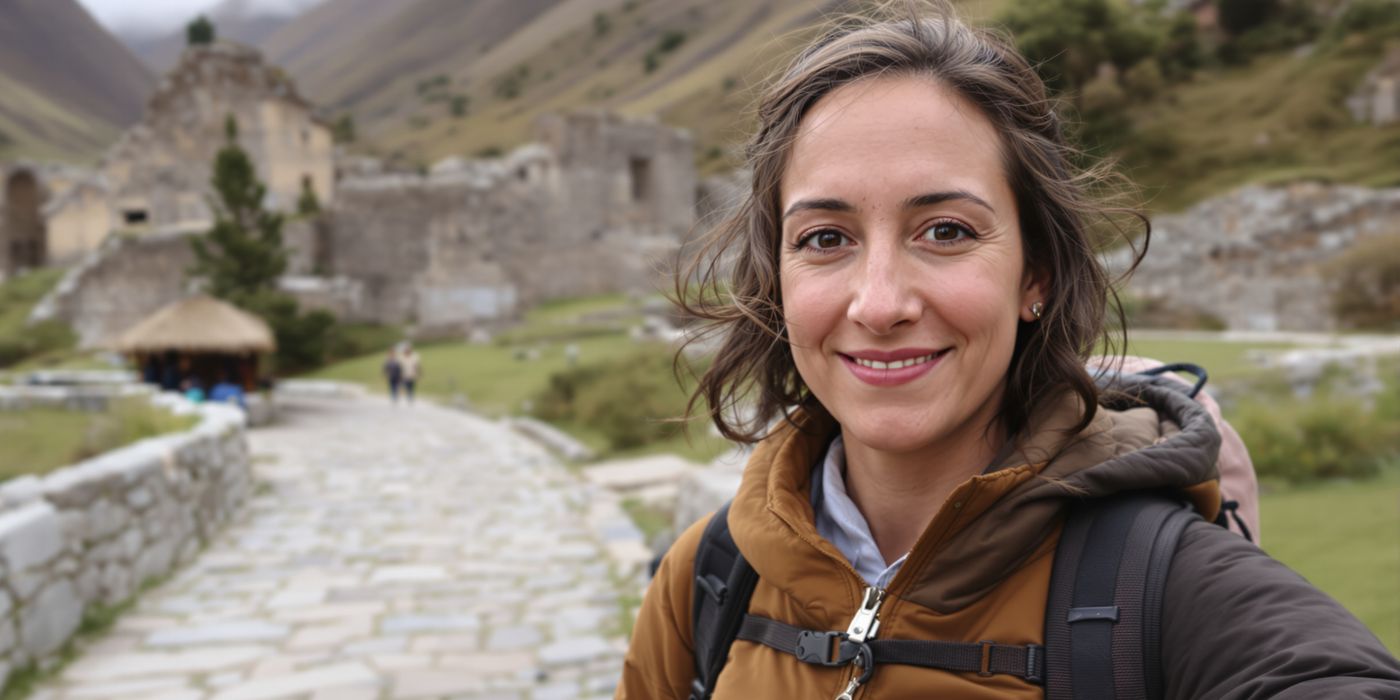
Echoes of Ancient Civilizations
Today was a day of immersion, a day where the stones beneath my feet seemed to whisper stories of an empire long past. The air was crisp, the Peruvian sun warm on my face, and the path ahead promised not just a physical journey, but a journey through time itself. As a librarian, I'm used to connecting with history through books and documents, but there's something profoundly different about experiencing it firsthand.
My day began with a hearty breakfast at Laurita Wasi Machu Picchu. Fuelled and ready, I set off to explore the wonders that lay along the Inca Trail. The anticipation of reaching Machu Picchu, the crown jewel of this adventure, was ever-present, but I was determined to savor every moment, every ruin, and every breathtaking vista along the way. I knew that Hans and Sofia would have loved to be here with me, but this solo journey feels like a necessary pilgrimage, a chance to connect with history on a deeply personal level.
The first stop was Sayacmarca, a site whose name translates to Inaccessible Town in Quechua. Perched high on a rocky hill, surrounded by steep cliffs, it certainly lived up to its name. The climb was challenging, but the panoramic views of the surrounding Andean mountains and valleys were more than worth the effort. I imagined the Incas, centuries ago, navigating these same paths, their determination etched on their faces. It was discovered in 1915 by Hiram Bingham, who initially named it Cedrobamba. Later, it was renamed Sayacmarca.

Explore Sayacmarca: An Inca archaeological wonder nestled in the Andes, offering breathtaking views and rich cultural heritage.
Wandering through the ruins, I was struck by the intricate stonework of the walls, still solid and unshaken after centuries. The Incas were master builders, their techniques far ahead of their time. I examined the remnants of ancient irrigation channels, marveling at their ingenuity in water management. It's incredible how they managed to thrive in such a challenging environment. Sayacmarca was likely a strategic settlement built during the height of the Inca Empire, serving as a military outpost, ceremonial site, and resting place for pilgrims en route to Machu Picchu.
The stones here are not silent; they hum with the echoes of a vibrant civilization, whispering tales of ingenuity, resilience, and a profound connection to the land.
After Sayacmarca, the trail led me to Choquesuysuy, another fascinating archaeological site. While perhaps not as well-known as some of the other Inca ruins, it offered a unique glimpse into the past. The site is known for its remnants of ancient Inca architecture. As I wandered through the stone ruins, I marveled at the precision of the ancient builders who constructed these enduring structures.
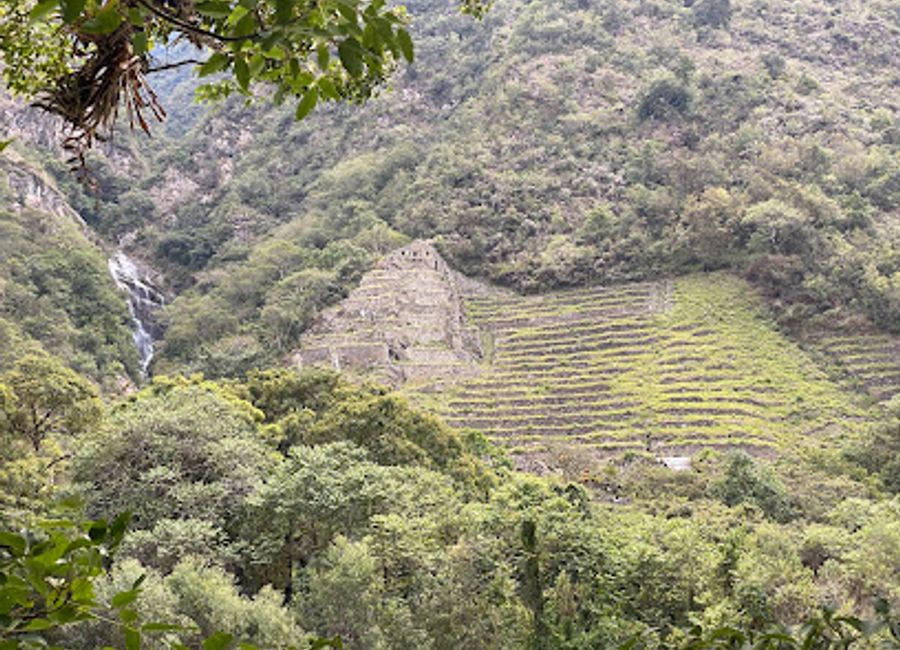
Explore the ancient ruins of Choquesuysuy in Aguas Calientes, a breathtaking testament to Incan architecture and history nestled in the Andes.
The tranquility of Choquesuysuy was striking, allowing for an immersive experience, where I felt connected to the spirit of the past while surrounded by the stunning natural beauty of the region. It was a moment of quiet reflection, a chance to appreciate the rich history of Peru's ancient civilizations away from the crowds. The backdrop of the Andean mountains added to the allure, making it a perfect spot for photography and contemplation.
For lunch, I stopped at Restaurante Quinua, where I enjoyed a delicious and nourishing meal. It was a welcome break, a chance to refuel before continuing my journey towards the Historic Sanctuary of Machu Picchu. The afternoon was dedicated to exploring more of the trail, soaking in the scenery, and letting the anticipation build.

Explore the Historic Sanctuary of Machu Picchu, an archaeological wonder showcasing Inca civilization amidst stunning Andean landscapes.
Finally, as the sun began to dip below the horizon, I arrived at my destination: the Historic Sanctuary of Machu Picchu. Even from a distance, the sight was breathtaking. The ancient citadel, perched high in the mountains, seemed to glow in the fading light. I couldn't wait to explore its secrets, to walk in the footsteps of the Incas, and to experience the magic of this iconic site firsthand. Machu Picchu stands 2,430 m above sea-level, in the middle of a tropical mountain forest, in an extraordinarily beautiful setting. It was probably the most amazing urban creation of the Inca Empire at its height. Its giant walls, terraces and ramps seem as if they have been cut naturally in the continuous rock escarpments.
After checking in, I treated myself to a well-deserved dinner at Restaurante Tupana Wasi. The food was excellent, but my mind was already racing with thoughts of tomorrow's adventures. I decided to end my day with a drink at Machagchas resto bar, a cozy spot where I could unwind and reflect on the day's experiences.
Tomorrow promises even more exploration within Machu Picchu itself. I plan to visit the Sacred Rock, El Templo del Sol, and the Main Plaza, each a testament to the Inca's architectural and engineering prowess. I'm also looking forward to trying Restaurante AYASQA for breakfast, Sami Restaurant for lunch, and Incontri del Pueblo Viejo for dinner. And perhaps, if time allows, I'll pick up a souvenir at Artesanias Maki to remind me of this incredible journey.
As I sit here, writing in my travel journal, I can't help but feel a sense of gratitude. This solo adventure has been everything I hoped for and more. It's a chance to disconnect from the everyday, to immerse myself in history, and to connect with myself on a deeper level. And as I drift off to sleep, I know that tomorrow will be another day filled with wonder, discovery, and unforgettable experiences.
The Historic Sanctuary of Machu Picchu is a protected area in Peru covering over 35,000 hectares. It includes the natural environment surrounding the Machu Picchu archaeological site, located in the rugged cloud forest of the Yungas on the eastern slope of the Peruvian Andes and along both banks of the Urubamba River. This unique protected area encompasses one of the most extraordinary altitudinal transects in Peru, spanning only about twenty kilometers and protecting diverse ecosystems ranging from eternal snows at over 4,000 meters above sea level to tropical rainforests just over 1,700 meters above sea level. The area hosts over 550 tree species across 74 families, including ferns, gymnosperms, and palms. In 1983, UNESCO designated Machu Picchu a World Heritage Site, describing it as a masterpiece of art, urbanism, architecture and engineering and a unique testimony of the Inca civilization, with the inscription covering both the archaeological complex and its surrounding landscape.
Machu Picchu is a 15th-century Inca citadel located in the Eastern Cordillera of southern Peru on a mountain ridge at 2,430 meters (7,970 ft). It is situated in the Machupicchu District of Urubamba Province about 80 kilometers (50 mi) northwest of Cusco, above the Sacred Valley and along the Urubamba River, which forms a deep canyon with a subtropical mountain climate. Often referred to as the Lost City of the Incas, Machu Picchu is one of the most iconic symbols of the Inca civilization and a major archaeological site in the Americas. Built around 1450, it is believed to have served as an estate for the Inca emperor Pachacuti, though no contemporary written records exist to confirm this. The site was abandoned roughly a century later, likely during the Spanish conquest. Modern radiocarbon dating places its occupation between c. 1420 and 1530. Machu Picchu was constructed in the classical Inca style, featuring finely crafted dry-stone walls.
The Historic Sanctuary of Machu Picchu is among the greatest artistic, architectural and land use achievements anywhere and the most significant tangible legacy of the Inca civilization. Recognized for outstanding cultural and natural values, the mixed World Heritage property covers 32,592 hectares of mountain slopes, peaks and valleys surrounding its heart, the spectacular archaeological monument of “La Ciudadela” (the Citadel) at more than 2,400 meters above sea level.
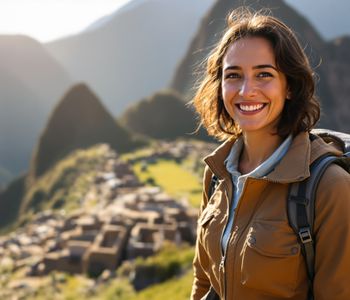
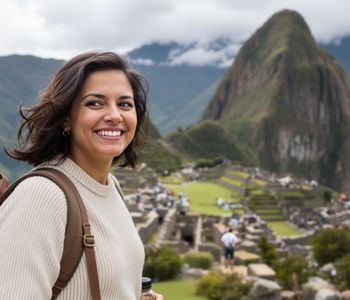

Embark on a solo journey to explore the ancient wonders of Machu Picchu, immersing in history and culture amidst the breathtaking Peruvian landscapes.
Meet this Featured Explorer

-
 Occupation:
Librarian specializing in historical archives
Occupation:
Librarian specializing in historical archives
-
 Country:
Germany
Country:
Germany
-
 Age:
42
Age:
42
Hola! I'm Carmen, a librarian with a passion for history, culture, and travel. Born in Spain and now living in Germany, I've always been fascinated by the stories that places have to tell. Through my blog, I hope to share my experiences, inspire you to explore the world, and offer practical tips for making your own travel dreams a reality. Whether you're a seasoned globetrotter or a first-time traveler, I invite you to join me on this journey of discovery!
- History
- Cultural Anthropology
- Gastronomy
- Photography
- Languages
Find Similar Travel Diaries
Explore locations from this diary
-
Sayacmarca
Explore Sayacmarca: An Inca archaeological wonder nestled in the Andes, offering breathtaking views and rich cultural heritage.
-
Choquesuysuy
Explore the ancient ruins of Choquesuysuy in Aguas Calientes, a breathtaking testament to Incan architecture and history nestled in the Andes.
-
Historic Sanctuary of Machu Picchu
Explore the Historic Sanctuary of Machu Picchu, an archaeological wonder showcasing Inca civilization amidst stunning Andean landscapes.
-
Laurita Wasi Machu Picchu
Experience authentic Peruvian flavors amidst breathtaking views at Laurita Wasi Machu Picchu - your perfect dining retreat in the Andes.
-
Restaurante Quinua
Experience authentic Peruvian cuisine at Restaurante Quinua in Aguas Calientes - a culinary delight near Machu Picchu.
-
Restaurante Tupana Wasi
Experience authentic Peruvian cuisine at Restaurante Tupana Wasi in Aguas Calientes - a must-visit culinary destination for all travelers.
-
Machagchas resto bar
Discover the essence of Peruvian culture at Machagchas Resto Bar, a vibrant spot in Aguas Calientes offering delicious local cuisine and a lively atmosphere.