Exploring the Cultural Tapestry of Kyoto
Day 6: A Day of Serenity and Reflection in Kyoto's Ancient Temples
Explore Kyoto's serene temples: Ryoan-ji's Zen garden, Ninna-ji's imperial beauty, and Kōryū-ji's ancient treasures.

Finding Peace in Kyoto's Temples
Today, I sought refuge from the bustling city in the tranquil embrace of Kyoto's ancient temples. My journey was one of reflection and appreciation for the artistry and history woven into these sacred spaces. The crisp February air and the promise of serene gardens spurred me onward, eager to absorb the wisdom and beauty held within these walls.
My day began at Ryoan-ji, a temple renowned for its enigmatic Zen garden. As an archivist, I am naturally drawn to places steeped in history, and Ryoan-ji certainly did not disappoint. The garden itself is a masterpiece of minimalist design, fifteen rocks carefully arranged in a sea of raked gravel. It's a puzzle that invites contemplation; no matter where you stand, you can never see all fifteen stones at once. What does it mean? Perhaps it's a metaphor for life itself, always just beyond our complete understanding. I found myself lost in thought, the gentle breeze and the distant sounds of the city fading away as I pondered the garden's secrets. I remembered a quote from a Zen master that seemed fitting:
The meaning of the garden is not in the rocks, but in the mind of the beholder.
After spending a considerable time at the rock garden, I explored the rest of the Ryoan-ji temple grounds, including the Kyoyochi Pond. This stroll garden, with its serene pond and surrounding greenery, offered a different kind of tranquility. It was a welcome contrast to the stark simplicity of the Zen garden, showcasing the versatility of Japanese garden design. I took a moment to appreciate the small shrine on one of the pond's islands, connected by a charming bridge.

Discover the tranquil beauty of Ryōan-ji in Kyoto, a renowned Zen temple known for its iconic rock garden and rich cultural heritage.
For breakfast I enjoyed a delightful meal at Komefuku. The tempura was light and crispy, a perfect start to a day of exploration. The restaurant had a cozy atmosphere, and the staff were incredibly welcoming.

Experience authentic Japanese cuisine at Komefuku in Kyoto, renowned for its fresh seafood and exquisite tempura dishes.
Next on my itinerary was Ninna-ji Temple, a World Heritage Site with a rich imperial history. Founded in 888 by Emperor Uda, Ninna-ji exudes an air of elegance and grandeur. The temple's five-story pagoda is a striking landmark, and the extensive grounds invite leisurely exploration. I was particularly captivated by the Goten, the former residence of the head priest, built in the style of an imperial palace. The painted sliding doors and the meticulously designed rock gardens were a feast for the eyes. The Omuro cherry trees, known for their late blooming, were still bare, but I could imagine the beauty they would bring in the spring. It is fascinating that from 888 to 1869 it was traditional for reigning Emperors to send a son to the temple to take over as head priest when a vacancy arose. After retiring from his throne, Emperor Uda became the first Monzeki, or aristocratic priest.

Discover the tranquility and beauty of Ninna-ji Temple, a UNESCO World Heritage Site in Kyoto, showcasing stunning architecture and serene gardens.
For lunch, I ventured to Antonio, a Spanish restaurant. It was a delightful change of pace, and the paella was superb. The owner, a Spanish chef, clearly takes pride in his craft, and the atmosphere was warm and inviting.

Discover authentic Spanish flavors at Antonio in Kyoto – where culinary artistry meets vibrant ambiance.
My final temple visit of the day was to Kōryū-ji Temple, said to be the oldest temple in Kyoto. Founded in 603 by Hata no Kawakatsu, Kōryū-ji is home to a remarkable collection of Buddhist statuary. The most famous of these is the Miroku Bosatsu, a wooden statue of the Bodhisattva Maitreya, the Buddha of the future. The statue is considered one of Japan's National Treasures, and its serene expression is truly captivating. It's easy to see why it was the first designated National Treasure in Japan, receiving the honor in 1951. The Reihōkan (Treasure House) contains numerous fine Buddhist statues, including the Naki Miroku (Crying Miroku) and the renowned Miroku Bosatsu (Bodhisattva of the Future), which is extraordinarily expressive. According to some sources, a university student embraced the statue in a fit of passion in 1960 and inadvertently snapped off its little finger!

Explore Kōryū-ji Temple, a historic Buddhist site in Kyoto offering stunning architecture, tranquil gardens, and a glimpse into Japan's rich spiritual heritage.
The Baikasai (Plum Blossom Festival) is held on February 25th at the Kitano Tenmangu Shrine. It combines Shinto spirituality, seasonal plum blossoms, green tea, and lovely maiko and geiko. It is a must-see for anyone in Kyoto at this time of year!
Dinner was at Arash's Kitchen, where I indulged in a delicious Persian meal. The flavors were rich and authentic, and the portions were generous. It was the perfect way to end a day of cultural immersion. Arash's Kitchen is known for its Persian and Indian cuisine, with reviewers highlighting the generous portions, friendly staff, cozy atmosphere, and authentic flavors. Visitors rave about dishes like kabab and biriyani while appreciating the warm hospitality of Arash himself.

Experience authentic Asian cuisine at Arash's Kitchen in Kyoto—a culinary delight for every traveler seeking unique flavors.
To cap off the evening, I decided to visit Bar Fishbowl. The ambiance was unique, with a large aquarium creating a relaxing atmosphere. It was a perfect spot to unwind and reflect on the day's experiences.
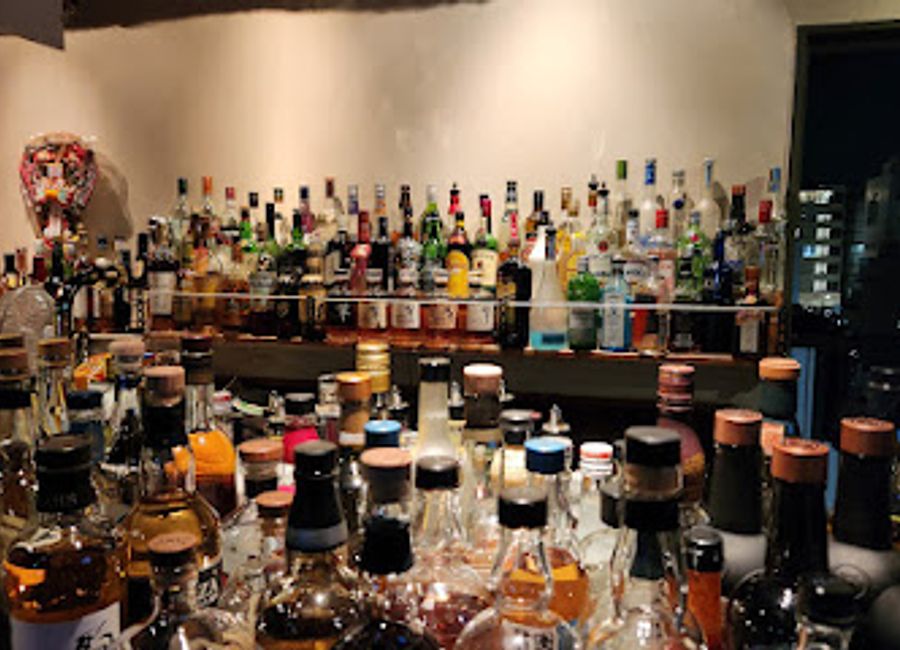
Discover Kyoto's nightlife at Bar Fishbowl, a cocktail haven with stunning views and expertly crafted drinks in the heart of the city.
As I sit here in the Kyoto Watazen Ryokan, writing this blog, I am filled with a sense of gratitude for the opportunity to experience the beauty and tranquility of Kyoto's temples. Each temple offered a unique perspective on Japanese history, culture, and spirituality. It was a day of reflection, inspiration, and connection to the past. Tomorrow, I plan to visit Nijo Castle, Nanzen-ji, and Heian Shrine, continuing my exploration of Kyoto's cultural treasures. I am also hoping to find a replacement for my phrasebook and a portable charger, as I forgot both of them at home. I am particularly excited to see Nijo Castle, as it was built in 1603 by Tokugawa Ieyasu, the first shogun of the Edo period, and served as his Kyoto residence. I am also interested in visiting the Kyoto LOFT, a shop recommended by many travellers.
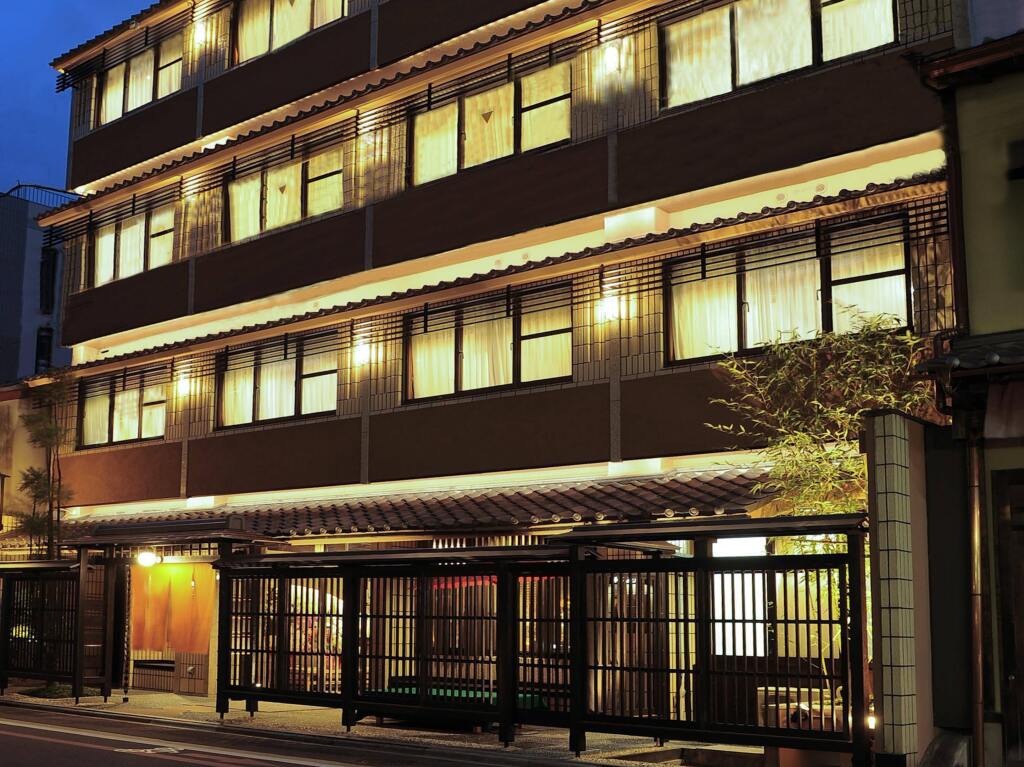
Discover the charm of Kyoto at Kyoto Watazen Ryokan, where traditional Japanese hospitality meets modern comforts in a prime location.
Kyoto continues to reveal its many layers, and I am eager to see what tomorrow brings.
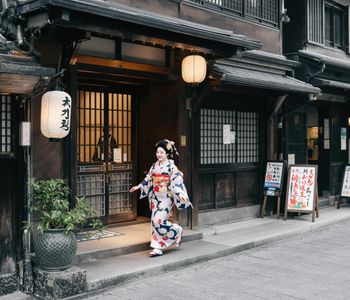

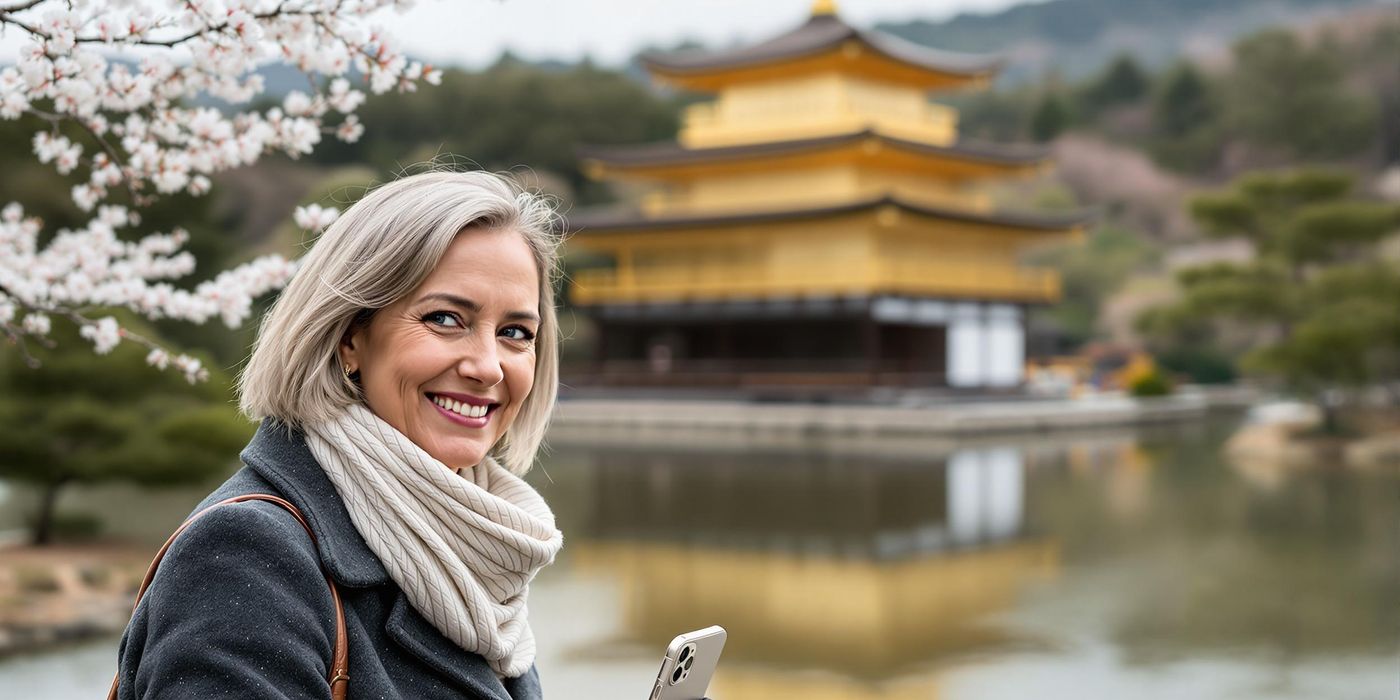
Discover Kyoto's captivating history and culture, exploring ancient temples and vibrant markets. An immersive solo adventure awaits in Japan's cultural heart.
Meet this Featured Explorer

-
 Occupation:
Archivist at the Deutsches Historisches Museum
Occupation:
Archivist at the Deutsches Historisches Museum
-
 Country:
Germany
Country:
Germany
-
 Age:
53
Age:
53
Es esmu Elza Bērziņa-Schmidt, a Latvian native living in Berlin, and an archivist with a passion for history and travel. Through my blog, I share my travel experiences, combining historical insights with personal anecdotes. Join me as I explore the world, uncovering hidden gems and immersing myself in different cultures. I hope to inspire you to embark on your own adventures, whether it's exploring ancient ruins or discovering the charm of a local market.
Find Similar Travel Diaries
Explore locations from this diary
-
Kyoto Watazen Ryokan
Discover the charm of Kyoto at Kyoto Watazen Ryokan, where traditional Japanese hospitality meets modern comforts in a prime location.
-
Ryōan-ji
Discover the tranquil beauty of Ryōan-ji in Kyoto, a renowned Zen temple known for its iconic rock garden and rich cultural heritage.
-
Ninna-ji Temple
Discover the tranquility and beauty of Ninna-ji Temple, a UNESCO World Heritage Site in Kyoto, showcasing stunning architecture and serene gardens.
-
Kōryū-ji Temple
Explore Kōryū-ji Temple, a historic Buddhist site in Kyoto offering stunning architecture, tranquil gardens, and a glimpse into Japan's rich spiritual heritage.
-
Komefuku
Experience authentic Japanese cuisine at Komefuku in Kyoto, renowned for its fresh seafood and exquisite tempura dishes.
-
Antonio
Discover authentic Spanish flavors at Antonio in Kyoto – where culinary artistry meets vibrant ambiance.
-
Arash's Kitchen
Experience authentic Asian cuisine at Arash's Kitchen in Kyoto—a culinary delight for every traveler seeking unique flavors.
-
Bar Fishbowl
Discover Kyoto's nightlife at Bar Fishbowl, a cocktail haven with stunning views and expertly crafted drinks in the heart of the city.