Exploring the Cultural Tapestry of Kyoto
Day 11: A Pilgrimage of Serenity: Reflecting on Kyoto's Sacred Spaces
Embark on a soul-soothing journey through Kyoto's ancient shrines and vibrant markets, discovering the city's timeless beauty and spirit.

Kyoto's Farewell Embrace
As my journey through Kyoto draws to a close, I find myself reflecting on the profound sense of peace and connection I've discovered within this ancient city. Today was a day of spiritual exploration, a fitting culmination to my immersive experience. From the iconic red gates of Fushimi Inari to the serene grounds of Shimogamo and Kamigamo Shrines, each location offered a unique glimpse into Japan's rich cultural tapestry. It's funny how a place so steeped in history can feel so vibrantly alive, so relevant to the present moment.
My day began with an early start to Fushimi Inari Taisha, the famed shrine with thousands of vermilion torii gates winding up the mountainside. Even though it was Sunday, arriving early meant I could wander through the seemingly endless tunnels of vibrant orange with a sense of quiet contemplation. The crisp morning air carried the scent of incense, and the soft sunlight filtering through the trees created an ethereal atmosphere. I walked slowly, pausing to admire the intricate carvings on the gates and the small fox statues that guard the pathways. Each gate, donated by individuals and businesses, is a testament to the enduring faith and prosperity associated with Inari, the deity of rice and business. It was truly a breathtaking sight, a physical manifestation of devotion and gratitude.

Explore the enchanting Fushimi Inari Shrine, home to thousands of vibrant torii gates, where tradition and breathtaking beauty await every visitor.
The journey through Kyoto is not just a visual experience, but a spiritual awakening that resonates long after you've left its serene embrace.
After a couple of hours immersed in the vibrant energy of Fushimi Inari, I made my way to Shimogamo Shrine, a UNESCO World Heritage site nestled in the tranquil Tadasu no Mori forest. The contrast between the bustling energy of Fushimi Inari and the serene stillness of Shimogamo was striking. As I walked through the ancient forest, sunlight dappled through the leaves, creating a mosaic of light and shadow on the mossy ground. The air was cool and damp, filled with the earthy scent of the woods. It was easy to imagine the generations of worshippers who have sought solace and guidance in this sacred space.
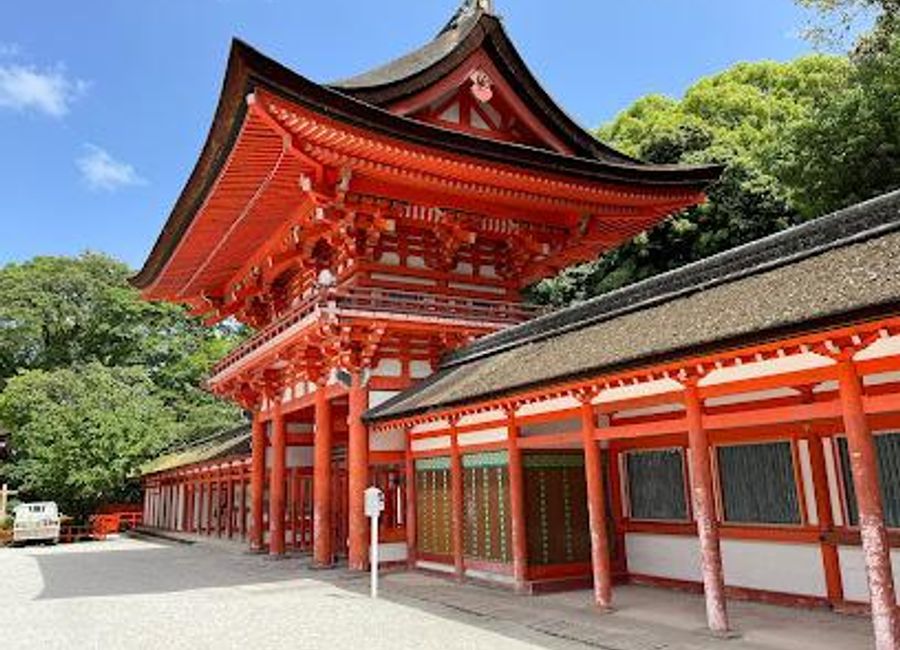
Explore the serene beauty and rich cultural heritage of Shimogamo Shrine, a UNESCO World Heritage Site in Kyoto, Japan.
Shimogamo Shrine, also known as Kamo-mioya Shrine, is one of the oldest Shinto shrines in Japan. Excavations in the Tadasu no Mori forest have unearthed artifacts dating back as far as 2,000 years ago, proving that the site was in use during the Yayoi period. According to shrine records, Shimogamo was founded even before the reign of Emperor Sujin (97-30 BC). The shrine enshrines the ancestors of the Kamo clan. The goddess Tamayori-hime and her father Kamo Taketsunumi are enshrined here.
I spent some time at Kawai Shrine, an auxiliary shrine within the Shimogamo complex, dedicated to the goddess of beauty. Here, I observed visitors carefully applying makeup to *ema* (votive tablets) shaped like hand mirrors, each stroke a prayer for enhanced beauty and well-being. The practice reminded me of the lengths to which people go to seek both inner and outer harmony, a universal desire that transcends cultures and time.
From Shimogamo, I ventured further north to Kamigamo Shrine, officially known as Kamo-wakeikazuchi Shrine. Kamigamo Shrine shares a deep connection with Shimogamo Shrine; together, they are known as the Kamo Shrines. Kamigamo enshrines Kamo Wakeikazuchi no Okami, said to have been born from the union of Tamayori-hime no Mikoto and a deity she met while performing ablutions. The shrine was first founded in 678. Kamigamo is known for its two sand cones known as tatesuna, which are believed to purify the sanctuary.

Experience the beauty and spirituality of Kamigamo Shrine, a historic Shinto sanctuary in Kyoto surrounded by lush nature and rich cultural heritage.
The atmosphere at Kamigamo was noticeably quieter, perhaps due to its more remote location. I wandered through the grounds, admiring the elegant architecture and the meticulously raked gravel gardens. The shrine's history stretches back centuries, and it has long been revered as a guardian of Kyoto, protecting the city from malign influences. As I stood there, listening to the gentle rustling of the wind through the trees, I felt a profound sense of peace wash over me.
For lunch, I had made a reservation at Kizahashi, a restaurant at The Thousand Kyoto hotel. The restaurant is surrounded by a beautiful Japanese garden. I enjoyed a delicious and affordable bento-box there. The flavors were subtle and refined, a testament to the chef's skill and the quality of the ingredients. It was a delightful culinary experience, a perfect complement to the spiritual nourishment I had received throughout the day.

Experience authentic Japanese cuisine at Kizahashi in Kyoto, where seasonal ingredients meet traditional artistry in every dish.
In the evening, I had a reservation at Kinmata for dinner. Kinmata is housed in a traditional Kyoto trading establishment. The current chef is known as a master of Kyoto vegetable cuisine, and the restaurant uses ceramics made by Kyo-yaki, Imari-yaki, and Kutani-yaki. I savored each dish, appreciating the artistry and dedication that went into its creation. It was a fitting end to my culinary explorations in Kyoto.
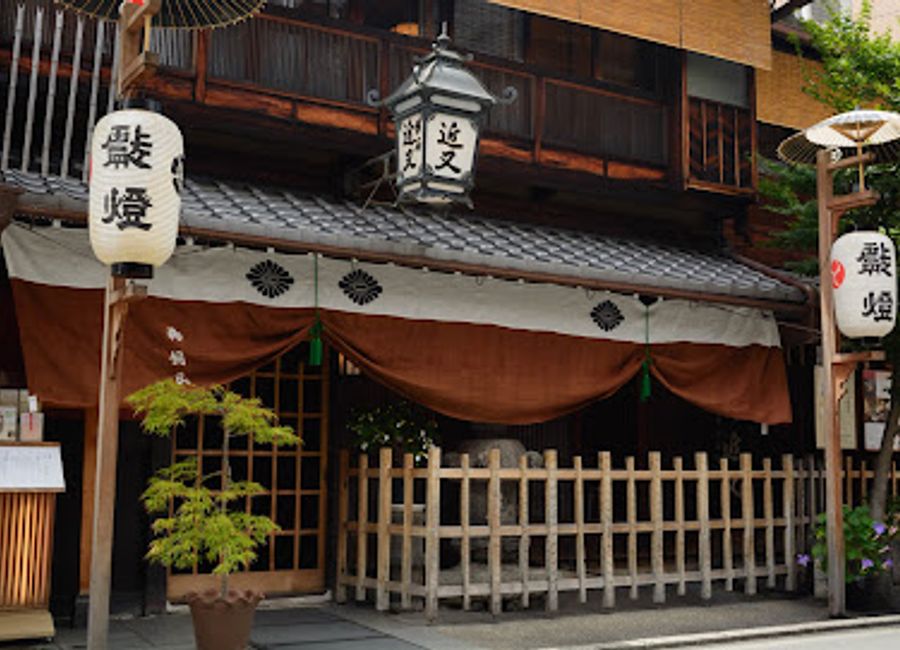
Experience authentic Obanzai cuisine at Kinmata, where tradition meets flavor in the heart of Kyoto.
Before heading back to the Ryokan, I stopped by the Kyoto Station to visit the Kyoto Station ASTY Kyoto Kyoani Goods Store. As an avid animation enthusiast, I was excited to explore the merchandise from Kyoto Animation, the studio behind some of my favorite anime series. I picked up a few souvenirs to remind me of my time in Kyoto. It was a delightful and unexpected addition to my day, a reminder that even in a city steeped in tradition, there is always room for modern creativity and innovation. I was lucky to find it still open, as I read that the pop-up shop was extended to August 31, 2024 due to popular demand.

Explore Kyoto Station ASTY Kyoto Kyoani Goods Store for exclusive anime merchandise and a taste of Japan's vibrant pop culture.
Tonight, as I prepare to leave Kyoto, I am filled with a sense of gratitude for the experiences I have had. This journey has been more than just a sightseeing trip; it has been a pilgrimage of sorts, a quest for deeper understanding and connection. I have wandered through ancient temples and shrines, strolled through vibrant markets, and savored the flavors of traditional cuisine. I have met kind and generous people, and I have learned more about Japanese culture than I ever thought possible.
As I reflect on my time in Kyoto, I am reminded of the words of the great Japanese writer, Yasunari Kawabata:
The beauty of Kyoto is like a delicate flower, blooming slowly and revealing its secrets to those who take the time to appreciate it.
And indeed, Kyoto has revealed its secrets to me, slowly and subtly, leaving an indelible mark on my soul. I know that I will carry the memories of this journey with me always, and I hope to return someday to explore even more of this enchanting city. I will miss the Ryokan, and the wonderful hospitality I experienced. I will also miss the familiar sights and sounds of Kyoto, and the opportunity to practice my Japanese.

Discover the charm of Kyoto at Kyoto Watazen Ryokan, where traditional Japanese hospitality meets modern comforts in a prime location.
Tomorrow, I will be heading back to Berlin. While I am eager to see Hans-Peter and share my experiences with him, a part of me will always remain in Kyoto, wandering through the torii gates of Fushimi Inari, listening to the gentle murmur of the Kamo River, and savoring the exquisite flavors of *kaiseki* cuisine. Until we meet again, Kyoto, *arigato gozaimasu*.


Discover Kyoto's captivating history and culture, exploring ancient temples and vibrant markets. An immersive solo adventure awaits in Japan's cultural heart.
Meet this Featured Explorer

-
 Occupation:
Archivist at the Deutsches Historisches Museum
Occupation:
Archivist at the Deutsches Historisches Museum
-
 Country:
Germany
Country:
Germany
-
 Age:
53
Age:
53
Es esmu Elza Bērziņa-Schmidt, a Latvian native living in Berlin, and an archivist with a passion for history and travel. Through my blog, I share my travel experiences, combining historical insights with personal anecdotes. Join me as I explore the world, uncovering hidden gems and immersing myself in different cultures. I hope to inspire you to embark on your own adventures, whether it's exploring ancient ruins or discovering the charm of a local market.
Find Similar Travel Diaries
Explore locations from this diary
-
Kyoto Watazen Ryokan
Discover the charm of Kyoto at Kyoto Watazen Ryokan, where traditional Japanese hospitality meets modern comforts in a prime location.
-
Fushimi Inari Shrine (Thousand Torii Gates)
Explore the enchanting Fushimi Inari Shrine, home to thousands of vibrant torii gates, where tradition and breathtaking beauty await every visitor.
-
Shimogamo Shrine
Explore the serene beauty and rich cultural heritage of Shimogamo Shrine, a UNESCO World Heritage Site in Kyoto, Japan.
-
Kamigamo Shrine
Experience the beauty and spirituality of Kamigamo Shrine, a historic Shinto sanctuary in Kyoto surrounded by lush nature and rich cultural heritage.
-
Nakamura
Experience the elegance of kaiseki at Nakamura in Kyoto—a fine dining destination celebrating seasonal Japanese cuisine.
-
Kizahashi
Experience authentic Japanese cuisine at Kizahashi in Kyoto, where seasonal ingredients meet traditional artistry in every dish.
-
Kinmata
Experience authentic Obanzai cuisine at Kinmata, where tradition meets flavor in the heart of Kyoto.
-
Kyoto Station ASTY Kyoto Kyoani Goods Store
Explore Kyoto Station ASTY Kyoto Kyoani Goods Store for exclusive anime merchandise and a taste of Japan's vibrant pop culture.