Solo Pilgrimage Through Japan's Spiritual Heart: Kumano Kodo
Day 1: Echoes of the Past: Finding Serenity on the Kumano Kodo
Discover the spiritual heart of Japan on the Kumano Kodo. Explore ancient shrines, savor local flavors, and embrace the tranquility of nature.

A Journey Begins
The air is thick with humidity, a familiar embrace from my days in Greece, yet distinctly Japanese with the scent of cedar and damp earth. Today marked the beginning of my solo pilgrimage along the Kumano Kodo, a journey I've long dreamt of undertaking. As a sound engineer, I'm always seeking places where the natural soundscape resonates with history and spirituality, and this ancient trail promised just that. Leaving Lena back in Potsdam wasn't easy, but she understood my need for this solitary quest, a chance to listen deeply, both to the world around me and to the whispers within.My day began with a flight from Berlin to Osaka, followed by a train to Kii-Tanabe. The journey itself was a study in contrasts, the sleek modernity of Japanese transportation giving way to the rustic charm of the countryside. From Kii-Tanabe, I hopped on a bus that wound its way through verdant hills, finally arriving at my starting point. The anticipation was palpable as I stepped off the bus, hiking boots laced and recorder in hand, ready to immerse myself in the ancient paths of the Kumano Kodo.
My first official stop was the Kumano Kodo Information Center. It was a small but helpful place, where I gathered maps, trail information, and a stamp book, which I learned is something of a tradition here. The friendly staff answered my questions about the trail conditions and shared some local insights, making me feel welcome and prepared for the days ahead. It’s fascinating how these trails, much like the Camino de Santiago, offer a blend of physical challenge and spiritual reflection.

Explore the Kumano Kodo Information Center for a deep dive into the history and culture of Japan's ancient pilgrimage routes.
From there, I made my way to Kumano Hongu Taisha, one of the three grand shrines of Kumano. The approach was impressive, a long, stone staircase leading up through towering cedar trees. The air grew cooler and the sounds of the modern world faded as I ascended the steps, replaced by the rustling of leaves and the distant murmur of a mountain stream. Reaching the top, I was struck by the serene beauty of the shrine, its traditional architecture blending seamlessly with the natural surroundings. The shrine enshrines Izanagi-Okami, the deity who gave birth to Japan, and Ketsumimiko-Okami, a benevolent deity who strives to help mankind. The fluttering streamers and the intricate details of the wooden structures spoke of centuries of devotion and reverence.

Discover the spiritual beauty of Kumano Hongu Taisha, a historic Shinto shrine in Wakayama, Japan, renowned for its stunning architecture and serene landscapes.
I spent some time wandering the grounds, observing the quiet rituals of the visitors, and absorbing the peaceful atmosphere. As a sound engineer, I was particularly drawn to the subtle sounds of the shrine – the gentle chime of bells, the soft chanting of prayers, and the rhythmic sweeping of the caretakers. These were the sounds of a living tradition, a place where the past and present converged.
The Kumano Kodo is more than just a trail; it's a journey through time, a symphony of nature and spirit that resonates deep within the soul.
Afterward, I visited Oyunohara, the original location of Kumano Hongu Taisha, which was moved due to flooding in 1889. A giant torii gate marks the entrance to this sacred space, a reminder of the shrine's historical significance. It’s said that the Kumano deities, in the form of three moons, descended into the branches of a giant oak tree in this clearing. Standing beneath the torii, I felt a connection to the ancient pilgrims who had walked this path before me, seeking solace and enlightenment.
For breakfast, I stopped at Sansaro Cafe, a charming spot known for its welcoming ambiance and delicious coffee. The cafe is near scenic trails, allowing visitors to immerse themselves in nature. It was a perfect way to start the day, fueling up with a hearty meal and a strong cup of coffee before hitting the trails. I chatted briefly with the owner, a friendly woman who shared some tips about the local area and the best spots for capturing the natural soundscapes.

Experience warm hospitality at Sansaro Cafe in Shingu – your cozy retreat with delightful coffee and local charm along the Kumano Kodo.
Lunch was at Kumano Kodo Omotenashi-Kan, where I enjoyed a traditional Japanese meal. The restaurant offered a delightful dining experience. It was a welcome respite after a morning of walking, and the flavors of the local cuisine were a delightful introduction to the region's culinary heritage.
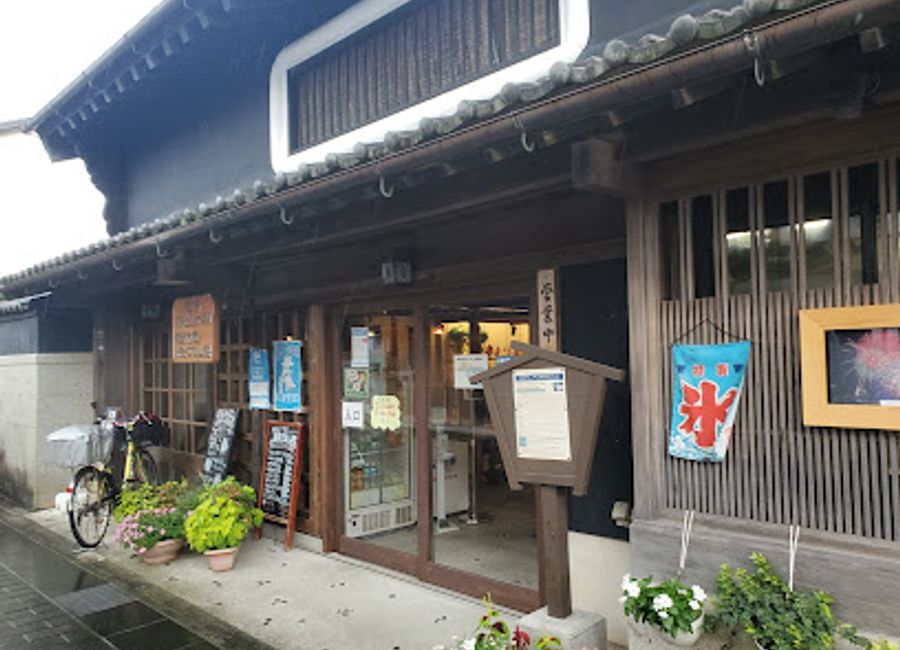
Discover Kumano Kodo Omotenashi-Kan: A charming cafe offering delicious coffee and local cuisine along Japan's historic pilgrimage route.
In the late afternoon, I explored the Road Station Oku-kumanokodo Hongu, a local shop offering a variety of souvenirs and local products. I picked up some Otonachi-cha tea, a local specialty, and a small Yatagarasu figurine, a three-legged crow that is a symbol of guidance and good fortune in Kumano. The Yatagarasu is also the symbol of the Japan Football Association. It was a nice way to support the local economy and bring a piece of Kumano back home to Lena.

Discover local flavors and beautiful scenery at Road Station Oku-kumanokodo Hongu, the ideal rest stop in Wakayama Prefecture.
Dinner was at Hinoki Steak House. I was looking forward to trying some Kumano beef, a local delicacy. I opted for the Kumano Beef Steak Hamburg, and it was absolutely delicious. The steak house is managed by the second-generation master. The atmosphere was cozy and welcoming, and the meal was a perfect end to a long day of travel and exploration.
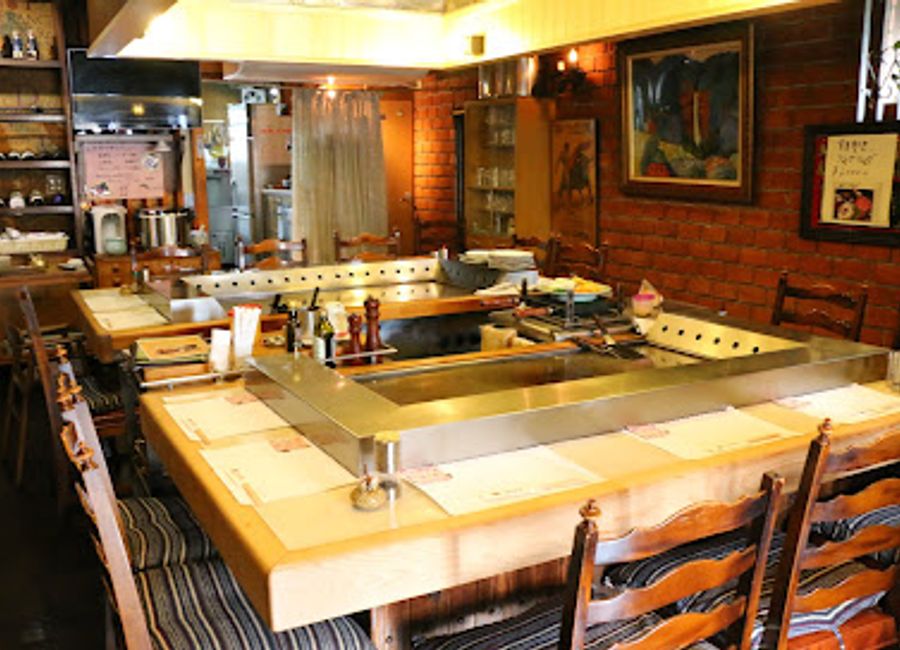
Experience the exquisite flavors of premium steaks at Hinoki Steak House in Nachikatsuura - where every bite is crafted with care.
As the sun began to set, casting long shadows across the mountains, I found myself reflecting on the day's experiences. The Kumano Kodo had already begun to work its magic, enveloping me in its tranquil embrace and awakening a sense of connection to the past. The weather in July can be warm, with high temperatures around 25-26°C, and lows around 22-24°C.
Tomorrow, I plan to continue my journey, heading towards Nachi Waterfall and Seiganto-ji Temple. But for tonight, I'm content to rest and recharge, listening to the gentle sounds of the Japanese countryside and dreaming of the adventures that lie ahead. I'm particularly excited about visiting Nachi Falls, the tallest waterfall in Japan. I also plan to sample some local wine at Wine Kumano. It’s moments like these, far from the familiar rhythms of Potsdam, that remind me why I travel – to discover new sounds, new stories, and new perspectives on the world. The Kumano Kodo is already proving to be a journey of a lifetime, and I can't wait to see what tomorrow brings.
I'm also mindful of the essentials I packed, and slightly regret forgetting a power adapter, sunscreen, and an extra memory card for my camera. I made sure to bring my hiking boots, lightweight rain jacket, portable audio recorder, travel journal, Japanese phrasebook, reusable water bottle, and camera. It's important to dress comfortably and wear lightweight, breathable clothing suitable for walking and hiking.
The Kii Peninsula is one of the wettest regions of Japan, so bringing a raincoat or poncho is essential. Insect repellent may also be necessary during summer to protect yourself from bugs and mosquitoes. I'm also trying to learn some basic Japanese phrases to better communicate with the locals.
As I drift off to sleep, I can't help but feel a sense of gratitude for this opportunity, a chance to reconnect with myself and the world around me. The Kumano Kodo is calling, and I'm ready to answer.
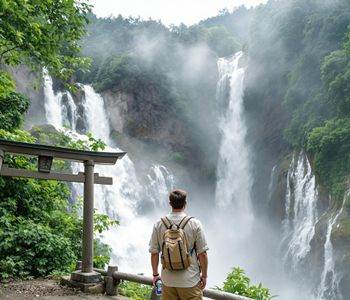
Embark on a solo journey through Japan's sacred Kumano Kodo, exploring ancient trails and serene landscapes for an unforgettable cultural experience.
Meet this Featured Explorer

-
 Occupation:
Sound Engineer specializing in Foley Art
Occupation:
Sound Engineer specializing in Foley Art
-
 Country:
Germany
Country:
Germany
-
 Age:
33
Age:
33
Ah, hello there! I'm Georgios, a sound engineer with a passion for capturing the world's symphony. Born in Greece but now based in Germany, I spend my days crafting soundscapes for films and my free time exploring the globe with my amazing wife, Lena. I love diving deep into local cultures, savoring unique cuisines, and discovering the hidden sounds of each destination. Join me as I share my travel stories, tips, and sensory experiences from around the world!
- Acoustic Ecology
- Independent Film
- Mediterranean Cuisine
- Urban Exploration
- Sustainable Living
Find Similar Travel Diaries
Explore locations from this diary
-
Jokiin
Discover Koya's serene charm at Jokiin, a welcoming guest house perfect for exploring the city's historic landmarks and natural beauty.
-
Kumano Hongu Taisha
Discover the spiritual beauty of Kumano Hongu Taisha, a historic Shinto shrine in Wakayama, Japan, renowned for its stunning architecture and serene landscapes.
-
Kumano Kodo Information Center
Explore the Kumano Kodo Information Center for a deep dive into the history and culture of Japan's ancient pilgrimage routes.
-
Sansaro Cafe
Experience warm hospitality at Sansaro Cafe in Shingu – your cozy retreat with delightful coffee and local charm along the Kumano Kodo.
-
Kumano Kodo Omotenashi-Kan
Discover Kumano Kodo Omotenashi-Kan: A charming cafe offering delicious coffee and local cuisine along Japan's historic pilgrimage route.
-
Hinoki Steak House
Experience the exquisite flavors of premium steaks at Hinoki Steak House in Nachikatsuura - where every bite is crafted with care.
-
Road Station Oku-kumanokodo Hongu
Discover local flavors and beautiful scenery at Road Station Oku-kumanokodo Hongu, the ideal rest stop in Wakayama Prefecture.