Exploring Naoshima: A Family Art Adventure
Day 3: Artistic Shrines and Polka Dots: Discovering Naoshima's Soul
Immerse yourself in Naoshima's art scene, from Go'o Shrine to Yayoi Kusama's Red Pumpkin. A day of culture, art, and island charm!

Naoshima's Artistic Heartbeat
Today was another day of diving deep into the artistic soul of Naoshima. It's incredible how this small island manages to pack so much creativity into every nook and cranny. From exploring sacred spaces reimagined as art to wandering through galleries that blend seamlessly with the landscape, Naoshima continues to surprise and inspire. Olivia, Ethan, and I set out with anticipation, ready to embrace whatever artistic adventures the day would bring.
Our morning began with a hearty breakfast at Little Plum, a charming café near the ferry terminal. I opted for their homemade dry curry, a flavorful start to the day. Ethan, predictably, went for something involving bacon, while Olivia enjoyed a light, local fruit salad. Fueled up, we were ready to tackle the day's itinerary.
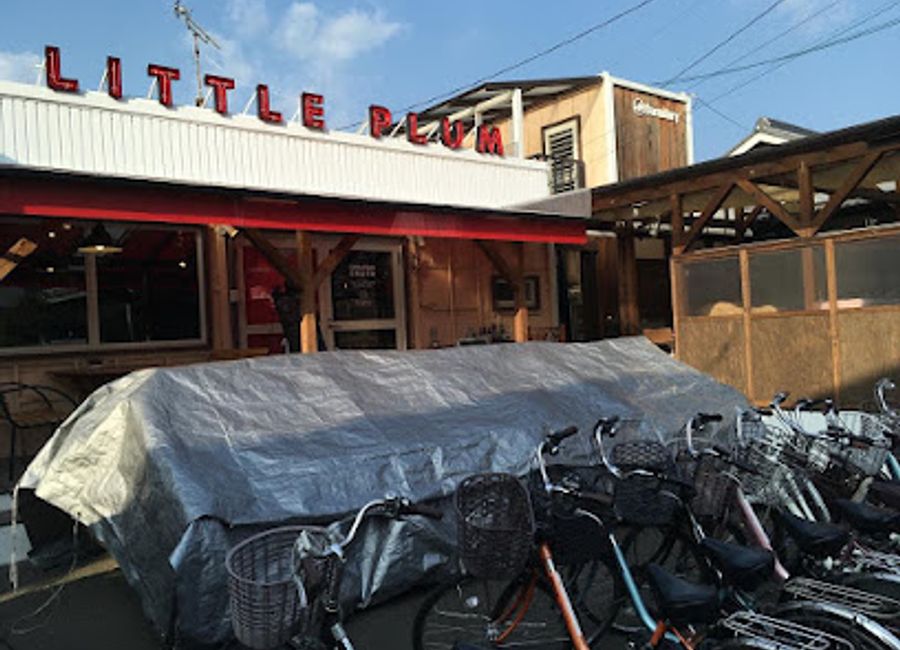
Experience the essence of Naoshima at Little Plum, where local flavors meet warm hospitality in a serene setting.
First on the list was the Art House Project: Go'o Shrine. Nestled in the Honmura district, this project transforms traditional houses into unique art spaces. The walk to the shrine was a treat in itself, a chance to soak in the island's atmosphere. We passed quaint homes with meticulously tended gardens, a testament to the islanders' care and attention to detail. Reaching the Go'o Shrine, I was immediately struck by its serene presence. The artist, Hiroshi Sugimoto, has masterfully blended the old with the new, creating a space that feels both sacred and contemporary.

Discover the serene Art House Project: Go'o Shrine in Naoshima, where contemporary art meets traditional Shinto spirituality in a breathtaking setting.
Art doesn't need to be locked away in galleries to be profound; it can sit by the sea, fade in the rain, glow in the sunset—and still move us, perhaps more than ever.
The shrine itself has origins dating back to the Muromachi period. Sugimoto avoided existing shrine styles to create an imaginary architecture that reflects ancient Japanese Shinto worship. The shrine has three main parts: the Worship Hall, the Main Sanctuary, and the Rock Chamber. The underground chamber is reminiscent of a tumulus. Optical glass steps connect the chamber to the shrine hall. The massive rock slab separates the Worship Hall and Main Sanctuary from the Rock Chamber. A stairway of light joins the celestial and earthbound realms.
Ethan, with his teenage skepticism, was initially unimpressed, but even he couldn't deny the tranquility of the space. Olivia, ever the historian, was fascinated by the way Sugimoto incorporated elements of ancient Shinto architecture into the design. The glass staircase connecting the main shrine and rock chamber was a particular highlight, a stunning example of how art can bridge the gap between the earthly and the divine. I found myself contemplating the blend of tradition and modernity, a theme that seems to run through everything on Naoshima. The Setouchi Triennale, with its focus on revitalizing the region through art, is a testament to this philosophy.
Next, we made our way to the Ando Museum, dedicated to the work of the renowned architect Tadao Ando, who has designed many of the island's museums. From the outside, the museum blends seamlessly into the traditional Honmura townscape, appearing as a regular, old wooden house. However, stepping inside is like entering another world. Ando has created a series of concrete spaces that contrast sharply with the building's exterior, a juxtaposition that is both intriguing and thought-provoking.
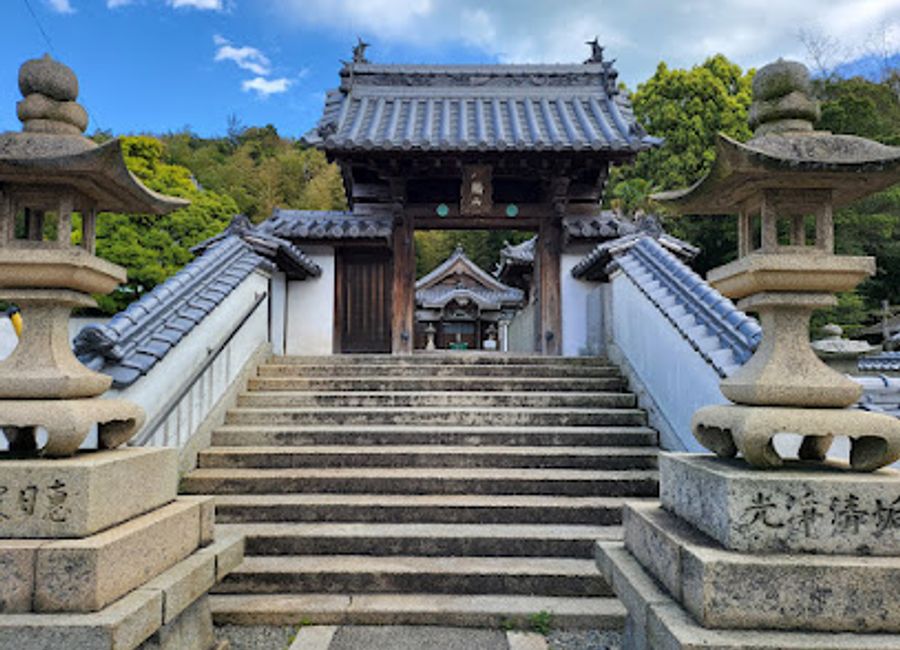
Discover the Ando Museum in Naoshima, a stunning fusion of contemporary art and architecture by Tadao Ando, set against a backdrop of natural beauty.
As someone who appreciates architecture, I was captivated by Ando's signature use of concrete and natural light. The way he plays with shadows and perspectives is simply masterful. Ethan, surprisingly, was also engaged, particularly by the models and photographs documenting Ando's work on Naoshima. Olivia, meanwhile, enjoyed learning about Ando's design philosophy and his commitment to creating spaces that harmonize with the environment. The museum is in a cluster of historic dwellings in Honmura, most of which are still inhabited by island residents.
For lunch, we stopped at Issen, a Japanese restaurant located on the ground floor of the Benesse House Museum. The restaurant serves a kaiseki course menu featuring seafood from the Inland Sea. The views of the sea and contemporary art pieces can be enjoyed from all seats. I opted for a seasonal set meal featuring fresh seafood, while Olivia enjoyed a vegetarian bento box. Ethan, predictably, chose the most substantial-looking option on the menu, a hearty pork cutlet dish. It was a delightful meal, and the perfect way to recharge before our next adventure.

Discover exquisite Japanese cuisine at Issen on Naoshima Island—where art meets culinary excellence in every bite.
Our final stop of the day was the Red Pumpkin, Yayoi Kusama's iconic sculpture located near the Miyanoura Port. As we approached the port, the vibrant red shape came into view, covered in bold black polka dots. It's impossible to miss, and it's become a symbol of Naoshima itself. The Red Pumpkin welcomes every visitor as they arrive on the island. Kusama talks about the place in her poem: “I went to the end of space, looking for the red beam of the sun. It turned into a red pumpkin in Naoshima's sea.”
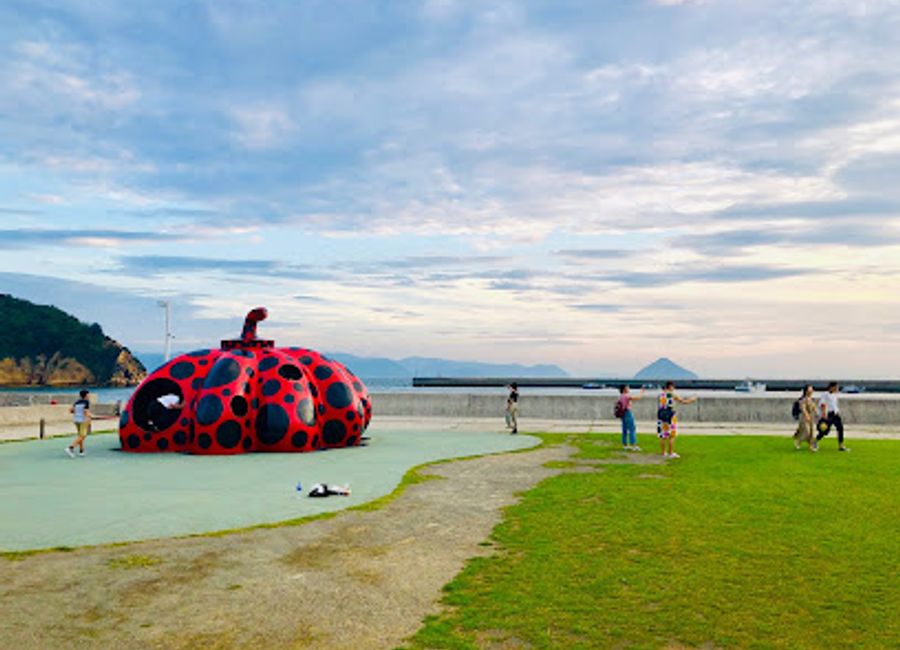
Explore the vibrant Red Pumpkin in Naoshima, a masterpiece of contemporary art by Yayoi Kusama, set against stunning coastal views.
What makes the Red Pumpkin so special is that you can actually step inside the sculpture, experiencing the artwork from within. Through the dotted apertures carved into its shell, the surrounding scenery appears slightly distorted, framed by Kusama's hallucination-inspired patterns. It's both whimsical and disorienting, capturing a glimpse of the surreal world through the artist's eyes. Ethan, of course, immediately started snapping photos for his Instagram feed, while Olivia and I took our time to soak in the unique atmosphere. The Red Pumpkin is more than just a landmark; it's a playful invitation into a world where art blends seamlessly with nature, architecture, and local life. There is a second pumpkin, the Yellow Pumpkin, on the western shore of the island near the Benesse House Museum. Kusama's pumpkins have become living parts of the island’s soul.
Before heading back to My Lodge Naoshima, we stopped at Shimacoya, a charming shop that’s also a guesthouse, used bookstore, and variety store. I picked up a couple of local craft beers to enjoy later, while Olivia browsed the selection of used books. Ethan, predictably, was drawn to the quirky souvenirs. It's a great spot to immerse yourself in the local lifestyle.
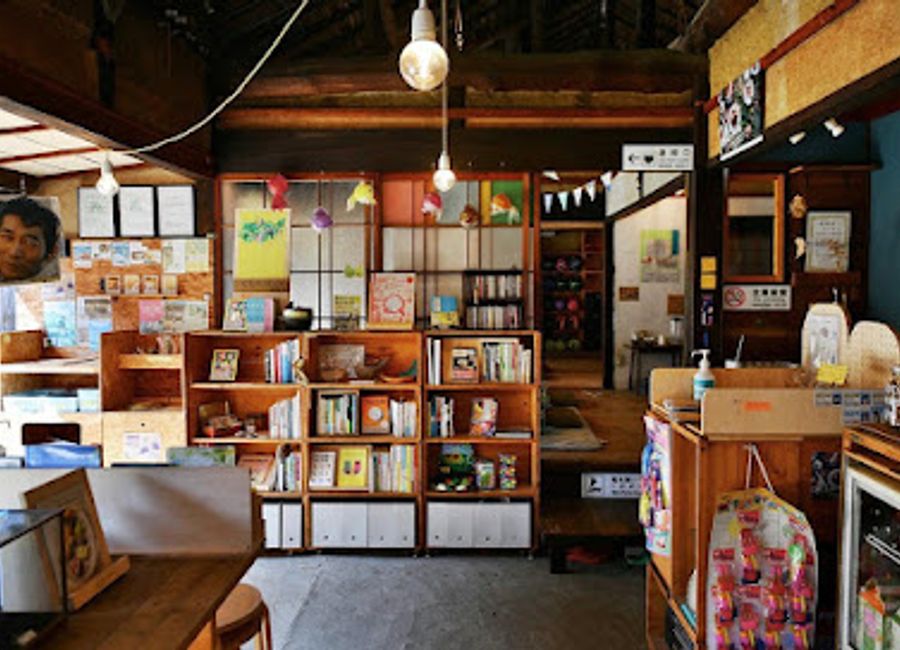
Discover Shimacoya: A unique café experience blending art, literature, and local crafts on the enchanting island of Naoshima.
For dinner, we decided to try Ebisukamo, a seafood restaurant in Honmura that came highly recommended. It was a fantastic choice. The fish was incredibly fresh, and the chef clearly knew his way around a kitchen. We savored every bite, reminiscing about the day's adventures and planning our itinerary for tomorrow. Ebisukamo is a cozy restaurant with incredible food and efficient, friendly staff.
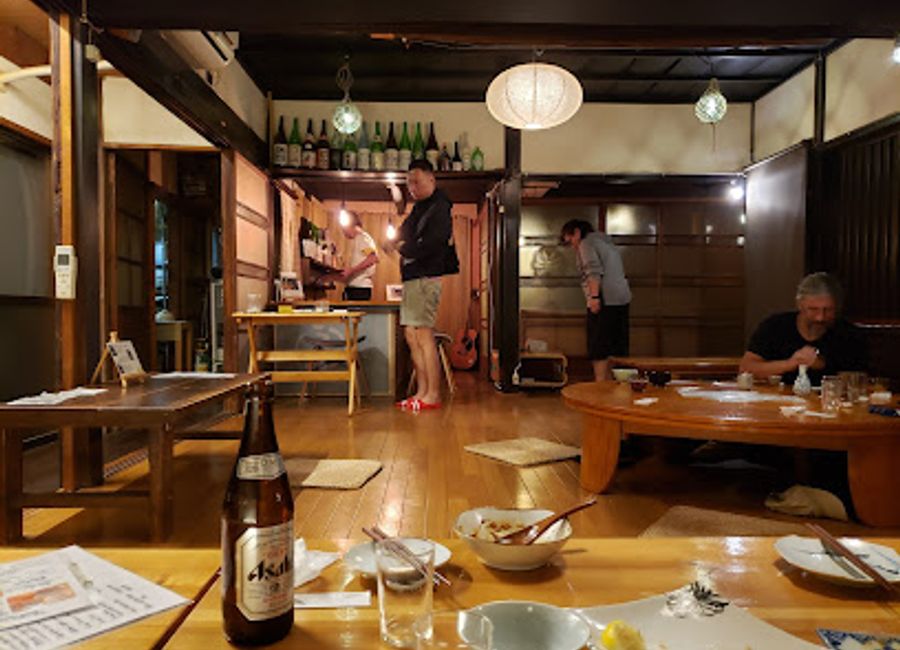
Discover authentic Japanese cuisine at Ebisukamo on Naoshima Island—where local flavors meet serene beauty.
As we walked back to our lodge, the island was quiet and peaceful. The stars were out, and the air was filled with the scent of the sea. It was the perfect end to another perfect day on Naoshima. Tomorrow, we are planning to explore Miyanoura Gallery 6, Shipyard Works By Shinro Otake, and Honmura Lounge & Archive. I'm also hoping to check out the BAR Queen's-Q Naoshima for a nightcap.
Naoshima continues to captivate us with its unique blend of art, culture, and natural beauty. It's a place where creativity flourishes, and where every corner holds a new surprise. I can't wait to see what tomorrow brings.


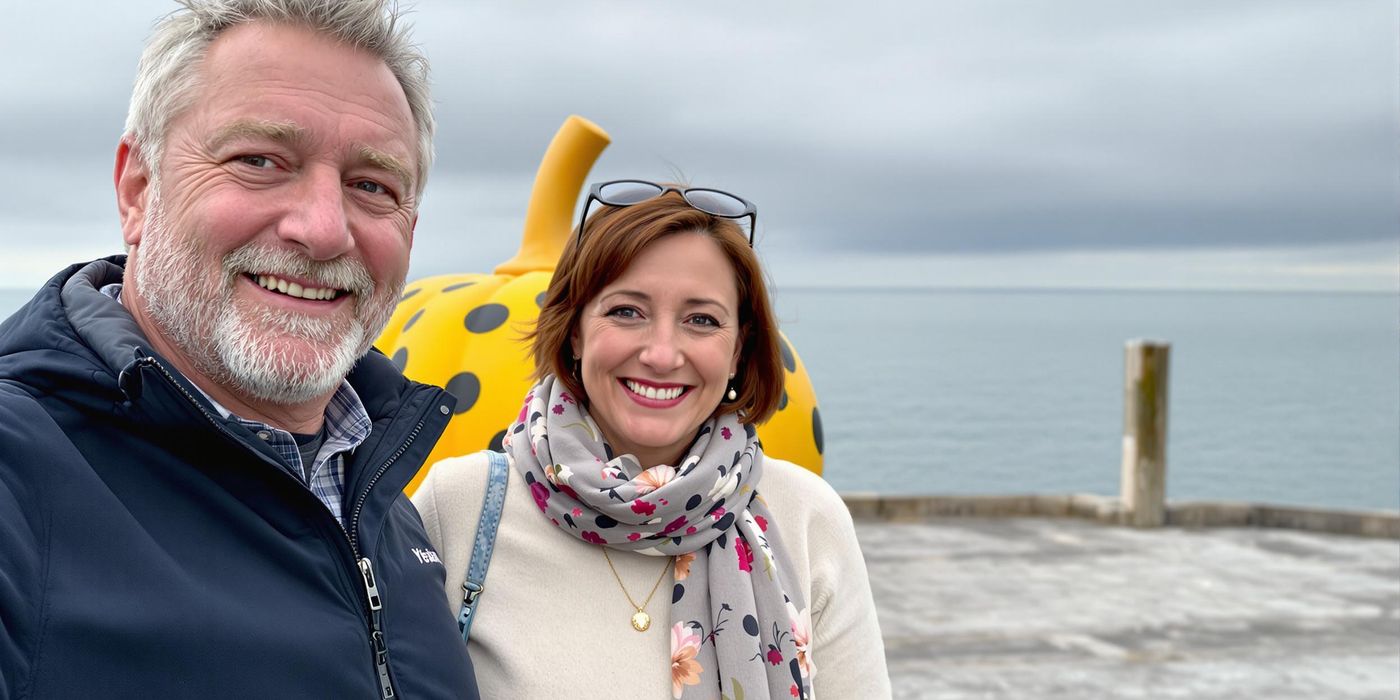
Join us as we explore Naoshima Island's vibrant art scene and cultural gems, perfect for family adventures and art enthusiasts alike.
Meet this Featured Explorer

-
 Occupation:
Brewery Tour Guide
Occupation:
Brewery Tour Guide
-
 Country:
Canada
Country:
Canada
-
 Age:
47
Age:
47
G'day, fellow travelers! I'm James Smith, a Brit turned Canadian, with a passion for craft beer, hiking, and exploring hidden gems. After years of working various jobs, I found my calling as a brewery tour guide in beautiful Kelowna. Join me on my blog, Evendo, as I share my travel experiences, practical tips, and love for local brews. Together with my wife, Olivia, I seek out unique adventures and connect with fellow enthusiasts. Cheers to new discoveries and unforgettable journeys!
Find Similar Travel Diaries
Explore locations from this diary
-
My Lodge Naoshima
Discover affordable comfort at My Lodge Naoshima, an ideal base for exploring the art-laden island while enjoying local cuisine and free parking.
-
Art House Project: Go'o Shrine
Discover the serene Art House Project: Go'o Shrine in Naoshima, where contemporary art meets traditional Shinto spirituality in a breathtaking setting.
-
Ando Museum
Discover the Ando Museum in Naoshima, a stunning fusion of contemporary art and architecture by Tadao Ando, set against a backdrop of natural beauty.
-
Red Pumpkin
Explore the vibrant Red Pumpkin in Naoshima, a masterpiece of contemporary art by Yayoi Kusama, set against stunning coastal views.
-
Little Plum
Experience the essence of Naoshima at Little Plum, where local flavors meet warm hospitality in a serene setting.
-
Issen
Discover exquisite Japanese cuisine at Issen on Naoshima Island—where art meets culinary excellence in every bite.
-
Ebisukamo
Discover authentic Japanese cuisine at Ebisukamo on Naoshima Island—where local flavors meet serene beauty.
-
Shimacoya
Discover Shimacoya: A unique café experience blending art, literature, and local crafts on the enchanting island of Naoshima.