Exploring the Cultural Heritage of Shirakawa-go with Hans
Day 9: Stepping Back in Time: Exploring Takayama's Historical Gems
Discover the charm of Takayama with Lucia and Hans as they explore Takayama Jinya and Nezumita-mon Gate, immersing in history and local flavors.

Echoes of the Shogunate in Takayama
Today was all about immersing ourselves in the rich history and culture of Takayama. Hans and I set out to explore the well-preserved relics of the Edo period, eager to uncover the stories woven into the very fabric of this charming town. It was a day filled with fascinating discoveries, delightful culinary experiences, and the kind of serene beauty that only Japan seems to effortlessly offer.
Our day began with a hearty breakfast at Arai. It's a cozy little spot, clearly popular with the locals, and I could immediately understand why. I opted for the classic udon, and Hans chose soba. There's something so comforting about a warm bowl of noodles first thing in the morning, especially when you know you have a day of exploring ahead. The noodles were perfectly chewy, the broth flavorful, and the atmosphere was just right – bustling but not overwhelming. It reminded me of those small, family-run eateries back in Alcalá de Guadaira, where simple food is elevated by the warmth of the people and the quality of the ingredients.
With our stomachs full and our spirits high, we made our way to Takayama Jinya. Takayama Jinya is one of the most iconic historical buildings in Hida Takayama. Designated as a National Historic Site, it is the only remaining daikansho (regional administrative office) from the Edo period still preserved in its original form. As we approached, the imposing structure immediately transported us back to a time when the shogunate held sway over this region. The history of this place is incredible. Originally, it was the residence of the Kanamori Clan, but it later became the administrative base of the Tokugawa Shogunate, who directly controlled the Hida Province from 1692 to 1868. For about 180 years, 25 generations of administrators were sent to Takayama of Edo (the old name of Tokyo).
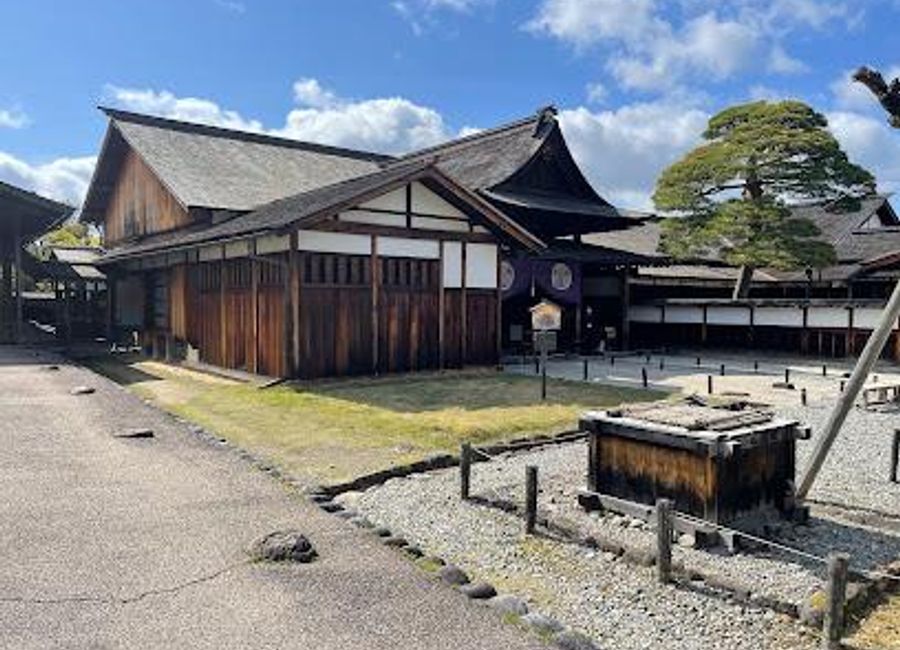
Experience the historical essence of Takayama Jinya, a stunning landmark showcasing Japan's rich heritage and traditional architecture.
Walking through the entrance hall, which dates back to 1816, I could almost picture the high-ranking samurai arriving in their kago (sedan chairs), ready to conduct the business of the shogunate. The entrance board is placed quite low in relation to the other entrances. This facilitated the entry of high-ranking samurai coming to Kago. The Sei-gai-ha (青海波) pattern on the wall, literally the waves of the blue sea, was the favorite pattern of the Tokugawa family. It was fascinating to learn that Takayama Jinya was not only an administrative center but also a court, a place for tax collection, and even a prison. The building was also used as a local administration office from the Meiji period (1868 to 1912) onward. It continued to protect this area for 277 years until the government office was relocated in 1969.
Wandering through the inner chambers and the public court, known as the oshirasu, gave me a tangible sense of the historical weight of this place. I tried to imagine what it must have been like to witness trials and hearings in this very spot centuries ago. The well-preserved rooms and exhibits offered an insightful look into the lifestyle and duties of Edo-period officials. Ledgers, weapons, documents, and administrative tools were all on display, painting a vivid picture of how governance was carried out during that time. The architecture itself was stunning with its expansive architecture and gardens. The grounds feature various structures such as the main office building, inner chambers, the public court (oshirasu), rice storehouses, and traditional Japanese gardens—all preserved in their original architectural style.
History is not a burden on our memory but an illumination of our souls.
One of the most interesting parts of Takayama Jinya was the onkura, the rice granary. This granary, relocated from Takayama Castle in 1695, was used to store the annual rice tax paid by neighboring villages. It’s one of the oldest and largest rice granaries from the Edo period still in existence in Japan, and it gave me a real sense of the economic importance of this region during that time. I was impressed by how well-maintained everything was; it’s clear that the Japanese take great pride in preserving their history.
After immersing ourselves in the administrative and political history of Takayama, Hans and I decided to explore a different facet of Japanese heritage by visiting the Nezumita-mon Gate. Although technically located in Kanazawa, it offered a complementary glimpse into the Edo period's architectural and strategic brilliance. Getting there was a bit of a journey, but the change of scenery was welcome. As we approached the gate, its distinctive appearance immediately caught my eye. The namako walls, with their raised black plaster joining the rectangular tiles, were unlike anything I’d seen before. Nezumita-mon Gate is located along the exterior of the Gyokusen'inmaru, an enclosure in the western area of the Kanazawa Castle grounds. The gate stood at one end of the Nezumitamon Bridge, which led to the Kanaya Demaru area (today, the grounds of Oyama Jinja Shrine). This castle gate features a turret above the doorway.
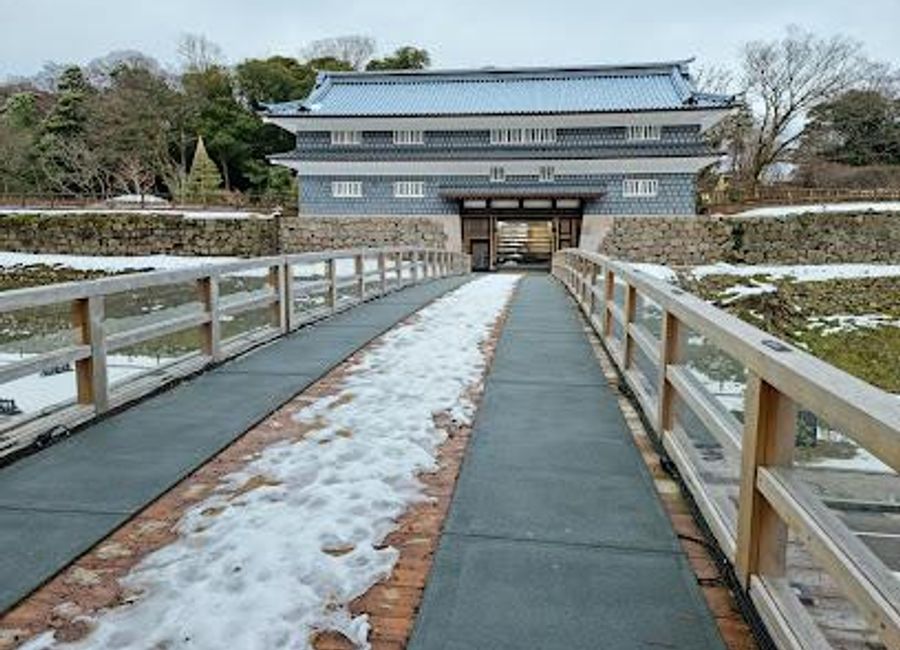
Explore the historical beauty of Nezumita-mon Gate, a remarkable castle landmark in Kanazawa, Japan, showcasing traditional architecture and serene gardens.
It’s fascinating to learn about the gate's history. Though its exact origins are unknown, maps from the early 17th century indicate that it already existed by that time. What’s particularly striking is that the plaster connecting the tiles is black, rather than the usual white, giving it a unique appearance compared to other gates on the castle grounds. This gate features distinctive namako walls with raised black plaster joining rectangular tiles, and Nezumitamon Bridge, one of the largest wooden bridges on the castle grounds.
The Nezumitamon Bridge, one of the largest wooden bridges on the castle grounds, added to the grandeur of the site. Although the original bridge was demolished in 1877 and the gate destroyed in a fire in 1884, they have been faithfully reconstructed based on archaeological investigations and historical documents. Walking through the gate, I felt a connection to the samurai and nobility who once traversed this path. It was easy to imagine the strategic importance of this location during the Edo period. The gate was spared from the 1759 fire that destroyed many of the buildings on the castle grounds, and kept maintained through the 19th century.
After our historical explorations, it was time for lunch. We headed to Tenshukaku, a cafeteria in Shirakawa Village. We enjoyed a delightful lunch of Wild Vegetable Miso Set Meal. The flavors were subtle yet satisfying, and it was the perfect way to refuel after a morning of sightseeing. The restaurant was cozy and inviting, and the staff were incredibly friendly, making us feel right at home. It was a wonderful opportunity to try some authentic local cuisine.
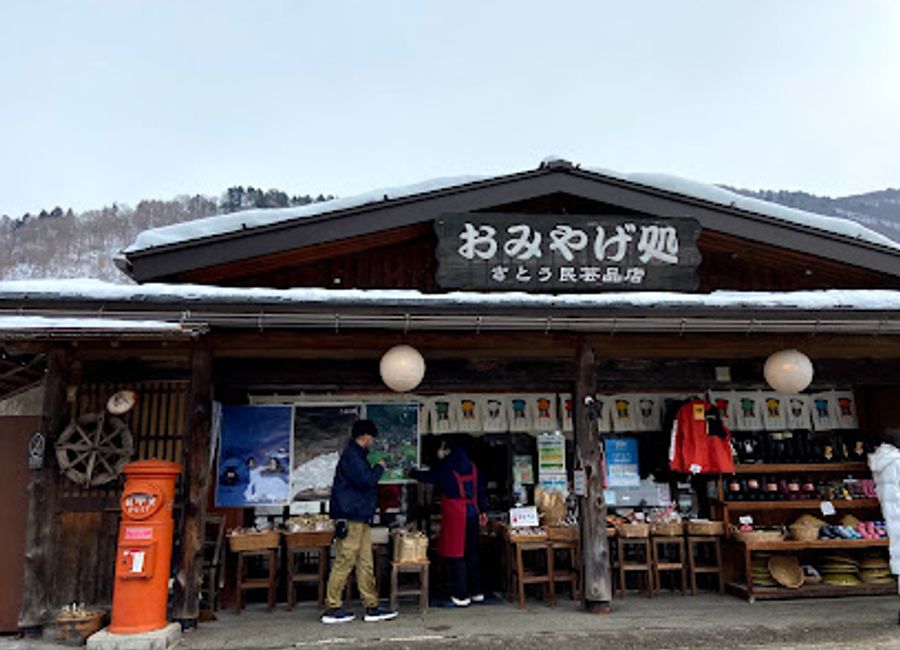
Discover authentic Japanese flavors at Tenshukaku in Shirakawa—where culinary tradition meets stunning mountain views.
Before dinner, we took some time to shop for souvenirs at the Kodaijin Souvenir Store. Located in the Seseragi parking lot area, this shop had a wide array of local products, Hida folk crafts, and local sake. I picked up a few small gifts for friends and family back in Berlin, wanting to share a piece of our Japanese adventure with them. It’s always a pleasure to support local artisans and bring home something unique that tells a story.
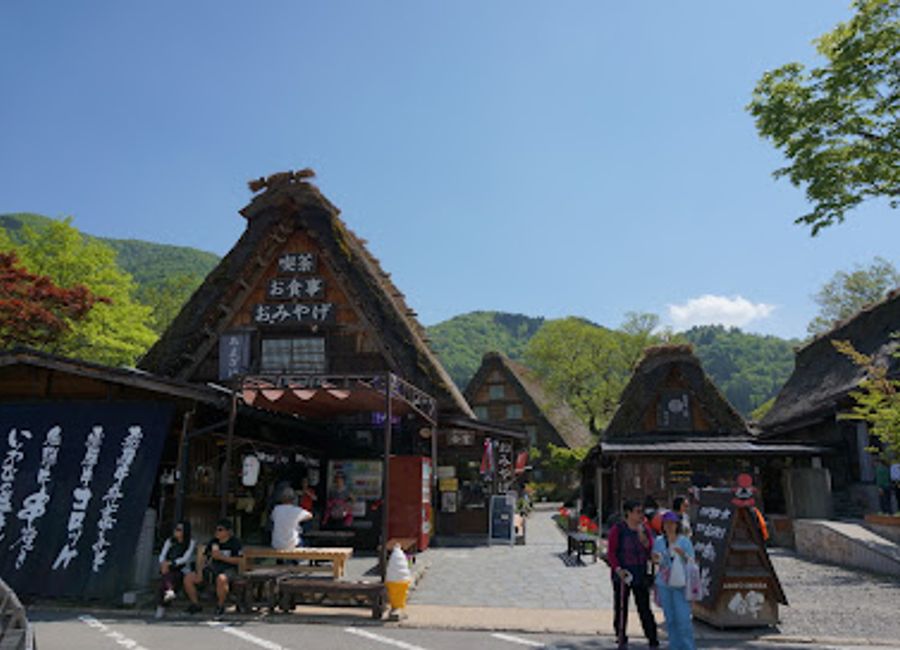
Explore Kodaijin Souvenir Store in Shirakawa for unique Japanese treasures and cultural keepsakes to commemorate your travels.
As evening approached, we made our way to Nomura for dinner. This restaurant came highly recommended, and it did not disappoint. The atmosphere was elegant and refined, and the menu featured a variety of local specialties. I opted for a Hida beef dish, wanting to savor the flavors of this renowned regional delicacy. The beef was incredibly tender and flavorful, melting in my mouth with each bite. Hans chose a seafood dish, which he also thoroughly enjoyed. It was the perfect ending to a day filled with exploration and discovery.
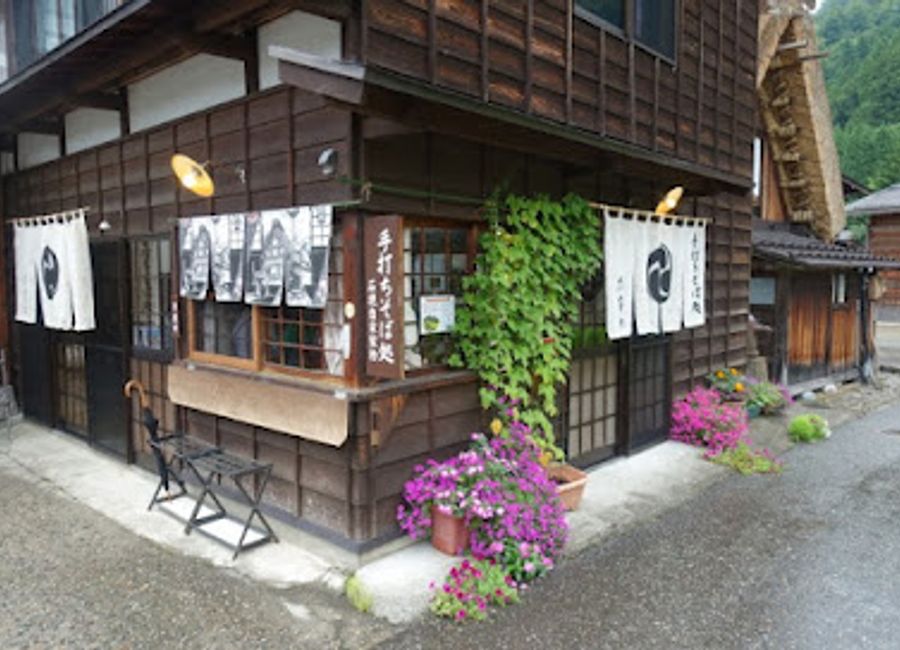
Experience authentic Japanese soba noodles at Nomura in Shirakawa—where tradition meets flavor in every bowl.
Our day in Takayama was a wonderful blend of history, culture, and culinary delights. From the administrative heart of Takayama Jinya to the strategic elegance of Nezumita-mon Gate, we gained a deeper appreciation for the rich heritage of this region. The delicious meals at Arai, Tenshukaku, and Nomura only added to the experience, making it a day to remember. As we head into tomorrow, we're looking forward to visiting the Hida Earth Wisdom Center and the Hida Takayama Retro Museum. I’m also intrigued by the prospect of unwinding at Koshiyama after another day of exploration. For now, though, it’s time to rest and reflect on the incredible journey we’ve had so far. I feel so grateful for these experiences and for the opportunity to share them with you all. Until tomorrow!
It’s funny, isn’t it? How places so different from home can feel so familiar, so welcoming. Maybe it’s the shared human experience, the universal desire to connect and understand. Whatever it is, I’m incredibly grateful for it. And I can’t wait to see what tomorrow brings.



Join Lucia and Hans as they explore the traditional charm of Shirakawa-go, immersing in local culture and sustainable living in the Japanese countryside.
Meet this Featured Explorer

-
 Occupation:
Urban Beekeeper
Occupation:
Urban Beekeeper
-
 Country:
Germany
Country:
Germany
-
 Age:
32
Age:
32
Hola! I'm Lucia Moreno, a Spanish expat living in Berlin, and I'm passionate about sustainable travel and environmental conservation. As an urban beekeeper, I'm deeply connected to nature, and I love exploring new cultures while minimizing my impact on the planet. Join me as I share my adventures, tips, and insights on how to travel responsibly and make a positive difference in the world.
- Sustainable living
- Environmental conservation
- Exploring different cultures
- Learning new languages
- Trying new cuisines
Find Similar Travel Diaries
Explore locations from this diary
-
Takayama Jinya
Experience the historical essence of Takayama Jinya, a stunning landmark showcasing Japan's rich heritage and traditional architecture.
-
Nezumita-mon Gate
Explore the historical beauty of Nezumita-mon Gate, a remarkable castle landmark in Kanazawa, Japan, showcasing traditional architecture and serene gardens.
-
Arai
Experience authentic Japanese cuisine at Arai in Shirakawa, where traditional dishes meet stunning cultural heritage.
-
Tenshukaku
Discover authentic Japanese flavors at Tenshukaku in Shirakawa—where culinary tradition meets stunning mountain views.
-
Nomura
Experience authentic Japanese soba noodles at Nomura in Shirakawa—where tradition meets flavor in every bowl.
-
Kodaijin Souvenir Store
Explore Kodaijin Souvenir Store in Shirakawa for unique Japanese treasures and cultural keepsakes to commemorate your travels.