Exploring the Timeless Beauty of Shirakawa-go with Friends
Day 1: A Day of Discovery in Shirakawa-go: Unveiling Tradition and Tranquility
Step back in time in Shirakawa-go! Explore thatched-roof houses, serene temples, and local flavors on an unforgettable cultural journey.

Whispers of the Past
Today marked the first day of our Shirakawa-go adventure, and what a day it was! Leaving behind the familiar streets of Bonn, I embarked on a journey with my friends to immerse ourselves in the heart of Japan's historical beauty. Shirakawa-go, a UNESCO World Heritage site, promised a glimpse into a world where time seemed to slow down, and the harmonious blend of nature and architecture created an unforgettable experience. I was particularly excited to see the traditional gassho-style farmhouses, with their unique thatched roofs, and to soak in the peaceful atmosphere of this remote mountain village.
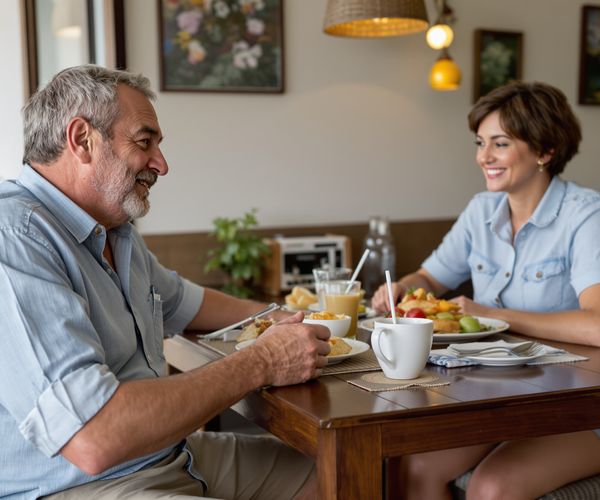
Our day began with a hearty breakfast at Shirakawago Restaurant Irori. The aroma of traditional Japanese cuisine filled the air as we stepped inside, and the warm, inviting atmosphere immediately made us feel at home. I opted for a traditional Japanese breakfast set, complete with grilled tofu, local vegetables, and a steaming bowl of miso soup. The flavors were subtle yet satisfying, providing the perfect fuel for a day of exploration. Irori is known for its rustic and regional dishes, and it certainly didn't disappoint. Andreas would have loved the Hida beef, but maybe I can convince him to come here one day. The restaurant itself was beautifully designed, with tatami seating and picturesque views that enhanced the dining experience.
With our stomachs full and our spirits high, we set off to our first destination: Shirakawa-go Gassho-Zukuri Minka-en. This open-air museum is a collection of relocated gassho-style farmhouses, offering a comprehensive look into the region's architectural and cultural heritage. Walking through the village, I was struck by the ingenuity and craftsmanship of the gassho-style houses. The steep, thatched roofs, designed to withstand heavy snowfall, were truly a sight to behold. I learned that the name gassho-zukuri comes from the way the roofs resemble hands clasped in prayer.
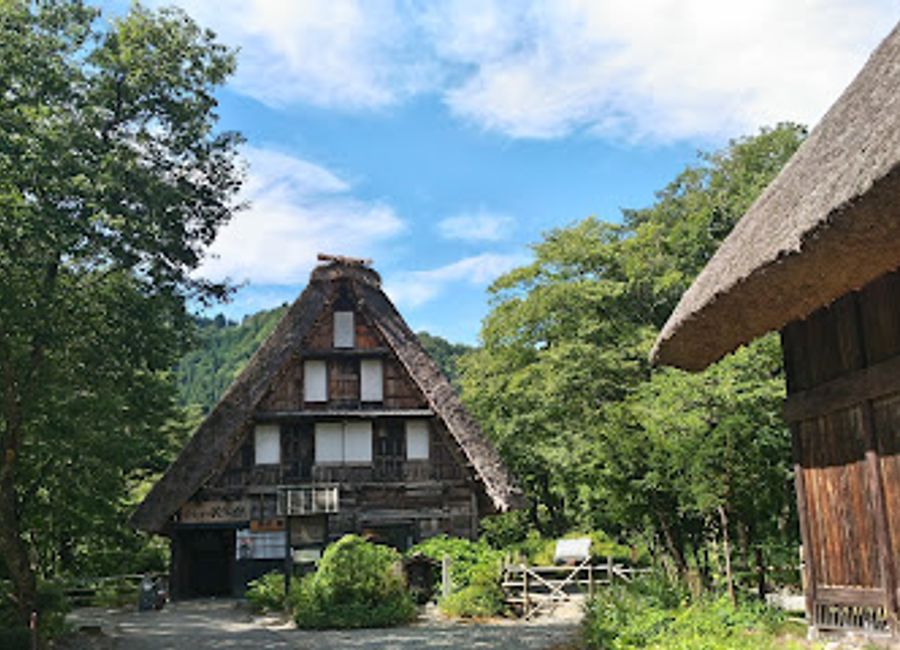
Explore Shirakawa-go Gassho-Zukuri Minka-en, a captivating open-air museum showcasing Japan's traditional thatched-roof farmhouses amidst stunning natural beauty.
Inside the farmhouses, I marveled at the traditional tools and implements used for daily life and silk production. The attics, which once served as silkworm nurseries, provided a fascinating glimpse into the region's history as a silk-producing center. The museum wasn't overly crowded, and the serene atmosphere made it easy to imagine what life must have been like in this remote village generations ago.
The best journey takes you home, even if it's just to yourself.
After immersing ourselves in the architectural wonders of Minka-en, we moved on to Myozenji Temple. Founded in 1748, Myozenji is a Jodo Shinshu temple known for its distinctive gassho-style architecture. What sets Myozenji apart from other temples is that its main hall, bell tower gate, and living quarters all feature thatched roofs.
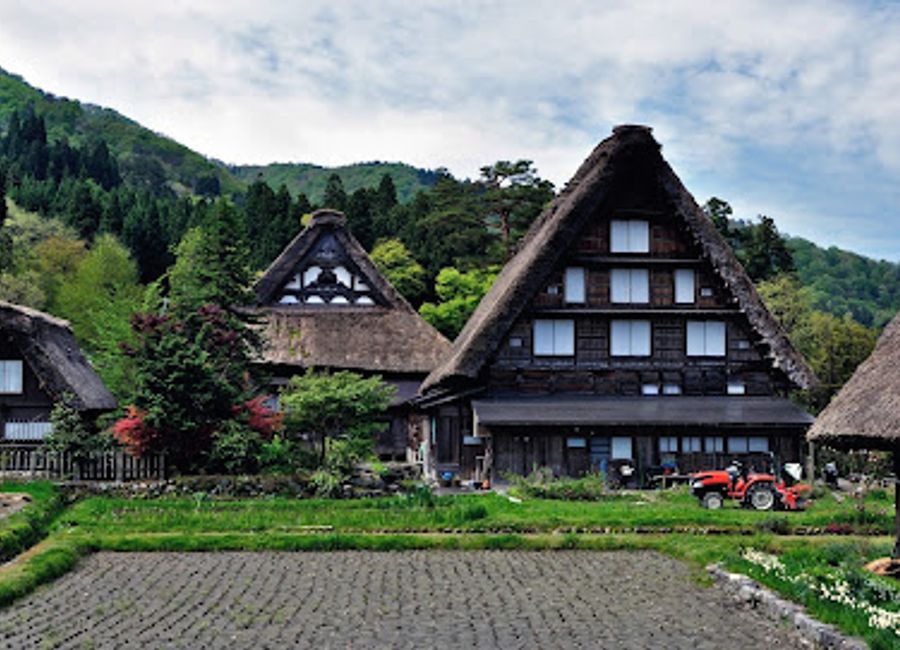
Discover the tranquil beauty of Myozenji, a stunning Buddhist temple in Shirakawa, where culture, spirituality, and nature harmoniously blend.
As I approached the temple, I was struck by the peaceful atmosphere and the harmonious blend of nature and architecture. The main hall, with its ornate interior and serene Buddhist statues, exuded a sense of tranquility and reverence. I took a moment to reflect on the temple's history and its significance as a spiritual center for the local community.
One of the highlights of Myozenji was the Shoromon gate, a unique two-layered structure with a high thatched roof. I learned that the gate's design inspired the temple's current main hall, which was constructed 26 years later. Standing beneath the gate, I admired the craftsmanship and attention to detail that went into its construction.
Adjacent to the temple is the Myozenji Museum, housed in one of the largest gassho-style houses in the village. This building, which once served as the living quarters for the head priest and his family, now showcases artifacts and exhibits that offer insights into traditional life in Shirakawa-go.
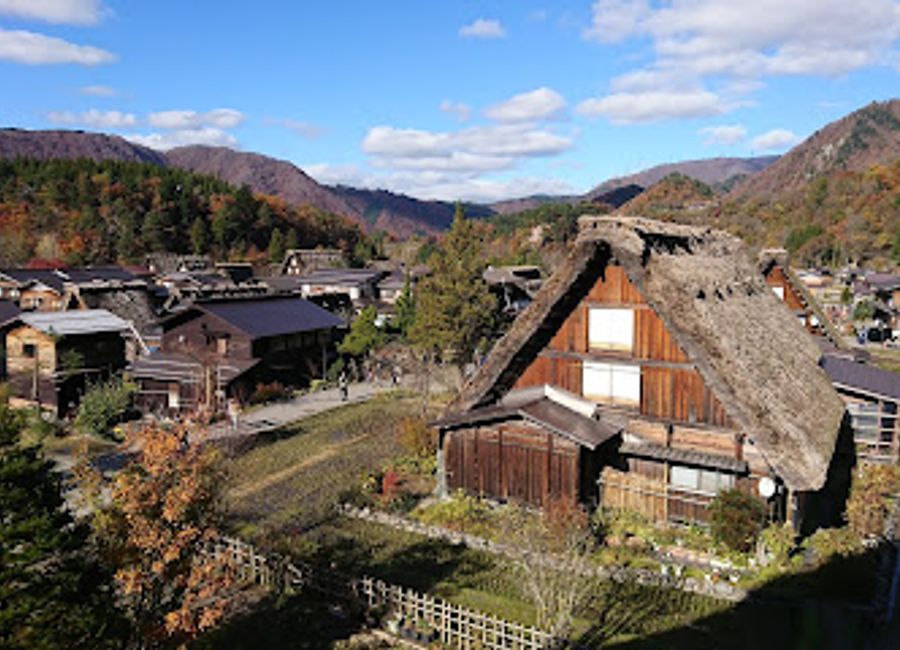
Immerse yourself in the rich cultural heritage of Shirakawa-go at Myozenji Museum, a local history gem showcasing traditional Japanese lifestyle.
Inside the museum, I explored the various levels of the house, each displaying different aspects of daily life. The attic, which was used for cultivating silkworms, featured a collection of tools, kitchen utensils, and ornaments. I also learned about the construction techniques used to build the gassho-style houses, including the use of straw ropes and witch hazel saplings to secure the roof structure.
After a morning of cultural immersion, it was time for lunch. We headed to Soba Wakimoto, a local restaurant known for its handmade soba noodles and Hida beef dishes. As a floral designer, I always appreciate the beauty in simplicity, and the presentation of the soba noodles was a work of art in itself.

Savor authentic handmade soba noodles in Shirakawa's scenic Ogimachi village, where tradition meets breathtaking views.
I ordered the cold soba noodles with Hida beef, a local specialty. The noodles were perfectly cooked, with a firm and chewy texture, and the Hida beef was tender and flavorful. The dipping sauce, a soy sauce-based broth, added a savory and slightly sweet note to the dish. It was a truly satisfying and authentic culinary experience.
With our appetites satisfied, we decided to indulge in some retail therapy at Kataribe, a local shop known for its Shirakawa-go specialty products and Hida's local sake. The shop was conveniently located near the suspension bridge, making it easily accessible from the Seseragi parking lot.
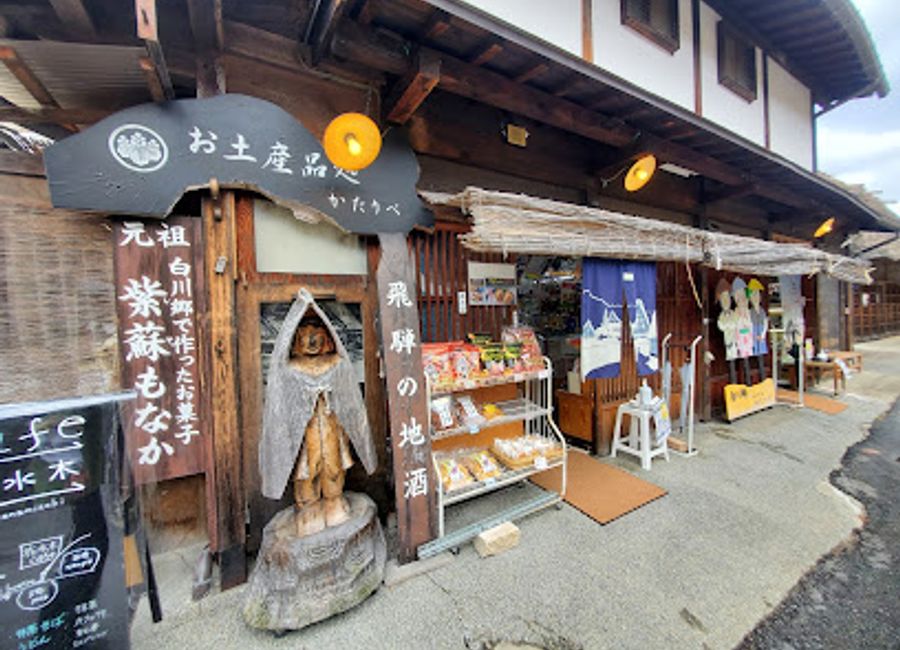
Explore Kataribe Souvenir Store in Shirakawa for authentic Japanese crafts and unique gifts that embody the spirit of traditional culture.
Inside, I browsed through a variety of souvenirs, including local keychains and crafts. I picked up a few small gifts for Sophie and Andreas, wanting to bring a piece of Shirakawa-go back home with me. I was tempted to buy a bottle of Hida's local sake, but I decided to save that for another occasion.
As the day drew to a close, we made our way to Tenshukaku for dinner. This restaurant is known for its panoramic views of Shirakawa-go's gassho village. Fortunately, the restaurant also features an observatory, which is usually open for free, but being a private facility, visitors are asked to be considerate.
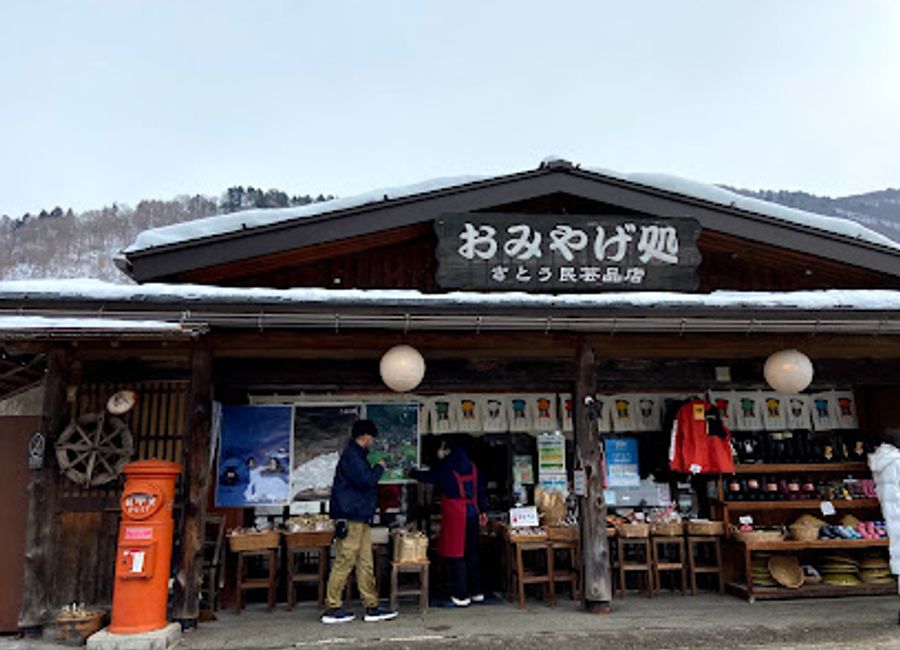
Discover authentic Japanese flavors at Tenshukaku in Shirakawa—where culinary tradition meets stunning mountain views.
I opted for a teishoku set meal, which included rice, miso soup, and a variety of seasonal side dishes. The ingredients were fresh and of high quality, reflecting the local culinary traditions. As I savored each bite, I couldn't help but feel grateful for the opportunity to experience the beauty and tranquility of Shirakawa-go.
Tomorrow, we plan to explore Ogimachi, visit the Hatotani Hachiman Shrine, and stroll along the Wooden Walkway. I'm particularly looking forward to visiting Ogimachi, the largest village in Shirakawa-go, and seeing more of the traditional gassho-zukuri houses. I'm also excited to visit the Hatotani Hachiman Shrine, a Shinto shrine known for its peaceful atmosphere and beautiful architecture. And of course, I can't wait to try some more of the local cuisine!
As I reflect on today's adventures, I'm filled with a sense of gratitude and wonder. Shirakawa-go is a truly special place, where the past and present coexist in harmony. I can't wait to see what tomorrow brings!
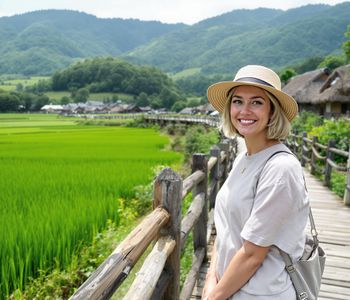
Discover the charm of Shirakawa-go's traditional thatched-roof houses and immerse yourself in Japan's serene landscapes with friends.
Meet this Featured Explorer

-
 Occupation:
Floral Designer
Occupation:
Floral Designer
-
 Country:
Germany
Country:
Germany
-
 Age:
47
Age:
47
Hallo! I'm Maria Bakker, a floral designer from Bonn, Germany, with Dutch roots and a passion for exploring the world. I believe that travel is more than just ticking off landmarks; it's about immersing yourself in different cultures, connecting with locals, and creating lasting memories. Join me as I share my travel stories, practical tips, and inspiring photos, all while seeking authentic experiences and sustainable ways to explore our beautiful planet. I hope to inspire you to embark on your own adventures, discover hidden gems, and appreciate the beauty that our world has to offer!
- Gardening
- Sustainable living
- Art history
- Local markets
- European culture
Find Similar Travel Diaries
Explore locations from this diary
-
Shirakawa-go Gassho-Zukuri Minka-en
Explore Shirakawa-go Gassho-Zukuri Minka-en, a captivating open-air museum showcasing Japan's traditional thatched-roof farmhouses amidst stunning natural beauty.
-
Myozenji
Discover the tranquil beauty of Myozenji, a stunning Buddhist temple in Shirakawa, where culture, spirituality, and nature harmoniously blend.
-
Myozenji Museum
Immerse yourself in the rich cultural heritage of Shirakawa-go at Myozenji Museum, a local history gem showcasing traditional Japanese lifestyle.
-
Shirakawago Restaurant Irori
Experience authentic Japanese cuisine at Shirakawago Restaurant Irori, nestled in the scenic beauty of Shirakawa-go's heritage village.
-
Soba Wakimoto
Savor authentic handmade soba noodles in Shirakawa's scenic Ogimachi village, where tradition meets breathtaking views.
-
Tenshukaku
Discover authentic Japanese flavors at Tenshukaku in Shirakawa—where culinary tradition meets stunning mountain views.
-
Kataribe
Explore Kataribe Souvenir Store in Shirakawa for authentic Japanese crafts and unique gifts that embody the spirit of traditional culture.