Solo Cultural Exploration in Kyoto: Discovering Japan's Timeless Elegance
Day 5: Echoes of Emperors: Delving into Kyoto's Imperial Heart
Journey through Kyoto's imperial past with visits to Nijo Castle, Kyoto Imperial Palace, and serene gardens, a day of history and beauty.

Stepping Back in Time: Kyoto's Imperial Majesty
Today, I embarked on a journey through the heart of Kyoto, exploring the residences and gardens that once shaped Japan's imperial narrative. Immersing myself in the grandeur of Nijo Castle, the serene beauty of the Kyoto Imperial Palace, and the tranquil expanse of Kyoto Gyoen National Garden, I felt transported back to a time of shoguns and emperors. It was a day filled with historical insights and serene contemplation, a perfect blend of Kyoto's cultural and natural beauty.
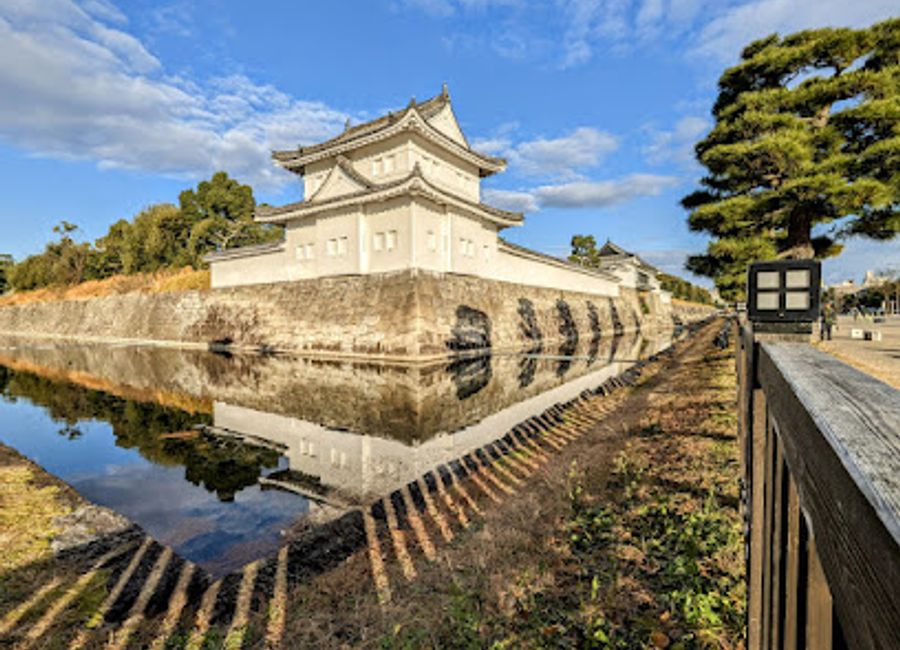
Explore the grandeur of Nijō Castle, a UNESCO World Heritage Site in Kyoto, showcasing the beauty of feudal Japan's architecture and gardens.
My day began with a delightful breakfast at Masayoshi Japanese Dining. The restaurant, a tranquil space stylishly renovated from a 150-year-old Kyoto townhouse, was a perfect start to my day. I savored a traditional Japanese breakfast, fueling up for a day of exploration. The carefully selected black wagyu beef was amazing.

Experience authentic Japanese steakhouse dining at Masayoshi in Kyoto—where tradition meets culinary excellence.
First on the itinerary was Nijo Castle. As I approached the imposing structure, I couldn't help but feel a sense of awe. This castle, built by the Tokugawa shogunate, served as their Kyoto residence and a symbol of their power. Stepping through the main gate, I was immediately struck by the sheer scale of the grounds. The intricate details of the Ninomaru Palace, with its 'nightingale floors' designed to chirp underfoot and prevent stealthy intruders, were fascinating. Each room was a testament to the opulence and authority of the shogunate. I spent a good couple of hours wandering through the castle, imagining the political intrigues and historical events that unfolded within its walls. The cherry blossoms were starting to bloom, adding a touch of spring to the historical site.
The past is never dead. It's not even past.
After Nijo Castle, I made my way to the Kyoto Imperial Palace, the former residence of Japan's imperial family. The palace is located within the sprawling Kyoto Gyoen National Garden, a vast green space that offers a respite from the bustling city. Unlike Nijo Castle, the Imperial Palace exuded an aura of understated elegance and tranquility. I strolled through the meticulously maintained gardens, admiring the serene ponds, manicured lawns, and carefully placed stones. The main buildings, rebuilt in the 19th century after a fire, showcased traditional Japanese architecture at its finest. Though the imperial family moved to Tokyo in 1868, the Kyoto Imperial Palace remains an important symbol of Japan's imperial heritage.

Discover the serene beauty and rich history of Kyoto Imperial Palace, a royal landmark surrounded by stunning gardens and traditional architecture.
Wandering through Kyoto Gyoen National Garden, I found myself captivated by the plum blossoms, their delicate fragrance filling the air. It was early March, and the garden was just beginning to awaken from its winter slumber. According to local lore, the plum blossoms are at their peak from late February to mid-March, while the cherry blossoms typically bloom from mid-March to April. I felt fortunate to witness the tail end of the plum blossom season, a subtle yet beautiful reminder of the changing seasons.

Experience the breathtaking beauty of Kyoto Gyoen National Garden, a serene national park perfect for leisurely walks and cultural exploration amidst stunning landscapes.
For lunch, I chose THE SODOH HIGASHIYAMA KYOTO, an Italian restaurant with a stellar reputation. The reviews I had read raved about its ambiance and cuisine, and I was eager to experience it firsthand. The restaurant is set in a beautifully restored traditional Japanese building, once the residence of a renowned painter. The setting was exquisite, with meticulously manicured gardens and elegant interiors. My meal was a delightful fusion of Italian flavors and Japanese culinary techniques. The pasta was perfectly al dente, and the ingredients were fresh and seasonal. It was a truly memorable dining experience.

Discover the perfect blend of Italian culinary artistry and traditional Japanese ambiance at The Sodoh Higashiyama Kyoto.
In the afternoon, I explored more of Kyoto Gyoen National Garden, taking a leisurely stroll through its various sections. I discovered a plum grove with about 200 plum trees, including the rare plum called 'Omoi no mama (As you wish),' which has two colors of flowers on one tree. The peach grove, located to the south of Hamaguri Gate, had 70 trees, a symbol of spring. I also visited the weeping cherry trees at the remain of Konoe House, which are the earliest to bloom, starting in the middle of March. The garden truly embodies the beauty of each season.
As the day drew to a close, I decided to indulge in a bit of shopping at Kyoto Shinkyogoku Shopping Street. This bustling arcade is a sensory overload, with shops selling everything from traditional crafts to quirky souvenirs. I enjoyed browsing the various stores, picking up a few small gifts for Jean-Pierre and myself. The vibrant atmosphere and the sheer variety of goods on offer made it a fun and engaging experience.

Explore Kyoto Shinkyogoku Shopping Street, a vibrant hub of traditional crafts, delicious street food, and unique shopping experiences in the heart of Kyoto.
Dinner was at Katsukura Tonkatsu Sanjo Main Store, known for its delectable tonkatsu. I was not disappointed. The pork cutlet was perfectly crispy on the outside and tender on the inside. The restaurant had a cozy and welcoming atmosphere, and the staff were friendly and attentive. It was the perfect way to end a day of historical and cultural exploration.
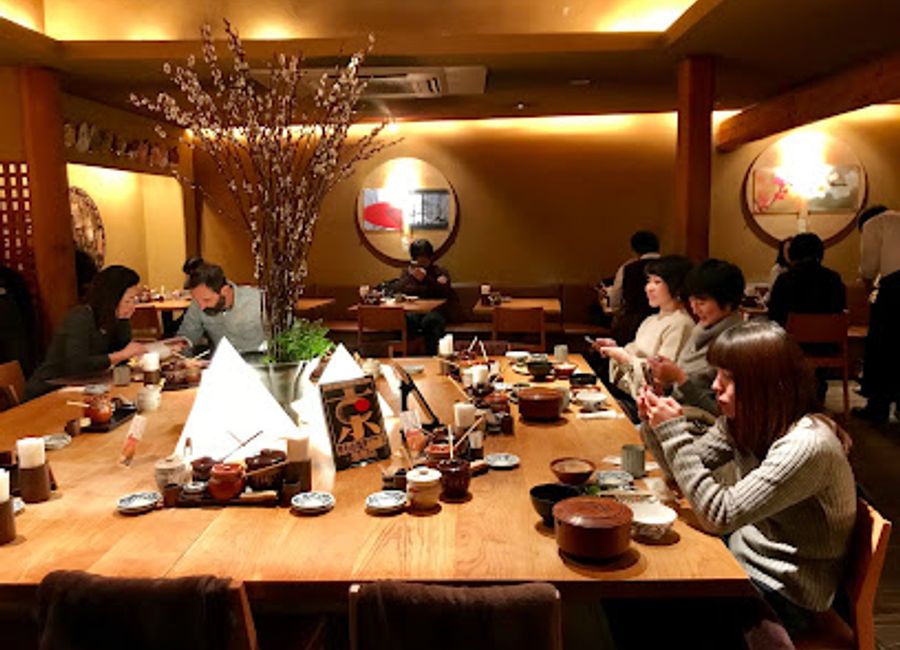
Savor the best tonkatsu in Kyoto at Katsukura Tonkatsu Sanjo Main Store—where tradition meets flavor.
Tomorrow, I plan to visit the Fushimi Inari Shrine, with its thousands of vibrant red torii gates winding up a mountainside. I am also hoping to see Tofuku-ji Temple and Kodaiji Temple. I might even end the day at The Common One Bar Kyoto.
As I reflect on today's journey, I am filled with a sense of gratitude for the opportunity to experience Kyoto's imperial heritage. Each location, from the imposing Nijo Castle to the serene Kyoto Imperial Palace and the bustling Kyoto Shinkyogoku Shopping Street, offered a unique glimpse into the city's rich history and culture. This solo trip is proving to be an enriching experience, allowing me to connect with the heart and soul of Japan in a way that I never thought possible. I am already looking forward to tomorrow's adventures, eager to uncover more of Kyoto's hidden treasures.
The cherry blossoms are just starting to peek out, a subtle reminder of the beauty that awaits in the coming days. I am excited to witness the full bloom and share the experience with all of you. Until then, stay tuned for more tales from my solo journey through Kyoto!
And I really need to remember to buy a light raincoat!

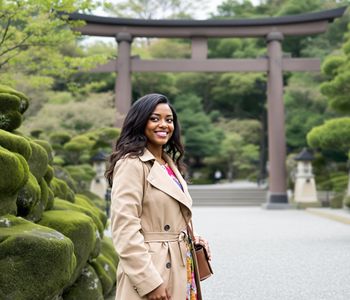
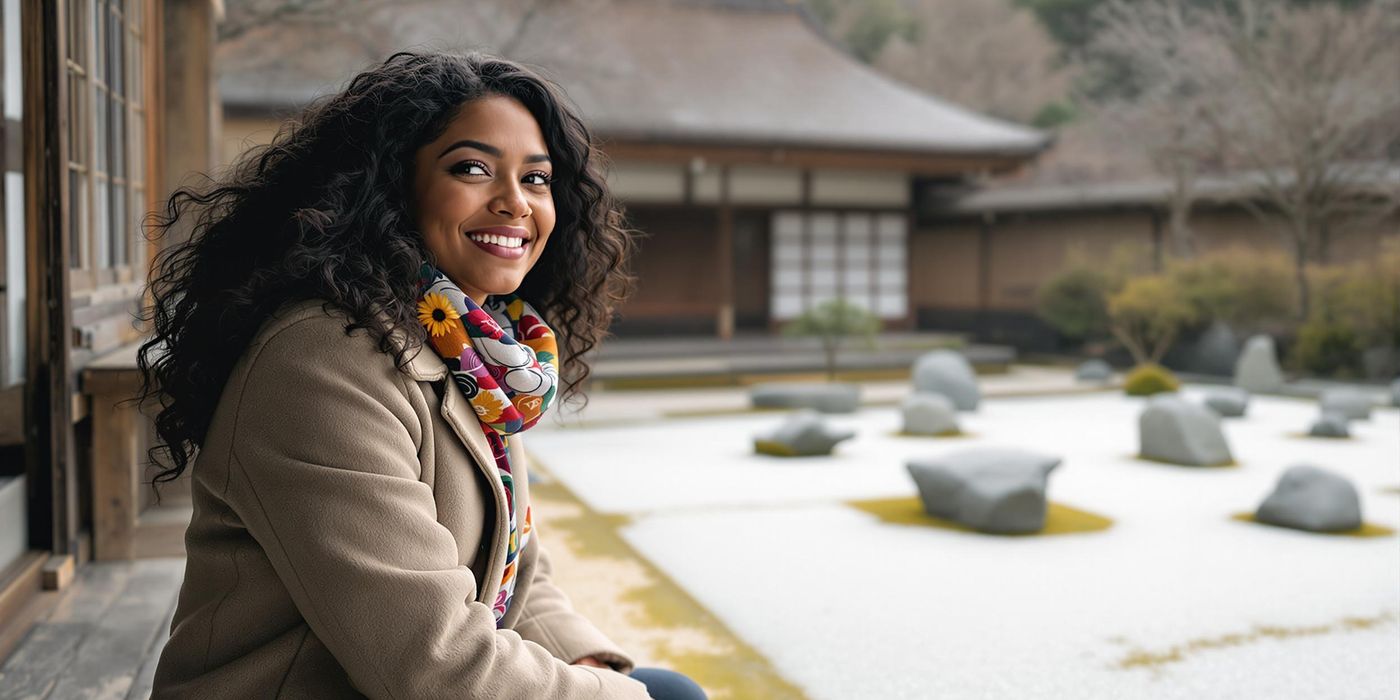
Explore Kyoto's timeless beauty and cultural wonders on a solo journey, indulging in traditional experiences and modern comforts.
Meet this Featured Explorer

-
 Occupation:
Freelance Translator and Travel Blogger
Occupation:
Freelance Translator and Travel Blogger
-
 Country:
Canada
Country:
Canada
-
 Age:
29
Age:
29
Bonjour and Salama! I'm Marie, a freelance translator and travel blogger originally from the beautiful island of Madagascar, now living in Montreal with my wonderful husband, Jean-Pierre. My blog, Evendo, is my passion project where I share my adventures and insights from around the world. I focus on sustainable travel, cultural immersion, and discovering those hidden gems that offer an authentic travel experience. I believe travel is more than just ticking off destinations; it's about connecting with people, respecting cultures, and leaving a positive impact on the places we visit. Join me as I explore the world, one meaningful journey at a time!
- Linguistics
- Cultural anthropology
- Sustainable tourism
- Wildlife conservation
- Culinary arts
Find Similar Travel Diaries
Explore locations from this diary
-
Hotel Gracery Kyoto Sanjo
Discover the perfect blend of modern comfort and traditional charm at Hotel Gracery Kyoto Sanjo, just steps away from Kyoto's vibrant attractions.
-
Nijō Castle
Explore the grandeur of Nijō Castle, a UNESCO World Heritage Site in Kyoto, showcasing the beauty of feudal Japan's architecture and gardens.
-
Kyoto Imperial Palace
Discover the serene beauty and rich history of Kyoto Imperial Palace, a royal landmark surrounded by stunning gardens and traditional architecture.
-
Kyoto Gyoen National Garden
Experience the breathtaking beauty of Kyoto Gyoen National Garden, a serene national park perfect for leisurely walks and cultural exploration amidst stunning landscapes.
-
Masayoshi Japanese Dining
Experience authentic Japanese steakhouse dining at Masayoshi in Kyoto—where tradition meets culinary excellence.
-
THE SODOH HIGASHIYAMA KYOTO|Restaurant
Discover the perfect blend of Italian culinary artistry and traditional Japanese ambiance at The Sodoh Higashiyama Kyoto.
-
Katsukura Tonkatsu Sanjo Main Store
Savor the best tonkatsu in Kyoto at Katsukura Tonkatsu Sanjo Main Store—where tradition meets flavor.
-
Kyoto Shinkyogoku Shopping Street
Explore Kyoto Shinkyogoku Shopping Street, a vibrant hub of traditional crafts, delicious street food, and unique shopping experiences in the heart of Kyoto.