Family Adventure in the Cultural Heart of Kyoto
Day 5: Kyoto's Cultural Tapestry: From Shogunate Power to Manga Art
Delve into Kyoto's historical depths at Nijo Castle and explore the modern world of manga, a blend of tradition and pop culture.

Echoes of the Shogunate and the Allure of Manga
Today in Kyoto felt like stepping through time, from the imposing presence of Nijō Castle to the vibrant, contemporary world of the Kyoto International Manga Museum. It was a day where the echoes of feudal lords met the colorful expressions of modern Japanese culture, a fascinating contrast that underscored the many layers of this incredible city. Eleanor and Kenji were just as excited as I was, ready to absorb everything Kyoto had to offer.
Our day began with a delightful breakfast at French Dining Top of Kyoto, located in the Rihga Royal Hotel. The revolving restaurant offered stunning panoramic views of the city as we enjoyed a delicious meal. It was a perfect way to start the day, fueling us for the adventures ahead. As someone who now lives in Bristol, I always appreciate a good view, and this one was truly special, offering a unique perspective on Kyoto's landscape.
Stepping Back in Time at Nijō Castle
Nijō Castle was our first official stop, and it was nothing short of breathtaking. Built in 1603 by Tokugawa Ieyasu, the first shogun of the Edo period, it served as the Kyoto residence of the Tokugawa shogunate. As a Japanese person who has been living in the UK for years, I felt a surge of pride walking through the castle grounds, imagining the historical events that unfolded within its walls.

Experience the grandeur of Nijō Castle, a UNESCO World Heritage Site, where history, architecture, and nature intertwine in Kyoto's cultural heart.
The sheer scale of the castle is impressive, with its two concentric rings of fortifications, the Ninomaru Palace, and the ruins of the Honmaru Palace. As we walked through the main gate, I couldn't help but feel a sense of awe at the power and influence the Tokugawa shoguns once wielded. Kenji was fascinated by the massive stone walls and the moats, imagining samurai warriors defending the castle from invaders.
The Ninomaru Palace is arguably the highlight of Nijō Castle. This stunning complex of six connected buildings showcases the shoin-zukuri style of architecture, characteristic of the early Edo period. Inside, the intricate details of the wall paintings and wood carvings were simply mesmerizing. The famous ‘nightingale floors’, designed to chirp when stepped upon to alert the occupants of intruders, added an element of intrigue to our exploration.
It is within the palace that one truly appreciates the opulence and authority of the shogunate, a stark reminder of Japan's feudal past.
I explained to Eleanor and Kenji the significance of the Ninomaru Palace, telling them how it served as the residence and office of the shogun during his visits to Kyoto. It was here, in 1867, that Tokugawa Yoshinobu declared the return of authority to the Imperial Court, marking the end of the Tokugawa shogunate and a major turning point in Japanese history. Walking through those halls, I felt a tangible connection to the past, a sense of witnessing history come alive.
The gardens surrounding the Ninomaru Palace were equally impressive. The traditional Japanese landscape garden, with its large pond, ornamental stones, and meticulously manicured pine trees, offered a serene escape from the grandeur of the palace. I took a moment to appreciate the tranquility, reflecting on the balance between power and nature that is so characteristic of Japanese design.
Although the Honmaru Palace was destroyed by fire in the 18th century and later replaced by an imperial residence, it was still worth exploring. We walked around the Honmaru gardens and climbed the stone foundation of the former castle keep, which provided panoramic views of the castle grounds. From there, we could see the Kyoto Imperial Palace in the distance, a reminder of the complex relationship between the shogunate and the imperial court.
Leaving Nijō Castle, I felt a deep appreciation for the historical significance of this site. It was not just a castle; it was a symbol of power, a stage for pivotal moments in Japanese history, and a testament to the enduring beauty of Japanese architecture and garden design.
From Samurai to Manga: A Modern Cultural Shift
After immersing ourselves in history, we decided to dive into a more contemporary aspect of Japanese culture: manga. The Kyoto International Manga Museum was our next destination, and it was a complete contrast to the solemn atmosphere of Nijō Castle. Housed in a former elementary school, the museum is a celebration of all things manga, from its origins to its global popularity.

Explore the rich world of Japanese comics at Kyoto International Manga Museum, a cultural gem in Kyoto offering extensive manga collections and engaging exhibitions.
As a software developer, I appreciate the creativity and innovation that goes into creating manga. It’s a unique art form that combines storytelling with visual expression, and it has a huge impact on Japanese culture and beyond. I was eager to share this experience with Eleanor and Kenji, hoping to broaden their understanding of Japan’s diverse cultural landscape.
The museum’s most impressive feature is undoubtedly the ‘Wall of Manga’, a towering bookshelf filled with over 50,000 manga volumes. Visitors are encouraged to pick up any volume and read it in the museum’s designated reading areas, creating a unique and interactive experience. Kenji was in heaven, grabbing one manga after another, his eyes wide with excitement. Eleanor, while not as familiar with manga as I am, was equally impressed by the sheer volume and variety of the collection.
The museum also features several exhibitions that explore the history and evolution of manga. From early examples of Japanese comics to contemporary works, the exhibitions provide a comprehensive overview of this art form. I was particularly interested in the ‘Manga Expo’ corner, which showcases translated versions of manga and comics from around the world. It was fascinating to see how manga has influenced and been influenced by other cultures.
One of the highlights of our visit was the opportunity to attend a live manga creation workshop. A professional manga artist demonstrated the techniques and tools used to create manga, and visitors were invited to try their hand at drawing their own characters. Kenji was thrilled to participate, and he proudly showed off his creation, a superhero character with exaggerated features and a determined expression.
Manga is more than just comics; it’s a reflection of Japanese society, a vehicle for storytelling, and a source of inspiration for artists and creators around the world.
The Kyoto International Manga Museum is not just for manga fans; it’s a place for anyone interested in Japanese culture to learn and explore. It’s a testament to the power of art to transcend boundaries and connect people from different backgrounds. As we left the museum, I felt a renewed appreciation for the creativity and innovation that defines Japanese culture.
Exploring Kyoto Crafts and Culinary Delights
After our cultural explorations, we decided to indulge in some retail therapy at the Kyoto Crafts Store. I was keen to find some unique souvenirs to take back to Bristol, something that would remind us of our time in Kyoto. The store offered a wide range of traditional Japanese crafts, from lacquerware and ceramics to textiles and woodblock prints. I was particularly drawn to the intricate designs and the high level of craftsmanship that went into each item.

Explore the essence of Kyoto's artistry at the Kyoto Crafts Store, where traditional handicrafts meet contemporary charm.
Eleanor was fascinated by the lacquerware, admiring the glossy finish and the delicate patterns. She ended up buying a beautiful lacquerware box, which she plans to use to store her jewelry. Kenji, on the other hand, was more interested in the woodblock prints, choosing a colorful print of Mount Fuji to hang in his bedroom. I decided to buy a set of ceramic tea cups, hoping to recreate the authentic Japanese tea experience back in Bristol.
As the day drew to a close, we made our way to Gion Mikaku for dinner. This renowned steakhouse is known for its high-quality Wagyu beef and its traditional teppanyaki-style cooking. As someone who appreciates fine dining, I was looking forward to experiencing this culinary gem.

Discover Gion Mikaku, where exceptional steak meets authentic Japanese culture in Kyoto's enchanting Gion district.
The restaurant’s ambiance was elegant and refined, with a warm and inviting atmosphere. We were seated at the counter, where we could watch the chef prepare our meal right in front of us. The chef was a master of his craft, skillfully grilling the Wagyu beef to perfection. The meat was incredibly tender and flavorful, melting in my mouth with each bite.
We savored every moment of the meal, enjoying the exquisite flavors and the impeccable service. It was the perfect ending to a day filled with cultural exploration and historical discovery. As we walked back to The Royal Park Hotel Iconic Kyoto, I reflected on the many layers of Kyoto’s charm. From the imposing presence of Nijō Castle to the vibrant world of manga and the exquisite flavors of Gion Mikaku, Kyoto is a city that truly captivates the senses.

Experience the perfect blend of modern comfort and traditional charm at The Royal Park Hotel Iconic Kyoto, your ideal base for exploring this historic city.
Tomorrow, we plan to visit Heian Shrine and stroll along the Philosopher's Path, continuing our exploration of Kyoto's cultural treasures. And perhaps, I'll treat myself to a drink at L'Escamoteur in the evening. Until then, I'll cherish the memories of today, a day where the echoes of the past met the expressions of the present in this remarkable city. I'm also making a mental note to pack an umbrella and extra memory cards, remembering the essentials I forgot! It's all part of the adventure, right?
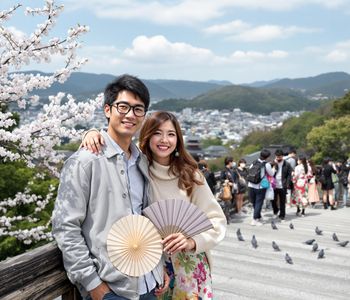

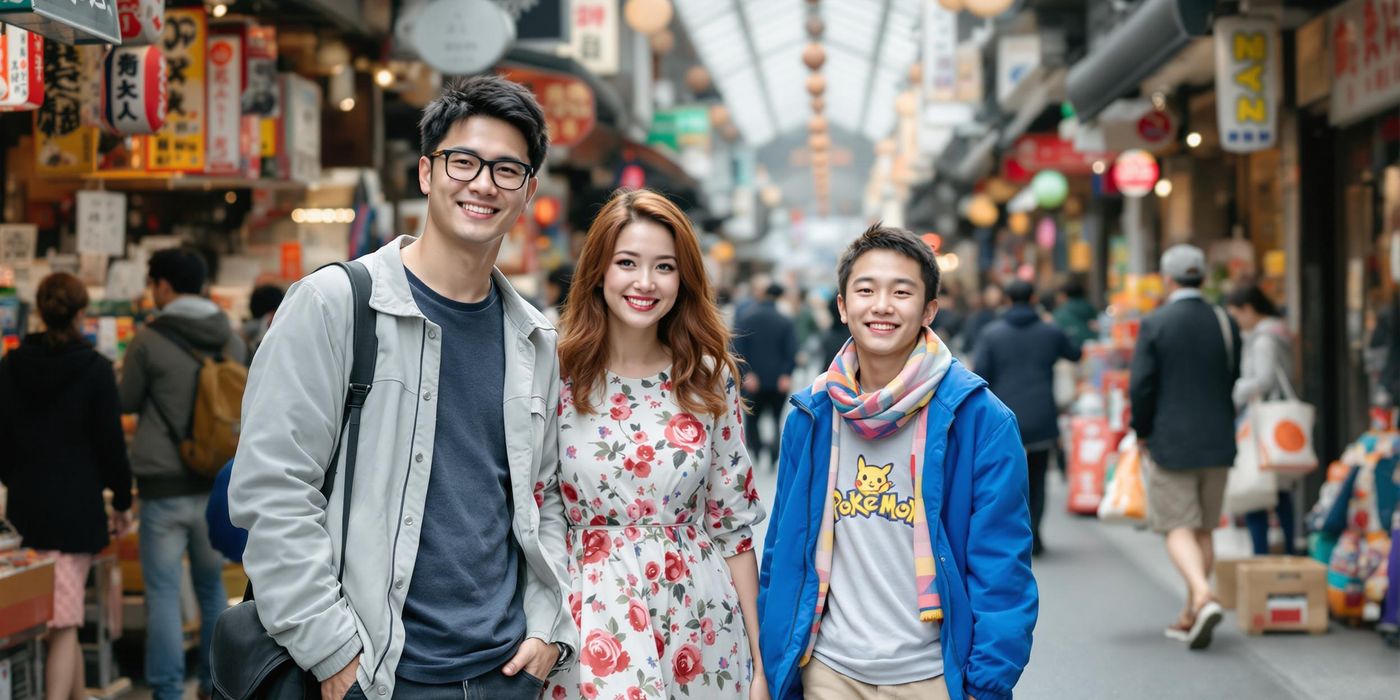
Explore Kyoto's cultural treasures with your family, from historic temples to cherry blossom views, for an unforgettable adventure in Japan.
Meet this Featured Explorer
-
 Occupation:
Software Developer
Occupation:
Software Developer
-
 Country:
United Kingdom
Country:
United Kingdom
-
 Age:
34
Age:
34
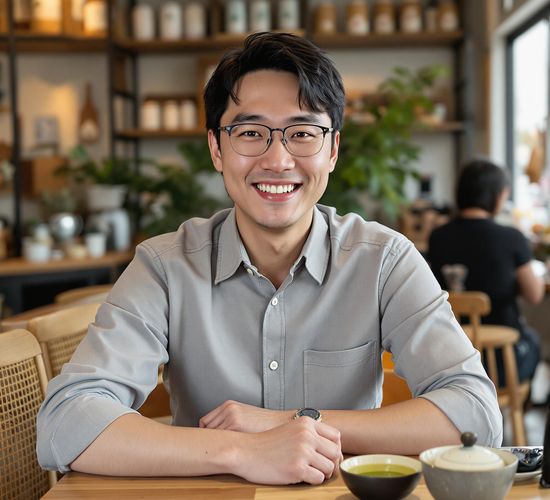
Konnichiwa! I'm Shota Tanaka, a software developer by day and a travel enthusiast by night (and weekends!). Originally from Matsumoto, Japan, I now call Bristol, UK, home. I'm passionate about exploring new cultures, capturing moments through my lens, and sharing my adventures with you. Join me as I navigate the world with my wife, Eleanor, and our son, Kenji, seeking authentic experiences and creating lasting memories.
Find Similar Travel Diaries
Explore locations from this diary
-
The Royal Park Hotel Iconic Kyoto
Experience the perfect blend of modern comfort and traditional charm at The Royal Park Hotel Iconic Kyoto, your ideal base for exploring this historic city.
-
Nijō Castle
Experience the grandeur of Nijō Castle, a UNESCO World Heritage Site, where history, architecture, and nature intertwine in Kyoto's cultural heart.
-
Kyoto International Manga Museum
Explore the rich world of Japanese comics at Kyoto International Manga Museum, a cultural gem in Kyoto offering extensive manga collections and engaging exhibitions.
-
French Dining Top of Kyoto
Discover the exquisite flavors of French cuisine at French Dining Top of Kyoto – where culinary artistry meets stunning views.
-
Pound Sanjo-Kiyamachi
Experience Kyoto's vibrant food scene with authentic yakiniku at Pound Sanjo-Kiyamachi, where every bite tells a delicious story.
-
Gion Mikaku
Discover Gion Mikaku, where exceptional steak meets authentic Japanese culture in Kyoto's enchanting Gion district.
-
Kyoto Crafts Store
Explore the essence of Kyoto's artistry at the Kyoto Crafts Store, where traditional handicrafts meet contemporary charm.