Cultural Immersion and Family Adventures in Kyoto
Day 1: Kyoto's Golden Start: Temples, Castles, and Hidden Gems
Discover Kyoto's iconic Kinkaku-ji, historic Nijō Castle, and the serene Kyoto Imperial Palace on a captivating family adventure.

A Glimpse into Ancient Kyoto
After our long journey from Kelowna, via Tokyo, the bullet train deposited us smoothly into Kyoto. Liam, ever the organiser, had everything meticulously planned, and I was so excited to dive headfirst into the cultural heart of Japan. Our first day was ambitious, packed with some of Kyoto's most iconic landmarks. I was especially eager to capture some beautiful photos, and, of course, soak in all the history and culture that this ancient city has to offer.
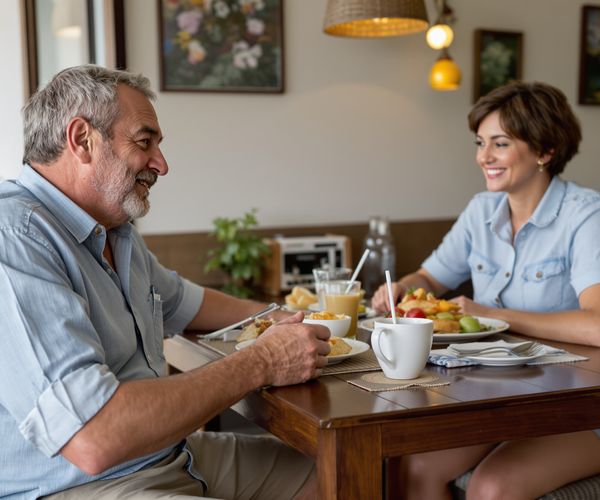
Our Kyoto adventure began with a hearty breakfast at The Cellar Kyoto near our hotel. Finding it was an adventure in itself, tucked away like a secret.
The Cellar Kyoto, lived up to its name; it felt like we were dining in a hidden gourmet space. The cozy atmosphere and delicious food made for a perfect start to our day. The chef clearly puts a lot of care into using seasonal ingredients, and Liam and I especially enjoyed the wine pairings. I was so happy to have found such a gem!
Fueled up and ready, we headed to our first destination: Kinkaku-ji, the Golden Pavilion.

Explore Kinkaku-ji, the breathtaking Golden Pavilion in Kyoto, where history and nature blend beautifully in a tranquil setting.
Kinkaku-ji: A Golden Reflection
As we approached Kinkaku-ji, the sight of the shimmering golden pavilion reflecting on the serene pond was nothing short of breathtaking. Even in February, the garden retained a tranquil beauty, with the evergreens providing a vibrant contrast to the clear winter sky. While there wasn't snow today, I could only imagine how magical it must look with a dusting of white!
The temple was originally built in 1397 and served as a retirement villa for Shogun Ashikaga Yoshimitsu. Later, it was converted into a Zen Buddhist temple after his death. The history of the place was palpable, and it was easy to imagine the shogun strolling through these very gardens centuries ago. The meticulous design of the landscape, with its carefully placed stones and manicured trees, spoke volumes about the dedication to aesthetics in Japanese culture.
We strolled around the pond, taking in different perspectives of the pavilion. The reflections on the water created an ethereal effect, making it feel as though the pavilion was floating between worlds. We took our time capturing photos, trying to encapsulate the serene beauty of this iconic landmark. There were a few other tourists, but it wasn't overly crowded, allowing us to enjoy a peaceful experience.
To appreciate the beauty of a snow-covered Kinkaku-ji is to understand the transient nature of existence and the enduring allure of gold.
After Kinkaku-ji, we hopped on a bus to Nijō Castle, eager to delve into more of Kyoto's rich history.

Experience the grandeur of Nijō Castle, a UNESCO World Heritage Site, where history, architecture, and nature intertwine in Kyoto's cultural heart.
Nijō Castle: Whispers of the Shogunate
Nijō Castle, a UNESCO World Heritage site, was built in 1603 as the Kyoto residence of Tokugawa Ieyasu, the first shogun of the Edo Period. Stepping through the imposing gates felt like stepping back in time. The sheer scale of the castle was impressive, with its massive stone walls and intricate architecture.
One of the highlights of Nijō Castle was the Ninomaru Palace, which served as the shogun's residence and office during his visits to Kyoto. The palace is composed of five separate buildings, connected by corridors, with each room meticulously decorated with stunning wall paintings. As we walked through the palace, we couldn't help but notice the famous nightingale floors, designed to squeak underfoot to alert the occupants of any intruders. It was a clever security measure that added an element of intrigue to our visit.
The gardens surrounding the palace were equally impressive, with meticulously manicured lawns, serene ponds, and carefully placed stones. We strolled through the gardens, admiring the traditional Japanese landscaping and imagining what life must have been like for the shogun and his court. Although the cherry blossoms weren't in bloom yet, I could only imagine how spectacular the castle grounds must look in late March and early April when the 400 cherry trees are in full bloom. I did learn that the plum trees are usually in bloom from mid-February to late March, and I was happy to see that some had already started to blossom.
Kyoto Imperial Palace: A Stroll Through History
Our final stop of the day was the Kyoto Imperial Palace, the former residence of Japan's Imperial Family until 1868. Located in the spacious Kyoto Imperial Park, the palace offered a serene and peaceful escape from the bustling city. The park itself was lovely, with wide gravel paths, lawns, and tree groves, perfect for a leisurely stroll. It was easy to see why this park is a favorite among locals and tourists alike.

Explore the historical elegance and natural beauty of Kyoto Imperial Palace, a cultural landmark reflecting Japan's royal history.
Although we couldn't enter the palace buildings themselves, we enjoyed walking around the grounds and admiring the traditional architecture. The palace was reconstructed in 1855 after a fire, and it was fascinating to learn about its history and significance. I found myself reflecting on the long and complex history of Japan, from the shoguns to the emperors, and the many changes that have shaped the country over the centuries. I also learned that a special spring opening, called Introduction to Imperial Court Culture would be held starting February 26th, exhibiting paintings and other works for the first time. It was too bad we would miss it.
Shinkyogoku Shopping Street: A Modern Interlude
Before dinner, we decided to experience a bit of modern Kyoto by visiting the Shinkyogoku Shopping Street. This bustling arcade offered a vibrant mix of shops, restaurants, and entertainment. It was a sensory overload in the best possible way, with colorful signs, enticing aromas, and the lively chatter of locals and tourists.

Explore Kyoto Shinkyogoku Shopping Street, a vibrant hub of traditional crafts, delicious street food, and unique shopping experiences in the heart of Kyoto.
We strolled through the arcade, browsing the various shops and soaking in the atmosphere. I was particularly interested in the traditional crafts and souvenirs, while Liam was drawn to the quirky gadgets and electronics. We sampled some local snacks, including matcha ice cream and takoyaki (octopus balls), and enjoyed people-watching. The Shinkyogoku Shopping Street was a fun and lively contrast to the serene temples and castles we had visited earlier in the day.
Shinkyogoku is the second oldest shopping street in Japan, and in the early days, it was similar to Broadway in New York, with many theaters for plays and comedies. Today, it's a great place to find souvenirs and sample local cuisine.
Gion Nanba: A Culinary Culmination
For dinner, Liam had made a reservation at Gion Nanba, a Michelin-starred kaiseki restaurant in the Gion district. Tucked away in a Kyoto-like alley near Yasaka Shrine, this restaurant offered a calm and quiet atmosphere, perfect for enjoying high-quality food and nihonshu. It was the perfect way to end our first day in Kyoto.

Discover authentic kaiseki cuisine at Gion Nanba, where tradition meets taste in Kyoto's historic Gion district.
Kaiseki is a traditional Japanese multi-course meal, and Gion Nanba is known for using seasonal ingredients to create exquisite dishes that change with the season. Each dish was a work of art, beautifully presented and bursting with flavor. We savored every bite, appreciating the skill and artistry of the chef. The service was impeccable, and the staff were knowledgeable and attentive, explaining each dish with care.
We enjoyed the Kaiseki cuisine using seasonal ingredients, and each dish was indeed delicious. The restaurant has a 4.4 point Google review, which I totally agree with.
As we walked back to our hotel, our hearts were full of the day's experiences. Kyoto had already captured our hearts with its blend of history, culture, and natural beauty. I was already looking forward to tomorrow's adventure, which would take us to the Arashiyama Bamboo Forest and the Arashiyama Monkey Park Iwatayama. But for now, it was time to rest and recharge for another day of exploration.
Tomorrow, we're planning to explore the enchanting Arashiyama Bamboo Forest, visit the serene Tenryu-ji Temple, and brave the heights of the Arashiyama Monkey Park Iwatayama. I'm particularly excited about the bamboo forest – I've seen so many photos, and I can't wait to experience it firsthand! We'll also be starting our day with breakfast at AIN SOPH. Journey KYOTO, having lunch at Arash's Kitchen, and ending our day with dinner at Pound Sanjo-Kiyamachi. Liam also found a bar called L'Escamoteur, which we may visit.
Goodnight from Kyoto!
Join us on a family journey to Kyoto, exploring historic temples, enjoying Japanese cuisine, and embracing local culture in Japan's ancient capital.
Meet this Featured Explorer

-
 Occupation:
Freelance Graphic Designer
Occupation:
Freelance Graphic Designer
-
 Country:
Canada
Country:
Canada
-
 Age:
33
Age:
33
Kia ora! I'm Sophie, a Kiwi graphic designer turned travel blogger based in Kelowna, Canada. Together with my husband, Liam, I'm on a mission to explore the world in a sustainable and meaningful way. I share my adventures, tips, and insights on Evendo, hoping to inspire you to travel responsibly and create unforgettable memories while respecting our planet and its diverse cultures. Join me as I uncover hidden gems, savor local flavors, and promote eco-conscious travel practices.
- Sustainable living
- Cultural Anthropology
- Food Photography
- Wildlife Conservation
- Yoga and Meditation
Find Similar Travel Diaries
Explore locations from this diary
-
SHIZUTETSU HOTEL PREZIO Kyoto Karasumaoike
Discover the charm of Kyoto at SHIZUTETSU HOTEL PREZIO, a cozy retreat near key attractions like Nijo Castle and Kyoto International Manga Museum.
-
Kinkaku-ji
Explore Kinkaku-ji, the breathtaking Golden Pavilion in Kyoto, where history and nature blend beautifully in a tranquil setting.
-
Nijō Castle
Experience the grandeur of Nijō Castle, a UNESCO World Heritage Site, where history, architecture, and nature intertwine in Kyoto's cultural heart.
-
Kyoto Imperial Palace
Explore the historical elegance and natural beauty of Kyoto Imperial Palace, a cultural landmark reflecting Japan's royal history.
-
The Cellar Kyoto
Discover culinary excellence at The Cellar Kyoto - where creative cuisine meets fine wine in a stylish setting.
-
Katsukura - Kyoto Porta
Discover authentic Tonkatsu at Katsukura - a must-visit Japanese restaurant in Kyoto offering delightful flavors in a modern setting.
-
Gion Nanba
Discover authentic kaiseki cuisine at Gion Nanba, where tradition meets taste in Kyoto's historic Gion district.
-
Kyoto Shinkyogoku Shopping Street
Explore Kyoto Shinkyogoku Shopping Street, a vibrant hub of traditional crafts, delicious street food, and unique shopping experiences in the heart of Kyoto.