Malan Bridge, Arachosia Travel Guide
Discover the historic Malan Bridge in Herat, Afghanistan, a Silk Road marvel connecting cultures and eras with stunning views and rich heritage.
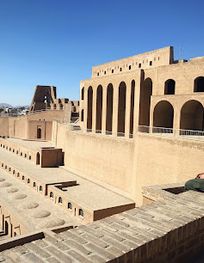
Malan Bridge, also known as Pul-i-Malan, stands as a testament to Herat's rich history, gracefully spanning the Hari River [5, 7]. Constructed around 1110 AD during the Seljuk dynasty, this ancient bridge has been a vital artery for trade and travel for centuries [4, 5, 6, 8]. Located approximately 12 kilometers (7.5 miles) south of Herat city center, it connects the Injil and Guzara districts, offering visitors a glimpse into Afghanistan's enduring cultural heritage [4, 5, 6, 7, 8].
A brief summary to Malan Bridge
- 75PR+HGW، Unnamed Road, Herat, AF
- Click to display

Know before you go
Hi, I'm Eve. Here are a few practical things to know before exploring Malan Bridge.
- Visit during the early morning or late afternoon to avoid the midday heat and capture the best lighting for photographs [4, 8].
- Engage with the local residents to gain insights into daily life in Herat and learn more about the bridge's significance from their perspectives [4, 8].
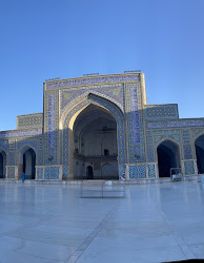
- Combine your visit to Malan Bridge with other historical sites in Herat, such as the Herat Citadel and the Friday Mosque, to fully appreciate the region's rich cultural heritage [4, 8, 13, 16].
Do you manage this location?
Take control to get all the benefits, like improved information, better appearance, and stronger visibility across AI-powered discovery. Learn more about listing your business on Evendo
Activate your presenceOther nearby places you may find interesting
The closest places of the same kind, if this one is not quite what you had in mind.

Explore Malan Bridge on the Map
A handpicked selection of must-see spots near Malan Bridge, mapped for you.
Getting There
-
Taxi/Ride-Share
From central Herat, the most convenient way to reach Malan Bridge is by taxi or ride-sharing service [4]. The journey typically takes around 20-30 minutes, depending on traffic [4]. A one-way trip should cost approximately 200-300 AFN [4]. Negotiate the fare beforehand or ensure the meter is running [4].
-
Public Transport
Local minibuses (shared vans) also operate from Herat city towards the Guzara district [4]. These are a more budget-friendly option, costing around 30-50 AFN per person [4]. Ask for a minibus going towards 'Malan' or 'Pul-i-Malan' [4]. The minibus will likely drop you off at a junction near Malan village, from where you may need to walk approximately 1-2 kilometers to reach the bridge itself [4]. Confirm the drop-off point with the driver beforehand [4]. Minibuses can be crowded and may not have fixed schedules, so allow for extra travel time [4].
Discover more about Malan Bridge













Your all‑in‑one travel companion app
Explore expert travel guides, compare and book tours, experiences, hotels, and more—all from the palm of your hand. Download now for seamless trip planning wherever your wanderlust takes you.


Explore More of Arachosia
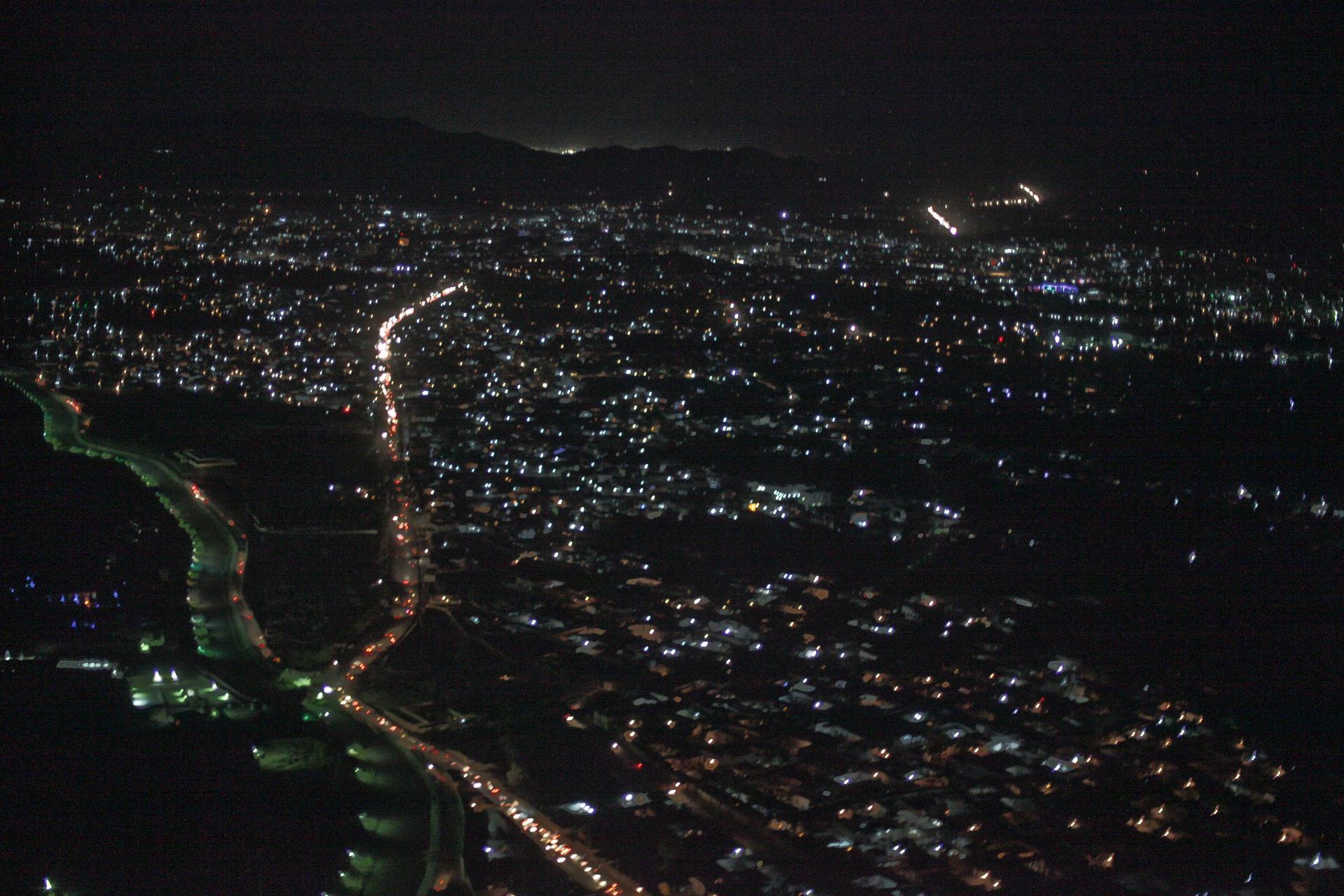
Looking beyond Malan Bridge? Discover Arachosia for broader travel guides, local hot-spots, and regional highlights.
Explore Arachosia