

Arachosia, Afghanistan Travel Guide
Discover Arachosia, Afghanistan's ancient treasure, where history and culture merge among stunning landscapes and remnants of a bygone era.
Arachosia, nestled in the heart of Afghanistan, is a hidden gem waiting to be explored by history enthusiasts and adventurers alike. This ancient region, once a thriving part of the Achaemenid Empire and later influenced by the Greeks, offers a unique blend of cultural and historical significance. Visitors can step back in time as they explore the remnants of ancient cities, fortresses, and archaeological sites that tell the story of Arachosia's rich and diverse past. The region is home to several noteworthy sites, including the ruins of Kandahar, which served as a major center during the time of Alexander the Great. The ancient city of Alexandria Arachosia is another must-visit, showcasing the architectural prowess of the Greeks who once ruled this land. Additionally, the stunning landscapes of the surrounding areas, with their rugged mountains and serene valleys, provide a breathtaking backdrop for any journey through Arachosia. While the historical allure of Arachosia is undeniable, the local culture adds another layer of charm. Visitors can immerse themselves in the traditions and hospitality of the Afghan people, experiencing local cuisine, crafts, and customs that have been passed down through generations. Whether you are an avid history buff or simply seeking a new and fascinating destination, Arachosia offers a travel experience like no other.

Know before you go
Hi, I'm Eve. Here are a few practical things to know before exploring Arachosia.
- Ensure you have a local guide to navigate the historical sites safely and gain deeper insights into Arachosia's rich history.
- Visit during the spring or autumn months for the most pleasant weather conditions.
- Respect local customs and dress modestly, especially when visiting religious or archaeological sites.
- Cash is preferred over cards in most areas; ensure you have sufficient local currency.
- Try local dishes such as Kabuli Pulao and Mantu for an authentic taste of Afghan cuisine.
Explore Arachosia: Things to Do, Places to Eat, Hotels & More
Handpicked recommendations for top attractions, local dining, accommodations, and more

Top Attractions & Sightseeing in Arachosia
Top-rated picks
Best Attractions

Khwaja Abdullah Ansari Shrine
Discover the sacred Khwaja Abdullah Ansari Shrine in Herat, a historical pilgrimage site blending spiritual significance with stunning architecture.

Naw Shakh
Conquer Afghanistan's highest peak, Naw Shakh, and discover a land of breathtaking beauty in the heart of the Hindu Kush.

Malan Bridge
Discover the historic Malan Bridge in Herat, a testament to Afghan heritage and architectural ingenuity, connecting cultures across the Hari River for centuries.

Ancient Alexandria Arachosia
Explore Ancient Alexandria Arachosia: A historical landmark in Kandahar, Afghanistan, founded by Alexander the Great, a crossroads of empires.

Best landmarks in Arachosia
Top-rated picks
Best Landmarks

Herat Citadel
Explore the ancient Herat Citadel, a historic fortress dating back to Alexander the Great, showcasing centuries of Afghan heritage and architecture.
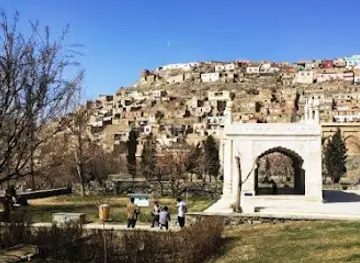
Babur Garden
Discover Kabul's serene Mughal garden, Bagh-e Babur, the final resting place of Emperor Babur, offering a tranquil escape and a glimpse into Afghanistan's rich history and culture.

Herat Central Blue Mosque
Explore the enchanting Herat Central Blue Mosque, a masterpiece of Islamic architecture and a symbol of Afghanistan's rich cultural heritage.

DarulAman Palace
Discover Darul Aman Palace in Kabul, a neoclassical masterpiece reborn from conflict, symbolizing Afghanistan's enduring spirit and journey towards peace, offering a glimpse into its royal heritage.

Best restaurants in Arachosia
Top-rated picks
Best Restaurants

Bukhara Restaurant
Discover the rich flavors of Afghan cuisine at Bukhara Restaurant in Kabul - an unforgettable culinary experience.

Bukhara Restaurant - Karte 4 Branch
Experience authentic Afghan flavors at Bukhara Restaurant - your go-to fast food spot in Kabul's Karte 4.

Prime Steakhouse
Discover the best steak experience in Kabul at Prime Steakhouse - where quality meets flavor in an elegant setting.

Herat Restaurant
Experience authentic Afghan cuisine at Herat Restaurant in Kabul – where every dish tells a story of tradition and flavor.

Best bars in Arachosia
Top-rated picks
Best Bars

حمام حاجي مير احمد
Experience the cultural essence of Afghanistan at حمام حاجي مير احمد, a traditional bathhouse offering relaxation and a glimpse into local customs.

In The 'Dab Valley Hooka Bar & Grill
Discover the vibrant atmosphere of In The 'Dab Valley Hooka Bar & Grill, where delicious food and relaxing hookah await in Afghanistan.

Afghania Restaurant And Guesthouse افغانیه رسټورانټ او میلمستون
Explore the authentic flavors of Afghanistan at Afghania Restaurant And Guesthouse, a culinary gem in Kandahar, blending tradition with hospitality.
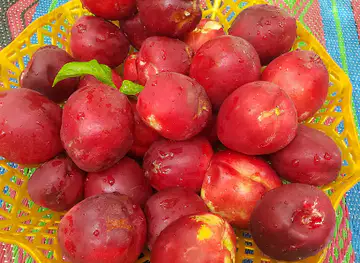
Kandahar OrazganRD
Experience the vibrant atmosphere of Kandahar OrazganRD, the go-to bar in Kandahar for local drinks, music, and cultural connections.

Best nightclubs in Arachosia
Top-rated picks
Best Nightclubs

Zohak Village
Experience the serene beauty and rich culture of Zohak Village, a hidden gem near Kabul, perfect for relaxation and authentic Afghan hospitality.

هرات افغانستان
Discover Herat's vibrant nightlife where music, dance, and local culture create unforgettable experiences in Afghanistan's historic city.

حمام حاجي مير احمد
Experience the unique charm of Hamam Haji Mir Ahmed, a cultural bar in Kabul offering a taste of Afghan hospitality and refreshment.

Arabian Night Restaurant
Savor authentic Middle Eastern cuisine at Arabian Night Restaurant in Kabul, where every meal is a feast for the senses.

Best shops in Arachosia
Top-rated picks
Best Shops

Kabul City Center
Discover the vibrant shopping and dining experience at Kabul City Center, a modern oasis in the heart of Afghanistan's capital.

Aksos Book Store کتاب فروشی اکسوس
Explore Aksos Book Store in Kabul, where literature meets culture in a cozy, inviting atmosphere, perfect for book lovers and adventurers alike.

Naaz Boutique Afghani dresses store
Experience the elegance of traditional Afghani dresses at Naaz Boutique in Kabul, where culture meets fashion.

Rahmanian Shopping Center
Discover the bustling Rahmanian Shopping Center, Kabul's premier destination for shopping, fashion, and local culture.

Explore Arachosia on the Map
A handpicked selection of must-see spots in Arachosia, mapped for you.
Arachosia Essentials
-
Arachosia, located in present-day Afghanistan, is best accessed via Hamid Karzai International Airport in Kabul. From Kabul, you can take a domestic flight to Kandahar, which is the nearest major city. Alternatively, you can travel by bus or hire a private taxi for the journey from Kabul to Kandahar, which takes approximately 5-6 hours by road. Be sure to check the current security situation before traveling by road.
-
Within Arachosia, local transportation options include taxis, buses, and private car hires. Taxis are widely available in Kandahar and can be hired for both short trips within the city and longer excursions to historical sites. Public buses are less reliable but can be an option for budget travelers. For a more comfortable and flexible experience, consider renting a car with a driver who is familiar with the local roads and conditions.
-
The official currency of Afghanistan is the Afghan Afghani (AFN). Credit cards are not widely accepted, so it is advisable to carry sufficient cash for your expenses. ATMs are available in major cities like Kandahar, but they may not always be reliable. It is recommended to exchange currency at authorized exchange offices or banks to avoid counterfeit notes.
-
Safety is a primary concern when traveling in Afghanistan. It is crucial to stay updated on the security situation through reliable sources. Certain areas, especially those outside major cities, may have higher crime rates and security risks. Avoid traveling alone, especially at night, and always keep your belongings secure. Hiring a local guide can enhance your safety and provide valuable insights into the region.
-
In case of emergency, dial 119 for police assistance and 102 for medical emergencies. The nearest hospitals are located in Kandahar. It is essential to have comprehensive travel insurance that covers medical emergencies and evacuation. Keep a list of emergency contacts, including your country's embassy or consulate, local police, and medical facilities. Familiarize yourself with the location of the nearest hospital or clinic.
-
Fashion: Do dress conservatively, covering your arms and legs. Avoid wearing tight or revealing clothing. Religion: Do respect local customs and religious practices. Remove your shoes before entering mosques and avoid taking photos unless permitted. Public Transport: Do be courteous and offer your seat to elderly passengers. Avoid loud conversations and public displays of affection. Greetings: Do greet people with a handshake or a nod. Use your right hand for giving and receiving items. Eating & Drinking: Do try local foods and always accept hospitality graciously. Avoid eating with your left hand, as it is considered impolite.
-
To experience Arachosia like a local, visit the bustling markets in Kandahar where you can find traditional crafts, spices, and textiles. Engage with locals who are often welcoming and eager to share their culture and history. Don't miss exploring historical sites such as the ancient city ruins of Old Kandahar and the Citadel of Alexander. For a unique dining experience, try traditional Afghan dishes like Kabuli Pulao and Mantu at local eateries.
When is the best time to visit Arachosia?
Useful Local Phrases for Arachosia
You don't need to speak the language perfectly. Even learning a few simple words can make conversations warmer—and locals usually appreciate the effort.
— Eve

Here are the phrases I use most often in Arachosia. Try a few—you'll be surprised how far they go! 😊
❤️
-
- Helloسلام
[Salam] - Goodbyeخداحافظ
[Khudā hāfez] - Yesبله
[Bale] - Noنه
[Na] - Please/You're welcomeلطفاً / خوش آمدید
[Lotfan / Khush āmadid] - Thank youتشکر
[Tashakur] - Excuse me/Sorryببخشید
[Babakhsheed] - How are you?چطور هستید؟
[Chetoor hastid?] - Fine. And you?خوبم. و شما؟
[Khobam. Wa shomā?] - Do you speak English?آیا انگلیسی صحبت میکنید؟
[Āyā Englisi sohbat mikonid?] - I don't understandمن نمیفهمم
[Man namifahmam]
- Helloسلام
-
- I'd like to see the menu, pleaseلطفاً منوی غذا را ببینم
[Lotfan menuy-e ghazā rā bebinam] - I don't eat meatمن گوشت نمیخورم
[Man gusht namikhoram] - Cheers!به سلامتی!
[Be salāmatī!] - I would like to pay, pleaseلطفاً میخواهم پرداخت کنم
[Lotfan mikhāham pardakht konam]
- I'd like to see the menu, pleaseلطفاً منوی غذا را ببینم
-
- Help!کمک!
[Komak!] - Go away!برو برو!
[Boro boro!] - Call the Police!پلیس را صدا بزنید!
[Polis rā sedā bezanid!] - Call a doctor!دکتر را صدا بزنید!
[Doktor rā sedā bezanid!] - I'm lostگم شدم
[Gom shodam] - I'm illبیمار هستم
[Bimār hastam]
- Help!کمک!
-
- I'd like to buy...میخواهم بخرم...
[Mikhāham bekharam...] - I'm just lookingفقط دارم نگاه میکنم
[Faghat dāram negāh mikonam] - How much is it?قیمتش چقدر است؟
[Gheimatash cheqadr ast?] - That's too expensiveاین خیلی گران است
[In khayli gerān ast] - Can you lower the price?آیا میتوانید قیمت را پایینتر بیاورید؟
[Āyā mitavānid gheimat rā pāin-tar biāvarid?]
- I'd like to buy...میخواهم بخرم...
-
- What time is it?ساعت چند است؟
[Sā'at chand ast?] - It's one o'clockساعت یک است
[Sā'at yek ast] - Half past (10)نیم ساعت (10)
[Nīm sā'at (10)] - Morningصبح
[Sobḥ] - Afternoonبعد از ظهر
[Ba'd az zuhr] - Eveningعصر
[Asr] - Yesterdayدیروز
[Dīruz] - Todayامروز
[Emruz] - Tomorrowفردا
[Fardā] - 1۱
[Yek] - 2۲
[Do] - 3۳
[Se] - 4۴
[Chār] - 5۵
[Panj] - 6۶
[Shesh] - 7۷
[Haft] - 8۸
[Hasht] - 9۹
[Noh] - 10۱۰
[Dah]
- What time is it?ساعت چند است؟
-
- Where's a/the...?کجا هست ...؟
[Kujā hast ...?] - What's the address?آدرس چیست؟
[Ādres chist?] - Can you show me (on the map)?میتوانید به من نشان دهید (روی نقشه)؟
[Mitavānid be man neshān dahid (ruye naqshé)?] - When's the next (bus)?بعدی (اتوبوس) کی میآید؟
[Ba'di (otobus) ki miāyad?] - A ticket (to ....)یک بلیط (به ....)
[Yek belit (be ....)]
- Where's a/the...?کجا هست ...؟
History of Arachosia
-
Arachosia, known today as the region around Kandahar in Afghanistan, has ancient roots dating back to the Bronze Age. It was an important center for trade and culture, strategically located on the crossroads of several ancient civilizations. The region was known for its fertile lands, thanks to the Arghandab River, which made it a prosperous area for agriculture and settlement.
-
In the 6th century BCE, Arachosia became a significant satrapy (province) of the Achaemenid Empire under the rule of Darius the Great. The Achaemenids constructed administrative centers and infrastructure, enhancing the region's importance in their empire. Arachosia served as a crucial link between the Persian heartland and the Indian subcontinent, facilitating trade and cultural exchange.
-
In 330 BCE, Alexander the Great conquered Arachosia during his campaign to expand his empire. The region was integrated into the Hellenistic world, and Greek culture and administration were introduced. Alexander founded the city of Alexandria Arachosia, which became a prominent center for Greek culture and learning. This period marked a significant blending of Greek and local cultures, influencing art, architecture, and urban planning.
-
Following the death of Alexander the Great, Arachosia came under the control of the Maurya Empire in the 3rd century BCE. The Mauryan emperor Ashoka, known for his promotion of Buddhism, left a lasting impact on the region. Arachosia saw the spread of Buddhist teachings, and numerous stupas and monasteries were established, some of which can still be traced in the region today.
-
Arachosia fell under the influence of the Sassanian Empire in the 3rd century CE, which marked a period of renewed Persian control and cultural revival. By the 7th century, the region witnessed the rise of Islam, following the Arab conquests. The introduction of Islam brought significant changes to the social and cultural fabric of Arachosia, as mosques and Islamic learning centers began to flourish.
-
Throughout the medieval period, Arachosia was a battleground for various empires and dynasties, including the Ghaznavids, Ghurids, and Timurids. The region's strategic importance continued into the modern period, as it became a focal point during the British colonial era and later during the Soviet-Afghan War. Today, Arachosia, particularly the city of Kandahar, remains a vital cultural and economic hub in Afghanistan.
Neighbouring Regions of Arachosia
The closest regions to Arachosia, if you have time for more than one.
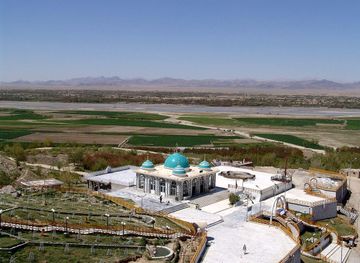


Your all‑in‑one travel companion app
Explore expert travel guides, compare and book tours, experiences, hotels, and more—all from the palm of your hand. Download now for seamless trip planning wherever your wanderlust takes you.


Explore More of Afghanistan

Looking beyond Arachosia? Discover Afghanistan for broader travel guides, local hot-spots, and regional highlights.
Explore AfghanistanArachosia in Photos
Browse through our photo collection highlighting the charm and character of the destination.

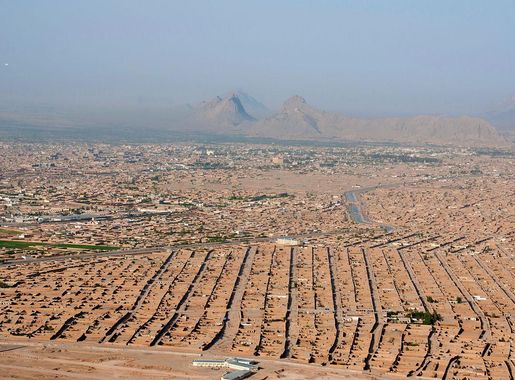





Arachosia: The Ancient Jewel of Afghanistan
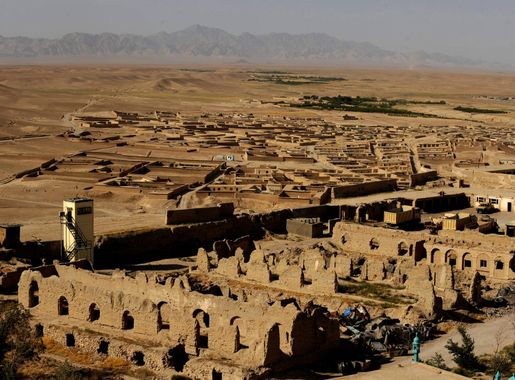
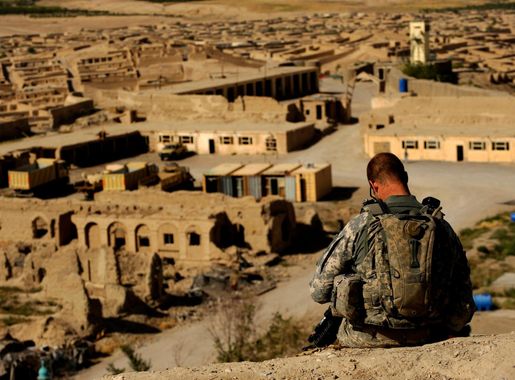
Arachosia, nestled in the heart of Afghanistan, is a hidden gem waiting to be explored by history enthusiasts and adventurers alike. This ancient region, once a thriving part of the Achaemenid Empire and later influenced by the Greeks, offers a unique blend of cultural and historical significance. Visitors can step back in time as they explore the remnants of ancient cities, fortresses, and archaeological sites that tell the story of Arachosia's rich and diverse past. The region is home to several noteworthy sites, including the ruins of Kandahar, which served as a major center during the time of Alexander the Great. The ancient city of Alexandria Arachosia is another must-visit, showcasing the architectural prowess of the Greeks who once ruled this land. Additionally, the stunning landscapes of the surrounding areas, with their rugged mountains and serene valleys, provide a breathtaking backdrop for any journey through Arachosia. While the historical allure of Arachosia is undeniable, the local culture adds another layer of charm. Visitors can immerse themselves in the traditions and hospitality of the Afghan people, experiencing local cuisine, crafts, and customs that have been passed down through generations. Whether you are an avid history buff or simply seeking a new and fascinating destination, Arachosia offers a travel experience like no other.