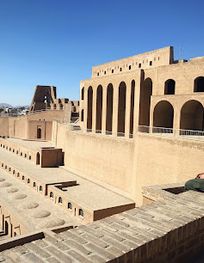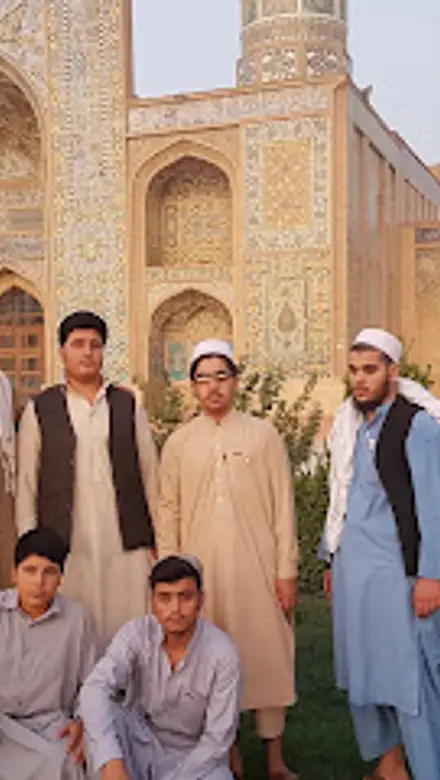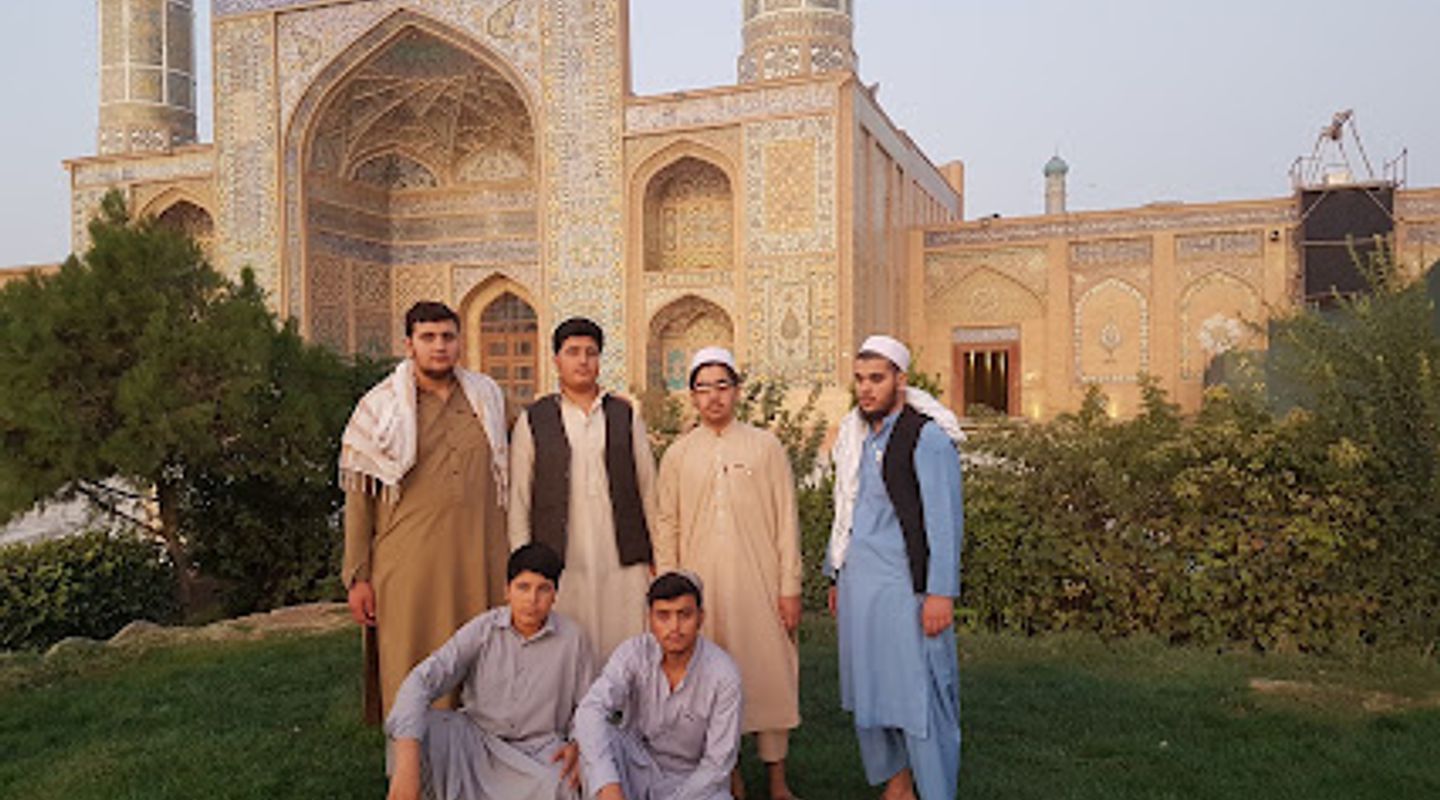
Herat Central Blue Mosque, Baghlan Travel Guide
Discover the Herat Central Blue Mosque, a mesmerizing Islamic masterpiece showcasing centuries of artistry and Afghan cultural heritage.
The Herat Central Blue Mosque, also known as Masjid-e Jami, is a mesmerizing Islamic architectural masterpiece in Herat, Afghanistan [5, 6, 10]. Founded in 1200, it showcases centuries of artistry with stunning blue tilework, intricate mosaics, and a serene ambiance, reflecting the enduring spirit of the Afghan people [5, 9].
A brief summary to Herat Central Blue Mosque
- Sherafat Rd, Herat, AF
- Click to display
- Monday 6 am-6 pm
- Tuesday 6:30 am-5:30 pm
- Wednesday 6 am-6 pm
- Thursday 6 am-5 pm
- Sunday 6 am-6 pm

Know before you go
Hi, I'm Eve. Here are a few practical things to know before exploring Herat Central Blue Mosque.
- Visit during the day to see the vibrant colors of the tiles enhanced by sunlight [9].
- Dress modestly and respectfully when visiting the mosque [9].
- Engage with local guides for deeper insights into the mosque's history and significance [9].
- Attend during prayer times to witness the mosque in full vibrancy [5].
Do you manage this location?
Take control to get all the benefits, like improved information, better appearance, and stronger visibility across AI-powered discovery. Learn more about listing your business on Evendo
Activate your presenceOther nearby places you may find interesting
The closest places of the same kind, if this one is not quite what you had in mind.
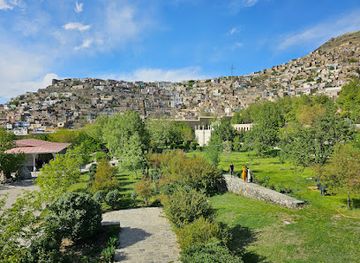
Explore Herat Central Blue Mosque on the Map
A handpicked selection of must-see spots near Herat Central Blue Mosque, mapped for you.
Getting There
-
Walking
The Herat Central Blue Mosque is located on Sherafat Rd in central Herat, easily accessible from many points in the city center. From the Herat Citadel, walk approximately 1km east along Azadi Rd, then turn left onto Sherafat Rd. The mosque will be on your left. No costs involved.
-
Taxi
Taxis are readily available throughout Herat [8, 22, 23]. From Herat International Airport, a taxi ride to the Blue Mosque is approximately 11km. Expect to pay around 650 AFN for the trip [8]. Ensure the driver uses a meter or negotiate the fare beforehand [8, 24].
Discover more about Herat Central Blue Mosque
More to explore near Herat Central Blue Mosque













Your all‑in‑one travel companion app
Explore expert travel guides, compare and book tours, experiences, hotels, and more—all from the palm of your hand. Download now for seamless trip planning wherever your wanderlust takes you.


Explore More of Baghlan
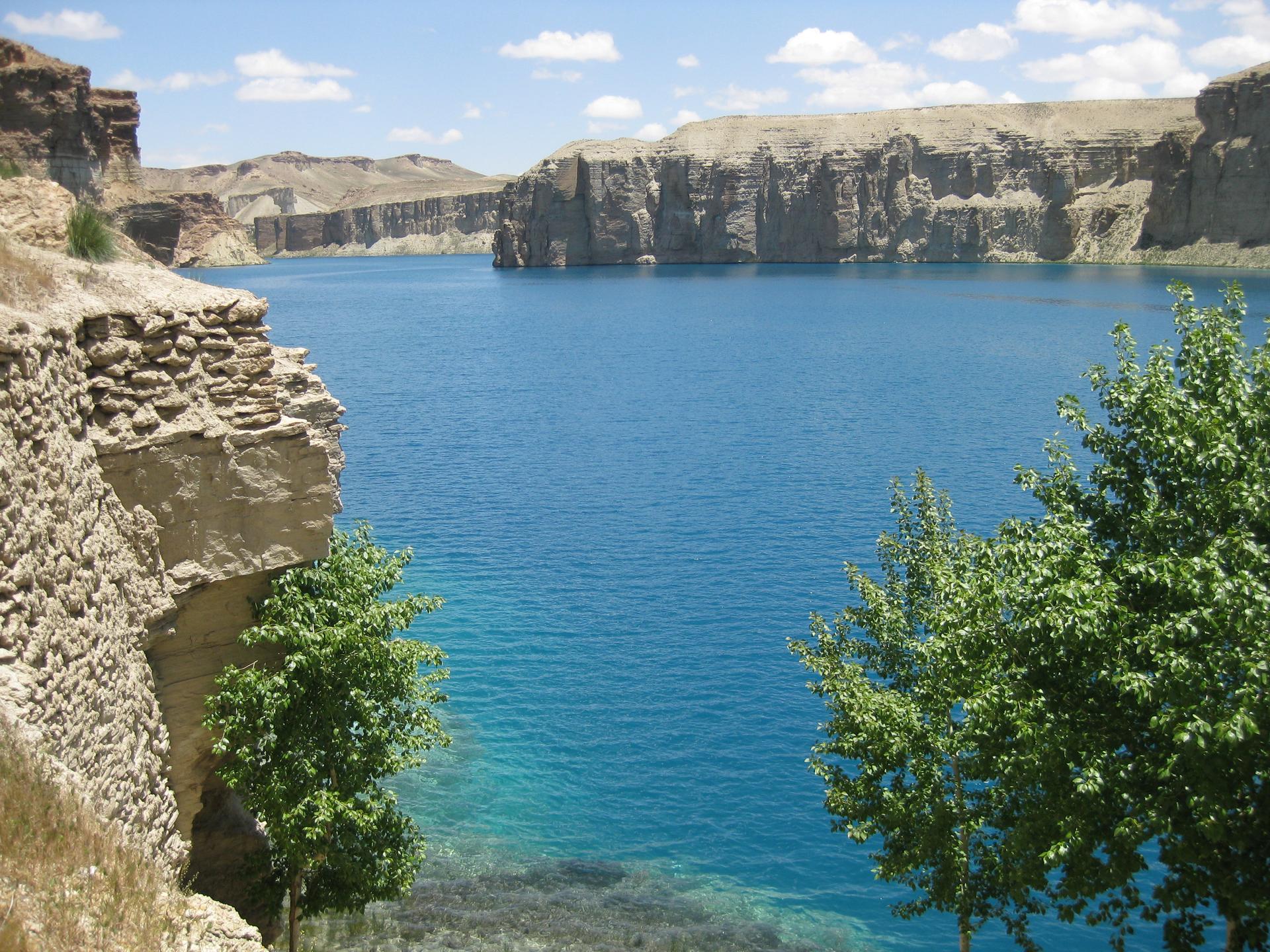
Looking beyond Herat Central Blue Mosque? Discover Baghlan for broader travel guides, local hot-spots, and regional highlights.
Explore Baghlan