Kabul-Afghanistan, Bactria Travel Guide
Explore Kabul, Afghanistan: A historic capital city, scarred by conflict, yet rich in culture and resilience, at the heart of Central Asia.
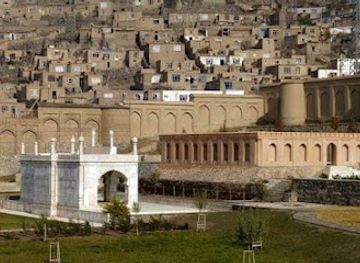
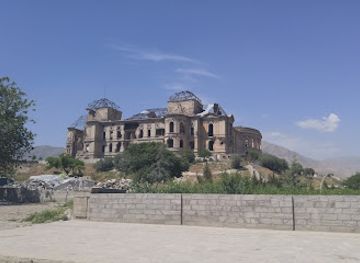
Kabul, the capital and largest city of Afghanistan, is a city steeped in history, strategically located in a narrow valley of the Hindu Kush mountains [9]. With a history stretching back 3,500 years, it has been a crossroads of cultures and empires, from the Persian Empire to Alexander the Great [9]. Despite enduring conflict, Kabul retains its cultural significance with historical gardens, bustling bazaars, and resilient people [5].
A brief summary to Kabul-Afghanistan
- G5PQ+Q26, Kabul, Wazir Akbar Khan, AF

Know before you go
Hi, I'm Eve. Here are a few practical things to know before exploring Kabul-Afghanistan.
- Dress modestly and respectfully, as Kabul is a conservative city [15].
- Bargain respectfully when shopping in the bazaars [7].
- Be aware of your surroundings and avoid walking alone at night [15].
- Learn a few basic Dari phrases to enhance your interactions with locals.
- Always ask for permission before taking photos of people [15].
Do you manage this location?
Take control to get all the benefits, like improved information, better appearance, and stronger visibility across AI-powered discovery. Learn more about listing your business on Evendo
Activate your presenceOther nearby places you may find interesting
The closest places of the same kind, if this one is not quite what you had in mind.

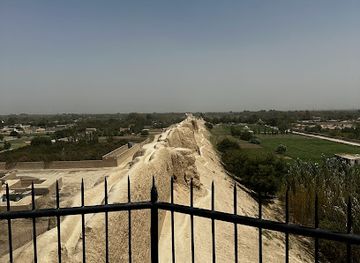
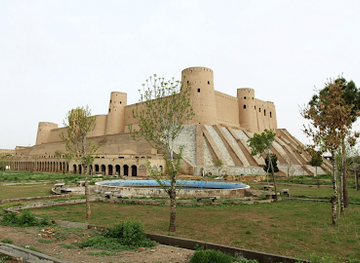
Explore Kabul-Afghanistan on the Map
A handpicked selection of must-see spots near Kabul-Afghanistan, mapped for you.
Getting There
-
Taxi
Taxis are a common way to get around Kabul [7]. From most places in the city center, a taxi to a location like the National Museum should cost approximately 50-250 AFN, depending on the distance and your negotiation skills [18]. Ensure to agree on a price before starting your journey [7].
-
Public Transport
The Millie Bus system operates on various routes around Kabul [7]. The fare is typically around 10 AFN for a 20-30 minute trip [11]. However, due to traffic, buses may not be the fastest option [7, 11].
-
Walking
Within central areas like Shahr-e-Naw, walking is a viable option for shorter distances [15]. Be mindful of traffic and road conditions. Walking from the Serena Hotel to a nearby restaurant might take 10-15 minutes. Always be aware of your surroundings [15].
Discover more about Kabul-Afghanistan













Your all‑in‑one travel companion app
Explore expert travel guides, compare and book tours, experiences, hotels, and more—all from the palm of your hand. Download now for seamless trip planning wherever your wanderlust takes you.


Explore More of Bactria
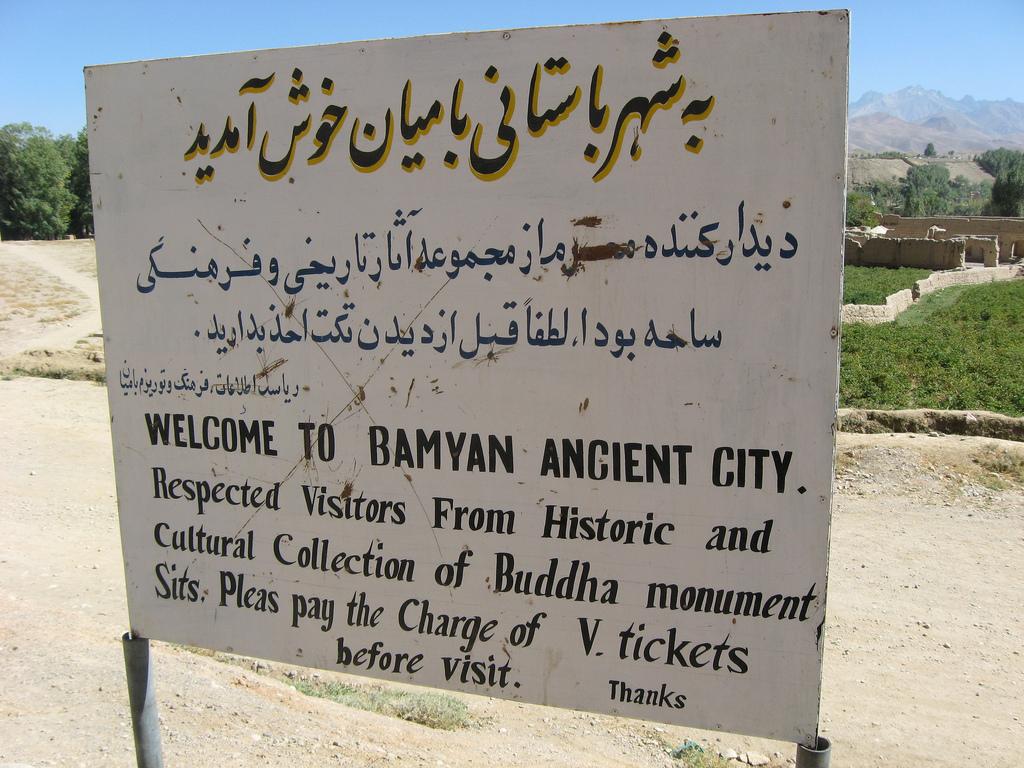
Looking beyond Kabul-Afghanistan? Discover Bactria for broader travel guides, local hot-spots, and regional highlights.
Explore Bactria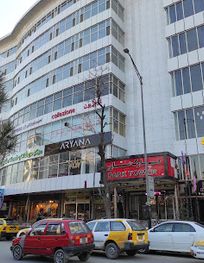
Experience modern business and Afghan culture at Park Tower Kabul, a central hub in the vibrant Shahr-e-Naow district.
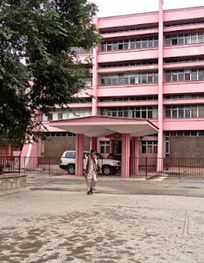
Kabul's leading pediatric hospital, providing essential healthcare and specialized services for children since 1969 in the heart of Wazir Akbar Khan.