

Bactria, Afghanistan Travel Guide
Explore Bactria in Afghanistan: A Journey Through Ancient Civilizations and Stunning Landscapes.
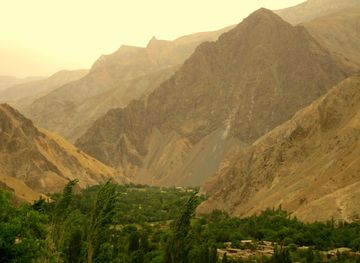
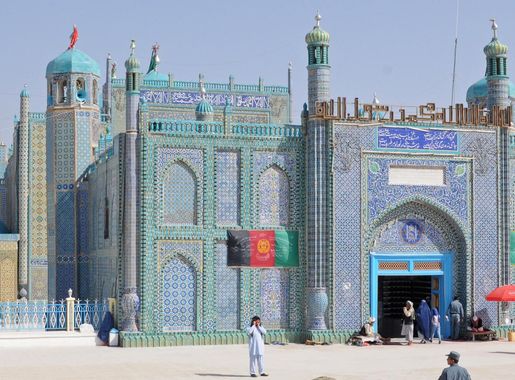
Bactria, located in the northern regions of Afghanistan, is a treasure trove of history and culture. This ancient land, once part of the Persian Empire, offers an incredible journey through time. Here, you will find the remnants of ancient cities, temples, and fortresses that tell the story of civilizations that thrived thousands of years ago. One of the most remarkable sites in Bactria is the ancient city of Balkh, often referred to as the 'Mother of Cities'. It was a major center of Zoroastrianism and later Buddhism. The ruins of Balkh provide a fascinating glimpse into the past with its ancient walls, citadels, and religious sites. The region is also known for its stunning landscapes. From the lush valleys to the towering mountains, Bactria offers a diverse range of natural beauty. The Amu Darya River, which flows through the region, adds to the scenic charm and provides opportunities for outdoor activities like fishing and hiking. For those interested in archaeology, Bactria is a goldmine. Ongoing excavations continue to uncover artifacts that shed light on the history of the area. The local museums, such as the National Museum of Afghanistan, house impressive collections of relics from Bactria, including coins, pottery, and sculptures. Visiting Bactria is not just about exploring ancient ruins; it's also about experiencing the local culture. The people of Bactria are known for their hospitality and rich traditions. Take the time to interact with the locals, sample traditional Afghan cuisine, and enjoy the vibrant markets filled with handmade crafts and goods.

Know before you go
Hi, I'm Eve. Here are a few practical things to know before exploring Bactria.
- Visit during spring or autumn for the most comfortable weather.
- Hire a local guide to get in-depth historical insights and navigate the region safely.
- Wear modest clothing, respecting local customs and traditions.
- Try local dishes like Kabuli Pulao and Mantu for an authentic culinary experience.
- Ensure you have the necessary travel permits and check the latest travel advisories.
Top City Travel Guides in Bactria
The cities of Bactria, and the easiest places to base yourself.


Best landmarks in Bactria
Top-rated picks
Best Landmarks
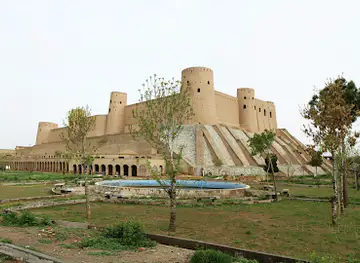
Herat Citadel
Explore the ancient Herat Citadel, a majestic fortress with roots in Alexander the Great's era, offering a glimpse into Afghanistan's rich history.
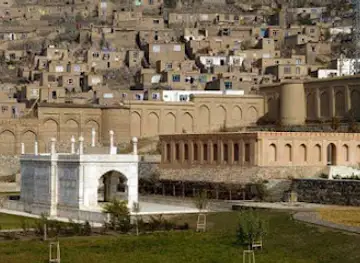
Babur Garden
Explore Kabul's historic Bagh-e Babur: a Mughal emperor's garden and final resting place, offering serene beauty and cultural richness.

Herat Central Blue Mosque
Discover the mesmerizing Herat Central Blue Mosque, a masterpiece of Islamic architecture showcasing centuries of artistry and cultural heritage.

Band-e-Amir National Park
Discover Afghanistan's natural wonder: Band-e-Amir National Park, a stunning landscape of turquoise lakes and dramatic canyons in the heart of the Hindu Kush.

Best restaurants in Bactria
Top-rated picks
Best Restaurants

Barg Continental Restaurant
Discover the authentic flavors of Afghanistan at Barg Continental Restaurant in Kabul - where tradition meets taste.
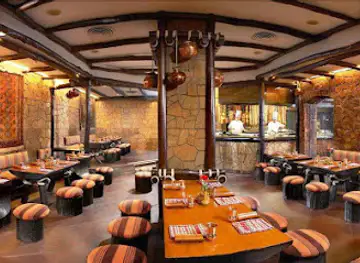
Bukhara Restaurant
Discover authentic Afghan cuisine at Bukhara Restaurant in Kabul – where every dish tells a story of tradition and flavor.

The Cafeteria
Experience authentic Afghan cuisine at The Cafeteria in Kabul - where flavor meets tradition in a welcoming atmosphere.

Turkish Family Restaurant & Cafe
Experience authentic Turkish cuisine at Turkish Family Restaurant & Cafe in Kabul - where delicious flavors meet warm hospitality.

Best bars in Bactria
Top-rated picks
Best Bars

رستورانت و مهمان سرای بلخ باستان Balkh e Bastan Restaurant
Experience the rich flavors of Afghanistan at Balkh e Bastan Restaurant, a culinary gem in Mazar-i-Sharif offering traditional dishes in a warm atmosphere.

Chicken hot restaurant
Savor the authentic flavors of Afghanistan at Chicken Hot Restaurant, where delicious chicken dishes meet warm hospitality in Mazar-i-Sharif.

حمام حاجي مير احمد
Discover the vibrant culture of Kabul at حمام حاجي مير احمد, a traditional bar blending modern comforts with authentic Afghan experiences.

رستورانت برادران
Experience the authentic flavors of Afghanistan at Brothers Restaurant in Mazar-i-Sharif, where local cuisine meets warm hospitality.


Best shops in Bactria
Top-rated picks
Best Shops

Naaz Boutique Afghani dresses store
Explore the elegance of Afghani fashion at Naaz Boutique, where tradition meets modern style in the heart of Kabul.

Rahmanian Shopping Center
Explore the Rahmanian Shopping Center in Kabul for a vibrant mix of fashion, culture, and local craftsmanship.

Khalil Rahmani
Explore Khalil Rahmani in Balkh, Afghanistan - A shopping haven combining local culture with modern retail experiences.
Mustafa super market سوپر مارکیت مصطفی
Discover the authentic flavors of Afghanistan at Mustafa Supermarket, your go-to destination for local goods and cultural souvenirs in Baba.

Explore Bactria on the Map
A handpicked selection of must-see spots in Bactria, mapped for you.
Bactria Essentials
-
Bactria is located in the northern region of Afghanistan. The nearest international airport is Mazar-i-Sharif International Airport, which is approximately 60 kilometers away. From Mazar-i-Sharif, you can hire a taxi or a private car to reach Bactria. The journey usually takes around 1 to 1.5 hours by road. Public transport options like buses are also available but can be less reliable. It is advisable to arrange transportation in advance for a smoother experience.
-
Once in Bactria, local taxis and private car hires are the most convenient modes of transportation. Public buses and minibuses operate in the area but may not cover all tourist attractions. Walking is a viable option within town centers and for short distances. Renting a car is recommended for those looking to explore the surrounding regions at their own pace. Be sure to have a map or GPS device as road signs may not always be clear.
-
The official currency in Afghanistan is the Afghan Afghani (AFN). Credit cards are not widely accepted, so it is advisable to carry cash for most transactions. ATMs are available in larger towns like Mazar-i-Sharif, but they may not always be reliable. It is recommended to exchange currency at official exchange offices or banks to avoid counterfeit notes. Carry small denominations for easier transactions in local markets and shops.
-
While Bactria is generally safe for tourists, it is important to stay vigilant. Avoid walking alone at night and be cautious in crowded areas where pickpocketing can occur. Some areas may have higher crime rates; it is advisable to consult local guides or authorities for up-to-date information. Always keep your belongings secure and avoid displaying valuables. Political instability in the region can affect safety, so stay informed of current events.
-
In case of emergency, dial 119 for police assistance and 102 for medical emergencies. It is advisable to have travel insurance that covers medical emergencies and evacuations. Local hospitals and clinics are available but may not offer the same level of care as those in larger cities. For minor health issues, pharmacies are available where you can purchase over-the-counter medications. Keep emergency contact numbers and a list of nearby medical facilities handy.
-
Fashion: Do dress modestly, covering shoulders and knees, especially when visiting religious sites. Avoid wearing revealing clothing. Religion: Do respect local customs and traditions. Always remove your shoes when entering mosques and cover your head if required. Public Transport: Do be respectful and give up your seat to elderly passengers. Don't eat or drink on public transport. Greetings: Do greet people with a handshake or a slight bow. Avoid direct eye contact with the opposite gender. Eating & Drinking: Do try local delicacies and accept food offerings graciously. Don't refuse hospitality, as it is considered impolite.
-
To experience Bactria like a local, visit the local bazaars where you can buy fresh produce and traditional Afghan goods. Engage with locals, as they are often friendly and willing to share stories about the region's history and culture. Don't miss visiting historical sites like the ancient city of Balkh and the Buddhist stupas. For a unique experience, explore the natural landscapes and take a guided tour to learn more about the area's rich history.
When is the best time to visit Bactria?
Useful Local Phrases for Bactria
You don't need to speak the language perfectly. Even learning a few simple words can make conversations warmer—and locals usually appreciate the effort.
— Eve

Here are the phrases I use most often in Bactria. Try a few—you'll be surprised how far they go! 😊
❤️
-
- Helloسلام
[Salam] - Goodbyeخداحافظ
[Khuda hafiz] - Yesبله
[Bale] - Noنه
[Na] - Please/You're welcomeلطفا/خوش آمدید
[Lotfan/Khosh amadid] - Thank youتشکر
[Tashakor] - Excuse me/Sorryببخشید
[Bebakhshid] - How are you?چطور هستید؟
[Chetor hastid?] - Fine. And you?خوبم. و شما؟
[Khoobam. Va shoma?] - Do you speak English?آیا انگلیسی صحبت میکنید؟
[Aya Englisi sohbat mikonid?] - I don't understandمن نمیفهمم
[Man nemifahmam]
- Helloسلام
-
- I'd like to see the menu, pleaseلطفا منو را نشانم دهید
[Lotfan menu ra neshanam dahid] - I don't eat meatمن گوشت نمیخورم
[Man gusht nemikhoram] - Cheers!به سلامتی!
[Be salamati!] - I would like to pay, pleaseلطفا میخواهم پرداخت کنم
[Lotfan mikhahham pardakht konam]
- I'd like to see the menu, pleaseلطفا منو را نشانم دهید
-
- Help!کمک!
[Komak!] - Go away!برو برو!
[Boro boro!] - Call the Police!پلیس را خبر کن!
[Polis ra khabar kon!] - Call a doctor!دکتر را خبر کن!
[Doktor ra khabar kon!] - I'm lostگم شدهام
[Gom shode-am] - I'm illمن بیمارم
[Man bimaram]
- Help!کمک!
-
- I'd like to buy...میخواهم بخرم...
[Mikhaham bekharam...] - I'm just lookingفقط دارم نگاه میکنم
[Faghat daram negah mikonam] - How much is it?قیمتش چقدر است؟
[Gheymatash cheqadr ast?] - That's too expensiveاین خیلی گران است
[In khyli geran ast] - Can you lower the price?آیا میتوانید قیمت را پایین بیاورید؟
[Aya mitavanid gheymat ra paeen biavarid?]
- I'd like to buy...میخواهم بخرم...
-
- What time is it?ساعت چند است؟
[Saat chand ast?] - It's one o'clockساعت یک است
[Saat yek ast] - Half past (10)نیم ساعت (۱۰)
[Nim saat (10)] - Morningصبح
[Sob] - Afternoonبعدازظهر
[Ba'dazzohr] - Eveningشام
[Sham] - Yesterdayدیروز
[Dirooz] - Todayامروز
[Emrooz] - Tomorrowفردا
[Farda] - 1یک
[Yek] - 2دو
[Do] - 3سه
[Se] - 4چهار
[Chahar] - 5پنج
[Panj] - 6شش
[Shesh] - 7هفت
[Haft] - 8هشت
[Hasht] - 9نه
[Neh] - 10ده
[Dah]
- What time is it?ساعت چند است؟
-
- Where's a/the...?کجا ... است؟
[Koja ... ast?] - What's the address?آدرس چیست؟
[Address chist?] - Can you show me (on the map)?میتوانید به من نشان دهید (روی نقشه)؟
[Mitavanid be man neshan dahid (ruye naqsha)?] - When's the next (bus)?کی اتوبوس بعدی میآید؟
[Ki otobus ba'di miayad?] - A ticket (to ....)یک بلیط (به ...)
[Yek belit (be ...)]
- Where's a/the...?کجا ... است؟
History of Bactria
-
Bactria, an ancient region located in present-day Afghanistan, was first integrated into the Achaemenid Empire during the reign of Cyrus the Great in the 6th century BCE. This period marked the beginning of Bactria's significance as a key region in Central Asia, known for its rich resources and strategic location along the Silk Road.
-
In 329 BCE, Alexander the Great conquered Bactria during his campaign against the Achaemenid Empire. The region then became part of the Hellenistic world and saw a fusion of Greek and local cultures. The establishment of the city of Alexandria Eschate (modern Khojand) exemplifies this blend of influences, which persisted long after Alexander's death.
-
Following the fragmentation of Alexander's empire, Bactria emerged as the Greco-Bactrian Kingdom around 250 BCE. Under rulers like Diodotus I and Euthydemus, the kingdom thrived as a center of trade, culture, and military power. The Greco-Bactrian period is noted for its remarkable coinage and the spread of Hellenistic art and architecture.
-
By the 1st century CE, the Kushan Empire had taken control of Bactria. Under the Kushan rule, Bactria became a major hub for the spread of Buddhism from India to Central Asia and China. The construction of Buddhist stupas and monasteries, such as those in Balkh (ancient Bactra), highlights the region's role in the propagation of the religion.
-
In the 3rd century CE, Bactria came under the control of the Sassanian Empire. This period was marked by a resurgence of Zoroastrianism and the establishment of fortified cities. However, by the 5th century, the region faced invasions by the Hephthalites (White Huns), which disrupted the Sassanian administration and led to significant social and economic changes.
-
The Islamic conquest of Bactria in the 7th century CE brought the region under the control of the Arab Caliphate. This period saw the spread of Islam and the integration of Bactria into the broader Islamic world. The city of Balkh became an important center of Islamic learning and culture, renowned for producing scholars such as the poet Rumi.
-
In the 13th century, Bactria, like much of Central Asia, suffered devastation during the Mongol invasions led by Genghis Khan. The region eventually recovered under the Timurid Empire in the 14th and 15th centuries. This era, often referred to as the Timurid Renaissance, witnessed a revival of art, science, and architecture, with the construction of grand madrasas and mausoleums.
Neighbouring Regions of Bactria
The closest regions to Bactria, if you have time for more than one.




Your all‑in‑one travel companion app
Explore expert travel guides, compare and book tours, experiences, hotels, and more—all from the palm of your hand. Download now for seamless trip planning wherever your wanderlust takes you.


Explore More of Afghanistan

Looking beyond Bactria? Discover Afghanistan for broader travel guides, local hot-spots, and regional highlights.
Explore AfghanistanBactria in Photos
Browse through our photo collection highlighting the charm and character of the destination.




Bactria: The Cradle of Ancient Civilizations
Bactria, located in the northern regions of Afghanistan, is a treasure trove of history and culture. This ancient land, once part of the Persian Empire, offers an incredible journey through time. Here, you will find the remnants of ancient cities, temples, and fortresses that tell the story of civilizations that thrived thousands of years ago. One of the most remarkable sites in Bactria is the ancient city of Balkh, often referred to as the 'Mother of Cities'. It was a major center of Zoroastrianism and later Buddhism. The ruins of Balkh provide a fascinating glimpse into the past with its ancient walls, citadels, and religious sites. The region is also known for its stunning landscapes. From the lush valleys to the towering mountains, Bactria offers a diverse range of natural beauty. The Amu Darya River, which flows through the region, adds to the scenic charm and provides opportunities for outdoor activities like fishing and hiking. For those interested in archaeology, Bactria is a goldmine. Ongoing excavations continue to uncover artifacts that shed light on the history of the area. The local museums, such as the National Museum of Afghanistan, house impressive collections of relics from Bactria, including coins, pottery, and sculptures. Visiting Bactria is not just about exploring ancient ruins; it's also about experiencing the local culture. The people of Bactria are known for their hospitality and rich traditions. Take the time to interact with the locals, sample traditional Afghan cuisine, and enjoy the vibrant markets filled with handmade crafts and goods.