

Free Baghlan Travel Guide & Mobile App
Explore Baghlan with free travel guides. Discover regional history, expert tips, proposed trips, and audio guides on web or mobile app.


Baghlan combines Kushan archaeology, irrigated river valleys and Hindu Kush landscapes, but severe security risks make travel highly restricted.
Read more about Baghlan
When is the best time to visit Baghlan?
Best: April–May, October · 23–30°C| Month | High (°C) | Rainfall (mm) |
|---|---|---|
| January | 7 | 60 |
| February | 10 | 50 |
| March | 16 | 60 |
| April (best) | 23 | 40 |
| May (best) | 30 | 20 |
| June | 36 | 5 |
| July | 39 | 5 |
| August | 38 | 5 |
| September | 33 | 5 |
| October (best) | 24 | 20 |
| November | 14 | 30 |
| December | 7 | 50 |
Getting to and around Baghlan
How to get there
Transportation
Top city travel guides in Baghlan
The cities of Baghlan, and the easiest places to base yourself.

Swipe for more cities
Best attractions in Baghlan
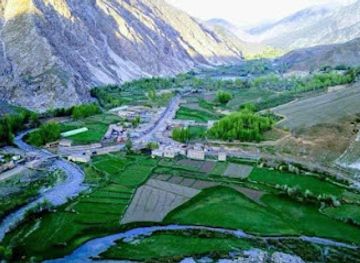
Baghlan’s principal attractions are archaeological and geographical rather than supported by a developed tourism industry. Surkh Kotal, near Baghlan, is the province’s outstanding heritage site: its monumental Kushan-period sanctuary and hillside setting illuminate the ancient links between northern Afghanistan, Central Asia and the Indian subcontinent. The river valleys around Pul-e Khumri and Baghlan-e Jadid show the importance of irrigation, farming and transport in an otherwise rugged landscape, while the roads towards Nahrin, Andarab and the Hindu Kush lead through increasingly narrow valleys and mountain country. Historic settlement patterns, rural markets and remnants of twentieth-century industrial agriculture, including the area associated with the former sugar industry, provide further context for understanding modern Baghlan. There is little established provision for museums, guided excursions, marked walking routes or family attractions, and access to rural areas is constrained by insecurity, poor infrastructure, landmines and changing movement restrictions. These places should therefore be understood as subjects for carefully researched, professionally managed travel rather than as an ordinary sightseeing itinerary.
-
Bagh-e Kokaran
Discover Bagh-e Kokaran in Kandahar: A peaceful retreat showcasing Afghanistan's agricultural heritage and natural beauty. Perfect for nature lovers!
-
 Tourist attraction
Gardab, Baghlan
Discover Gardab, Baghlan: A serene escape into Afghanistan's natural beauty, offering hiking, cultural immersion, and breathtaking landscapes.
Best landmarks in Baghlan
Surkh Kotal is Baghlan’s defining landmark, rising above the landscape near Baghlan with the remains of a substantial Kushan-period sanctuary arranged on terraces. Its inscriptions and architectural fragments make it an important monument of ancient Bactria and one of Afghanistan’s notable archaeological sites. Pul-e Khumri’s setting beside the Kunduz River is another significant geographical landmark, marking the point where an agricultural corridor connects with roads towards the Hindu Kush. The valleys of Andarab and Nahrin provide striking examples of Afghanistan’s mountain geography, with settlements and cultivated strips confined between steep, dry slopes. The remnants and industrial associations of the former Baghlan sugar complex represent a different kind of landmark: evidence of twentieth-century state-led development and the attempt to build a modern processing economy around irrigated agriculture. Access, conservation conditions and security can change substantially, and these places should not be approached without authoritative local permission and professional risk assessment.
-
Park
Shahr-e Naw Park
Escape to Kabul's vibrant heart: Shahr-e Naw Park offers tranquility, recreation, and a taste of Afghan culture in a lush green setting.
-
Historical place
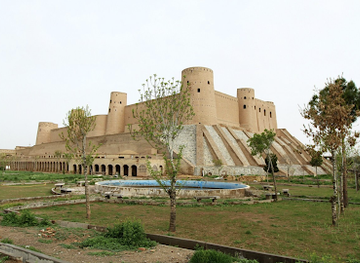
Herat Citadel
Explore the ancient Herat Citadel, a historic fortress showcasing Afghanistan's rich heritage and architectural grandeur.
-
Park
Babur Garden
Discover Kabul's Mughal heritage at Babur's Garden, a serene oasis with terraced lawns, historic architecture, and panoramic city views.
-
Mosque
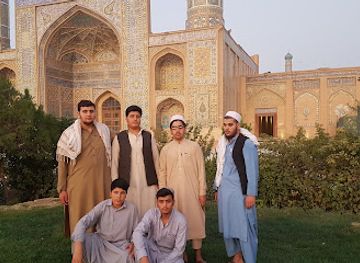
Herat Central Blue Mosque
Discover the Herat Central Blue Mosque, a mesmerizing Islamic masterpiece showcasing centuries of artistry and Afghan cultural heritage.
Explore Baghlan on the map
Plan your trip on one map. See where the top cities, national parks and sights are, and book hotels and experiences in a few clicks.
Best hotels in Baghlan
Best restaurants in Baghlan
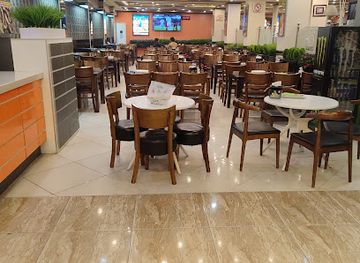
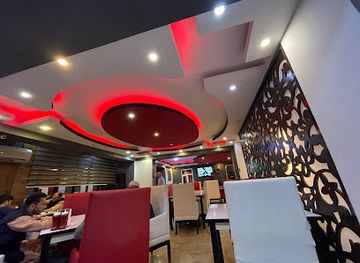
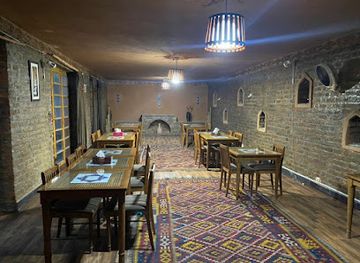
Baghlan has no developed visitor dining scene, and food is generally found in modest local eateries, market stalls, roadside establishments and private homes rather than in a concentration of internationally oriented restaurants. Meals commonly reflect northern Afghan cooking, with rice dishes, bread, beans, vegetables, yoghurt, grilled meat and seasonal fruit shaped by local agriculture and wider Afghan culinary traditions. Pul-e Khumri offers the broadest range of everyday food and supplies, while options become more limited in smaller towns and mountain districts. Tea is central to hospitality, and shared meals often carry social as well as practical importance. Visitors should not assume reliable refrigeration, hygiene standards, special diets or restaurant menus, and should carry medically appropriate provisions if travelling under exceptional arrangements. Alcohol is prohibited by national law and social practice. Commercial food availability can also be affected by transport disruption, economic conditions and local restrictions.
-
Restaurant
Barg Continental Restaurant
Experience the rich flavors of Afghanistan at Barg Continental Restaurant in Kabul, where authentic cuisine meets warm hospitality.
-
Restaurant
Mr.cook fast food
Discover delicious fast food delights at Mr. Cook in Kabul—home of exceptional pizzas and burgers that tantalize your taste buds.
-
Afghani
Sufi Mahal Restaurant ( رستورانت صوفی محل )
Experience the authentic taste of Afghanistan at Sufi Mahal Restaurant in Kabul—where tradition meets flavor in every dish.
-
Afghani
Herat Restaurant
Experience authentic Afghani cuisine at Herat Restaurant in Kabul - where tradition meets flavor in every bite.
Best bars in Baghlan
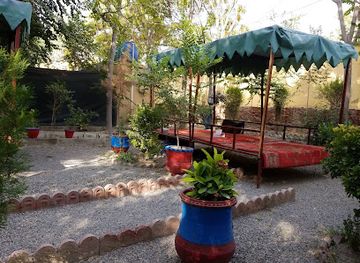
Baghlan does not have a conventional bar or nightclub culture. Alcohol is prohibited under Afghanistan’s Islamic legal and social framework, and evening social life is centred instead on family gatherings, tea houses, local restaurants, private hospitality and informal conversation. Pul-e Khumri has more commercial activity than rural districts, but visitors should not expect a tourist-oriented entertainment quarter, live-music circuit or dependable late-night venues. Tea houses are public social spaces rather than equivalents of Western bars, and their accessibility and operating arrangements can change with local regulations. Travelling after dark is particularly inadvisable because of security conditions, weak lighting, uncertain road access and the risk of checkpoints or other incidents. Any visit must prioritise security planning and local guidance rather than nightlife.
-
Barg Continental Restaurant
Experience the rich flavors of Afghanistan at Barg Continental Restaurant in Kabul, where tradition meets modern culinary excellence.
-
Restaurant
نوایی رستورانت
Discover the rich flavors of Afghanistan at نوایی رستورانت, where authentic dishes and warm hospitality await you.
-
Restaurant
حمام حاجي مير احمد
Experience the vibrant atmosphere of Hamam Haji Mir Ahmad, a cultural bar in Kabul where tradition and modernity blend seamlessly.
-
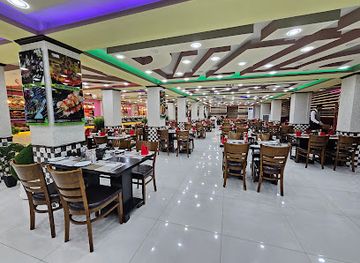
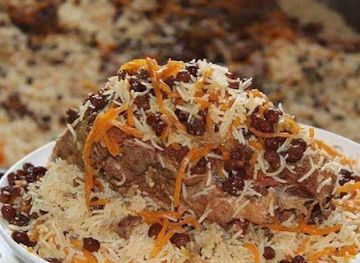
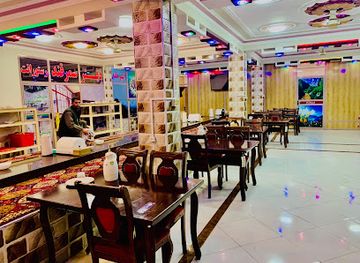
رستورانت سمر قند Samar qand restaurant
Experience the rich flavors of Afghan cuisine at Samar Qand Restaurant in Taleqan, where hospitality meets tradition.
Best nightclubs in Baghlan
Baghlan does not have a conventional bar or nightclub culture. Alcohol is prohibited under Afghanistan’s Islamic legal and social framework, and evening social life is centred instead on family gatherings, tea houses, local restaurants, private hospitality and informal conversation. Pul-e Khumri has more commercial activity than rural districts, but visitors should not expect a tourist-oriented entertainment quarter, live-music circuit or dependable late-night venues. Tea houses are public social spaces rather than equivalents of Western bars, and their accessibility and operating arrangements can change with local regulations. Travelling after dark is particularly inadvisable because of security conditions, weak lighting, uncertain road access and the risk of checkpoints or other incidents. Any visit must prioritise security planning and local guidance rather than nightlife.
-
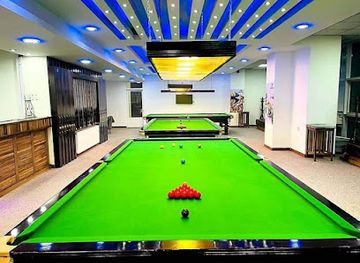
iCue Snooker & Cafe
Experience the vibrant atmosphere of iCue Snooker & Cafe in Kabul, where snooker meets socializing in a lively setting.
-
Chishm-e-Shafa
Dive into the energetic nightlife of Pol-e-Khomri at Chishm-e-Shafa, where vibrant music and local culture create unforgettable experiences.
-
Cabaret club
کمیته مردمی کمیسیون برگزاری جشن استقلال
Discover Kabul's vibrant nightlife at کمیته مردمی کمیسیون برگزاری جشن استقلال, where music, dancing, and culture come together for an unforgettable experience.
-
Cabaret club
مطيع الله
Explore the vibrant nightlife at مطيع الله, a unique night club in Arghandab, where music and culture intertwine in an energetic atmosphere.

Best shops in Baghlan
Shopping in Baghlan is primarily practical and local, concentrated in the bazaars and market streets of Pul-e Khumri, Baghlan-e Jadid and other district centres rather than in formal retail complexes. Visitors may encounter household goods, clothing, footwear, tools, spices, tea, dried fruit, nuts, fresh produce and locally traded agricultural products. Bread, rice and seasonal fruit reflect the province’s farming economy, while goods from larger northern Afghan commercial centres enter through regional road networks. Handicrafts and textiles may be available through informal sellers, but quality and provenance vary, and there is no dependable tourist craft market or established souvenir industry. Carry Afghan afghani cash in small denominations, bargain discreetly only where customary and avoid photographing traders or markets without permission. Because travel is currently highly restricted and security conditions are severe, shopping should be regarded as an incidental practical activity rather than a tourism experience.
-
Naaz Boutique Afghani dresses store
Explore the vibrant world of Afghani fashion at Naaz Boutique, where traditional craftsmanship meets modern elegance in Kabul.
-
Grocery store
Marché
Discover the vibrant flavors of Baghlan at Marché, a local grocery store offering fresh produce and authentic Afghan delicacies.
-
Clothing store
Etihad Market
Explore the vibrant Etihad Market in Baghlan for a unique shopping experience showcasing local fashion and traditional Afghan culture.
-
Store
Super market
Immerse yourself in Baghlan's local culture at the vibrant supermarket, where fresh produce and Afghan flavors await.
Get your free copy of our complete guide to Baghlan, delivered straight to you.
Everything on this page, from attractions and restaurants to essentials and local phrases, in one PDF you can read offline, print or share.
Already have an account? Sign in
Your Baghlan guide is ready.
We'll send it to · Not you? Sign out

Getting your guide ready…
We are putting together a fresh copy of the Baghlan guide. This can take up to a minute.
This can take a few moments. If your browser asks, choose Allow so the download can start. You'll find the guide in your Downloads folder.
Nothing happened? Download it again
Sorry, the guide is taking longer than usual. Please try again in a minute, or get it by email instead.
Baghlan essentials
Currency and Payment
Safety
Emergency Situations
Do's and Don'ts
Local Tips
From Eve
Local phrases worth knowing
You don't need to get them perfect. A few words go a long way, and locals appreciate the effort.
Basics
| English | Local | Say it |
|---|---|---|
| Hello | سلام | [Salam] |
| Goodbye | خداحافظ | [Khudā hāfez] |
| Yes | بله | [Bale] |
| No | نه | [Na] |
| Please/You're welcome | لطفا / خواهش میکنم | [Lotfan / Khāhesh mikonam] |
| Thank you | تشکر | [Tashakkor] |
| Excuse me/Sorry | ببخشید | [Bebakhshid] |
| How are you? | چطور هستید؟ | [Chetor hastid?] |
| Fine. And you? | خوبم. شما چطورید؟ | [Khobam. Shomā chetorid?] |
| Do you speak English? | آیا انگلیسی صحبت میکنید؟ | [Āyā Englisi sohbat mikonid?] |
| I don't understand | من نمیفهمم | [Man nemifahmam] |
Eating & Drinking
| English | Local | Say it |
|---|---|---|
| I'd like to see the menu, please | لطفا منوی غذا را ببینم | [Lotfan menuye ghazā rā bebīnam] |
| I don't eat meat | من گوشت نمیخورم | [Man gusht nemikhoram] |
| Cheers! | به سلامتی! | [Be salāmati!] |
| I would like to pay, please | لطفا میخواهم پرداخت کنم | [Lotfan mikhāham pardakht konam] |
Emergencies
| English | Local | Say it |
|---|---|---|
| Help! | کمک! | [Komak!] |
| Go away! | برو بیرون! | [Boro birun!] |
| Call the Police! | پلیس را صدا کنید! | [Polis rā sedā konid!] |
| Call a doctor! | دکتر را صدا کنید! | [Doktor rā sedā konid!] |
| I'm lost | من گم شدهام | [Man gom shode-am] |
| I'm ill | من بیمار هستم | [Man bimār hastam] |
Shopping
| English | Local | Say it |
|---|---|---|
| I'd like to buy... | میخواهم بخرم... | [Mikhāham bekharam...] |
| I'm just looking | فقط دارم نگاه میکنم | [Faghat dāram negāh mikonam] |
| How much is it? | قیمتش چقدر است؟ | [Gheymatash cheqadr ast?] |
| That's too expensive | خیلی گران است | [Kheili gerān ast] |
| Can you lower the price? | آیا میتوانید قیمت را پایین بیاورید؟ | [Āyā mitavānid gheymat rā pāeen biāvarid?] |
Time & Numbers
| English | Local | Say it |
|---|---|---|
| What time is it? | ساعت چند است؟ | [Sā'at chand ast?] |
| It's one o'clock | ساعت یک است | [Sā'at yek ast] |
| Half past (10) | نیم ساعت (۱۰) | [Nīm sā'at (10)] |
| Morning | صبح | [Sobḥ] |
| Afternoon | بعد از ظهر | [Ba'd az zuhr] |
| Evening | عصر | [Asr] |
| Yesterday | دیروز | [Dīruz] |
| Today | امروز | [Emruz] |
| Tomorrow | فردا | [Fardā] |
| 1 | ۱ | [1] |
| 2 | ۲ | [2] |
| 3 | ۳ | [3] |
| 4 | ۴ | [4] |
| 5 | ۵ | [5] |
| 6 | ۶ | [6] |
| 7 | ۷ | [7] |
| 8 | ۸ | [8] |
| 9 | ۹ | [9] |
| 10 | ۱۰ | [10] |
Transport & Directions
| English | Local | Say it |
|---|---|---|
| Where's a/the...? | کجا ... است؟ | [Kujā ... ast?] |
| What's the address? | آدرس چیست؟ | [Ādres chist?] |
| Can you show me (on the map)? | میتوانید به من نشان دهید (روی نقشه)؟ | [Mitavānid be man neshān dahid (ruye naqsha)?] |
| When's the next (bus)? | کی بعدی (اتوبوس) است؟ | [Ki bādi (otobus) ast?] |
| A ticket (to ....) | یک بلیط (به ....) | [Yek belit (be ....)] |
History of Baghlan
Early settlement and the northern Afghan crossroads
Baghlan occupies a transitional zone between the agricultural plains of northern Afghanistan and the Hindu Kush. River valleys supported settled farming and linked communities moving between Bactria, the central highlands and routes towards the Kabul region. Archaeological evidence from the wider area indicates long occupation, although many sites remain incompletely studied and difficult to visit. The province’s enduring historical importance is therefore closely tied to its position: it was not an isolated mountain district but part of a network connecting northern Afghanistan with wider Central and South Asian worlds.
Surkh Kotal and the Kushan period
Surkh Kotal, near Baghlan, is a major archaeological site associated with the Kushan Empire, whose power flourished across parts of present-day Afghanistan and Central Asia during the early centuries of the Common Era. The site contains a monumental, terraced sanctuary complex built on a hill and inscriptions connected with Kushan rule. Its remains show how political authority, religious practice and monumental architecture were expressed in ancient Bactria. Surkh Kotal is especially important because it documents the cultural connections linking northern Afghanistan with the wider Kushan realm.
Islamisation and medieval regional powers
From the early Islamic centuries onwards, the valleys of northern Afghanistan were incorporated into successive political and cultural spheres, including those governed from major centres in Khorasan and Transoxiana. Islam gradually became the dominant religious tradition, while Persian literary and administrative culture became deeply established across the region. Baghlan’s settlements were shaped by changing dynasties, trade routes and local authority rather than by one continuous political kingdom. Medieval patterns of farming, irrigation and valley-based settlement continued to influence the province’s geography long after dynasties changed.
Afghan state consolidation in the nineteenth century
During the nineteenth century, the rulers of Afghanistan expanded and centralised state authority across northern territories, including the districts that now form Baghlan Province. This process brought taxation, military administration and new political relationships to communities that had often been governed through local and regional power structures. The movement of administrators, soldiers and settlers altered the social balance of parts of northern Afghanistan. The period also helped establish the administrative framework through which Baghlan later developed as a province within the modern Afghan state.
Railways, roads and state-led industry
Twentieth-century governments sought to connect northern Afghanistan more closely with Kabul and to modernise agriculture and industry. Roads and improved transport routes increased the importance of Pul-e Khumri and the Kunduz River corridor. The Baghlan Sugar Company became a notable example of state-supported industrial agriculture, processing locally grown sugar beet and providing employment in the area. Although production and infrastructure were repeatedly affected by political instability and war, the industrial landscape remains part of Baghlan’s modern history and distinguishes it from purely agrarian mountain districts.
War and political upheaval after 1979
The Soviet intervention in Afghanistan in 1979 and the subsequent conflict affected Baghlan through military operations, displacement and competing political control. Northern transport corridors and river valleys acquired strategic importance, while rural communities experienced disruption to agriculture and local authority. During the civil wars of the 1990s, shifting alliances and armed factions further destabilised the province. These decades left damaged infrastructure, displaced families and extensive unexploded ordnance in parts of Afghanistan, creating hazards that remain relevant to travel and rural movement.
The post-2001 conflict and the Taliban takeover
After 2001, Baghlan received reconstruction assistance and saw renewed efforts to improve roads, public administration, education and agriculture, but the Taliban insurgency and counter-insurgency conflict continued, particularly along strategic routes and in vulnerable rural districts. The Taliban regained control of the province in 2021 as the former Afghan government collapsed. Since then, Afghanistan’s political restrictions, economic crisis and security environment have sharply limited international tourism. The legacy of conflict continues to shape access, livelihoods, infrastructure and the risks faced by visitors.
Baghlan in Photos
Browse through our photo collection highlighting the charm and character of the destination.
Neighbouring regions of Baghlan
The closest regions to Baghlan, if you have time for more than one.
-

-

-

-

-


Swipe for more regions
Explore more

Explore more of Afghanistan
Discover Afghanistan's rich history, stunning landscapes, and diverse cultures. From ancient cities to breathtaking nature, this Central Asian gem offers a unique travel experience.
Explore Afghanistan