Background

Herat: The Pearl of Khorasan

Discover Herat, the 'Pearl of Khorasan': A historic Silk Road city with stunning Islamic architecture, bustling bazaars, and a resilient spirit, offering a unique Afghan experience.

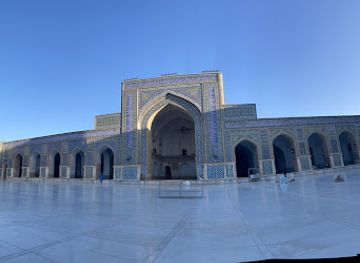
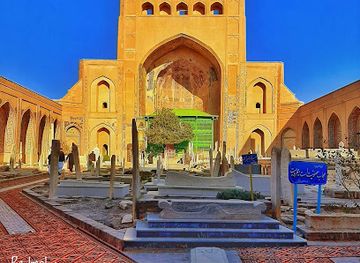
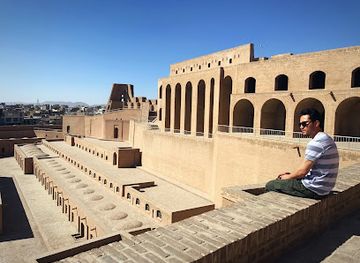
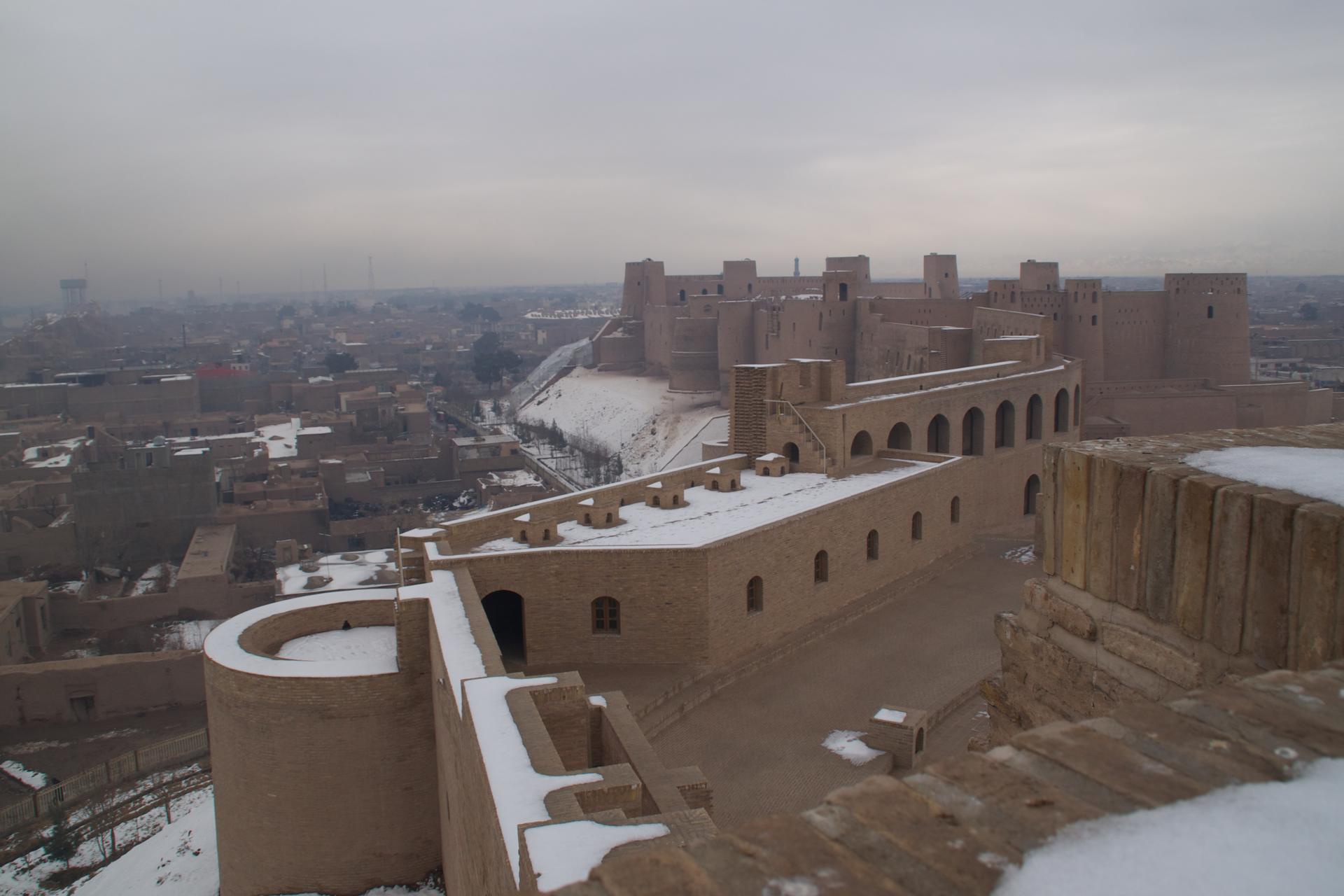
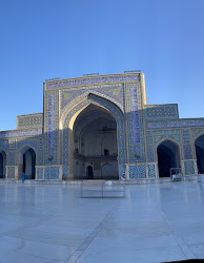
Herat, located in western Afghanistan near the borders of Iran and Turkmenistan, is a city steeped in history and culture, often called the 'Pearl of Khorasan.' Situated in the fertile valley of the Hari River, it has been a vital crossroads on the Silk Road for over 2,000 years. The city boasts stunning Islamic architecture, including the iconic Herat Citadel and the magnificent Friday Mosque (Masjid-i Jami), showcasing intricate tile work and grand minarets. Explore the bustling bazaars, where you can find traditional crafts, spices, and saffron, a local specialty. Despite facing destruction and reconstruction throughout its history, Herat remains a vibrant hub, offering a unique glimpse into Afghanistan's rich heritage and resilient spirit. However, potential visitors should be aware of the unstable security situation and travel restrictions.

A brief summary to Herat / Afghanistan

  • 85XR+FGX افغانستان, Herat, Shahre-e-Naw, AF
  • +93700530500

Local tips

  • Obtain necessary authorization letters from the local Tourism Department before visiting historical sites.
  • Dress modestly and respectfully, especially when visiting religious sites like mosques and shrines.
  • Bargain respectfully when shopping in the bazaars to get the best prices on souvenirs and local goods.
  • Try local specialties like Herat saffron and traditional Afghan dishes at local restaurants.
  • Be aware of your surroundings and follow the advice of your local guide regarding safety and security.
widget icon

Getting There

  • Taxi/Ride-Share

    From Herat International Airport (HEA), the most convenient way to reach the city center is by taxi. Negotiate the fare before starting your journey. A typical ride to the city center, around 10km, should cost approximately 300-500 AFN. Be sure to confirm the price beforehand to avoid any misunderstandings. Alternatively, arrange for a pre-booked airport pickup through your hotel or a local travel agency for a more seamless experience.

  • Public Transport

    Local buses and minibuses are available, but they can be crowded and challenging for tourists unfamiliar with the routes and language. If you're near Chowk Golha or Shahr-e Now intersection, you can find minibuses heading in various directions. Fares are very cheap, usually around 10-20 AFN per ride, but it's best to ask a local for assistance to ensure you're on the correct route. Consider this option only if you're comfortable navigating local transport systems.

  • Walking

    Within the central area of Herat, many attractions are within walking distance of each other. For example, from Chowk Golha intersection, it's about a 10-15 minute walk to the Qala Ikhtyaruddin Citadel. Always be aware of your surroundings and dress modestly. Walking is a great way to experience the local atmosphere and discover hidden gems, but it's best to avoid walking alone at night.

Unlock the Best of Herat / Afghanistan

Buy tickets

    No tickets available

Book tours with entry

    No tours available

Book tours without entry

    No tours available

Discover more about Herat / Afghanistan

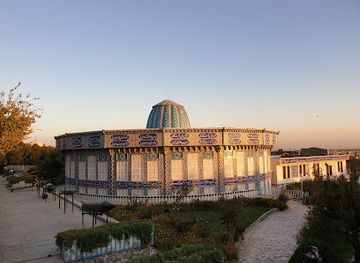
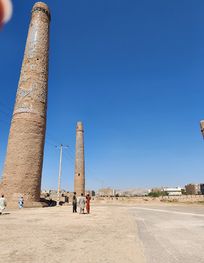
Herat, the third-largest city in Afghanistan, stands as a testament to the region's rich history and cultural heritage. Located in the western part of the country, near the borders of Iran and Turkmenistan, it has long been a strategically important and commercially vibrant center. Known as the 'Pearl of Khorasan,' Herat's history stretches back over 3,000 years, with its origins as the ancient Persian town of Artacoana, later captured by Alexander the Great in 330 BC. Throughout its history, Herat has been a crossroads of civilizations, a vital link on the Silk Road connecting East and West. The city has seen periods of great prosperity and devastating destruction, having been razed by the Mongols in the 12th century and again in the 14th century by Tamerlane. Yet, from these ashes, Herat has consistently risen, becoming a renowned center for Islamic culture, art, and learning, particularly during the Timurid dynasty in the 15th century. Today, Herat offers visitors a unique glimpse into Afghanistan's past and present. The city's architectural landscape is dominated by Islamic structures, reflecting its rich cultural and religious heritage. The Friday Mosque (Masjid-i Jami) stands as a masterpiece of Islamic architecture, famed for its intricate tile work, soaring minarets, and serene atmosphere. Wander through its vast courtyard and admire the stunning azure-hued mosaics that adorn its walls. The Qala Ikhtyaruddin, also known as the Herat Citadel, is another iconic landmark. Dating back to the 4th century BC, this ancient fortress has been rebuilt and restored throughout the centuries, offering panoramic views of the city from its ramparts. Explore its towers, walls, and gates, and delve into the history of the empires that once controlled this strategic stronghold. Beyond its architectural wonders, Herat is a city of bustling bazaars and vibrant local life. The Herat Bazaar is a sensory feast, filled with the aromas of spices, the colors of textiles, and the sounds of merchants haggling. Here, you can find a wide array of goods, from traditional handicrafts and carpets to saffron, a prized local product. For those interested in history and culture, the Herat Museum offers a glimpse into the region's past, showcasing artifacts from ancient Herat and the surrounding area. The Shrine at Gazur Gah, dedicated to the Sufi saint Khwaja Abdullah Ansari, is a place of spiritual significance, featuring intricate tile work, domes, and a serene courtyard. While exploring Herat, it's important to be mindful of the current security situation and travel restrictions. The political landscape in Afghanistan has transformed dramatically in recent years, and visitors should exercise caution and seek up-to-date information before traveling. It is highly recommended to travel with a reputable local guide who is knowledgeable about the area and can assist with logistics and safety. Despite the challenges, Herat remains a city of immense cultural and historical significance, offering a unique and rewarding experience for adventurous travelers. Its rich heritage, stunning architecture, and resilient spirit make it a destination unlike any other. Herat's strategic location has made it a coveted prize throughout history. The city has been ruled by various empires, including the Parthians, Sassanians, and Arabs. In the 11th century, it became an important center of the Ghurid dynasty, known for its patronage of the arts and architecture. The Timurid era, from the late 14th to the 15th centuries, marked the height of Herat's glory, as the city became a capital of the Timurid Empire under Shah Rukh, son of Timur (Tamerlane). During this time, Herat flourished as a center of learning, art, and culture, attracting scholars, artists, and poets from across the Islamic world. The legacy of the Timurid Renaissance can still be seen in Herat's architecture, including the Gawhar Shad Mausoleum and the Musalla Complex, although much of the latter was destroyed in the 20th century. The city's artistic traditions, such as miniature painting and calligraphy, also flourished during this period. In more recent times, Herat has faced numerous challenges, including wars, political instability, and economic hardship. The Soviet-Afghan War in the 1980s and the subsequent civil war took a heavy toll on the city and its people. The rise of the Taliban in the 1990s brought further restrictions and challenges. Today, Herat is slowly rebuilding and recovering, striving to preserve its cultural heritage and improve the lives of its citizens. The Aga Khan Trust for Culture has been actively involved in restoring historical sites in Herat, helping to preserve the city's unique architectural legacy. Visiting Herat requires careful planning and consideration, but for those who are willing to venture off the beaten path, it offers a chance to experience a truly remarkable city with a rich history and a resilient spirit. The warmth and hospitality of the Herati people, combined with the city's stunning architecture and vibrant culture, make it an unforgettable destination.

Popular Experiences near Herat / Afghanistan

Popular Hotels near Herat / Afghanistan

Select Currency