

Arghandab, Drangiana Travel Guide
Discover the Arghandab River in Afghanistan: A historic waterway providing life and irrigation to Kandahar's fertile valleys.
The Arghandab River, approximately 400 kilometers long, is a vital waterway in southern Afghanistan, originating in the Hindu Kush mountains and merging with the Helmand River [3, 4]. Historically known as Haraxvaiti, it irrigates fertile valleys and supports local communities [3, 4].
A brief summary to Arghandab
- AF

Know before you go
Hi, I'm Eve. Here are a few practical things to know before exploring Arghandab.
- Visit during the early morning or late afternoon for the best light and fewer crowds along the riverbanks [3].
- Engage with local communities to learn about their customs and traditions related to the river and agriculture [3].
- Check local weather conditions before your visit, as they can change rapidly in the mountainous terrain [3].
Do you manage this location?
Take control to get all the benefits, like improved information, better appearance, and stronger visibility across AI-powered discovery. Learn more about listing your business on Evendo
Activate your presenceOther nearby places you may find interesting
The closest places of the same kind, if this one is not quite what you had in mind.
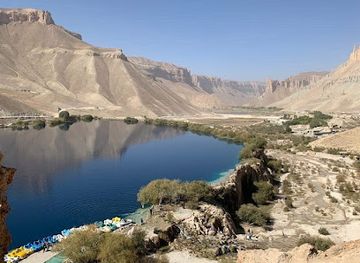
Explore Arghandab on the Map
A handpicked selection of must-see spots near Arghandab, mapped for you.
Getting There
-
Walking
While specific walking routes directly along the Arghandab River may vary depending on the exact location and accessibility, a common approach involves starting from a nearby village or agricultural area [3]. From there, navigate towards the riverbank, using local landmarks and pathways. Be mindful of private property and cultivated fields, sticking to established routes where possible. Costs are minimal, primarily involving the time and effort for the walk itself [3].
-
Public Transport
From Kandahar city, public transport options like buses and taxis can take you to districts near the Arghandab River [16, 17]. Bus fares within the region are generally affordable. Once in the vicinity, local transportation may be required to reach the riverbanks [16, 17]. Ensure to check local transport availability and costs, which can vary [16, 17].
-
Taxi
Taxis are available in Kandahar and can be hired to reach areas along the Arghandab River [16]. Negotiate the fare before starting your journey. Taxi fares are relatively cheaper in Kandahar compared to Kabul [16]. Be prepared for a potentially bumpy ride depending on the road conditions [15].
Discover more about Arghandab













Your all‑in‑one travel companion app
Explore expert travel guides, compare and book tours, experiences, hotels, and more—all from the palm of your hand. Download now for seamless trip planning wherever your wanderlust takes you.


Explore More of Drangiana
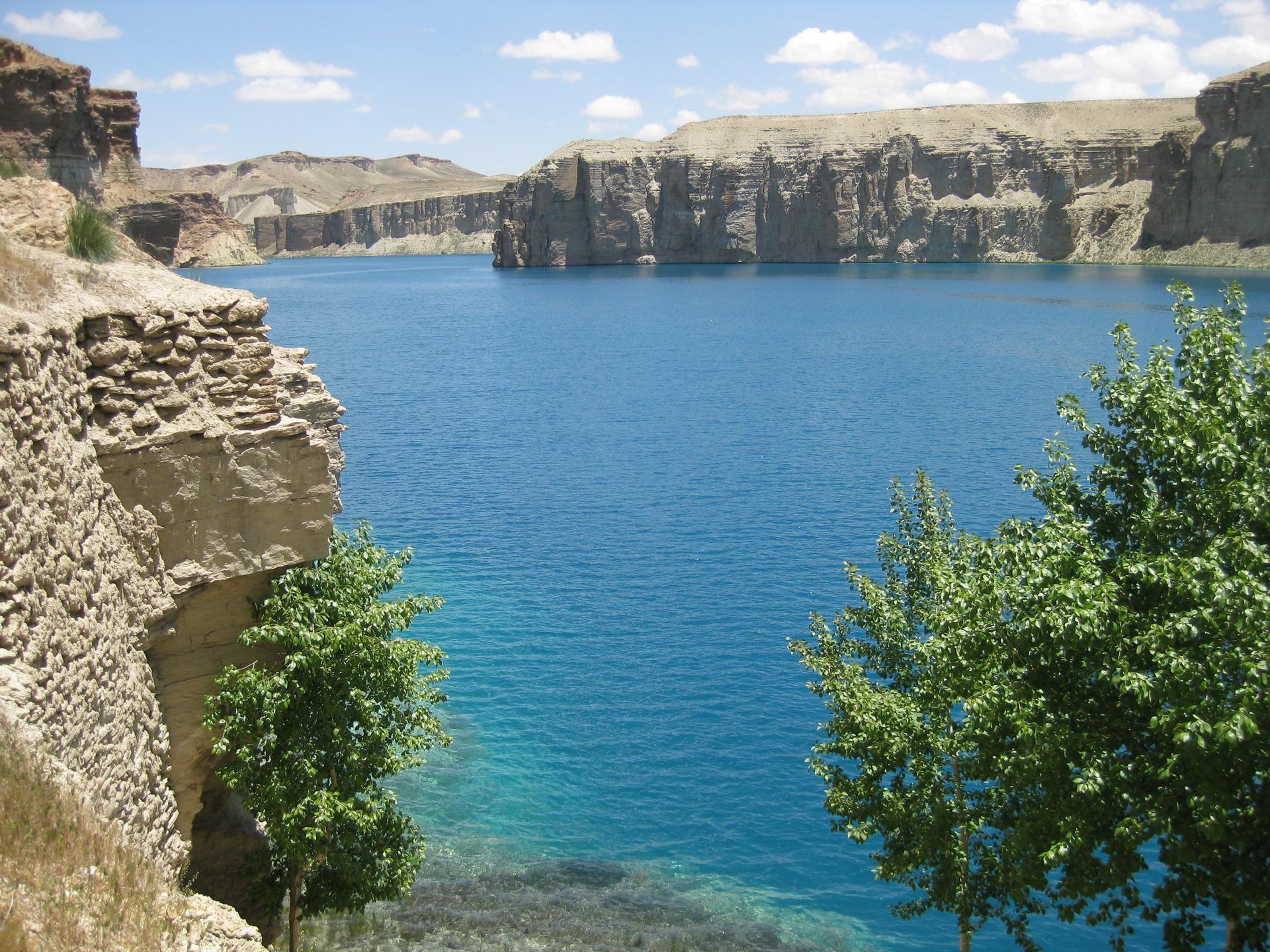
Looking beyond Arghandab? Discover Drangiana for broader travel guides, local hot-spots, and regional highlights.
Explore Drangiana
Explore Kandahar's vibrant advertising history at Askarzai Advertising Co, where creativity and culture come together in a unique museum experience.

Discover the Kherqa Sharif in Kandahar, Afghanistan: a sacred shrine housing the Prophet Muhammad's cloak, steeped in history and cultural significance.
