

Free Drangiana Travel Guide & Mobile App
Explore Drangiana with free travel guides. Discover regional history, expert tips, proposed trips, and audio guides on web or mobile app.


Drangiana in southwestern Afghanistan reveals ancient Helmand landscapes, Zaranj’s history and a demanding frontier shaped by desert, rivers and trade.
Read more about Drangiana
When is the best time to visit Drangiana?
Best: March–April, October · 22–27°C| Month | High (°C) | Rainfall (mm) |
|---|---|---|
| January | 13 | 16 |
| February | 16 | 12 |
| March (best) | 22 | 11 |
| April (best) | 27 | 9 |
| May | 33 | 7 |
| June | 38 | 4 |
| July | 40 | 3 |
| August | 38 | 3 |
| September | 32 | 5 |
| October (best) | 25 | 8 |
| November | 18 | 9 |
| December | 13 | 12 |
Getting to and around Drangiana
How to get there
Transportation
Best attractions in Drangiana
Drangiana’s attractions are primarily geographical and historical rather than a developed collection of visitor facilities. Zaranj is the principal place for understanding the Afghan portion of the ancient region, with its identity tied to the old Sistan basin, the Helmand River and the rise of the Saffarids. The surrounding landscapes show how irrigation and river management sustain settlement in an arid environment, while desert horizons and sparsely populated plains reveal the scale of the frontier. The Afghan side of the wider Hamun wetland system is environmentally significant, although water levels, access and cross-border conditions vary greatly. There are no dependable sightseeing circuits, interpretive services or uniformly accessible archaeological sites, and some ancient places associated with Drangiana lie outside Afghanistan in Iranian Sistan. Any visit to historic or rural terrain requires permission, current security assessment and specialist local support. For most travellers, the region is better explored through scholarly sources, maps and museum collections elsewhere than through independent physical access.
-
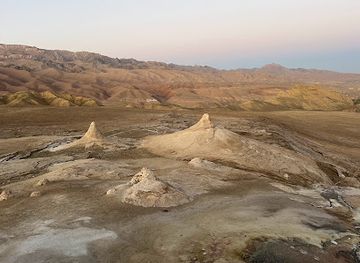
Dragon Valley
Explore the mythical Dragon Valley in Bamyan, Afghanistan: a geological wonder steeped in legend, offering stunning landscapes and cultural heritage.
Best landmarks in Drangiana
The defining landmark of Afghan Drangiana is the historic city of Zaranj, whose name is associated with the ancient and medieval urban centre of the Sistan basin and whose later history is particularly linked with the Saffarids. Its significance is historical and geographical even where visible remains are limited or difficult to access. The Helmand River and its irrigation landscape form another major regional landmark, marking the environmental foundation of settlement in a desert region and the source of continuing political and ecological pressures. The broad arid plains around Nimruz express the region’s role as a frontier between the Iranian plateau and Afghanistan. The wider Sistan archaeological landscape contains important sites, but several celebrated remains, including sites connected with ancient Sistan, are in modern Iran rather than Afghanistan and should not be presented as Afghan landmarks. Within Nimruz, archaeological locations may be poorly signposted, vulnerable to damage or inaccessible because of security and landmine risks.
-
Historical place
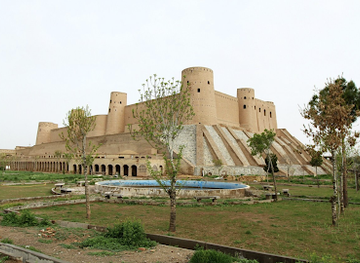
Herat Citadel
Explore the ancient Herat Citadel, a symbol of Afghan history and resilience, with roots stretching back to Alexander the Great.
-
Park
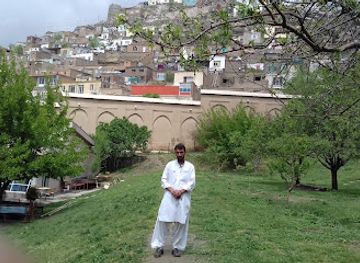
Babur Garden
Discover Kabul's Mughal heritage at Babur Garden, a serene oasis with historic architecture and the final resting place of Emperor Babur.
-
Mosque
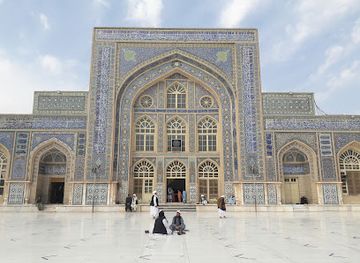
Herat Central Blue Mosque
Discover the mesmerizing Herat Central Blue Mosque, a stunning display of Islamic art and architecture in the heart of Afghanistan.
-
National park
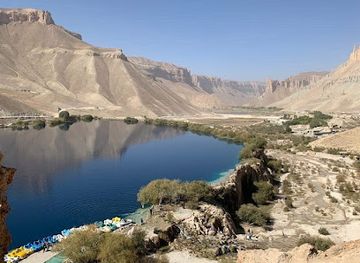
Band-e-Amir National Park
Explore Afghanistan's first national park, a stunning landscape of turquoise lakes, travertine dams, and dramatic canyons in the Hindu Kush.
Explore Drangiana on the map
Plan your trip on one map. See where the top cities, national parks and sights are, and book hotels and experiences in a few clicks.
Best hotels in Drangiana
Best restaurants in Drangiana
Dining in Drangiana is shaped by the foodways of southwestern Afghanistan and the wider Sistan borderland rather than by a visitor-oriented restaurant scene. In Zaranj, meals are likely to centre on rice, flatbreads, pulses, vegetables, meat and locally available dairy products, with Afghan forms of kabuli pulao and bolani found within the broader national culinary tradition. The dry climate and dependence on irrigation make water, wheat and cultivated produce especially important to everyday food culture, while tea remains a customary social drink. Small local eateries and household hospitality are more relevant than formal dining establishments, but availability, hygiene standards, opening arrangements and payment methods cannot be assumed. Cross-border culinary influences are also present because Nimruz has long been connected to Iranian Sistan, although border restrictions and economic conditions affect what is available. Visitors should arrange food, safe drinking water and dietary requirements in advance, particularly when travelling beyond Zaranj.
-
Restaurant
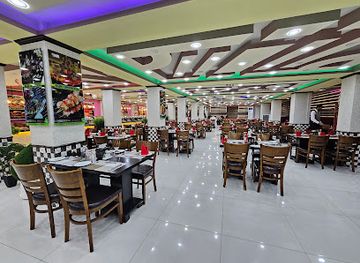
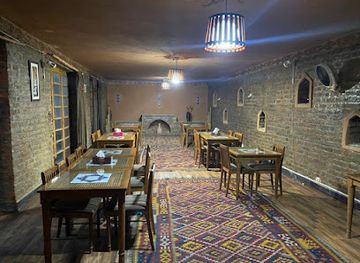
Barg Continental Restaurant
Discover authentic Afghan cuisine at Barg Continental Restaurant in Kabul, where delicious food meets warm hospitality.
-
Afghani
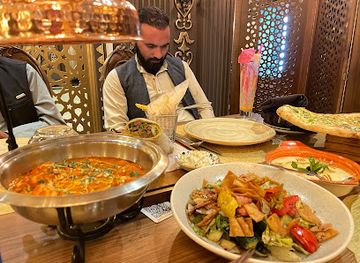
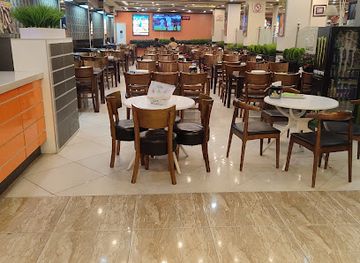
Ziyafat Restaurant
Discover the flavors of Afghanistan at Ziyafat Restaurant in Kabul - where tradition meets taste in every bite.
-
Restaurant
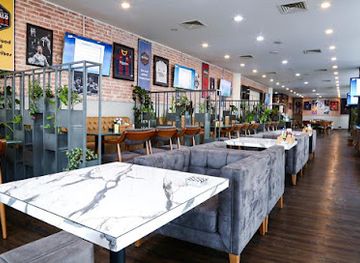
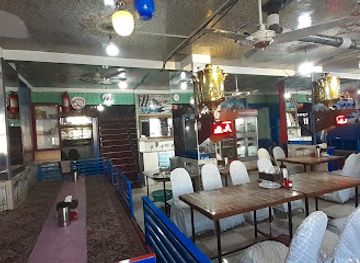
Prime Steakhouse
Discover the exquisite taste of expertly grilled steaks at Prime Steakhouse in Kabul - where culinary excellence meets inviting ambiance.
-
Afghani
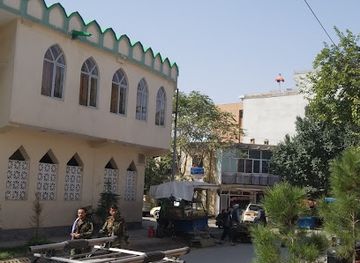
Sufi Mahal Restaurant ( رستورانت صوفی محل )
Discover authentic Afghan cuisine at Sufi Mahal Restaurant in Kabul—where every meal tells a story.
Best bars in Drangiana
Drangiana does not have a conventional bar, nightclub or late-night entertainment culture for international visitors. Afghanistan is an Islamic country, alcohol is prohibited, and public life in Nimruz is strongly shaped by religious, family and security considerations. Evening activity is more likely to involve tea, conversation, family gatherings, local eateries or private social occasions than commercial nightlife. Zaranj may have modest cafés and food businesses, but their availability, operating arrangements and suitability for foreigners can change quickly. Visitors should not seek alcohol, organise conspicuous parties or assume that photography and socialising are acceptable in public spaces. In rural areas, darkness, limited electricity, poor roads and security concerns make movement after nightfall particularly unwise. Any evening plans should be cleared with trusted local hosts and take account of local customs and current security instructions.
-
Barg Continental Restaurant
Experience the rich flavors of Afghanistan at Barg Continental Restaurant, a culinary delight in the heart of Kabul.
-
Naseeb Restaurant (رستورانت نصیب)
Savor authentic Afghan cuisine in a warm and welcoming setting at Naseeb Restaurant, a culinary gem in Kabul.
-
Bar
حمام حاجي مير احمد
Unwind at Hamam Hajji Mir Ahmad, a cultural bar in Kabul, offering a taste of local beverages and authentic Afghan hospitality.
-
Bar
Kandahar OrazganRD
Discover the vibrant atmosphere of Kandahar OrazganRD, a unique bar in Kandahar that offers local charm and refreshing drinks.
Best nightclubs in Drangiana
Drangiana does not have a conventional bar, nightclub or late-night entertainment culture for international visitors. Afghanistan is an Islamic country, alcohol is prohibited, and public life in Nimruz is strongly shaped by religious, family and security considerations. Evening activity is more likely to involve tea, conversation, family gatherings, local eateries or private social occasions than commercial nightlife. Zaranj may have modest cafés and food businesses, but their availability, operating arrangements and suitability for foreigners can change quickly. Visitors should not seek alcohol, organise conspicuous parties or assume that photography and socialising are acceptable in public spaces. In rural areas, darkness, limited electricity, poor roads and security concerns make movement after nightfall particularly unwise. Any evening plans should be cleared with trusted local hosts and take account of local customs and current security instructions.
-
Night club
هرات افغانستان
Experience the vibrant nightlife of Herat, Afghanistan, where culture, music, and dance come together in lively nightclubs.
-
Night club
Ziarat
Experience the vibrant nightlife at Ziarat, Pitav's premier night club, where local culture and pulsating rhythms come alive.
-
Night club
کمیته مردمی کمیسیون برگزاری جشن استقلال
Experience the vibrant nightlife of Kabul at the People's Committee for Independence Celebration, where music, dance, and culture unite in an unforgettable evening.
-
 Night club
گلبدین خانه
Discover the vibrant nightlife of Kabul at گلبدین خانه, a cabaret club offering mesmerizing performances and a taste of local culture.

Best shops in Drangiana
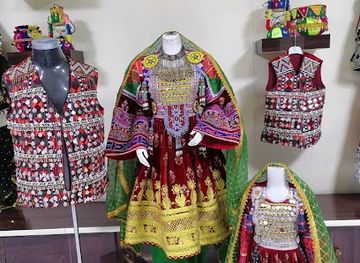
Shopping in Drangiana is practical and local rather than oriented towards tourism. Zaranj’s markets serve everyday needs, including food, clothing, household goods, tea and basic supplies, while cross-border trade with Iran has historically influenced the goods available. Regional merchandise may include textiles, leather items, household crafts and dried or preserved foods, but selection, quality and legality vary and should not be assumed. There is no dependable craft-shopping circuit or established tourist market comparable with those in major international destinations. Visitors should avoid purchasing antiquities, unprovenanced archaeological objects or items that could have been removed from cultural sites. Cash in afghanis is the safest assumption for ordinary purchases, and foreign cards may not work. Because transport, border and security conditions can change abruptly, it is sensible to obtain essential personal supplies in advance and keep shopping discreet in accordance with local customs.
-
Shopping mall
Dawoodzai Shopping Mall
Discover the vibrant shopping experience at Dawoodzai Shopping Mall in Kabul, where local charm meets modern retail.
-
Clothing store
Naaz Boutique Afghani dresses store
Explore the vibrant world of Afghani fashion at Naaz Boutique, your premier destination for authentic dresses in Kabul.
-
Shopping mall
Afghan Mart-Afghanistan's Online Shopping فروشگاه افغان مارت
Explore the vibrant world of Afghan Mart in Kabul, where shopping meets culture and tradition in a unique shopping experience.
-
Shopping mall
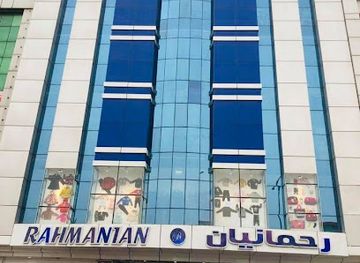
Rahmanian Shopping Center
Explore the Rahmanian Shopping Center in Kabul for an authentic shopping experience featuring local fashion, unique bridal shops, and vibrant atmosphere.

Get your free copy of our complete guide to Drangiana, delivered straight to you.
Everything on this page, from attractions and restaurants to essentials and local phrases, in one PDF you can read offline, print or share.
Already have an account? Sign in
Your Drangiana guide is ready.
We'll send it to · Not you? Sign out

Getting your guide ready…
We are putting together a fresh copy of the Drangiana guide. This can take up to a minute.
This can take a few moments. If your browser asks, choose Allow so the download can start. You'll find the guide in your Downloads folder.
Nothing happened? Download it again
Sorry, the guide is taking longer than usual. Please try again in a minute, or get it by email instead.
Drangiana essentials
Currency and Payment
Safety
Emergency Situations
Do's and Don'ts
Local Tips
From Eve
Local phrases worth knowing
You don't need to get them perfect. A few words go a long way, and locals appreciate the effort.
Basics
| English | Local | Say it |
|---|---|---|
| Hello | سلام | [Salam] |
| Goodbye | خداحافظ | [Khuda Hafiz] |
| Yes | بله | [Bale] |
| No | نه | [Na] |
| Please/You're welcome | لطفاً / خوش آمدید | [Lotfan / Khush Amadi] |
| Thank you | تشکر | [Tashakur] |
| Excuse me/Sorry | ببخشید | [Bebakhshid] |
| How are you? | چطورید؟ | [Chetorid?] |
| Fine. And you? | خوبم. شما چطورید؟ | [Khobam. Shoma chetorid?] |
| Do you speak English? | آیا شما انگلیسی صحبت میکنید؟ | [Aya shoma engilisi sohbat mikonid?] |
| I don't understand | من نمیفهمم | [Man nemifahmam] |
Eating & Drinking
| English | Local | Say it |
|---|---|---|
| I'd like to see the menu, please | لطفاً منوی را ببینم | [Lotfan menu ra bebinam] |
| I don't eat meat | من گوشت نمیخورم | [Man gusht nemikhoram] |
| Cheers! | به سلامتی! | [Be salamati!] |
| I would like to pay, please | لطفاً میخواهم پرداخت کنم | [Lotfan mikhahum pardakht konam] |
Emergencies
| English | Local | Say it |
|---|---|---|
| Help! | کمک! | [Komak!] |
| Go away! | برو کنار! | [Boro kenar!] |
| Call the Police! | پلیس را خبر کنید! | [Police ra khabar konid!] |
| Call a doctor! | دکتر را خبر کنید! | [Doktor ra khabar konid!] |
| I'm lost | من گم شدهام | [Man gom shodeam] |
| I'm ill | من بیمارم | [Man bimaram] |
Shopping
| English | Local | Say it |
|---|---|---|
| I'd like to buy... | میخواهم بخرم... | [Mikhaham bekharam...] |
| I'm just looking | من فقط نگاه میکنم | [Man faqat negah mikonam] |
| How much is it? | این چقدر است؟ | [In chandeh ast?] |
| That's too expensive | این خیلی گران است | [In khyli geran ast] |
| Can you lower the price? | آیا میتوانید قیمت را کم کنید؟ | [Aya mitavanid gheymat ra kam konid?] |
Time & Numbers
| English | Local | Say it |
|---|---|---|
| What time is it? | ساعت چند است؟ | [Sa'at chand ast?] |
| It's one o'clock | ساعت یک است | [Sa'at yek ast] |
| Half past (10) | نیم ساعت (۱۰) | [Nim sa'at (10)] |
| Morning | صبح | [Sob] |
| Afternoon | بعدازظهر | [Ba'd az zohr] |
| Evening | عصر | [Asr] |
| Yesterday | دیروز | [Dirooz] |
| Today | امروز | [Emruz] |
| Tomorrow | فردا | [Farda] |
| 1 | یک | [Yek] |
| 2 | دو | [Do] |
| 3 | سه | [Se] |
| 4 | چهار | [Chahar] |
| 5 | پنج | [Panj] |
| 6 | شش | [Shesh] |
| 7 | هفت | [Haft] |
| 8 | هشت | [Hasht] |
| 9 | نه | [Noh] |
| 10 | ده | [Dah] |
Transport & Directions
| English | Local | Say it |
|---|---|---|
| Where's a/the...? | کجا یک/یک ... است؟ | [Koja yek/yek ... ast?] |
| What's the address? | آدرس چیست؟ | [Address chist?] |
| Can you show me (on the map)? | آیا میتوانید به من نشان دهید (روی نقشه)؟ | [Aya mitavanid be man neshan dahid (ruye naqsha)?] |
| When's the next (bus)? | کی (اتوبوس) بعدی میآید؟ | [Ki (otobus) ba'di miayad?] |
| A ticket (to ....) | یک بلیط (به ...) | [Yek belit (be ...)] |
History of Drangiana
Early settlements of the Helmand and Sistan basin
The lower Helmand basin supported agriculture and settled communities long before the Islamic period, although many of the best-known prehistoric sites of the wider Sistan cultural zone lie across the modern border in Iran rather than Afghanistan. In the Afghan portion of the region, the river and its distributaries created the conditions for cultivation amid an otherwise arid environment. Population centres rose and declined as waterways shifted, irrigation systems changed and political control over the basin fluctuated. This relationship between settlement and water remains central to understanding Drangiana’s geography.
Drangiana under the Achaemenid Empire
Drangiana was incorporated into the Achaemenid Persian Empire, probably during the expansion associated with Cyrus the Great and his successors in the sixth century BC. Classical and Persian sources describe the area as a province or frontier territory in the eastern Iranian world. Its position between the Iranian plateau, Arachosia and Central Asian routes gave it strategic value, while the Helmand basin supplied agricultural resources. The name Drangiana is connected with the ancient population known as the Drangians and survives in the historical geography of the Sistan region.
Alexander and the Hellenistic frontier
Alexander the Great passed through the wider Drangiana and adjoining eastern Iranian territories during his campaigns against the Achaemenid Empire in the late fourth century BC. The region became part of the Hellenistic political world after the conquest, although control was exercised through changing kingdoms and local authorities rather than through a single lasting settlement pattern. Greek and Iranian influences interacted across the eastern frontier, and the area’s importance continued to derive from its position on routes between the Iranian plateau, the Helmand basin and lands farther east.
Iranian and Central Asian rule in late antiquity
In late antiquity, the Sistan and lower Helmand region was shaped by successive Iranian dynasties and by pressure from powers based farther east and north. The Sasanian Empire exercised influence over Sistan, while local rulers and frontier elites retained important roles. The region’s aridity made irrigation, river control and fortified settlements essential to political stability. These centuries helped establish the frontier character later associated with Afghanistan’s southwest, where authority was often negotiated across broad distances rather than imposed uniformly from a single urban centre.
The Islamic conquest and the rise of Zaranj
Muslim armies entered Sistan during the seventh century, after which the region became part of the expanding Islamic world. Zaranj emerged as a major city and administrative centre, benefiting from its position within the Sistan basin and from the agricultural wealth made possible by irrigation. Arabic and Persian scholarship, commerce and political activity developed alongside older regional traditions. The city’s influence extended beyond the immediate Helmand basin, although changing river courses, warfare and competition between dynasties repeatedly altered the region’s fortunes.
The Saffarids and Ya'qub ibn al-Layth
In the ninth century, Zaranj became the power base of Ya'qub ibn al-Layth al-Saffar, whose career began in the local metalworking trade before he established the Saffarid dynasty. From Sistan he built a state that challenged the Abbasid caliphate and expanded across parts of eastern Iran and Afghanistan. The Saffarids are significant in regional history because they represent the emergence of a powerful Persianate polity from a frontier territory rather than from one of the established imperial capitals. Zaranj remains closely associated with this period.
Mongol, Timurid and later frontier transformations
Like much of eastern Iran and Afghanistan, Drangiana suffered disruption during the Mongol conquests and later experienced renewed competition under Timurid and other regional powers. Political centres shifted, irrigation networks deteriorated or were rebuilt, and the fortunes of Zaranj and neighbouring settlements rose and declined with the movement of water and trade. In later centuries, Sistan became a contested borderland between Afghan and Persian authorities. The modern international boundary divided a historical region whose cultural and economic connections had long crossed the present frontier.
Nimruz and the modern Afghan-Iranian border
Modern Nimruz Province was formed within Afghanistan’s twentieth-century administrative system, with Zaranj serving as its principal city. Its identity has been shaped by the Helmand River, cross-border commerce, migration and the relationship with Iranian Sistan. The Helmand water dispute and the development of transport links have added contemporary political importance to the region. Since the late twentieth century, conflict, economic hardship, drought and limited state services have severely affected daily life. These modern pressures make historical access and conventional tourism in Drangiana exceptionally difficult.
Drangiana in Photos
Browse through our photo collection highlighting the charm and character of the destination.
Neighbouring regions of Drangiana
The closest regions to Drangiana, if you have time for more than one.
-
-

-

-

-


Swipe for more regions
Explore more

Explore more of Afghanistan
Discover Afghanistan's rich history, stunning landscapes, and diverse cultures. From ancient cities to breathtaking nature, this Central Asian gem offers a unique travel experience.
Explore Afghanistan