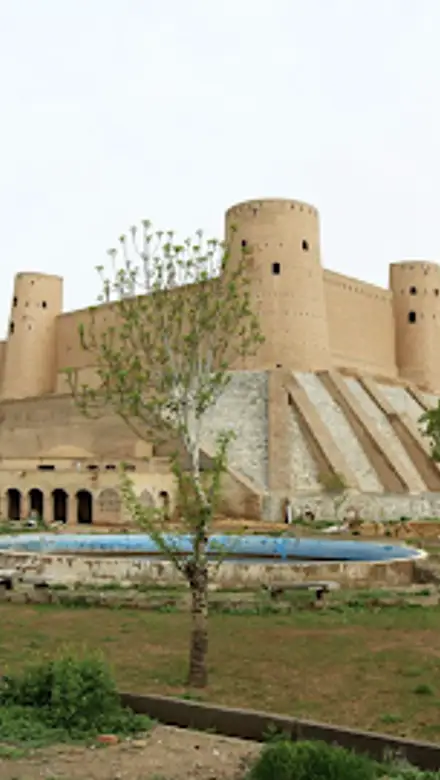
Herat Citadel Travel Guide
Free Guide: Explore the ancient Herat Citadel, a majestic fortress with roots in Alexander the Great's era, offering stunning panoramic views.


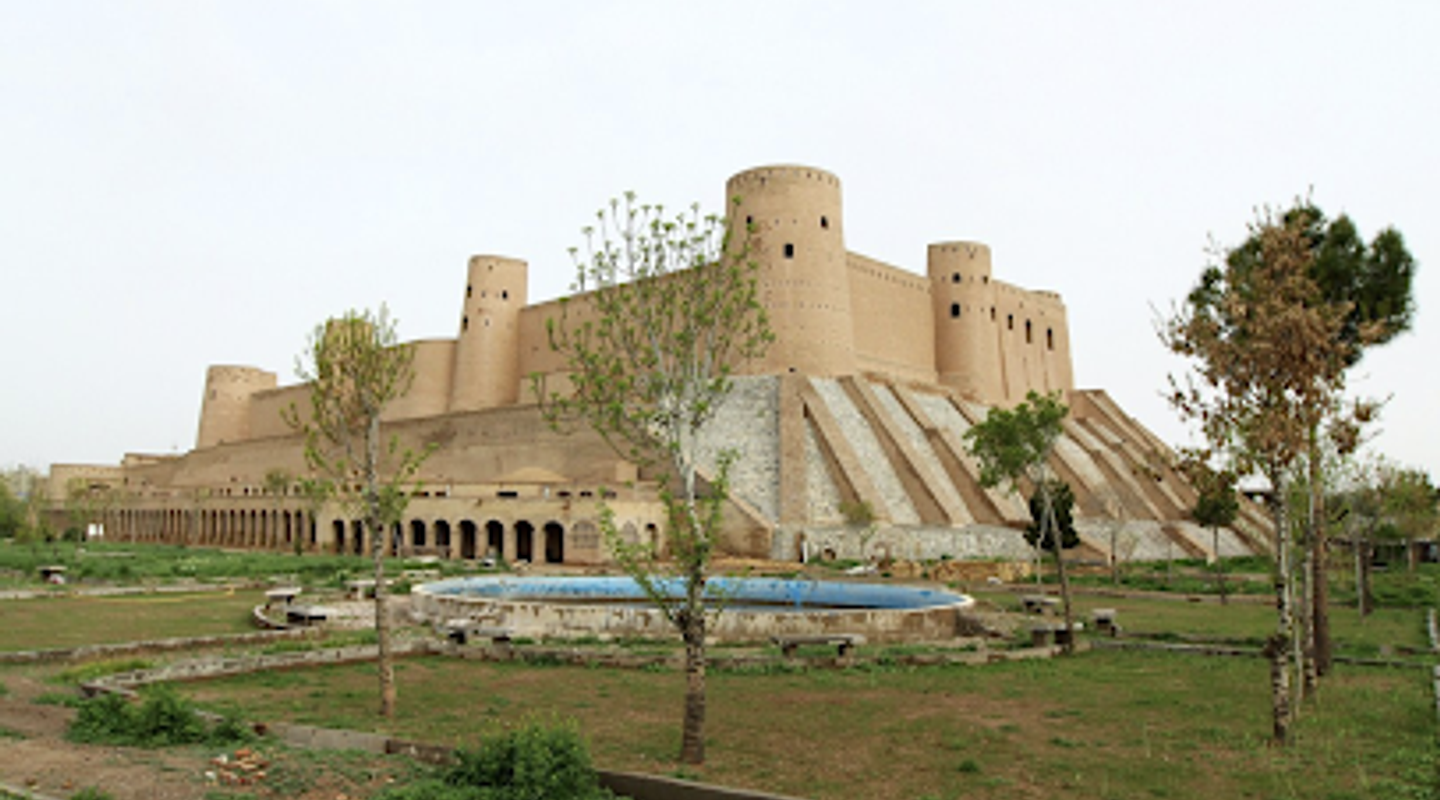
A brief summary of Herat Citadel
Explore the ancient Herat Citadel, a majestic fortress with roots in Alexander the Great's era, offering stunning panoramic views.
The Herat Citadel, also known as the Citadel of Alexander, is a historical fortress in the center of Herat, Afghanistan, dating back to 330 BC [4, 8]. It has been a strategic point for various empires and a silent witness to Afghanistan's turbulent past [4].
Opening hours
- Mon10 am–12 am
- Tue10 am–12 am
- Wed10 am–12 am
- Thu10 am–12 am
- FriOpen 24 hours
- Sat10 am–4 am
- Sun10 am–12 am
Opening hours as listed on the venue’s Google Business Profile. Hours can change for services and special events, so check with the venue before you go.
- Address
- 85WQ+753 قلعه اختیارالدین (ارگ تاریخی هرات)، جاده انصاری, Herat, Afghanistan
- Phone
Getting there
Walking
Public Transport
Taxi/Ride-Share
Discover more about Herat Citadel
Overview
The Herat Citadel, or Qala Ikhtyaruddin, stands as a majestic reminder of Herat's rich and often tumultuous history [4]. Believed to have been founded by Alexander the Great in 330 BC, the citadel has been a strategic stronghold for over 2,000 years, serving as a headquarters for numerous empires [8].Over the centuries, the citadel has been destroyed and rebuilt multiple times [8]. Genghis Khan razed it in 1222, but it was reconstructed by the Kart dynasty in 1245 [4]. A significant transformation occurred in the late 14th century under Shah Rukh, son of Timur, who rebuilt its fortifications and erected new structures, which largely define the citadel's appearance today [4, 10].The citadel's architecture reflects the skills of Timurid architects, featuring tall walls, strong towers, gates, and large courtyards, constructed with baked bricks and stone [6]. Its design provided a strong defense against attacks [6]. The citadel complex stretches over 250 meters in length and 70 meters in width, divided into two main walled enclosures [4].In recent years, the citadel has undergone extensive renovation [4, 8]. Between 2006 and 2011, a complete restoration involved hundreds of Afghan craftsmen and funding from the Aga Khan Trust for Culture, as well as contributions from the U.S. and German governments [4, 8]. Today, visitors can explore the citadel's towering ramparts, climb its 18 imposing towers, and visit its museum, which houses artifacts from various periods of Herat's history [17]. The citadel also offers panoramic views of Herat, including the remains of the Old City walls and the minarets of the Musalla Complex [10, 17].
Evendo Review Centre
 Google
Guest reviews
Explore Herat Citadel on the map
A handpicked selection of must-see spots near Herat Citadel, mapped for you.
Get your free copy of our complete guide to Herat Citadel, delivered straight to you.
Everything on this page, from opening hours and how to get there to Eve’s tips and the best time to go, in one PDF you can read offline, print or share.
Already have an account? Sign in
Your Herat Citadel guide is ready.
We'll send it to · Not you? Sign out

Getting your guide ready…
We are putting together a fresh copy of the Herat Citadel guide. This can take up to a minute.
This can take a few moments. If your browser asks, choose Allow so the download can start. You'll find the guide in your Downloads folder.
Nothing happened? Download it again
Sorry, the guide is taking longer than usual. Please try again in a minute, or get it by email instead.
Other nearby places you may find interesting
The closest places of the same kind, if this one is not quite what you had in mind.
-
-
-
-
-


Swipe for more places
More to explore near Herat Citadel

 Best experiences near Herat Citadel
 Best hotels near Herat Citadel
 Best landmarks near Herat Citadel
 Best attractions near Herat Citadel
 Best shops near Herat Citadel
 Best restaurants near Herat Citadel
 Best bars near Herat Citadel
Do you manage this location?
Take control to get all the benefits, like improved information, better appearance, and stronger visibility across AI-powered discovery.
Explore more
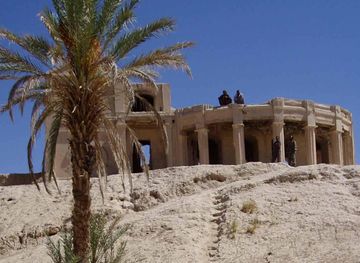
Explore more of Farah
Discover Farah: Delve into Afghanistan's rich history, vibrant bazaars, and scenic landscapes in this hidden gem of the western region.
Explore Farah
Explore more of Afghanistan
Discover Afghanistan's rich history, stunning landscapes, and diverse cultures. From ancient cities to breathtaking nature, this Central Asian gem offers a unique travel experience.
Explore Afghanistan