

Free Farah Travel Guide & Mobile App
Explore Farah with free travel guides. Discover regional history, expert tips, proposed trips, and audio guides on web or mobile app.


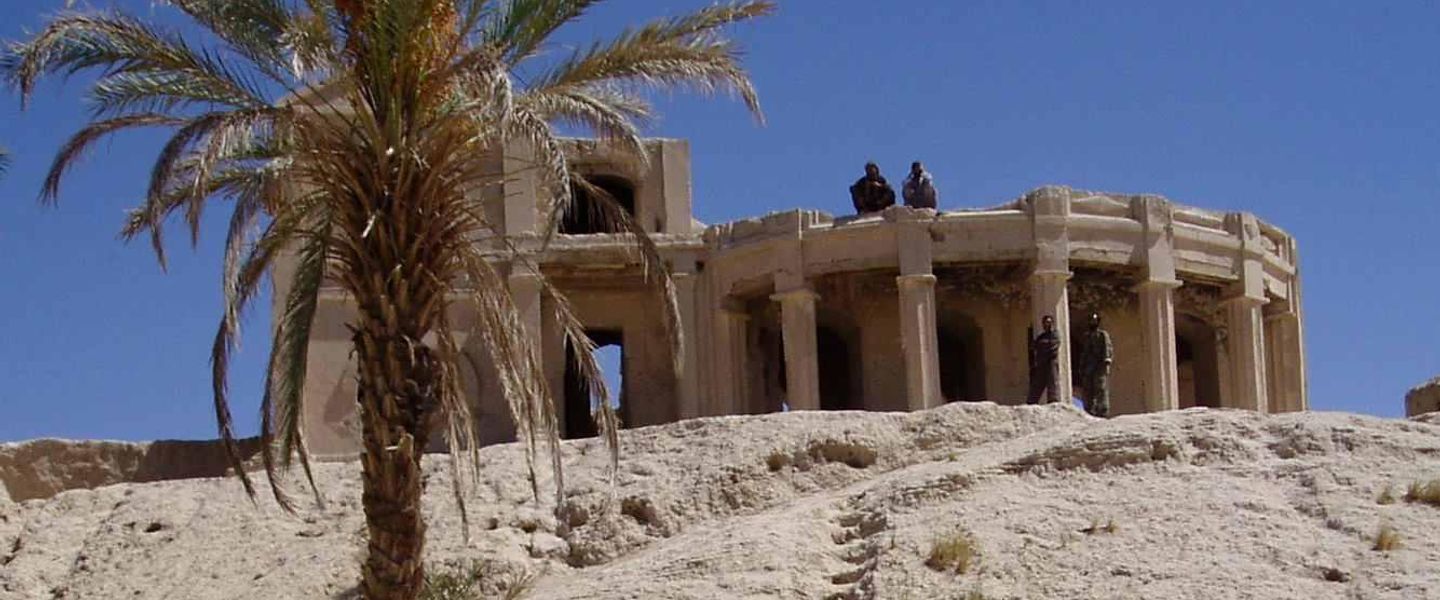


Farah offers western Afghanistan’s river valleys, desert landscapes and layered Sistan heritage, but severe security risks make professional planning essential.
Read more about Farah
When is the best time to visit Farah?
Best: March–April, October · 23–29°C| Month | High (°C) | Rainfall (mm) |
|---|---|---|
| January | 15 | 10 |
| February | 18 | 12 |
| March (best) | 23 | 14 |
| April (best) | 29 | 10 |
| May | 35 | 8 |
| June | 39 | 4 |
| July | 42 | 2 |
| August | 40 | 2 |
| September | 35 | 4 |
| October (best) | 28 | 6 |
| November | 21 | 8 |
| December | 15 | 10 |
Getting to and around Farah
How to get there
Transportation
Top city travel guides in Farah
The cities of Farah, and the easiest places to base yourself.

Swipe for more cities
Best attractions in Farah
-
Tourist attraction
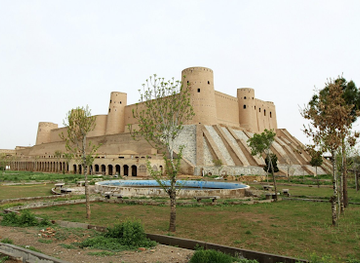
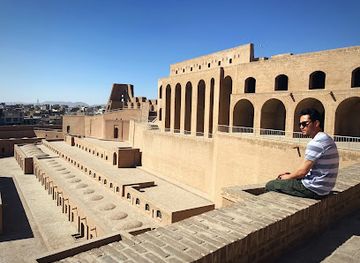
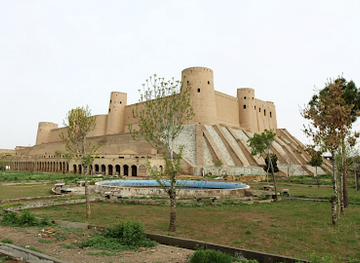
Herat Citadel
Explore the ancient Herat Citadel: a historic fortress with roots in Alexander the Great's era, offering stunning city views.
-
Mosque
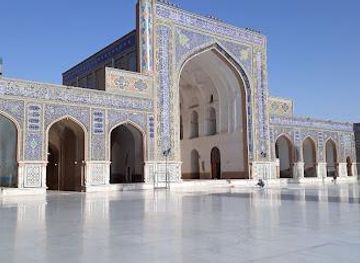
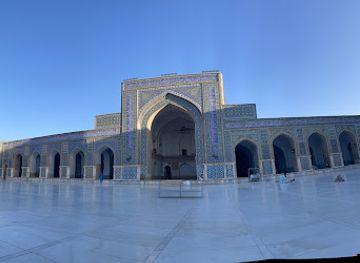
Herat Central Blue Mosque
Discover the Herat Central Blue Mosque, a masterpiece of Islamic architecture with stunning blue tiles and a rich history in the heart of Herat, Afghanistan.
-
Tourist attraction
مجتمع تفریحی باغ ملت
Discover Baghe Mellat in Herat: A serene park offering lush greenery, cultural events, and a peaceful escape for families and tourists alike, open daily.
-
Tourist attraction
National Museum
Discover millennia of Afghan history and culture at the Herat National Museum, housed within the ancient Qala Ikhtyaruddin.
Best landmarks in Farah
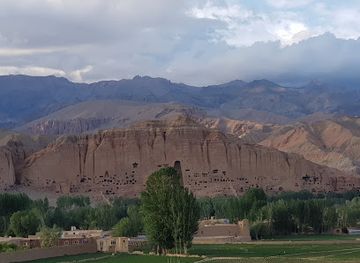
Farah’s most important landmarks are associated with its river, provincial capital and strategic position in western Afghanistan. The Farah Rud is the defining natural feature, sustaining cultivated land and settlements through an otherwise dry landscape. Farah city’s historic defensive and administrative fabric, including surviving earthen structures and traces of older settlement, reflects the province’s role as a regional centre, although individual sites may be difficult to identify, poorly conserved or inaccessible. Across the province, irrigation channels, village compounds and routes through open desert illustrate the practical relationship between water, agriculture and security. The wider setting also carries the memory of Farah’s place within the historical Sistan and Khorasan borderlands, where control of roads and river valleys mattered to successive powers. These landmarks should not be approached as casual archaeological excursions: ruins, abandoned structures and open ground may contain unexploded ordnance, and photography or visits may require permission. Farah’s landscape is therefore significant as a connected historical environment rather than a collection of reliably accessible monuments.
-
Historical place
Herat Citadel
Explore the ancient Herat Citadel, a majestic fortress with roots in Alexander the Great's era, offering stunning panoramic views.
-
Park
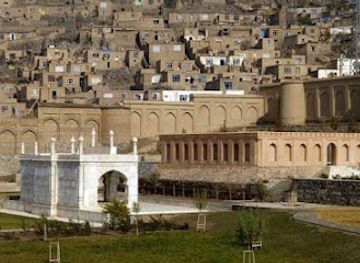
Babur Garden
Discover Kabul's Mughal heritage at Bagh-e Babur: a tranquil garden oasis with historic tombs, stunning architecture, and panoramic city views.
-
Mosque
Herat Central Blue Mosque
Discover the mesmerizing beauty and rich history of the Herat Central Blue Mosque, a masterpiece of Islamic architecture in Afghanistan.
-
National park
Band-e-Amir National Park
Discover Afghanistan's first national park, a stunning landscape of turquoise lakes and dramatic canyons, offering a unique blend of natural beauty and culture.
Explore Farah on the map
Plan your trip on one map. See where the top cities, national parks and sights are, and book hotels and experiences in a few clicks.
Best hotels in Farah
Best restaurants in Farah
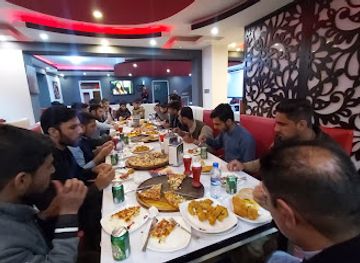
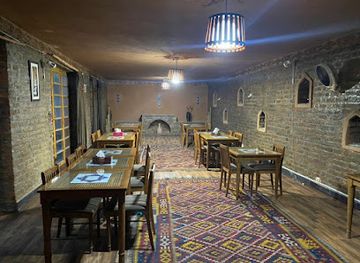
Farah does not have a developed visitor dining scene, and food options are likely to be concentrated in private homes, modest local eateries and basic establishments in Farah city or larger settlements. Meals commonly reflect western Afghan and wider regional traditions, with rice, flatbreads, lentils, beans, vegetables, yoghurt and meat prepared according to household and local availability. Agricultural districts along the Farah Rud contribute wheat, fruit and melons, while tea is a central part of hospitality. Formal menus, refrigeration, imported products and consistent hygiene standards cannot be assumed, particularly outside the provincial capital. Visitors with dietary, medical or religious requirements should bring appropriate supplies and communicate clearly through a trusted interpreter. Hospitality is generally connected to social and family relationships rather than a commercial tourism industry, and accepting food or tea should be handled respectfully within local customs. Because international visitors may face serious security and legal restrictions, restaurant-hopping is not a realistic basis for planning a journey to Farah.
-
Restaurant
Mr.cook fast food
Discover delicious fast food delights at Mr. Cook in Kabul - where local flavors meet international favorites.
-
Afghani
Ziyafat Restaurant
Experience authentic Afghani cuisine at Ziyafat Restaurant in Kabul - where every meal tells a story.
-
Afghani
Sufi Mahal Restaurant ( رستورانت صوفی محل )
Experience authentic Afghan cuisine at Sufi Mahal Restaurant in Kabul, where tradition meets flavor in every dish.
-
Afghani
Herat Restaurant
Savor authentic Afghani cuisine at Herat Restaurant in Kabul, where traditional flavors meet warm hospitality.

Best bars in Farah
Farah has no conventional bar or nightclub scene for international visitors. Alcohol is illegal in Afghanistan, and evening social life is centred instead on family gatherings, tea, private hospitality, religious and community settings, and modest dining spaces where available. Shops and public facilities may close early, while curfews, security conditions and local instructions can restrict movement after dark. Any social invitation should be approached with cultural sensitivity, particularly concerning gender, photography and privacy. Visitors should not search for nightlife or travel around at night in pursuit of entertainment: the security risks are substantial, roads are poorly served, and emergency assistance is limited. For authorised travellers, evenings are more realistically spent at secure accommodation following a pre-arranged movement plan.
-
Hotel
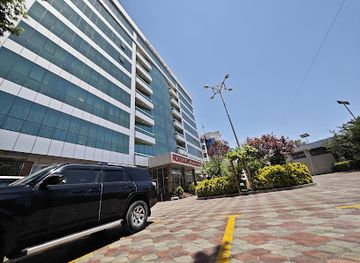
Kabul Star Hotel & Restaurant
Experience luxury and local culture at Kabul Star Hotel & Restaurant, your premier destination in the heart of Kabul, Afghanistan.
-
Restaurant
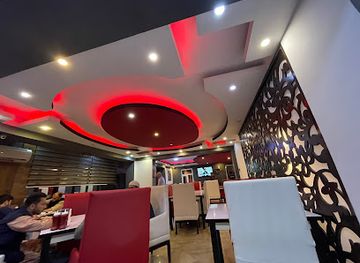
Mr.cook fast food
Experience the delicious fusion of local Afghan cuisine and fast food favorites at Mr. Cook Fast Food in Kabul.
-
Restaurant
Chinar Restaurant & Café
Experience the authentic flavors of Afghanistan at Chinar Restaurant & Café, Kabul's premier destination for delightful cuisine and warm hospitality.
-
Restaurant
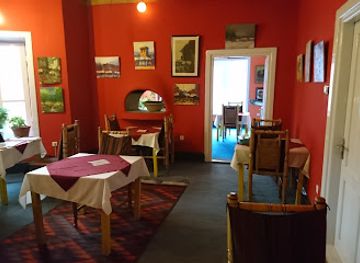
Le Bistro
Experience the best of Afghan cuisine at Le Bistro, where tradition meets modern dining in the heart of Kabul.
Best nightclubs in Farah
Farah has no conventional bar or nightclub scene for international visitors. Alcohol is illegal in Afghanistan, and evening social life is centred instead on family gatherings, tea, private hospitality, religious and community settings, and modest dining spaces where available. Shops and public facilities may close early, while curfews, security conditions and local instructions can restrict movement after dark. Any social invitation should be approached with cultural sensitivity, particularly concerning gender, photography and privacy. Visitors should not search for nightlife or travel around at night in pursuit of entertainment: the security risks are substantial, roads are poorly served, and emergency assistance is limited. For authorised travellers, evenings are more realistically spent at secure accommodation following a pre-arranged movement plan.
-
Night club
حمام حاجي مير احمد
Experience the vibrant atmosphere of حمام حاجي مير احمد, where Afghan culture meets modern relaxation in the heart of Kabul.
-
Ziarat
Experience the vibrant nightlife of Ziarat, where music, dance, and culture come together in the heart of Pitav, Afghanistan.
-
Night club
کمیته مردمی کمیسیون برگزاری جشن استقلال
Experience the vibrant nightlife of Kabul at کمیته مردمی کمیسیون برگزاری جشن استقلال, where culture meets entertainment.
-
 Night club
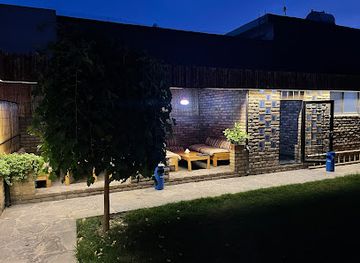
خاجي سیف الله فارم
Discover the vibrant nightlife of 'Aliwat at خاجي سیف الله فارم, the ultimate night club experience blending culture and entertainment.
Best shops in Farah
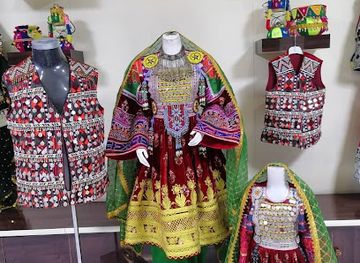
Shopping in Farah is local and utilitarian rather than oriented towards international tourism. Markets and small shops in Farah city and other settlements provide everyday food, clothing, household goods, tea and agricultural necessities, while rural trading patterns reflect livestock, crops and seasonal harvests. Visitors may encounter locally produced fruit, melons, dried foods, textiles or simple handicrafts, but availability varies and there is no dependable specialist craft district or souvenir industry. Purchases should be modest, lawfully made and arranged through trusted local contacts, especially where objects might have archaeological, military or antiquities-related associations. Do not buy ancient artefacts, fragments or items whose provenance is unclear, as removing cultural property may be illegal and could contribute to site damage. Cash in Afghan afghanis is normally necessary, and card payments should not be expected. Given current restrictions and security conditions, shopping is a practical local activity rather than an independent visitor experience.
-
Clothing store
Naaz Boutique Afghani dresses store
Explore the exquisite collection of traditional Afghani dresses at Naaz Boutique in Kabul, a true reflection of Afghan culture and craftsmanship.
-
Grocery store
First District
Experience local culture and flavors at the First District grocery store in Farah, Afghanistan – a must-visit for curious travelers.
-
Shopping mall
Abshar Shopping Center مارکیت تجارتی آبشار
Experience the essence of Afghan culture at Abshar Shopping Center, where shopping meets local flavor in the heart of Farah.
-
Shopping mall
T
Discover Farah's vibrant shopping mall - a perfect blend of traditional Afghan culture and modern retail experiences.
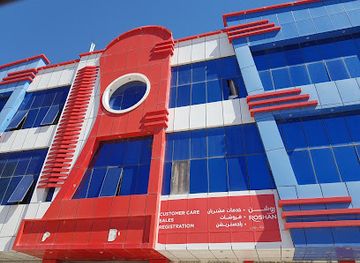
Get your free copy of our complete guide to Farah, delivered straight to you.
Everything on this page, from attractions and restaurants to essentials and local phrases, in one PDF you can read offline, print or share.
Already have an account? Sign in
Your Farah guide is ready.
We'll send it to · Not you? Sign out

Getting your guide ready…
We are putting together a fresh copy of the Farah guide. This can take up to a minute.
This can take a few moments. If your browser asks, choose Allow so the download can start. You'll find the guide in your Downloads folder.
Nothing happened? Download it again
Sorry, the guide is taking longer than usual. Please try again in a minute, or get it by email instead.
Farah essentials
Currency and Payment
Safety
Emergency Situations
Do's and Don'ts
Local Tips
From Eve
Local phrases worth knowing
You don't need to get them perfect. A few words go a long way, and locals appreciate the effort.
Basics
| English | Local | Say it |
|---|---|---|
| Hello | سلام | [Salam] |
| Goodbye | خداحافظ | [Khuda Hafiz] |
| Yes | بله | [Bale] |
| No | نه | [Na] |
| Please/You're welcome | لطفاً / خوش آمدید | [Lotfan / Khush Amadeed] |
| Thank you | تشکر | [Tashakur] |
| Excuse me/Sorry | ببخشید | [Bebakhshid] |
| How are you? | چطور هستید؟ | [Chetor Hastid?] |
| Fine. And you? | خوبم. شما چطورید؟ | [Khubam. Shoma Chetorid?] |
| Do you speak English? | آیا انگلیسی صحبت میکنید؟ | [Aya Englishi Sohbat Mikonid?] |
| I don't understand | من نمیفهمم | [Man Nemifahmam] |
Eating & Drinking
| English | Local | Say it |
|---|---|---|
| I'd like to see the menu, please | لطفاً منوی غذا را نشان دهید | [Lotfan Menu-ye Ghaza Ra Nashan Dehid] |
| I don't eat meat | من گوشت نمیخورم | [Man Gusht Nemikhoram] |
| Cheers! | به سلامتی! | [Be Salamati!] |
| I would like to pay, please | لطفاً میخواهم پرداخت کنم | [Lotfan Mikhahum Pardakht Konam] |
Emergencies
| English | Local | Say it |
|---|---|---|
| Help! | کمک! | [Komak!] |
| Go away! | برو برو! | [Boro Boro!] |
| Call the Police! | پلیس را صدا کنید! | [Police Ra Seda Konid!] |
| Call a doctor! | دکتر را صدا کنید! | [Doktor Ra Seda Konid!] |
| I'm lost | من گم شدهام | [Man Gom Shode-am] |
| I'm ill | من بیمارم | [Man Bimaram] |
Shopping
| English | Local | Say it |
|---|---|---|
| I'd like to buy... | میخواهم بخرم... | [Mikhahum Bekharam...] |
| I'm just looking | فقط دارم نگاه میکنم | [Faghat Daram Negah Mikonam] |
| How much is it? | قیمتش چقدر است؟ | [Gheimatash Cheqadar Ast?] |
| That's too expensive | این خیلی گران است | [In Kheili Gheran Ast] |
| Can you lower the price? | آیا میتوانید قیمت را پایینتر بیاورید؟ | [Aya Mitavanid Gheimat Ra Payin-tar Biavarid?] |
Time & Numbers
| English | Local | Say it |
|---|---|---|
| What time is it? | ساعت چند است؟ | [Saat Chand Ast?] |
| It's one o'clock | ساعت یک است | [Saat Yak Ast] |
| Half past (10) | نیم ساعت (۱۰) | [Nim Saat (10)] |
| Morning | صبح | [Sobh] |
| Afternoon | بعد از ظهر | [Ba'ad Az Zahr] |
| Evening | شب | [Shab] |
| Yesterday | دیروز | [Dirooz] |
| Today | امروز | [Emruz] |
| Tomorrow | فردا | [Farda] |
| 1 | ۱ | [1] |
| 2 | ۲ | [2] |
| 3 | ۳ | [3] |
| 4 | ۴ | [4] |
| 5 | ۵ | [5] |
| 6 | ۶ | [6] |
| 7 | ۷ | [7] |
| 8 | ۸ | [8] |
| 9 | ۹ | [9] |
| 10 | ۱۰ | [10] |
Transport & Directions
| English | Local | Say it |
|---|---|---|
| Where's a/the...? | کجا ... است؟ | [Koja ... Ast?] |
| What's the address? | آدرس چیست؟ | [Address Chist?] |
| Can you show me (on the map)? | میتوانید به من نشان دهید (روی نقشه)؟ | [Mitavanid Be Man Nashan Dehid (Ruy Naqshe)?] |
| When's the next (bus)? | نوبت بعدی (اتوبوس) کی است؟ | [Nobat Badi (Otobus) Ki Ast?] |
| A ticket (to ....) | یک بلیط (به ...) | [Yak Belit (Be ...)] |
History of Farah
Ancient Farah and the Farah Rud
Farah’s settled history is tied to the Farah Rud and to the wider cultural landscape of ancient Sistan and the Iranian plateau. Water from the river enabled cultivation and supported communities amid otherwise dry terrain, while routes through the province connected western Afghanistan with southern regions and the lands around Herat. Archaeological remains across western Afghanistan indicate long continuity of settlement, irrigation and exchange, although many sites in Farah have not been systematically documented for visitors. The province’s ancient legacy is therefore best understood through its river valleys, settlement mounds and position within wider regional networks rather than through a single celebrated monument.
Persianate and Islamic Rule
After the spread of Islam, Farah became part of the Persianate political and cultural sphere that shaped western Afghanistan. Local settlements and river corridors were linked to larger powers based at times in Sistan, Herat and other centres of Khorasan. Islamic scholarship, administration, trade and agriculture developed alongside older irrigation practices. The surviving historic fabric is uneven, but the region’s language, place traditions and architectural remains reflect centuries in which Persian was an important literary and administrative medium and western Afghanistan formed part of a connected world rather than an isolated frontier.
Ghurid, Timurid and Regional Dynasties
During the medieval period, changing Ghurid, Khwarazmian, Mongol and Timurid power affected Farah and the surrounding western Afghan territories. Control of routes and agricultural settlements was closely connected with the fortunes of larger centres, especially Herat and the regions of Sistan. The Timurid era brought particular cultural prominence to Herat, whose influence extended across western Afghanistan through administration, trade and artistic networks. Farah’s historical importance in this period lay less in being a consistently independent power centre than in its position along the routes linking major cities, river settlements and frontier zones.
Safavid, Hotaki and Durrani Rivalries
From the sixteenth to the eighteenth centuries, western Afghanistan was influenced by rivalry between Safavid Iran, Afghan dynasties and other regional powers. Farah’s proximity to Iran gave it strategic importance, while its roads and cultivated valleys made it relevant to military movements. The rise of the Durrani Empire in the eighteenth century helped bring much of present-day Afghanistan within a more durable Afghan political framework, though authority remained dependent on local arrangements, taxation and control of routes. The province’s borderland character continued to shape its political and economic life.
Nineteenth-Century State Consolidation
During the nineteenth century, Afghan rulers sought to strengthen central authority over western provinces and to define boundaries against British India and Qajar Iran. Farah’s location made it part of the wider strategic contest commonly associated with the Great Game, even though the province was not the principal stage of every confrontation. Administration, taxation, military movement and the management of borderlands became increasingly important. The period helped establish the territorial framework in which Farah functioned as an Afghan province, while local communities continued to depend heavily on agriculture, pastoralism and regional trade.
War, Displacement and Contemporary Farah
Farah was affected by the upheavals that followed the 1978 coup, the Soviet intervention, resistance warfare, civil conflict and the international military presence after 2001. Fighting, insecurity, displacement and interrupted development damaged infrastructure and complicated access to education, healthcare and markets. In 2018, Taliban forces temporarily entered and fought for control of Farah city, underlining the province’s strategic and security importance. Since the Taliban’s return to national power in 2021, restrictions, economic hardship and serious security concerns have continued to shape daily life and make ordinary international tourism highly impractical.
Farah in Photos
Browse through our photo collection highlighting the charm and character of the destination.
Neighbouring regions of Farah
The closest regions to Farah, if you have time for more than one.
-
-

-

-

-


Swipe for more regions
Explore more

Explore more of Afghanistan
Discover Afghanistan's rich history, stunning landscapes, and diverse cultures. From ancient cities to breathtaking nature, this Central Asian gem offers a unique travel experience.
Explore Afghanistan